

Step Into Style: The Ultimate Guide to Toe Walker Shoes for Effortless Fashion
Fashion is a dialogue between personal expression and functional design, a conversation where every step matters. For a significant community, that step is defined by a unique gait—toe walking. This isn’t merely a stylistic quirk; it’s a biomechanical reality that demands footwear which bridges the gap between essential support and sartorial desire. The quest for the perfect toe walker shoes has long been mired in clinical aesthetics, but a revolution is underway. This guide dismantles the old paradigm, presenting a new vision where specialized footwear becomes the cornerstone of an effortless, confident, and undeniably stylish wardrobe. We move beyond mere understanding; we embrace a fusion of science, artistry, and empowerment, proving that what supports your stride can also define your style.
The Biomechanics of Toe Walking: A Foundation of Science, Not Just Style
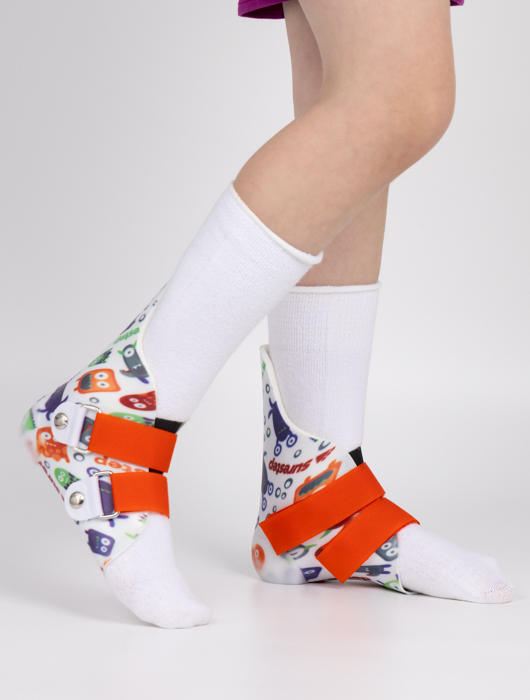
To approach the world of toe walker shoes with intelligence, we must first ground ourselves in objective physiology. Toe walking, or idiopathic toe walking (ITW) when no underlying medical condition is identified, involves a gait pattern where the heel makes minimal or no contact with the ground. According to research from institutions like the Gait Analysis Laboratory at Connecticut Children’s Medical Center, this pattern can lead to shortened Achilles tendons, altered balance, and increased stress on the forefoot and metatarsals. The primary function of specialized footwear, therefore, is not to “cure” but to accommodate and guide. A well-designed shoe for this gait provides a rigid or semi-rigid sole to discourage plantar flexion (pointing the toe), a firm heel counter to stabilize the calcaneus, and often a slight rocker sole to facilitate a more natural roll-through motion. This isn’t about restriction; it’s about creating a biomechanically sound platform from which style can authentically spring. Ignoring this foundation is like building a house on sand—the aesthetic facade may look appealing, but it will not provide the necessary support for enduring comfort and health. The science is clear, and from this clarity, we can begin to architect shoes that are both medically considerate and visually compelling.
Architecting Support: The Hidden Engineering of Fashion-Forward Designs
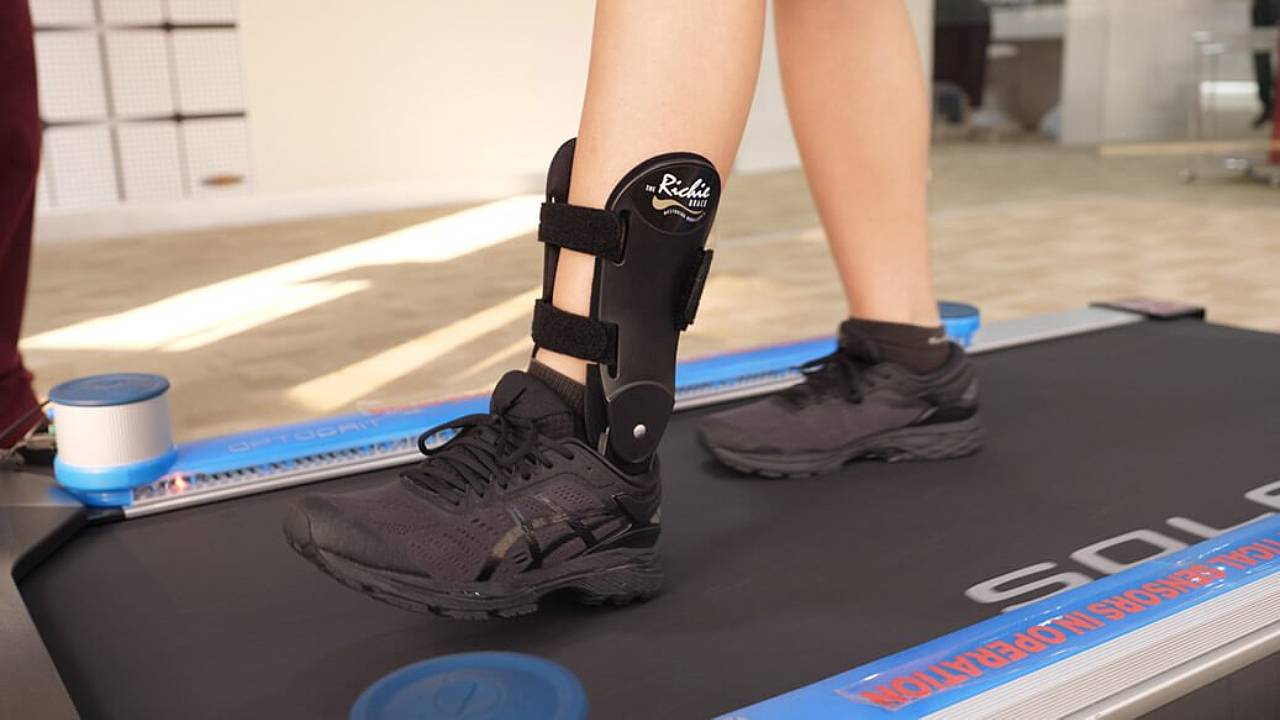
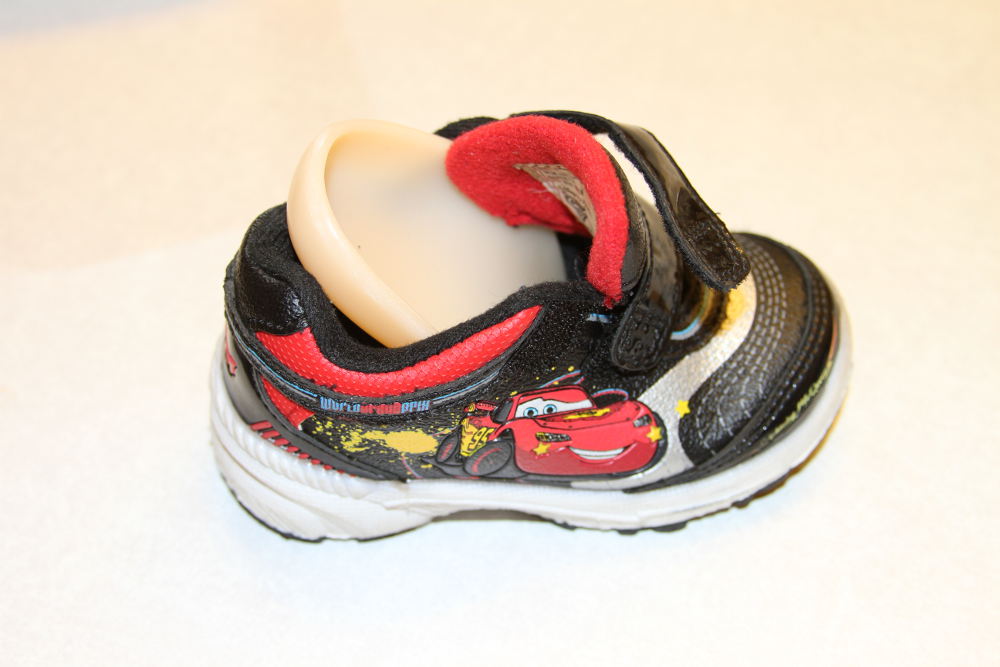
The core challenge and opportunity lie in integrating supportive features without the bulk and visual noise of traditional orthopedic designs. Consider the principle of the carbon fiber plate in elite running shoes—a technology lauded on platforms like Runner’s World for its energy-return properties. This same concept of embedded, rigid support can be applied subtly within the midsole of a fashion toe walker shoe. The key is internal architecture: a thermoplastic urethane (TPU) heel cup embedded within the lining, a extended shank for midfoot rigidity, and strategic padding around the collar and tongue to prevent abrasion on the prominent dorsal foot. As renowned designer Daan Roosegaarde once stated, “Beauty is not about decoration. Beauty is about creating smart solutions.” This philosophy is paramount. The aesthetic appeal—be it a sleek leather bootie, a minimalist sneaker, or an elegant loafer—becomes the outer shell for this intelligent core. Brands are now leveraging 3D scanning and printing, as discussed in MIT’s “Design and Fabrication” literature, to create custom orthotic-friendly footbeds that snap into otherwise standard-looking shoes. This means the days of sacrificing your personal style for necessary support are over. The engineering is there; it simply needs to be directed with a fashion-conscious intent.
Material Alchemy: Where Tactile Pleasure Meets Therapeutic Function
Material selection is where the narrative of the shoe truly speaks to the wearer. It’s a multisensory experience that defines comfort and character. For the upper, supple full-grain leathers and advanced technical knits offer durability, breathability, and a crucial element: malleability. A stiff material will fight against the foot’s shape, while a pliable one will conform, reducing pressure points. Internally, moisture-wicking linings such as Coolmax or antimicrobial copper-infused fabrics address a common concern for those whose gait may generate more heat. The outsole composition is equally critical. A compound like Vibram’s Ecostep recyclable rubber provides exceptional grip and durability without the weight, allowing for a lighter step. This material alchemy transforms the shoe from a medical device into a desirable object. As Coco Chanel famously advocated for simplicity and comfort, these materials deliver precisely that—luxurious simplicity that serves a profound purpose. When you slide your foot into a shoe crafted from these considered elements, you’re not just putting on footwear; you’re donning a second skin designed for your unique way of moving through the world.
The Silhouette Spectrum: From Sneakers to Boots, Curating Your Style Arsenal
Let’s translate theory into a tangible wardrobe. The modern market for toe walker shoes is no longer a monolith but a diverse spectrum of silhouettes. First, the elevated sneaker: think of the clean lines of a Common Projects Achilles Low, but re-engineered with a hidden, supportive footbed and a slightly extended toe box. This is your go-to for casual weekends, pairing effortlessly with tailored trousers or denim. Next, the ankle boot: a style championed by fashion icons for its versatility. A well-structured Chelsea boot, with its elastic gussets for easy entry, can be engineered with a firm heel counter and a discreet rocker sole, making it perfect for both office wear and evening outings. The classic loafer, a preppy staple, can be reinvented with a non-slip sole and a built-in arch support system, bridging the gap between professional and comfortable. Finally, consider the modern sandal. No longer just a flat flip-flop, designs now incorporate contoured cork footbeds with deep heel cups and adjustable straps across the forefoot and ankle, offering summertime style without compromising stability. Each silhouette answers a different sartorial question, proving that specialized footwear can be the most versatile part of your closet.
The Voice of Experience: Testimonials and the Power of Community Insight
Beyond clinical studies and design theory, the most compelling evidence comes from lived experience. Across platforms like YouTube and dedicated forums, individuals share transformative journeys. One fashion blogger, a lifelong toe walker, detailed her search in a video titled “Finding My Footing in Fashion,” stating, “Discovering brands that embedded support into boots I actually wanted to wear was a revelation. It wasn’t just about my feet; it changed my posture, my confidence, how I carried myself in a room.” Similarly, on Quora threads discussing adaptive fashion, countless users emphasize the psychological shift: wearing shoes that align with your identity, rather than against it. This collective voice forms a powerful corpus of evidence. It underscores that the value of these shoes is holistic—they impact physical ease, mental well-being, and social participation. When a well-known figure on Twitter, who is also a disability advocate, posts, “My new shoes got compliments all day. No one knew they were also keeping my ankles stable. That’s the point—great design is invisible,” it resonates because it speaks to the universal desire for uncomplicated style that simply works.
Investing in Your Stride: Navigating Value, Quality, and Smart Acquisition
Embracing this fusion of fashion and function is an investment in long-term well-being and style capital. High-quality materials and specialized engineering do command a premium, but the cost-per-wear and health benefits justify the outlay. The key is smart acquisition. Direct-to-consumer brands often offer better value by cutting out middlemen. Signing up for newsletters can provide access to first-order discounts of 10-15%. Furthermore, end-of-season sales are prime opportunities to acquire premium toe walker shoes at significantly reduced prices. Consider it akin to investing in a timeless blazer or a quality handbag—these are foundational pieces. Some innovative companies even offer subscription models for custom orthotic inserts, allowing you to refresh the supportive core of your shoe while maintaining the stylish outer shell. This approach brings professional-grade podiatric knowledge directly to you, coupled with a pricing strategy that respects both the craftsmanship involved and the consumer’s budget. It democratizes access to footwear that doesn’t force a choice between looking good and feeling good.
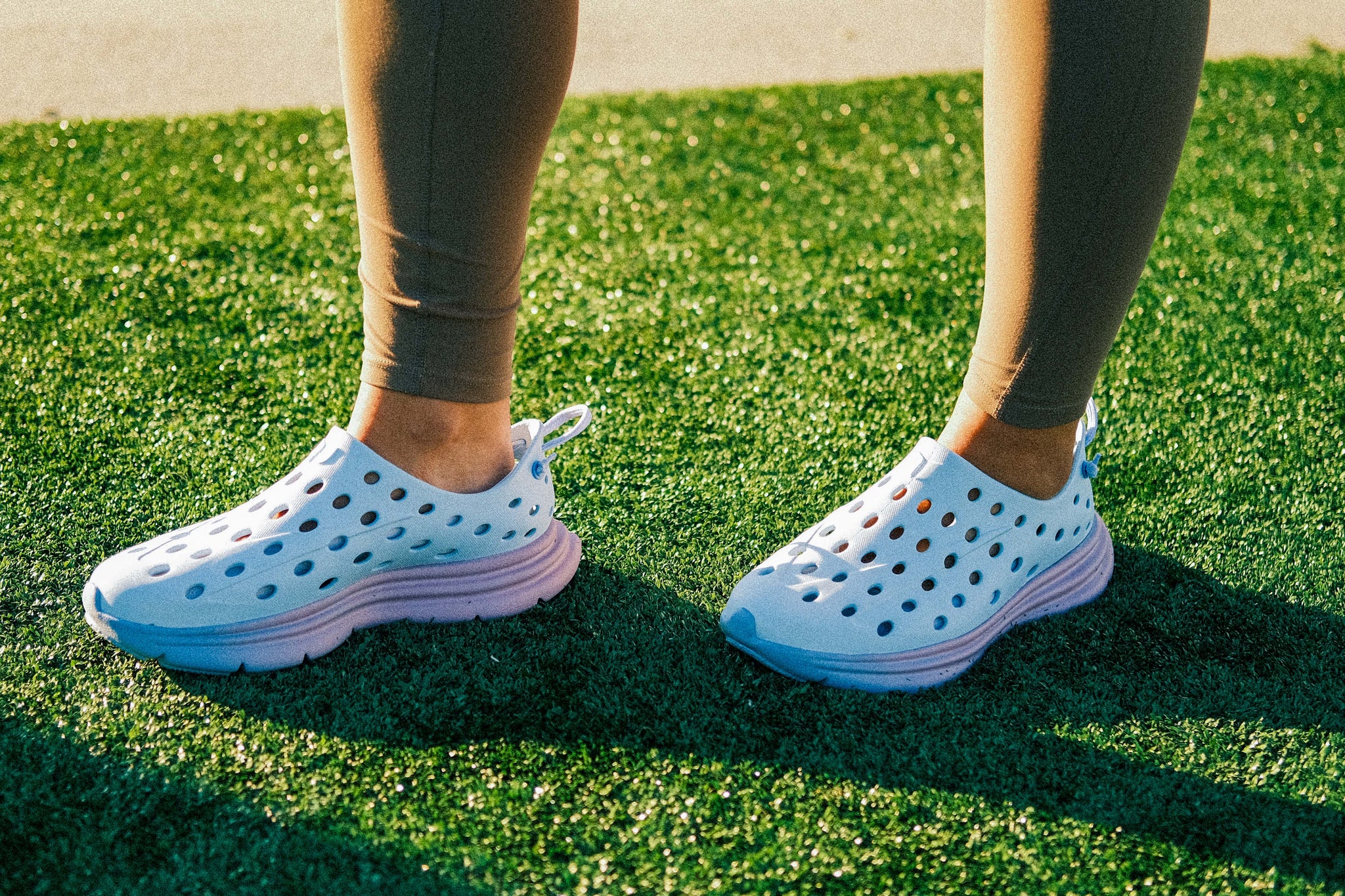
The journey ends not with a conclusion, but with an opening of a door. The landscape of footwear is being reshaped by a demand for inclusivity that doesn’t sacrifice aspiration. Toe walker shoes stand at the forefront of this movement, embodying a principle that should guide all design: that the highest form of style is autonomy. It is the autonomy that comes from shoes that move with you, that support your unique physiology, and that reflect your personal aesthetic without compromise. This is the promise of effortless fashion—a future where every step you take is as confident, comfortable, and uniquely yours as it was always meant to be.
