

Your Ultimate Guide to Comfort and Style for Everyday Adventures
Every step you take is part of a story. Whether you’re navigating the urban jungle, exploring a local trail, or simply running errands, what you wear on your feet fundamentally shapes that experience. It’s not merely about moving from point A to point B; it’s about how you feel during the journey. The right footwear transforms obligation into opportunity, and fatigue into freedom. This guide is dedicated to that transformation—merging uncompromising comfort with personal style to empower your daily explorations. We’ll move beyond vague advice into the science of support, the psychology of style, and the practical economics of making smart choices. Forget about generic conclusions; let’s build a foundation for your next adventure, right from the ground up.
The Science of Stride: Why Your Feet Deserve More Than Just Coverage
Consider the humble foot: a complex structure of 26 bones, 33 joints, and over 100 muscles, tendons, and ligaments. According to biomechanics literature from institutions like the University of Calgary’s Human Performance Lab, this intricate system absorbs forces up to three times your body weight with each step. When you slip on a shoe, you’re not just covering your foot; you’re introducing an external piece of equipment that will either augment or hinder this natural engineering. A proper walking shoe is designed with a specific gait cycle in mind. Unlike running, walking involves a heel-to-toe motion with one foot always on the ground. This requires a shoe with ample heel cushioning to absorb the initial impact, a flexible forefoot to facilitate the push-off, and a design that promotes stability through the mid-stance phase. Wikipedia’s entry on “Walking” details this biomechanical process, emphasizing the sustained, lower-impact nature of the activity. A casual sneaker or a running shoe built for a different motion pattern can subtly alter your stride, leading to inefficiency and, over time, discomfort in your feet, knees, hips, and even back. Therefore, selecting a dedicated walking shoe isn’t a marketing ploy; it’s an investment in the biomechanical integrity of your entire movement chain.
:max_bytes(150000):strip_icc()/when-should-i-replace-my-walking-shoes-3436325-0801-7a1840d83573471092e0380f9e230ecc.jpg)
Decoding the Anatomy of an Ideal Walking Shoe
To make an informed choice, you need to speak the language of shoe construction. Let’s dissect the key components. First, the upper: this should be made of breathable, flexible materials like engineered mesh. It must secure your foot without constriction, preventing the friction that causes blisters. Second, the midsole: this is the heart of the shoe. Materials like EVA (ethylene-vinyl acetate) foam or advanced compounds like Brooks’ DNA LOFT or ASICS’ GEL provide the critical cushioning. The midsole also often contains a medial post—a firmer density foam on the inner side—to control overpronation, where the foot rolls inward excessively. Third, the outsole: look for durable rubber with a flexible groove pattern. Brands like Saucony use XT-900 carbon rubber in high-wear areas for longevity. The bend point of the outsole should align with the natural bend of your foot. Finally, the insole or sockliner: a removable, often antimicrobial, layer that provides immediate comfort and can be replaced with custom orthotics if needed. As noted by podiatrists quoted in resources like Verywell Fit, the synergy of these parts creates a system that protects and propels. A well-constructed walking shoe feels like an extension of your foot, not a separate entity you must manage.
Where Performance Meets Personality: The Style Equation
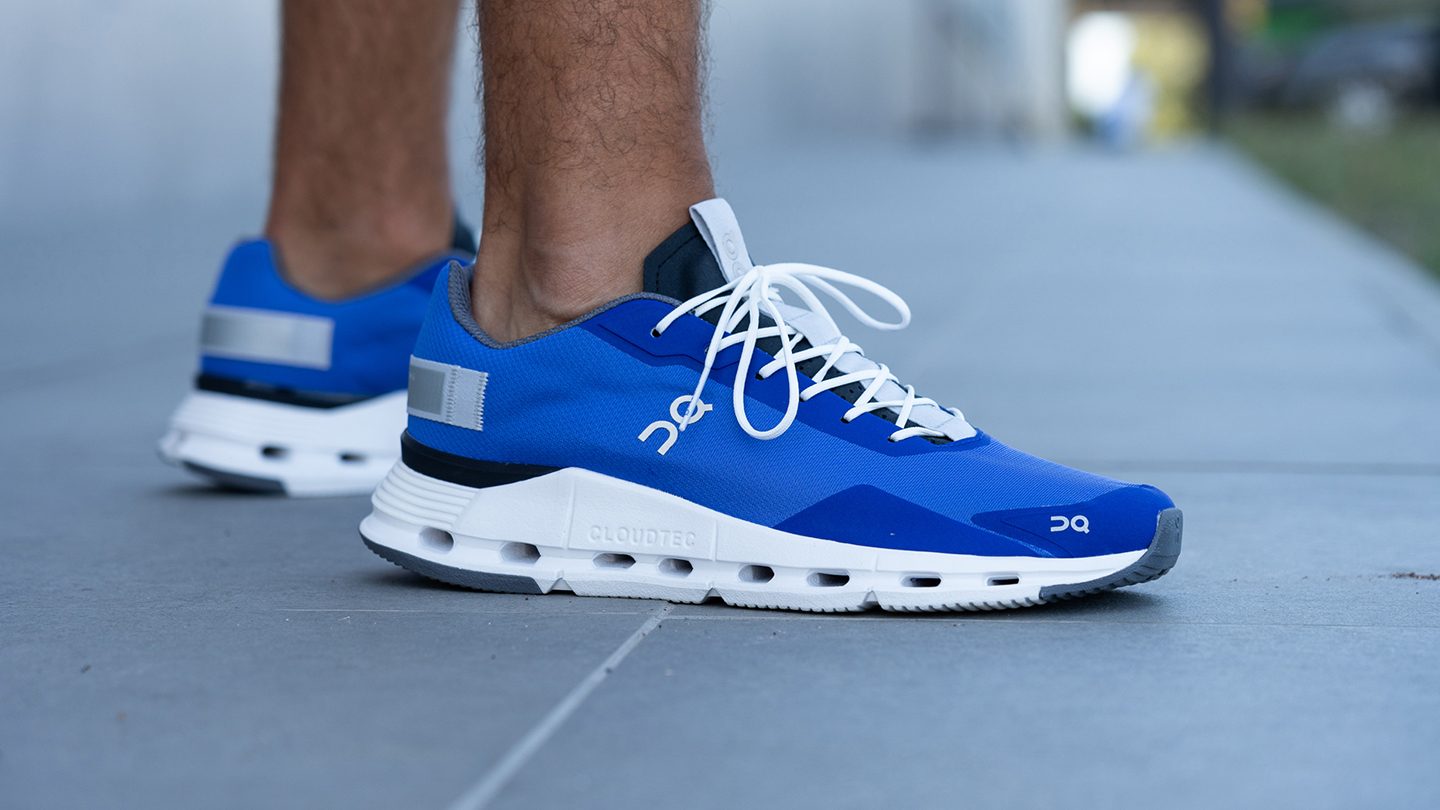
For too long, “comfortable shoes” conjured images of purely utilitarian, often clunky designs. That era is over. Today’s market proves that aesthetic appeal and ergonomic excellence are not mutually exclusive. The rise of “athleisure” as a dominant trend, documented by fashion analysts from Vogue to Business of Fashion, reflects a cultural shift where performance wear is integrated into daily life. This is your permission slip to prioritize both. A sleek, minimalist walking shoe from brands like Allbirds or Cole Haan’s Zerøgrand line can seamlessly transition from a morning walk to a casual office setting or a weekend brunch. The psychology here is powerful. As style icon Iris Apfel once quipped, “Fashion you can buy, but style you possess. The key to style is learning who you are.” When your shoes look good, you feel confident. That confidence elevates your posture, your mood, and your entire presence. Your footwear becomes a point of self-expression. Whether you prefer the bold colorways of a HOKA shoe or the understated elegance of a leather-trimmed New Balance model, your choice signals your personal narrative. The perfect walking shoe is one you’re excited to wear, not just obligated to use.
Navigating the Market: A Curator’s Guide to Brands and Technologies
The landscape of footwear can be overwhelming. Let’s bring clarity by examining some standout contenders and the technologies they champion. For the walker seeking cloud-like cushioning, HOKA ONE ONE is a frequent champion. Their meta-rocker geometry and maximalist midsoles are designed to create a smooth, rolling gait. Conversely, for those who prefer a “connected-to-the-ground” feel, brands like Merrell with their barefoot-inspired designs or Altra with their FootShape™ toe box and Zero Drop™ platform offer a different philosophy, encouraging natural foot strength. For supreme stability and motion control, the Brooks Adrenaline GTS series is a gold standard, often recommended by podiatrists. ASICS, with its visible GEL cushioning units in the heel and forefoot, has decades of research in impact absorption, a legacy clear in models like the GEL-Nimbus. On the style-forward end, brands like APL (Athletic Propulsion Labs) have gained cult followings for their fashion-forward designs that don’t sacrifice tech. Remember, the “best” shoe is a deeply personal equation. A model lauded on Runner’s World or in YouTube reviews by certified experts like “The Run Testers” might be perfect for one person and a poor fit for another. This underscores the non-negotiable importance of trying shoes on, preferably later in the day when feet are naturally more swollen.
:max_bytes(150000):strip_icc()/vwt-asics-womens-gel-pulse-16-jinfeng-chen-21-712f0f140e834b84b3a8dcf0bf154771.jpeg)
The Smart Investment: Longevity, Care, and Knowing When to Let Go
A high-quality walking shoe is an investment, and like any good investment, it requires proper stewardship to maximize its return. The outsole’s rubber will wear down, and the midsole’s foam will gradually lose its resiliency through compression cycles, long before the upper looks worn out. Most experts, including those cited in resources from the American Podiatric Medical Association, suggest replacing walking shoes every 300 to 500 miles. For a daily walker covering 3 miles a day, that’s roughly every 4 to 6 months. To extend this lifespan, rotate between two pairs. This allows the foam in each pair to fully decompress between uses, dramatically slowing the breakdown process. Avoid machine washing and drying, which can break down adhesives and deform materials. Instead, clean uppers with a soft brush, mild soap, and water. Stuff them with newspaper to dry naturally, away from direct heat. Pay attention to the signals: new, unexplained aches in your shins, knees, or hips are often the first sign that your shoes’ cushioning has expired. Being proactive about replacement is far cheaper than physical therapy.
Your Action Plan: Fitting Knowledge with Practical Steps
Armed with this knowledge, your shopping journey becomes a targeted mission. First, get your foot measured professionally, and always in the standing position. Sizes change over time. Second, wear the socks you intend to walk in. Third, shop in the afternoon. Fourth, there should be about a thumb’s width of space between your longest toe (which isn’t always the big toe) and the end of the shoe. The shoe should feel secure at the heel and midfoot without any pinching or slipping. Now, let’s talk value. While premium walking shoes often carry a price tag between $120 and $160, there are strategic ways to access this performance. End-of-season sales, outlet stores, and reputable online retailers frequently offer previous model-year colors at discounts of 30-50%. Websites like JackRabbit or REI often have member sales or clearance sections. The key is to know your exact model and size, so when you see that discontinued Brooks Glycerin or ASICS GT-2000 on sale, you can confidently purchase, knowing the core technology is virtually identical to the newest version. This is how you bring professional-grade equipment into your life at an accessible price point.

The path ahead is yours to shape. By choosing footwear that honors the sophisticated biology of your stride and reflects your unique style, you redefine what an “everyday adventure” can be. It’s the difference between trudging and striding, between enduring your day and embracing it. Your journey is built step by step. Make each one count in a shoe that supports, inspires, and moves with you. The world is outside your door, waiting to be met with comfort, confidence, and a foundation that truly fits.
