

The Walking Shoe: Your Secret Weapon for Effortless Everyday Style
Forget the endless pursuit of the perfect statement piece or the latest fleeting trend. The true cornerstone of a versatile, comfortable, and genuinely stylish wardrobe isn’t found on a runway; it’s grounded, quite literally, in your choice of footwear. The unassuming walking shoe has evolved from a purely functional athletic item into a sartorial secret weapon. It’s the key to unlocking a style that doesn’t sacrifice comfort for aesthetics, allowing you to move through your day with confidence and ease. This isn’t about sportswear as fashion in a loud, branded sense, but about intelligent design that supports your body and seamlessly integrates into your personal aesthetic. The right pair bridges the gap between a busy schedule and looking put-together, proving that the foundation of great style is built from the ground up.

1. The Anatomy of Effortless: Why Design Dictates Comfort and Style
The magic of the modern walking shoe lies in its engineered harmony. This isn’t accidental comfort; it’s the result of decades of biomechanical research and material science. Let’s dissect the objective science behind the feel. At the core is the midsole, typically crafted from advanced compounds like EVA (ethylene-vinyl acetate) foam or proprietary gels. As noted in biomechanics literature from institutions like the University of Calgary’s Human Performance Lab, the primary role of the midsole is to attenuate shock—the ground reaction forces that travel up your skeleton with each step. A well-cushioned midsole doesn’t just feel soft; it reduces the metabolic cost of walking and minimizes joint stress over cumulative miles. Then comes the heel counter, the firm cup that cradles your calcaneus. A study published in the Journal of Orthopaedic & Sports Physical Therapy emphasized that a structured heel counter improves rearfoot stability, preventing excessive pronation or supination that can lead to alignment issues from the ankle to the lower back. The upper, once simple leather or mesh, is now often a breathable, engineered knit that provides a sock-like fit without pressure points. When these elements coalesce—responsive cushioning, secure heel lockdown, and adaptive upper—the shoe disappears on your foot. This liberation from discomfort is the first, non-negotiable step toward effortless style. You cannot project confidence or ease if you’re preoccupied with aching feet. The walking shoe, therefore, begins as a tool for physical well-being, which is the ultimate foundation for personal presence.
From Clinic to Sidewalk: The Evolution of a Lifestyle Essential
The journey of the walking shoe from a medical or athletic aid to a lifestyle staple is a fascinating case study in design democratization. Initially, such supportive footwear was primarily prescribed or recommended. Podiatrists might suggest specific models for plantar fasciitis, or they were the domain of serious walkers and hikers. The cultural shift began as wellness became a mainstream, everyday pursuit, not confined to the gym. Influential figures in design and lifestyle began championing comfort without apology. Fashion icon and designer Tory Burch, in an interview with Vogue, once stated, “Luxury, to me, is feeling comfortable in your own skin and in your clothes. It’s not about a label.” This sentiment echoes the ethos of the modern walking shoe: its value is in the experience it provides. Furthermore, the rise of “athleisure” as defined by trend analysts from websites like Business of Fashion wasn’t just about wearing yoga pants everywhere; it signaled a deeper demand for versatility and practicality in all garments, footwear included. The walking shoe perfectly answered this call. Brands responded by refining aesthetics, offering clean silhouettes, muted color palettes, and premium material finishes that could transition from a morning errand to a casual lunch. This evolution wasn’t a dilution of performance but an expansion of its application, making advanced biomechanical support a discreet part of daily urban life.
:max_bytes(150000):strip_icc()/vwt-asics-womens-gel-pulse-16-jinfeng-chen-21-712f0f140e834b84b3a8dcf0bf154771.jpeg)
2. The Silent Language of Versatility: Building a Capsule Wardrobe from the Feet Up
Consider your wardrobe as a functional ecosystem. Every piece should connect and communicate. A loud, overly technical sneaker often shouts, creating a stylistic dead end where it becomes the solitary focal point. In contrast, a refined walking shoe speaks in a whisper, enabling dialogue with the rest of your outfit. Its power is in its versatility. A pair in a neutral tone—think optic white, charcoal grey, or navy—acts as a sartorial Swiss Army knife. It can anchor tailored trousers and a crisp button-down for a smart-casual look that navigates an informal office or a weekend brunch with equal aplomb. It can complement relaxed jeans and a simple tee, elevating basics through the shoe’s considered design and pristine condition. It can even pair with technical fabrics in a monochromatic outfit for a coherent, modern look. This versatility is economically and stylistically intelligent. It adheres to the “cost per wear” principle championed by stylists and frugal fashionistas alike: an investment in a single, high-quality, versatile item yields exponentially more value than several trendy, single-use pieces. By starting your outfit with a shoe designed for all-day wear, you are pre-emptively solving the comfort dilemma and setting a tone of understated confidence. The outfit is built on a platform of assured comfort, freeing you to layer personality with other elements without the foundational layer causing distress.
The Psychology of Preparedness: How the Right Shoe Shapes Your Day
The impact of footwear extends beyond the physical into the psychological. There’s a concept in behavioral science often called “enclothed cognition”—the systematic influence that clothes have on the wearer’s psychological processes. Research from Northwestern University has shown that the symbolic meaning of clothing and the physical experience of wearing it can change cognitive performance. Apply this to footwear. Slipping on a pair of broken-down, unsupportive shoes might subconsciously signal a “down day,” a lack of intention. Conversely, lacing up a pair of purpose-built, well-maintained walking shoes primes you for engagement. They are the uniform for an active, capable, and prepared individual. They say you are ready to navigate unpredictable sidewalks, stand comfortably during a spontaneous conversation, or pivot from one appointment to the next without a second thought. This isn’t about arrogance; it’s about quiet competence. In the same way a reliable watch might instill punctuality, reliable shoes instill a sense of readiness. They remove a variable of daily anxiety—the worry of sore feet—freeing up mental bandwidth for more important tasks and interactions. Your posture improves, your stride lengthens, and your entire demeanor shifts when you are free from discomfort. In this way, the walking shoe functions as a tool for cognitive and emotional readiness, proving that true style is holistic, encompassing both how you look and how you feel and function.

3. An Informed Investment: Navigating the Market with Knowledge
With the market saturated with options, making an informed choice is crucial. This is where professional knowledge translates directly into value and savings. The term “walking shoe” itself is a specific category, distinct from running shoes, cross-trainers, or fashion sneakers. Running shoes, for instance, are designed for forward momentum and higher-impact heel strikes, often featuring more aggressive heel-to-toe drops and propulsion plates. A dedicated walking shoe, as outlined by experts on platforms like Runners World and in buyer’s guides from institutions like the American Podiatric Medical Association, prioritizes flexibility through the forefoot to facilitate the natural heel-to-toe roll of a walking gait, along with ample arch support for the sustained, weight-bearing phase of each step. Understanding your own foot type—whether you have neutral pronation, overpronate, or underpronate (supinate)—is key. This self-knowledge allows you to filter for shoes with the appropriate level of stability or motion control, preventing you from paying for features you don’t need or, worse, buying a shoe that exacerbates a biomechanical issue. Furthermore, recognizing quality materials—like durable rubber outsoles for longevity, moisture-wicking liners, and seamless interiors to prevent blisters—helps you discern true value. This expertise protects your investment. By identifying the right shoe the first time, you avoid the cycle of buying, discomfort, and re-buying, which is the ultimate discount. Knowledge allows you to wait for genuine sales on the specific model that suits you, rather than impulsively buying a cheaper, unsuitable alternative at full price.
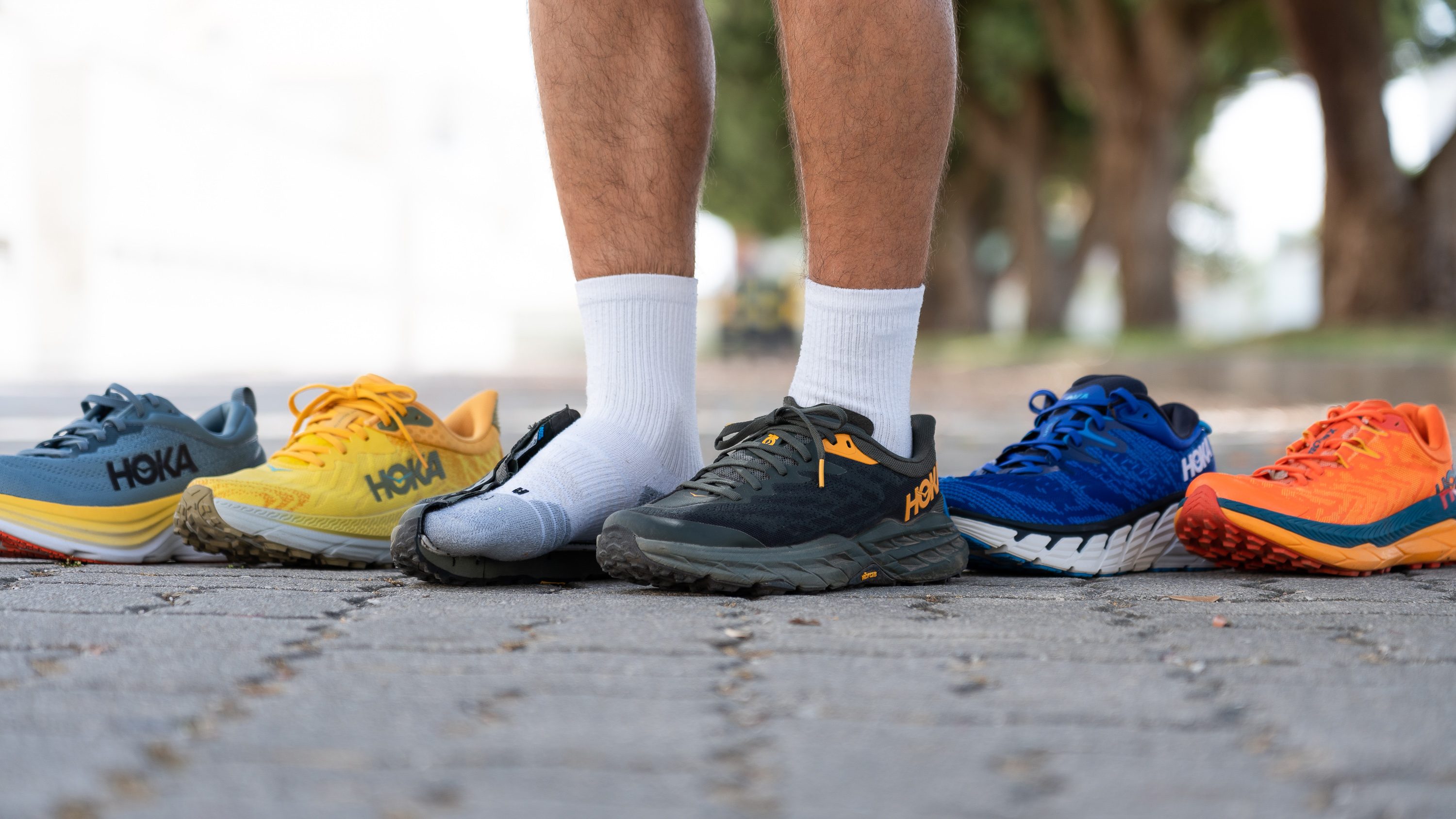
4. Your Style, Uninterrupted
The culmination of this journey is a seamless integration of form and function. The right walking shoe doesn’t just allow for everyday style; it enables and enhances it. It is the piece that works tirelessly in the background, ensuring that your personal expression isn’t curtailed by physical limits. Whether your style leans towards minimalist Scandinavian influences, rugged workwear, or classic Americana, there is a walking shoe with a complementary silhouette. The goal is cohesion, not compromise. This approach to dressing—where comfort is the non-negotiable baseline—is increasingly recognized as the hallmark of mature, intentional style. It reflects an understanding that life is not a series of photo shoots but a dynamic flow of activity, and your clothing should be a supportive partner in that flow. By choosing a shoe engineered for the literal journey, you empower your stylistic journey to continue uninterrupted, from dawn until dusk. Your secret weapon isn’t hidden; it’s on your feet, providing the steady, reliable foundation upon which your unique style confidently stands and moves forward.
