

The Walking Shoe: Your Secret to Effortless Style and All-Day Comfort
Let’s be honest: for years, shoes forced us to choose. On one side, the altar of fashion—heels that pinched, sleek loafers with no give, boots that prioritized silhouette over substance. On the other, the island of comfort—often clunky, technical sneakers that screamed “gym only” or orthopedic designs that sacrificed any aesthetic appeal. This divide created a daily dilemma, a small but persistent friction in our lives. What if this choice is an illusion? What if the key to unlocking both polished style and profound physical ease has been quietly evolving in plain sight? The answer lies not in a compromise, but in a category redefined: the walking shoe. This is not merely a piece of footwear; it is a tool for modern living, engineered to bridge the gap between biomechanical necessity and personal expression. The right pair doesn’t just carry you; it elevates your entire day, turning every step from a mundane necessity into a foundation for confidence and well-being.
The Anatomy of All-Day Comfort: More Than Just a Soft Sole
To understand the revolution of the modern walking shoe, we must dissect its engineering. Comfort is a science, not a vague feeling. It begins with midsole cushioning, typically made from advanced polymers like EVA (Ethylene-Vinyl Acetate) or proprietary foams such as Nike’s React or Adidas’s Boost. According to research from the Spaulding National Running Center, affiliated with Harvard Medical School, proper cushioning does more than soften impact; it reduces the peak loading forces on joints, potentially decreasing the risk of stress-related injuries over time. But cushioning is futile without arch support. The human foot arch is a marvel of natural engineering, acting as a shock absorber. A 2017 study published in the Journal of Foot and Ankle Research emphasized that sustained lack of support can lead to plantar fasciitis, flatfoot, and other alignment issues. A quality walking shoe provides contoured, often customizable support that cradles the arch, promoting a neutral foot position from heel strike to toe-off. Finally, we have the outsole and flexibility. The outsole needs durable rubber with a strategic tread pattern for grip, while the shoe must bend easily at the ball of the foot—the metatarsophalangeal joint—where natural propulsion occurs. This triumvirate of cushioning, support, and flexibility works in concert, transforming the simple act of walking from a series of jarring impacts into a smooth, energy-efficient roll. This is the biomechanical bedrock upon which all-day comfort is built.
Style Reimagined: When Form Follows Function—Beautifully
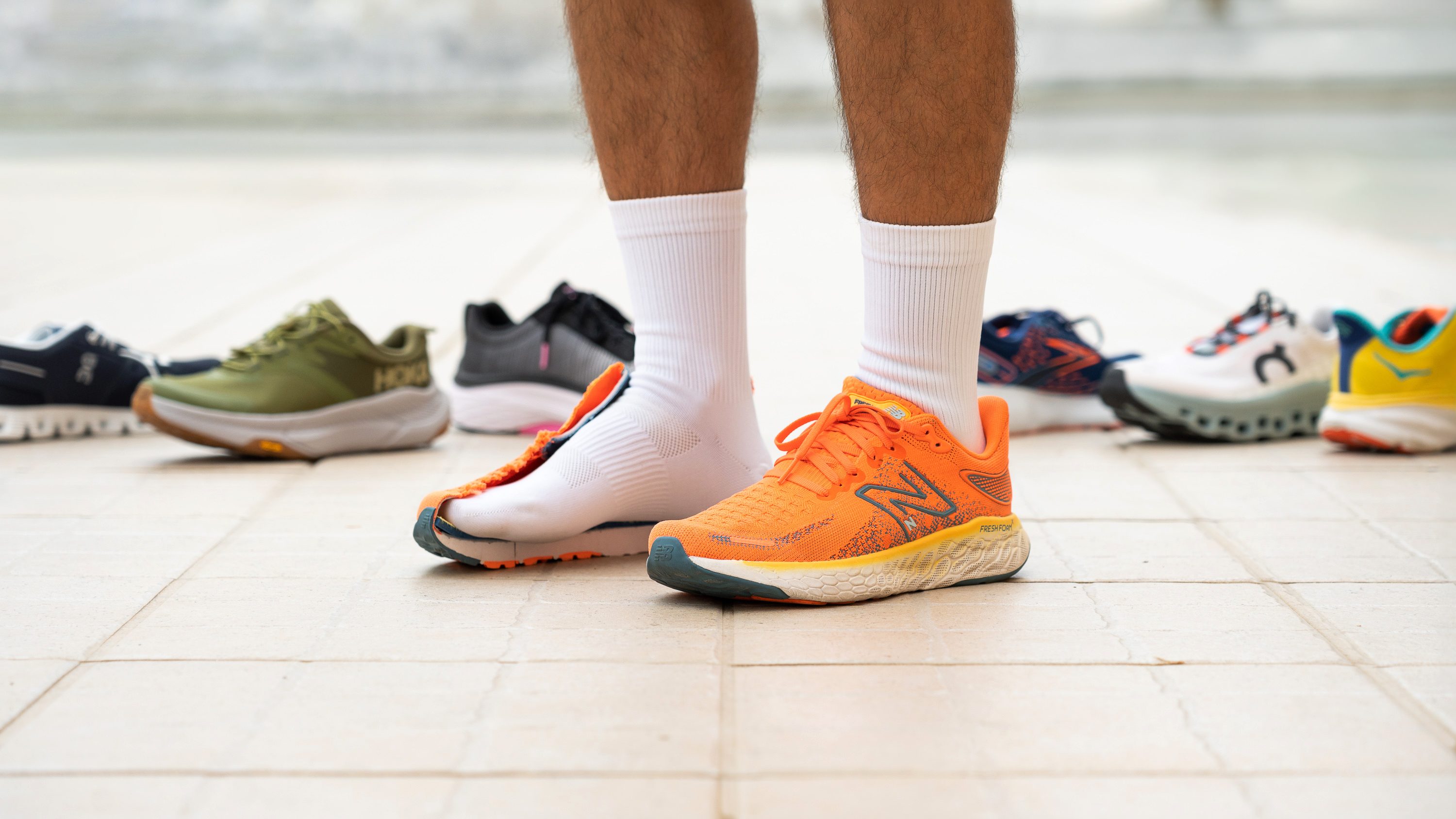
The great triumph of the contemporary walking shoe is its rejection of the old dichotomy. Designers are no longer treating technical features as elements to hide. Instead, they are integrating them into the visual language. Consider the rise of “athleisure” and the normcore aesthetic. As fashion critic Vanessa Friedman noted in The New York Times, “The boundaries between what is considered sportswear and what is considered daily wear have not just blurred; they have dissolved.” This cultural shift empowered footwear brands to innovate. We now see walking shoes with sleek, monochromatic uppers made from engineered knits and sustainable materials, clean lines that wouldn’t look out of place with tailored trousers or a casual dress. The chunky, “dad shoe” trend, popularized by brands like Hoka One One, openly celebrates maximal cushioning, turning a performance feature into a bold style statement. This design philosophy echoes the famous axiom of architect Louis Sullivan: “form ever follows function.” In today’s best walking shoes, the functional components—the sculpted midsoles, the breathable mesh panels, the dynamic support structures—are the very elements that define their aesthetic appeal. They look advanced because they are advanced. Wearing them signals an awareness, a choice to prioritize well-being without abandoning a sense of style. It’s a quiet declaration that you understand modern life demands both.
The Long-Term Investment: Your Body’s Silent Partner
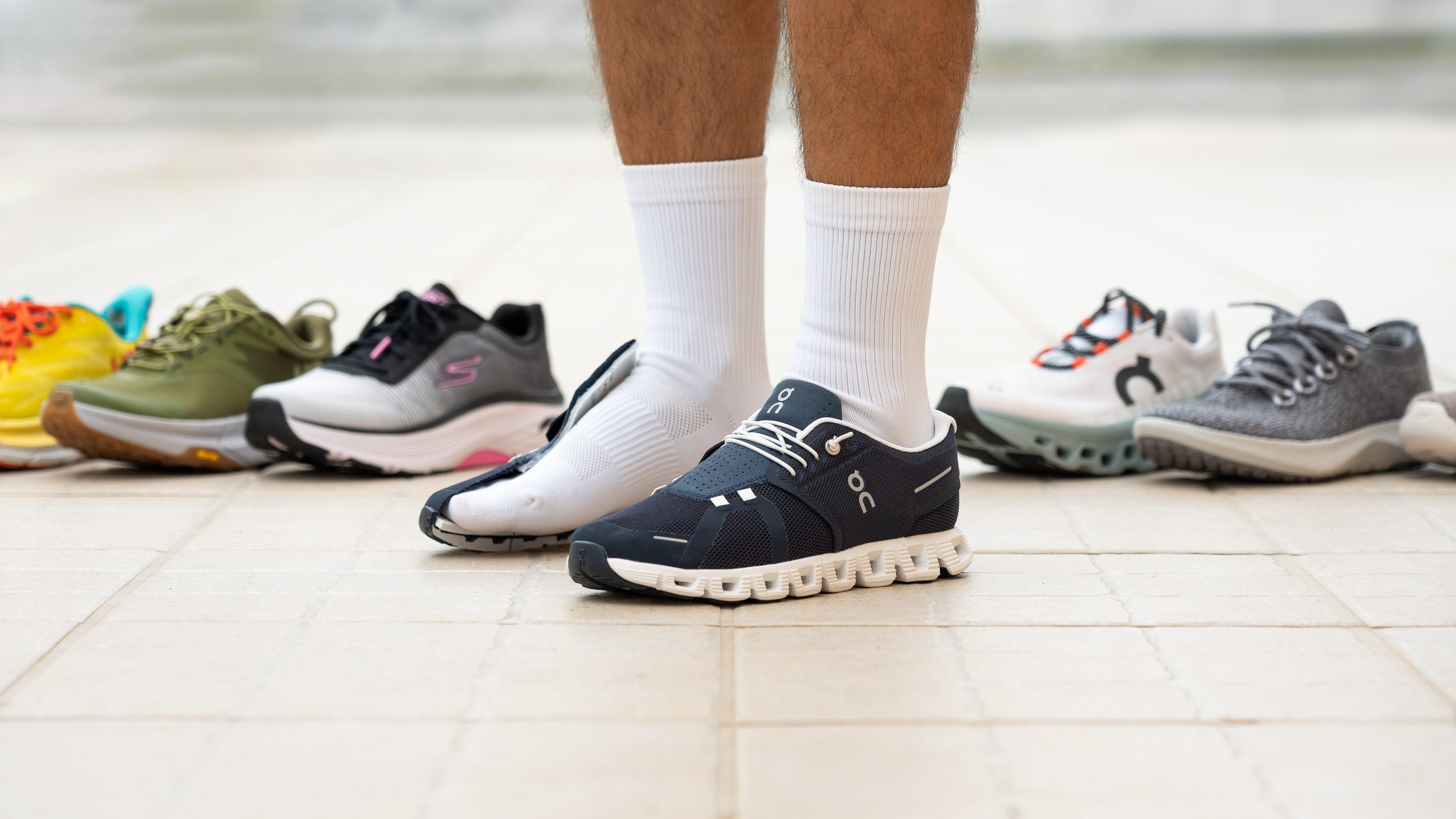
Viewing a superior walking shoe as merely a purchase is a profound underestimation. It is an investment in your physical capital. The consequences of poor footwear are cumulative and often insidious. Dr. James Ioli, Chief of Podiatry at Brigham and Women’s Hospital, has stated, “People often wear shoes long past their expiration date. The support and cushioning break down, leading to altered biomechanics that can affect not just the feet, but the ankles, knees, hips, and even the lower back.” Every step in a worn-out or unsupportive shoe is a step toward potential discomfort. A proper walking shoe acts as a preventive tool. By ensuring proper alignment and shock absorption, it mitigates the daily grind on your musculoskeletal system. Think of it as the foundation of a house. If the foundation is weak or uneven, stress cracks will eventually appear throughout the entire structure. Your body is no different. The right shoes provide a stable, balanced platform, allowing your natural gait to function efficiently. This isn’t just about avoiding pain; it’s about preserving mobility, energy, and vitality. The miles you log running errands, commuting, or exploring a city on vacation add up. Investing in footwear that protects you through those miles is one of the most direct forms of self-care you can practice. It’s a decision that pays dividends in comfort today and health tomorrow.
:max_bytes(150000):strip_icc()/when-should-i-replace-my-walking-shoes-3436325-0801-7a1840d83573471092e0380f9e230ecc.jpg)
Finding Your Perfect Pair: A Guide Beyond the Hype
With countless options, selecting your ideal walking shoe can feel overwhelming. The key is to move beyond marketing claims and focus on personal, objective fit. First, know your gait. Are you an overpronator (your foot rolls inward excessively), an underpronator (supinator, rolling outward), or neutral? Many specialty running stores offer free gait analysis. This is the single most important piece of data for finding a shoe with the right type of stability or neutral support. Second, prioritize fit in the afternoon. Feet naturally swell throughout the day. A shoe that fits perfectly in the morning might be tight by evening. Always try on shoes with the socks you intend to wear and ensure about a thumbnail’s width of space between your longest toe and the end of the shoe. Your heel should be locked in place without slippage. Third, ignore the “break-in” myth. A well-designed modern walking shoe should feel comfortable from the very first step. As noted by the American Podiatric Medical Association, discomfort is a warning sign, not a challenge to overcome. Finally, consider the weight. Advances in materials have led to incredibly supportive yet lightweight shoes. A lighter shoe reduces leg fatigue, making a tangible difference over thousands of steps. Remember, the best shoe is not the most expensive or the most hyped; it’s the one that disappears on your foot, becoming a seamless extension of your body that supports you without demanding your attention.
The Professional Edge and Accessible Innovation
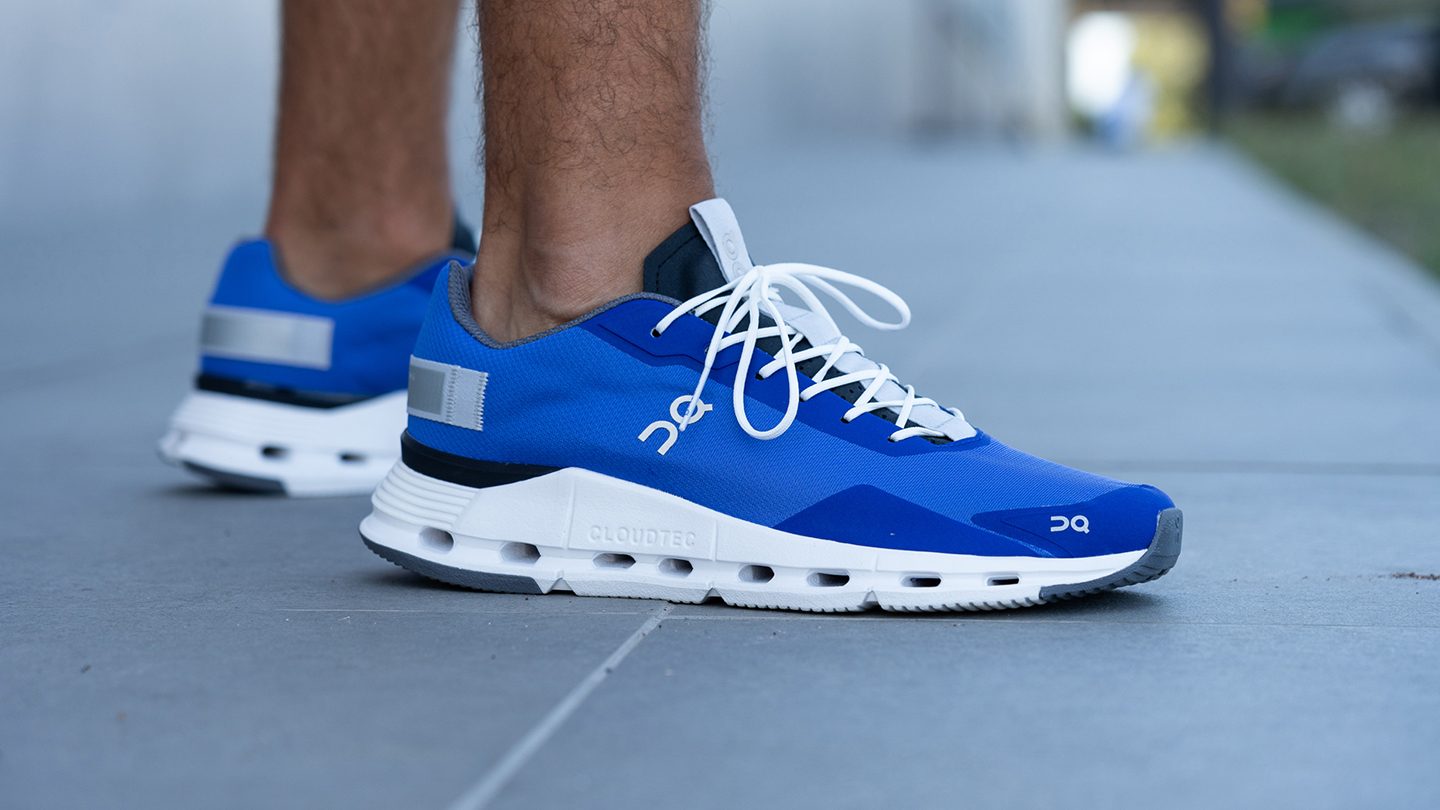
For professionals who are on their feet all day—nurses, teachers, retail workers, chefs—the walking shoe transitions from a lifestyle product to essential professional equipment. The difference it makes is quantifiable. A study in the Journal of Occupational and Environmental Hygiene found that healthcare workers who wore supportive, cushioned shoes reported significantly less lower limb and back discomfort and showed reduced standing fatigue compared to those in standard uniforms. This isn’t just about comfort; it’s about sustained performance, focus, and job satisfaction. The good news is that this level of innovative technology is now accessible. While premium models from brands like Hoka, Brooks, or On Running offer cutting-edge materials, many mainstream brands have incorporated core comfort technologies into affordably priced lines. Furthermore, the direct-to-consumer model and frequent sales on reputable online retailers have made top-tier performance more attainable than ever. You no longer need a professional athlete’s budget to benefit from professional-grade engineering. Investing in a proper walking shoe is an investment in your professional endurance, allowing you to perform at your best without being sidelined by preventable physical strain.
The search for the perfect shoe ends not with a fashion trend or a fleeting gadget, but with a fundamental re-alignment of priorities. The modern walking shoe stands as a testament to human-centered design, where deep scientific understanding of biomechanics meets a refined aesthetic sensibility. It proves that we do not have to sacrifice our bodies at the altar of style, nor hide our desire for style behind purely functional gear. This synergy is the secret. It is the secret to navigating a bustling city with spring in your step, to ending a long workday without footsore dread, to exploring new places with unwavering confidence. It is the secret to making comfort your foundation and letting your style effortlessly follow. When you find that perfect pair—the one that supports, cushions, and complements—you unlock a subtle yet powerful form of everyday freedom. You’ve found more than a shoe; you’ve found your secret to moving through the world with effortless grace and resilient comfort.
