

The Ultimate Guide to Tennis Shoes for Everyday Walking
For years, the idea of using tennis shoes for walking was met with skepticism. Conventional wisdom dictated that walking shoes and running shoes were specialized tools, and tennis shoes were for the court. Yet, a quiet revolution has been underway. More and more, people are discovering that a well-chosen pair of tennis shoes offers a unique blend of support, durability, and style that makes them exceptional companions for daily ambulation. This isn’t about repurposing old athletic gear out of convenience; it’s about recognizing the engineered benefits of a category of footwear designed for lateral stability and impact absorption—features that translate remarkably well to the biomechanics of walking. If you’ve ever felt your dedicated walking shoes were too soft, or your running shoes too unstable for all-day wear, the solution might just be waiting in the tennis section.
The Anatomy of Support: Why Tennis Shoes Work for Walking
To understand the suitability of tennis shoes for walking, we must dissect their design philosophy. Tennis is a sport of explosive lateral movements, sudden stops, and quick changes in direction. Consequently, shoe manufacturers invest heavily in features that prevent ankle roll and provide a stable platform. This often results in a wider base, especially in the forefoot, and robust heel counters that cradle the foot. Dr. Casey Kerrigan, a former Harvard Medical School professor and biomechanics researcher, has often challenged industry norms. In a discussion on footwear science, she noted, “Excessive cushioning can sometimes destabilize the foot. What many people need for natural gait is a stable base that allows the foot’s intrinsic muscles to work.” This principle is at the core of many tennis shoe designs. The focus on lateral support creates a inherently stable shoe, which for walkers translates to reduced pronation (inward rolling of the foot) and supination (outward rolling) during the heel-to-toe transition. Unlike some running shoes built primarily for forward motion, a tennis shoe is engineered for multi-directional stability, making it adept at handling the subtle shifts in weight and balance that occur even during a straight-line walk, especially on urban terrain.
Durability Meets Daily Grind: The Outsole Advantage
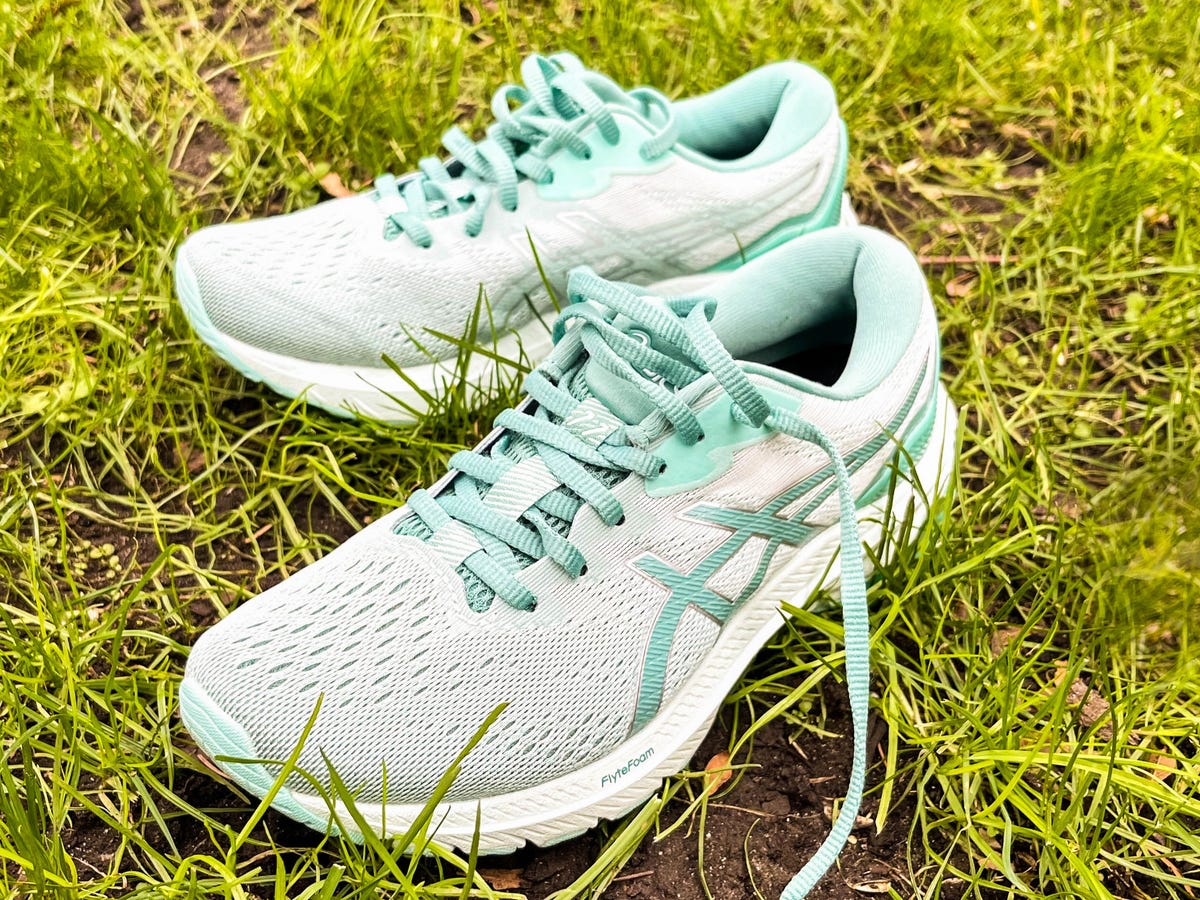
Walkers are tough on shoes. The constant friction against pavement, concrete, and other hard surfaces can quickly wear down the outsoles of standard footwear. Here, tennis shoes hold a significant advantage. The outsole rubber on a tennis shoe is specifically formulated for abrasion resistance against hard court surfaces like asphalt and concrete. Brands like ASICS, New Balance, and Adidas use high-density carbon rubber or similar durable compounds in key wear areas, such as the toe and heel. This technology, often highlighted in product descriptions on authoritative retail sites like Zappos or Runner’s World, is designed to withstand the dragging and scraping motions inherent to tennis. For a walker, this means the shoe’s lifespan is dramatically extended. You’re not just getting a shoe with a comfortable upper; you’re investing in a tool built to last. The tread pattern, or herringbone, common on tennis shoes, also provides excellent traction on a variety of surfaces, from smooth indoor floors to slightly damp sidewalks, offering a secure grip that dedicated walking shoes sometimes lack. When you choose tennis shoes for walking, you are effectively choosing a workhorse built for a higher level of abrasion than typical daily walking will ever demand.

Debunking the Cushioning Myth: Stability Over Sinking
A common misconception in the walking community is that more cushioning equates to more comfort and less joint impact. While cushioning has its place, research and expert opinions increasingly point to the benefits of a firmer, more responsive midsole for sustained walking. The Wikipedia entry on “Running Shoe” touches on this, explaining that maximalist cushioning can alter gait and reduce proprioception—the body’s awareness of its position in space. Tennis shoes typically feature midsoles made from EVA (ethylene-vinyl acetate) or polyurethane that are tuned for responsiveness and stability rather than ultra-soft sink-in comfort. This provides a stable platform that encourages a more natural foot strike. As noted by biomechanist Katy Bowman in her book “Move Your DNA,” “Our feet are designed to feel the ground. Oversoft shoes can disable the foot’s natural shock-absorbing mechanisms.” A firm, supportive midsole in a tennis shoe allows the foot’s arches and muscles to engage properly, potentially strengthening the foot over time rather than letting it passively sink into foam. This makes a quality pair of tennis shoes for walking not just a comfortable choice, but a potentially proactive one for long-term foot health.
Style as a Function, Not an Afterthought
Let’s address the elephant in the room: aesthetics. For many, dedicated walking shoes can be functional but visually unappealing, often leaning towards bulky, technical designs. Tennis shoes, born from sport but embraced by streetwear culture for decades, offer a vast array of stylish options. From the classic, clean lines of an Adidas Stan Smith or a Nike Court Vision to the modern, tech-forward look of an ASICS Solution Speed FF, there is a tennis shoe to match virtually any personal style. This is not a trivial point. When you enjoy the way your shoes look, you are more likely to wear them consistently. The psychological boost of wearing something you find attractive can enhance the overall experience of your walk, turning a chore into a pleasure. Furthermore, the versatility of a stylish tennis shoe means it can seamlessly transition from a long morning walk to running errands or meeting friends for coffee, eliminating the need for a shoe change. This fusion of form and function is a powerful argument for adopting tennis shoes for walking as part of your everyday wardrobe.
Making the Right Choice: Key Features to Prioritize
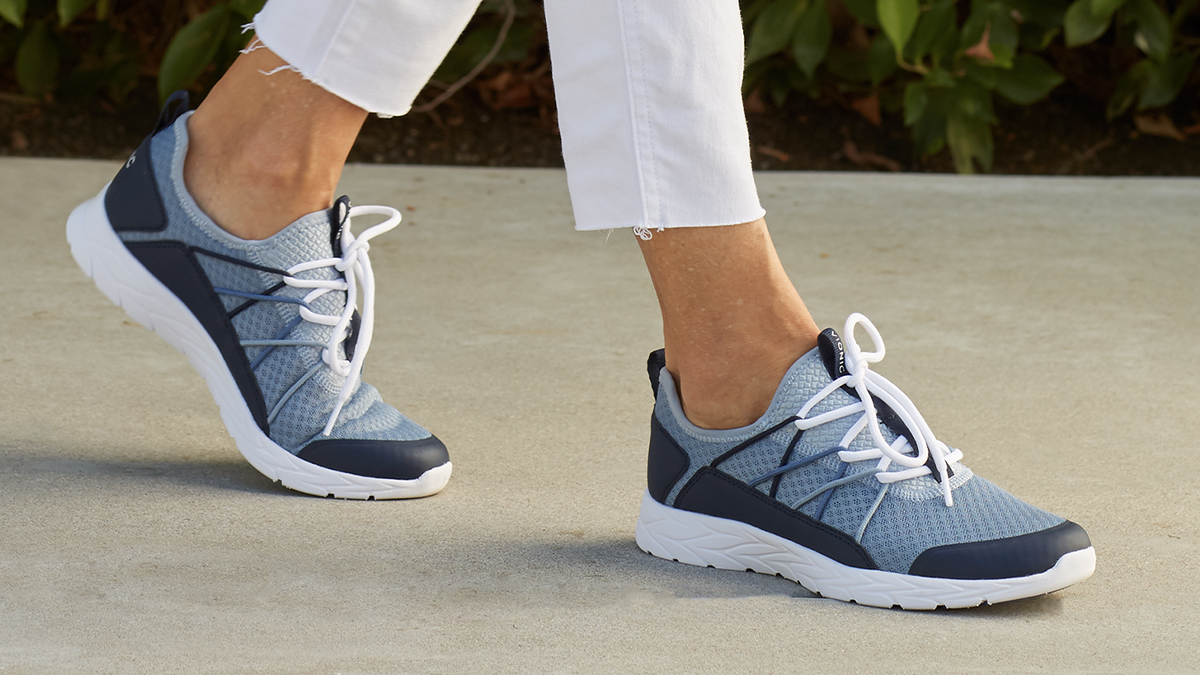
Not all tennis shoes are created equal for walking purposes. When shopping, you should focus on specific features to ensure optimal comfort and support. First, prioritize models with a reinforced toe cap. In tennis, this protects during lunges; in walking, it adds durability and protects your toes. Second, look for a secure, padded heel collar. This prevents heel slippage, a common cause of blisters during long walks. Third, examine the midsole. While it shouldn’t be rock-hard, it should feel supportive and resilient, not like you’re sinking into quicksand. Brands like K-Swiss and Saucony often produce tennis models with excellent walker-friendly support. Finally, consider the upper material. Breathable mesh is ideal for temperature regulation, while synthetic leather offers more structure and support. Remember, the goal is to find a shoe that feels like a secure, stable extension of your foot. Trying on shoes in the latter part of the day, when feet are naturally more swollen, is always a wise practice. Investing time in selecting the right pair is the final step in unlocking the full potential of using tennis shoes for walking.
Professional Insight and Smart Shopping
Bringing professional knowledge to your purchase decision is crucial. Podiatrists often recommend shoes with good arch support and a heel-to-toe drop of less than 10mm for natural gait, a specification many tennis shoes meet. Websites like “Verywell Fit” provide regular roundups and reviews of athletic shoes, often including tennis models suitable for cross-training and walking. To make this knowledge actionable, look for end-of-season sales on previous models. High-quality tennis shoes from major brands often see discounts of 30-50% when new colorways are released. Online retailers like Amazon, Eastbay, and direct brand outlets are excellent places to find these deals. For instance, a top-tier performance tennis shoe with a retail price of $130 might be found for under $80, offering exceptional value. This combination of informed selection and strategic shopping means you can acquire durable, supportive, and stylish footwear without overspending, making the switch to tennis shoes for walking both a health-conscious and economically smart decision.

The journey to finding perfect everyday walking shoes doesn’t have to lead you down the expected path. By looking beyond the traditional “walking shoe” label and considering the engineered excellence of modern tennis footwear, you open the door to a world of superior stability, enduring durability, and uncompromised style. The evidence from biomechanics, material science, and practical experience converges on a simple truth: a well-designed tennis shoe provides a foundation that respects and supports the natural mechanics of walking. It’s a choice that values long-term foot health and daily enjoyment over fleeting trends, proving that the best tool for the job is sometimes found where you least expect it.
