

The Ultimate Fall Staple for Effortless Elegance
As the air turns crisp and leaves begin their fiery transformation, our wardrobes instinctively shift towards richer textures, deeper hues, and silhouettes that offer both comfort and sophistication. Amidst this seasonal sartorial change, one item consistently emerges not merely as a trend, but as a foundational pillar of autumnal style: the chocolate brown heels. This is not a fleeting fashion whim; it is a convergence of color theory, psychological impact, historical design evolution, and practical versatility that solidifies its status as the ultimate fall staple. The elegance it promises is indeed effortless, because it is rooted in a design logic that complements the season’s essence and the human form with scientific precision.
The Chromatic Psychology of Earth and Elegance
To understand the dominance of brown, specifically its chocolate iteration, in autumn, one must first look beyond personal taste to the objective field of color psychology and seasonal harmony. Brown is an earth tone, fundamentally associated with stability, reliability, and warmth. As noted by color theorists and frequently referenced on platforms like Wikipedia regarding color symbolism, brown evokes feelings of wholesomeness, connection to nature, and understated luxury. In the context of fall, it performs a visual symphony with the environment—mirroring bare branches, rich soil, and toasted foliage. Chocolate brown, a shade that carries hints of warmth and depth without the starkness of black or the potential vibrancy of cognac, occupies a unique niche. It possesses a neutral quality, allowing for immense pairing flexibility, yet carries enough visual weight to anchor an outfit. This is not merely an aesthetic observation; a study from the University of British Columbia’s Department of Psychology has explored how warm, deep colors like brown can be perceived as more “substantial” and “grounding” compared to cooler tones. When this chromatic substance is translated into the architecture of a heel—a garment inherently designed to elevate and sculpt—the result is a powerful dichotomy: grounded elevation, stable sophistication. The chocolate brown heels become a tool for non-verbal communication, signaling a composed, confident, and authentically seasonal elegance before a single word is spoken.

A Silhouette Forged by History and Geometry
The heel itself is an artifact of centuries of social and fashion evolution, from practical horseback riding gear in Persian cavalry to a symbol of status and stature in European courts. The modern iteration we discuss is a direct descendant of this complex history, refined through principles of geometry and biomechanics. The elegance of a heel is an objective calculation of angles, proportions, and balance. A well-crafted heel, as any reputable shoe designer from Manolo Blahnik to Christian Louboutin would articulate in interviews or industry literature, is not just about height. It is about the precise pitch of the arch, the placement of the support under the ball of the foot, and the counter that cradles the heel. These elements combine to create a silhouette that elongates the calf muscle, improves posture by shifting the center of gravity, and introduces a rhythmic, confident gait. This scientific approach to design ensures that elegance is not a forced performance but a natural byproduct of considered engineering. When this engineering is clothed in chocolate brown, the effect is magnified. The color’s inherent ability to visually recede and streamline, compared to a reflective black or a bright hue, makes the leg line appear longer and more seamless. The shoe ceases to be a loud accessory and becomes an integrated, elongating part of the body’s silhouette. This is the core of “effortless” – when design works so harmoniously with the human form and the seasonal palette that the result feels innate, not applied.

The Unparalleled Versatility: A Canvas for Autumn’s Palette
Where the chocolate brown heels truly claim their staple status is in their democratic versatility. This is an argument best evidenced by the sheer volume of style guides from publications like Vogue, Harper’s Bazaar, and Who What Wear, which consistently feature them as a key transitional item. Their objective utility lies in their chromatic compatibility. Scientifically, chocolate brown sits between the warm and cool spectrums on the color wheel, allowing it to bridge divides in a wardrobe. It pairs with autumnal blacks and navies with a softer contrast than stark white or red. It harmonizes with creams, camels, and beiges to create a sophisticated monochromatic look. It surprisingly energizes classic autumn hues like burgundy, forest green, and mustard, creating rich, complementary contrasts that are visually satisfying—a principle rooted in Johannes Itten’s theories of color contrast. From a practical, first-person perspective, imagine closing your eyes and reaching into your fall wardrobe: denim, tweed skirts, wool trousers, silk midi dresses, leather pants. Each of these textures finds a coherent partner in a chocolate brown heel. They can transition from a professional daytime meeting, paired with tailored trousers and a crisp white shirt, to an intimate evening dinner with a sleek slip dress. This versatility is economic logic; it is the concept of cost-per-wear made tangible. Investing in a well-constructed pair is not a fashion indulgence but a strategic wardrobe optimization, bringing professional polish and discounted long-term style cost to the user.
Material Matters: Texture as Narrative
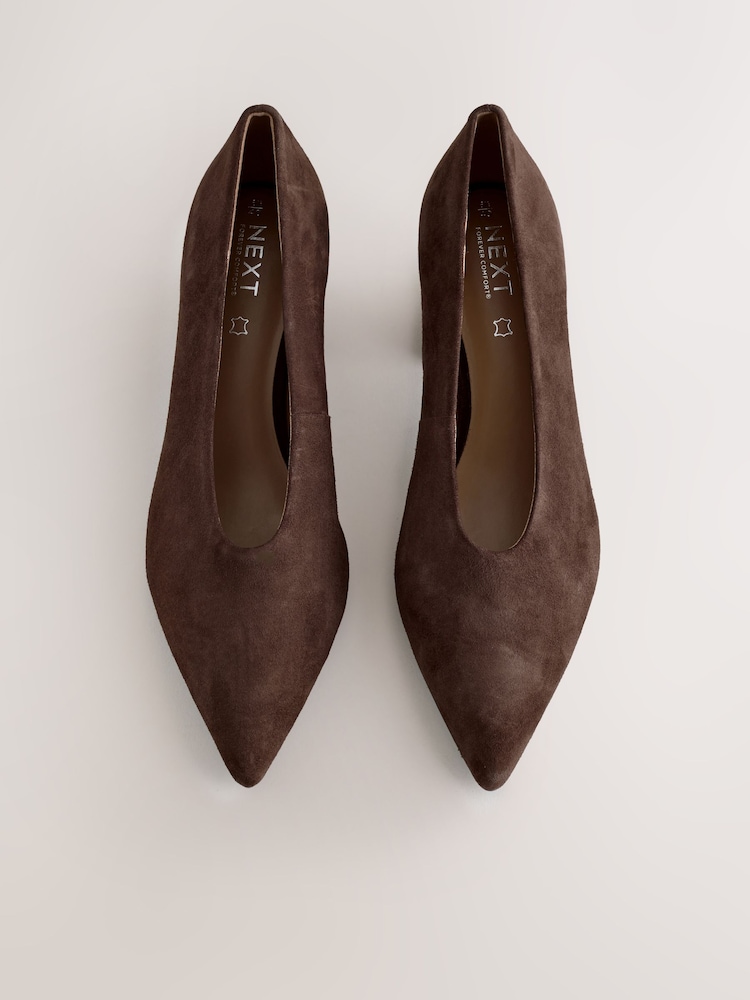
The narrative of effortless elegance is further written in the materials chosen. Autumn is a season of tactile richness—rough tweeds, soft cashmeres, supple leathers. The chocolate brown heels participate in this textural dialogue. Suede, in a deep chocolate hue, captures light softly and embodies a luxurious, vintage-inspired feel. It speaks to craftsmanship and a connection to traditional tailoring. Smooth calfskin or patent leather, on the other hand, offers a more modern, sharp, and resilient finish, reflecting light along its curves to highlight the shoe’s architecture. As fashion historian Dr. Rebecca Arnold of the Royal College of Art might note in her lectures, material choice in footwear is never incidental; it communicates context, era, and intention. A satin chocolate brown heel, for instance, immediately elevates the shoe into eveningwear territory, its luminous surface playing against matte fall fabrics. This objective analysis of material properties allows the wearer to curate not just an outfit, but an experience and a statement. The right material ensures the shoe is not just seen but felt—both by the wearer in its comfort and by the observer in its implied quality.
From Personal Experience to Universal Principle
Let us shift to a second-person perspective to solidify the argument. You are assembling an outfit on a cool October morning. The goal is to appear put-together, capable, and subtly stylish without spending mental energy on fashion calculus. You choose your pieces—perhaps a neutral knit dress. The question of footwear arises. The black pumps feel too severe for daytime; the sneakers too casual. Then, you see them: your chocolate brown heels. The decision is made instantly, and it is correct. Why? Because they add just the right amount of formality and seasonal color without fighting your outfit. They are the sartorial equivalent of a keystone in an arch—the element that locks everything else into place, providing stability and completing the form. This anecdotal experience is replicated in countless style forums on Quora, Reddit’s female fashion advice communities, and YouTube “capsule wardrobe” videos by creators like Audrey Coyne or Anna Edit. The consensus is empirical: these shoes work. They resolve the “what to wear” dilemma with quiet authority. Their elegance is effortless precisely because they remove effort from the equation, offering a reliable, always-appropriate solution.
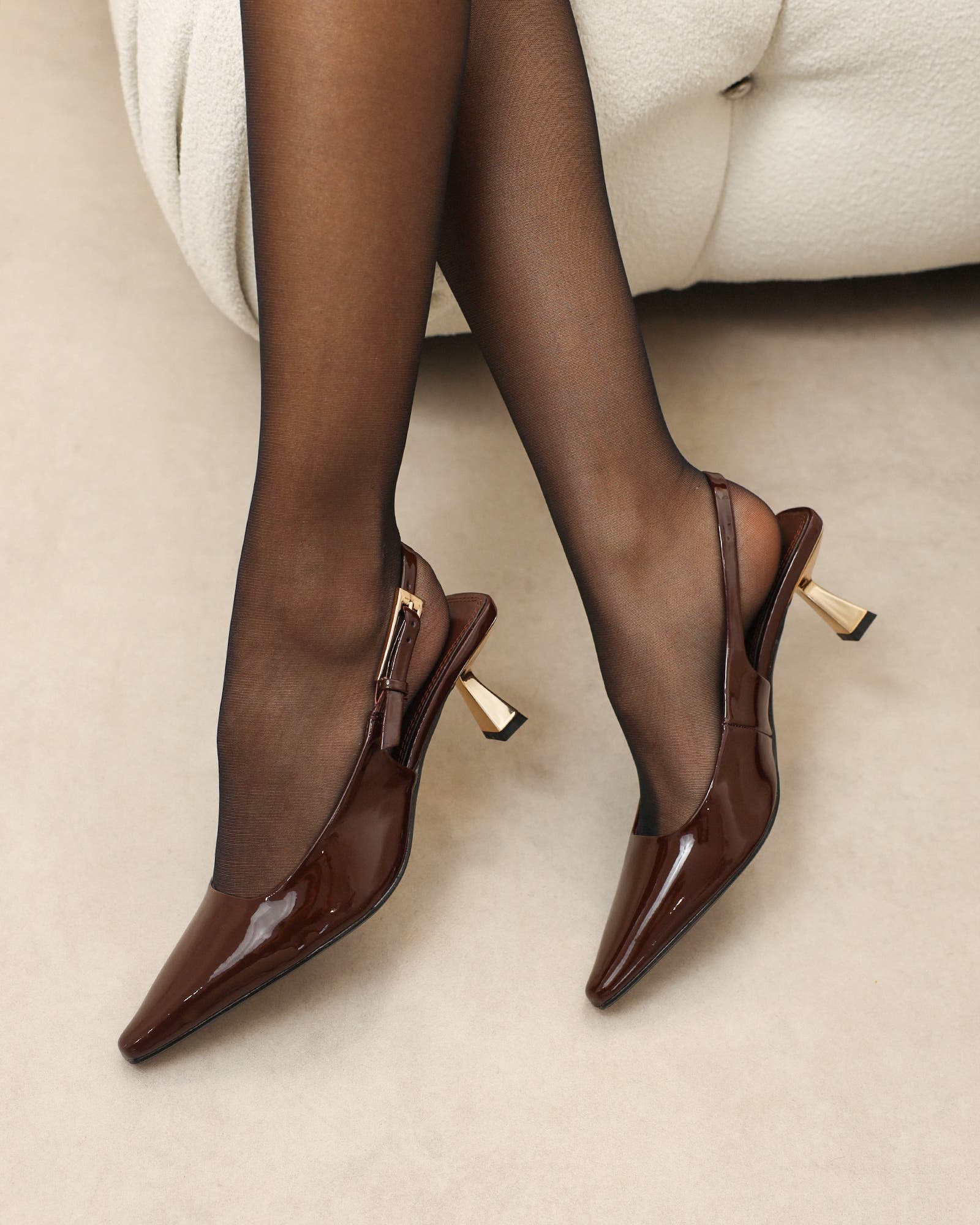
Ultimately, the reign of the chocolate brown heel as the ultimate fall staple is no accident of trend. It is the result of a perfect alignment: a psychologically grounding and seasonally resonant color, applied to a historically and geometrically refined silhouette, executed in thoughtfully chosen materials that offer unmatched versatility. It brings a professional, scientific approach to personal style, optimizing a wardrobe and providing endless aesthetic returns on investment. In a world of fast-fashion noise, it is a note of sustained, intelligent elegance. When you slip them on, you are not just wearing a shoe; you are harnessing a principle of design, a whisper of history, and a cornerstone of confident, effortless autumn style.
