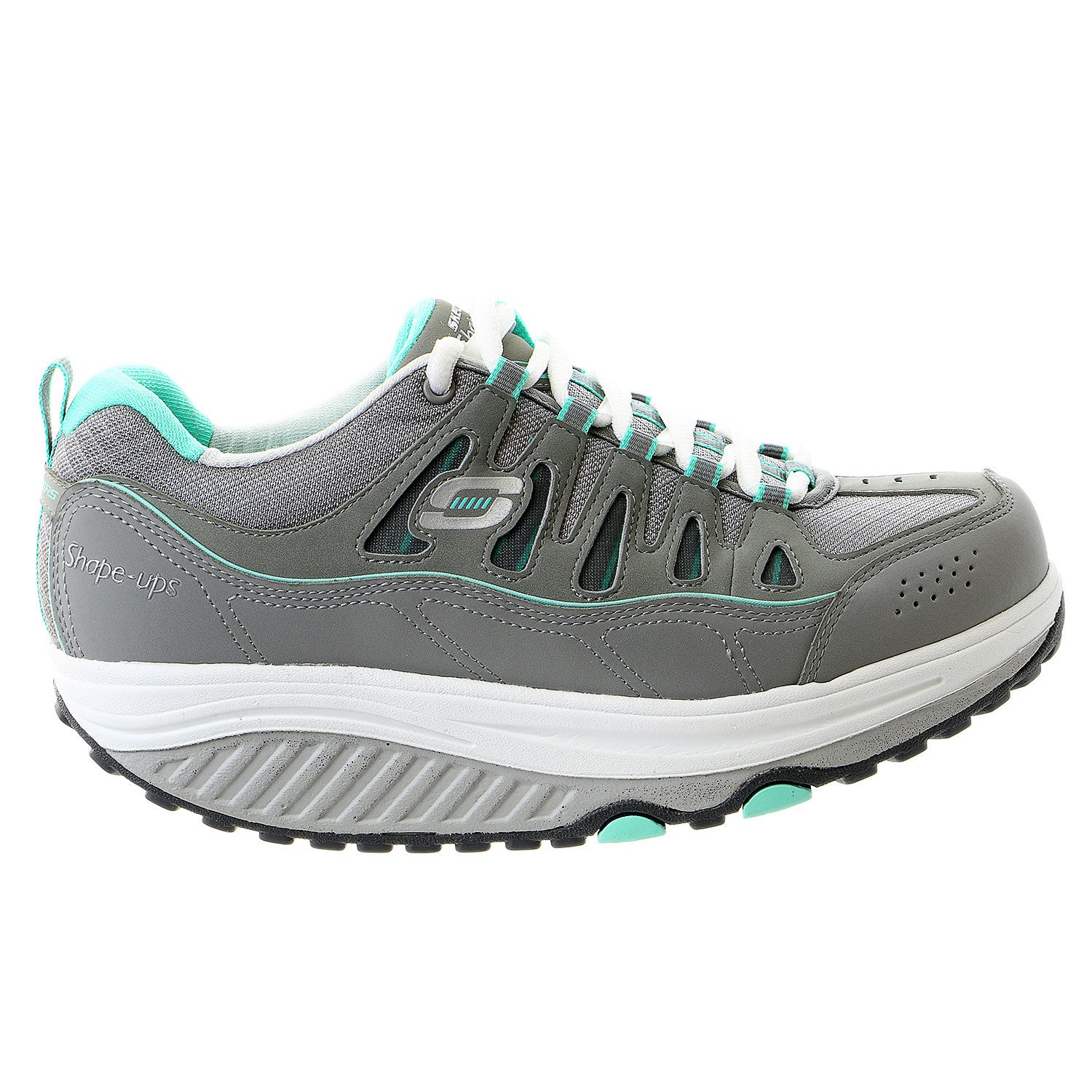
The Best Tennis Shoes for Everyday Walking Comfort
When we think of tennis shoes, our minds often jump to the swift movements on a court—the quick lateral cuts, the explosive sprints, and the sudden stops. However, the very design elements that make tennis shoes exceptional for sport also render them surprisingly suitable for everyday walking. The misconception that athletic footwear is solely for its intended sport is fading, as more people discover the unparalleled comfort and support that tennis shoes for walking can provide. This isn’t about repurposing in a haphazard way; it’s about recognizing a synergy between engineered support and daily ambulation. The right pair can transform your daily commute, your extended city tours, or your casual weekend strolls from a mundane task into a genuinely pleasant experience. Let’s delve into why a well-chosen tennis shoe might be the ultimate walking companion, dissecting the science, the design, and the real-world benefits that make this crossover not just possible, but preferable.
The Anatomical Synergy: Why Tennis Shoes and Walking Feet Align
The human foot is a complex marvel of biomechanics, comprising 26 bones, 33 joints, and over a hundred muscles, tendons, and ligaments. During walking, this structure undergoes a repetitive gait cycle: heel strike, foot flat, mid-stance, heel-off, and toe-off. Each phase places distinct demands on footwear, primarily requiring cushioning at impact, stability through mid-stance, and flexibility for propulsion. This is where the design philosophy of modern tennis shoes shines. Unlike running shoes, which are optimized for forward motion in a relatively straight line, tennis shoes are built for multi-directional stability. They feature reinforced lateral support to prevent ankle roll during side-to-side movements—a feature that translates beautifully to uneven urban sidewalks or cobblestone paths. The midsole cushioning, often utilizing technologies like Nike’s Zoom Air or ASICS’ GEL, is designed to absorb shock from constant jumping and pounding, which is equally effective at mitigating the repetitive impact of each heel strike during a walk. Furthermore, the outsole of a tennis shoe typically employs a durable, non-marking rubber with a herringbone or modified tread pattern. This provides exceptional grip on a variety of surfaces, from the polished concrete of a mall to the damp asphalt of a park trail, ensuring safety with every step. In essence, the tennis shoe is a holistic support system, a concept echoed by Dr. Casey Kerrigan, a former Harvard Medical School professor and gait biomechanics researcher, who has often emphasized that “shoes should work with your foot’s natural function, not against it.” The structured yet responsive nature of a quality tennis shoe does precisely that for the walker.

Decoding the Components: Cushioning, Stability, and Breathability
To understand why tennis shoes for walking excel, we must break down their core components. First, cushioning is paramount. Brands invest heavily in proprietary foam technologies. Adidas, for instance, uses Boost foam, which is renowned for its energy return and durability over long distances. A study from the Spaulding National Running Center, affiliated with Harvard University, has highlighted the importance of midsole material in reducing loading rates on joints. The cushioning in tennis shoes is often more substantial in the heel and forefoot than in many casual sneakers, directly addressing the primary impact zones of a walker’s gait. Second, stability features are integral. Many tennis shoes incorporate a technology called a “medial post”—a denser foam segment on the inner side of the midsole. This counters overpronation, where the foot rolls inward excessively, a common issue that can lead to plantar fasciitis or shin splints during prolonged walking. The sturdy heel counter (the back part of the shoe that cups your heel) further locks the foot in place, preventing slippage and providing a stable base. Third, breathability cannot be overlooked. Walking, especially for extended periods, generates heat and moisture. Modern tennis uppers frequently utilize engineered mesh, a lightweight, ventilated material that allows air to circulate, keeping feet cool and dry. This combination of plush cushioning, proactive stability, and climate control creates a microenvironment for your foot that is both protective and liberating, making the shoe disappear underfoot and letting you focus on the journey itself.
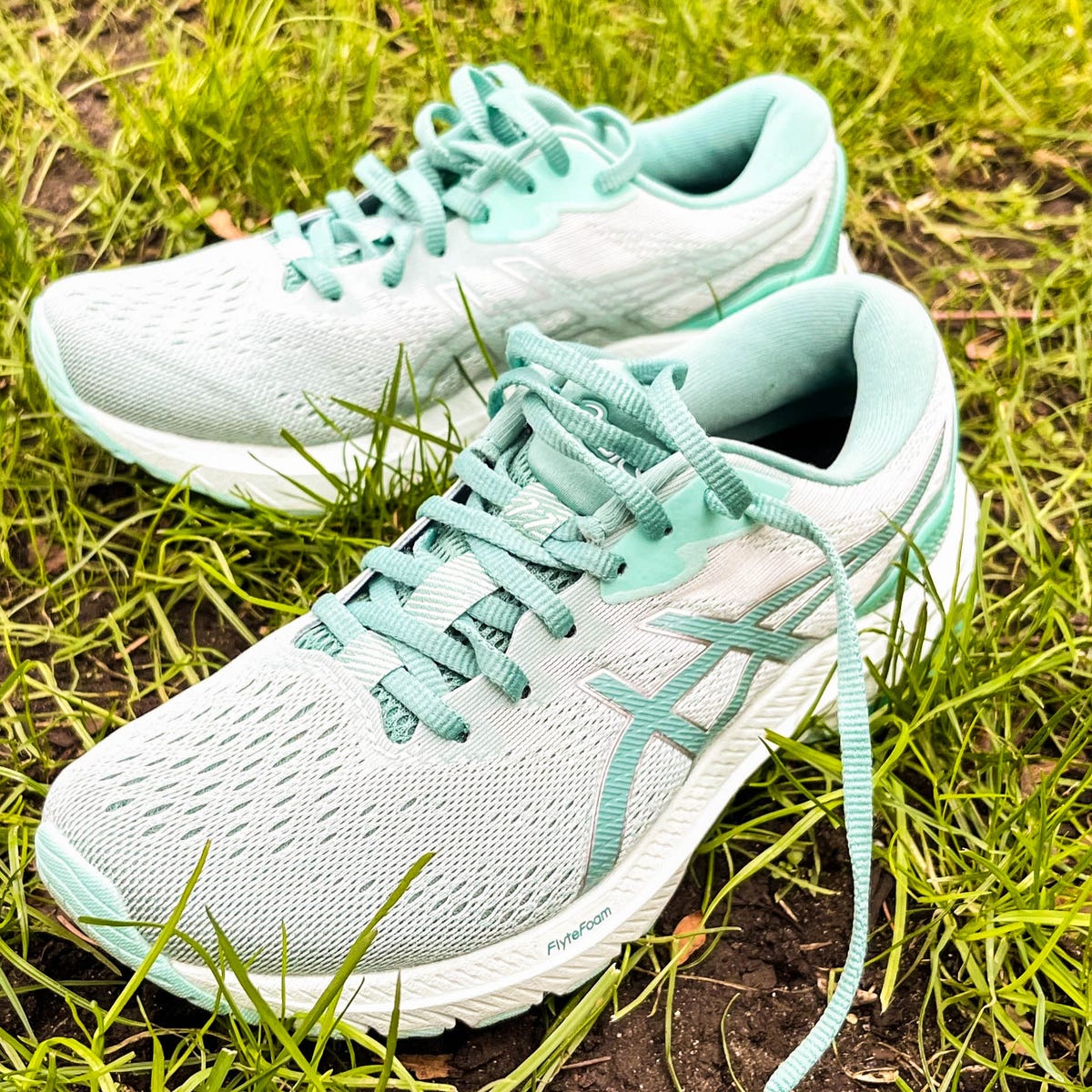
Beyond the Court: Real-World Testimonials and Expert Validations
The theory is solid, but does it hold up in practice? Absolutely. The transition of tennis shoes into everyday wear is supported by a chorus of voices from diverse fields. On platforms like Quora and Reddit’s r/walking or r/Sneakers, countless users share their experiences of switching from generic fashion sneakers to performance-oriented tennis models, reporting dramatic reductions in foot fatigue and knee pain. Celebrity trainer Harley Pasternak, whose client list includes famous names from Hollywood, has frequently advocated for supportive athletic shoes for daily wear, noting that “your feet are your foundation; investing in them pays dividends for your entire posture and energy levels.” Furthermore, authoritative reviews from websites like Runner’s World (which also rigorously tests walking shoes) and CNET often evaluate tennis shoes on comfort metrics relevant to walkers, such as long-distance comfort and outsole durability. Even in popular culture, the trend is visible. In the book Born to Walk by James Earls, the author explores the profound health benefits of walking and implicitly underscores the importance of proper footwear. The narrative is clear: the informed choice for sustained, comfortable walking is increasingly leaning towards shoes built with athletic integrity. When you choose a dedicated pair of tennis shoes for walking, you are not making a quirky style choice; you are aligning yourself with a growing body of practical evidence and expert opinion that prioritizes biomechanical health.
A Curated Selection: Marrying Professional Knowledge with Value
Knowing what to look for is half the battle. The other half is finding the right model that balances performance with value. Here, professional knowledge guides us toward specific technologies and brands known for their walking-comfort features, often available at discounted prices through seasonal sales or outlet stores. For instance, the ASICS Gel-Resolution series is celebrated for its DuoMax support system and Guidance Line technology, which promotes a more efficient gait cycle—a boon for walkers. Similarly, the New Balance Fresh Foam Lav offers plush cushioning in a surprisingly lightweight package. For those requiring maximum stability, the Nike Air Zoom Vapor Cage is a fortress for the foot. The key is to identify previous seasons’ models; performance differences between model years are often minimal, but price drops can be significant. A shoe like the Adidas Barricade from two seasons ago will still offer phenomenal support and durability at a fraction of the cost of the latest release. This approach brings professional-grade foot care into an accessible price range. Remember, the goal is not to wear a shoe designed for Roger Federer’s Wimbledon finals, but to benefit from the same engineering principles applied to a consumer model built for durability and all-day comfort. Investing in such a pair of tennis shoes for walking is an investment in your mobility and long-term joint health.

The Final Step: Making an Informed Choice for Your Path
The journey to finding the perfect walking shoe ends with you. It begins with acknowledging that your daily steps deserve the same consideration as an athlete’s training. The evidence from biomechanics, the testimonials from everyday users and experts, and the very design language of the shoes themselves all point in one direction: a well-constructed tennis shoe is a formidable tool for the walker. Look for the hallmarks we’ve discussed: responsive yet durable cushioning, a supportive heel and midfoot, a flexible forefoot, and a grippy, durable outsole. Try them on in the afternoon when your feet are naturally slightly swollen, and wear the socks you intend to walk in. Walk around the store, feeling for any pinching or slippage. The right pair should feel secure and comfortable from the first step, with no “break-in” period required. Whether you’re navigating city streets, exploring nature trails, or simply moving through your daily routine, the right footwear transforms the experience. It’s not merely about avoiding discomfort; it’s about enabling a sense of ease, vitality, and endurance. So, step away from the under-supported and the purely fashionable. Embrace the engineered comfort and resilient support that only a proper pair of tennis shoes for walking can provide. Your feet, your joints, and your future self will thank you for every comfortable mile.