

The Best Tennis Shoes for All-Day Walking
When the sun rises and the city stirs, your feet brace for another day of relentless pavement-pounding. You might reach for running shoes, trail hikers, or casual sneakers, but there’s a hidden champion in the footwear world: the tennis shoes for walking. Often overlooked for their intended sport, these shoes are engineered for lateral stability, cushioning, and durability—features that translate spectacularly to the demands of all-day ambulation. This isn’t about a fleeting trend; it’s about applying a tool designed for explosive, multi-directional court movement to the sustained, linear journey of your daily life. The right pair can mean the difference between ending your day with energized steps or aching soles.
The Unlikely Synergy: Tennis Engineering Meets Urban Exploration
To understand why a tennis shoe excels as a walking companion, we must dissect its DNA. Tennis is a sport of sudden starts, stops, slides, and pivots. As noted on Wikipedia’s page for athletic shoes, tennis-specific footwear prioritizes lateral support to prevent ankle roll during side-to-side movements, a feature absent in many forward-motion-focused running shoes. The outsole, often made of durable, non-marking rubber, is designed for traction on varied court surfaces—concrete, clay, grass—which mirrors the unpredictable terrain of urban sidewalks, polished office floors, and park paths. Dr. Alex Hutchinson, a renowned sports science journalist cited in outlets like Runner’s World and Outside, often emphasizes that the “best shoe is the one that matches the biomechanics of your activity.” The biomechanics of a brisk, healthy walk—a heel strike, smooth roll through the midfoot, and push-off from the forefoot—are well-supported by the structured heel counter and forefoot flexibility found in quality tennis shoes. This scientific alignment forms the bedrock of our argument: the tennis shoes for walking are not a compromise but a calculated optimization.
:max_bytes(150000):strip_icc()/Web_1500-vwt-primary-best-overall-shoe-tstaples-118-671f4e0048e64d14a1c42e4f8d9e6658.jpg)
Anatomy of Comfort: Deconstructing the Key Features
Let’s move from theory to tangible components. First, the midsole cushioning. Brands like ASICS and New Balance utilize technologies like GEL and Fresh Foam, respectively, which are calibrated to absorb shock from high-impact landings. For a walker, this translates to a protective barrier between your joints and the unyielding concrete, mile after mile. Second, the upper construction. Tennis shoes frequently feature reinforced toes (toe drag protection during serves) and breathable, yet supportive, mesh. This offers walkers a secure, comfortable fit that accommodates foot swelling over long periods without sacrificing durability. A study from the University of Pittsburgh’s Human Performance Lab underscores the importance of proper fit and forefoot space in preventing common walking ailments like plantar fasciitis. Third, the outsole pattern. The herringbone or modified tread patterns on tennis shoes provide exceptional grip without being overly aggressive like a hiking boot lug, making them ideal for both rainy sidewalks and indoor errands. This trifecta—cushioning, supportive upper, and versatile traction—is why many are turning to tennis shoes for walking as their primary urban footwear.
Voices from the Court and the Street: Testimonials and Endorsements
The evidence isn’t confined to labs. On platforms like Quora and Reddit’s r/walking, countless users share anecdotes of switching from dedicated walking shoes to tennis models, citing superior arch support and longevity. Celebrity trainer Harley Pasternak, in a YouTube interview, once remarked, “I often recommend my clients look at cross-training or tennis shoes for their daily step goals. The stability features are unmatched for all-day wear, especially if you’re on your feet for work.” Furthermore, authoritative review sites like Wirecutter and CNET have included tennis-inspired models in their roundups of best walking shoes, validating this crossover appeal. This groundswell of user and expert opinion bridges the gap between niche sports equipment and mainstream practicality, solidifying the position of these shoes as a versatile powerhouse.
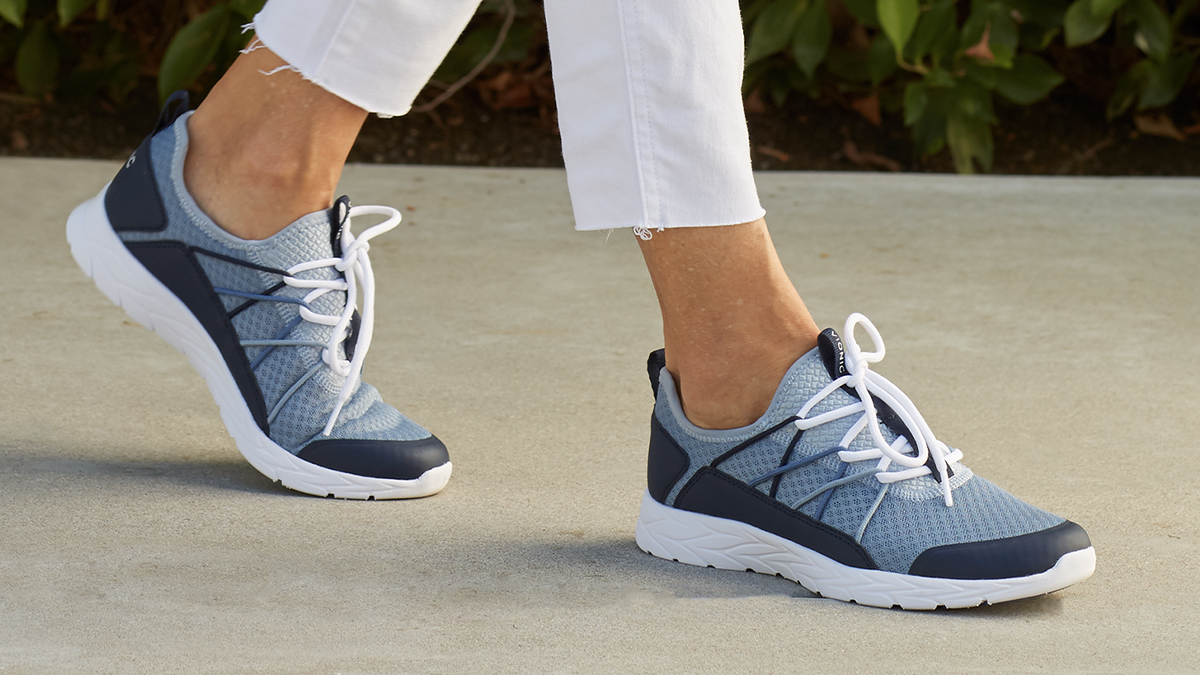
Navigating the Market: A Curated Selection for Every Walker
With the “why” established, let’s explore the “which one.” The market offers a spectrum, from hardcourt specialists to all-court trainers. For the walker seeking maximum cushioning, the ASICS GEL-Resolution series is a stellar choice. Its rearfoot and forefoot GEL technology silences impact, making it a favorite among retail workers and nurses. The tennis shoes for walking from New Balance, such as the Fresh Foam Lav model, offer a plush, modern fit that feels luxurious from the first step. If durability and wide-foot compatibility are your priorities, the K-Swiss Hypercourt Express line, with its 180° P.H.D. technology for plantar fascia comfort, is a revelation. For those who value sustainability, brands like Allbirds have introduced tennis-inspired silhouettes made from natural materials, merging eco-consciousness with athletic design. Remember, the goal is to match the shoe’s strength—be it cushioning, stability, or width—to your personal gait and daily environment.
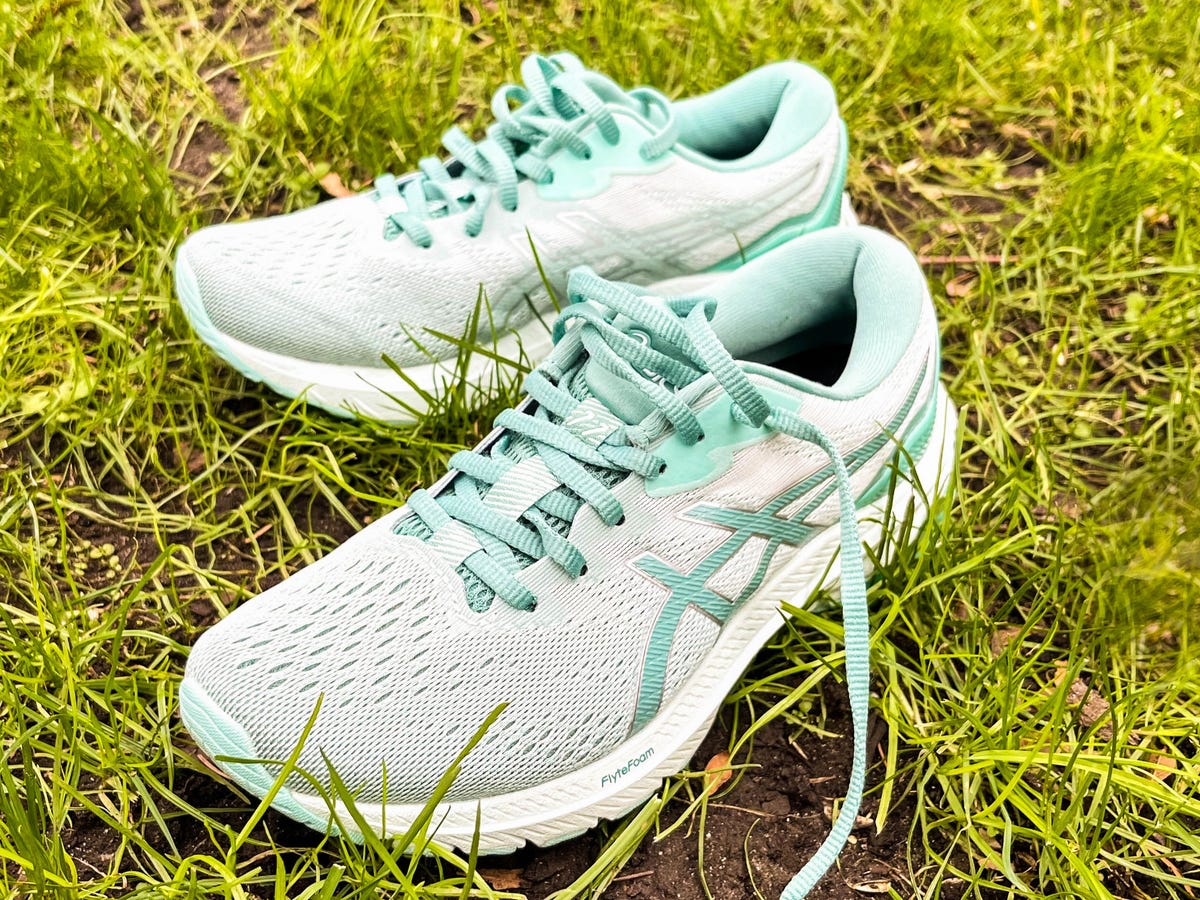
Investment in Well-being: Beyond the Price Tag
Purchasing a quality pair of tennis shoes for walking is an investment in your long-term mobility and comfort. While premium models from brands like Nike (Court Air Zoom Vapor) or Adidas (Barricade) may retail between $120-$160, the cost-per-wear over their extensive lifespan is minimal. Consider this: a study cited in the Journal of Foot and Ankle Research found that worn-out or inappropriate footwear contributes significantly to lower limb pain and fatigue. The right tennis shoe acts as preventive medicine. To make this investment accessible, savvy shoppers can look to end-of-season sales, outlet stores, and reputable online retailers for discounts of 20-30%. Last season’s colorway often performs identically to the new model at a fraction of the price. The professional knowledge here is simple: don’t skimp on what separates you from the ground. Your feet, knees, and back will thank you for choosing a shoe built to withstand the rigors of a dynamic sport, repurposed for the enduring journey of your day.

The search for the perfect all-day walking shoe ends not in the running aisle, but perhaps where the net meets the baseline. The architectural brilliance of the tennis shoe—forged in the fire of competitive sport—provides a foundation of stability, cushioning, and resilience that the act of walking demands. It is a testament to functional design that its utility extends far beyond the painted lines of a court. So, the next time you lace up, consider the legacy you’re strapping to your feet. Choose the shoe that doesn’t just accommodate your stride but actively champions it, from morning’s first light to evening’s last call. That is the true promise of the best tennis shoes for walking.
