

Step Into Style: The Ultimate Walking Shoe Guide for Effortless Comfort and Chic
Forget the notion that comfort and style are mutually exclusive realms. The modern pursuit of wellness, urban exploration, and simply navigating daily life demands footwear that doesn’t force a choice. The right walking shoe is not merely a piece of apparel; it is a foundational tool for living well. It’s the difference between ending your day energized or exhausted, between feeling confident and feeling compromised. This guide is dedicated to dismantling the old stereotypes and providing you with the knowledge to select a shoe that offers unparalleled comfort while aligning with your personal aesthetic. We’ll delve into the science of support, the architecture of style, and the practical considerations that transform a simple purchase into an investment in your daily well-being.
The Anatomy of Comfort: Beyond Soft Soles
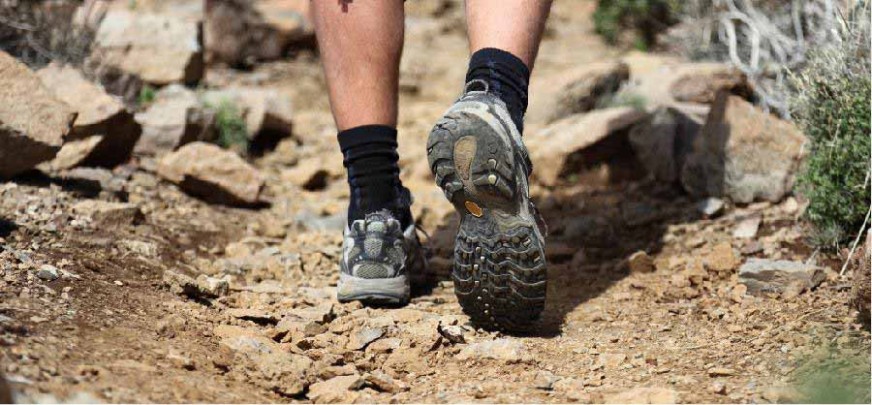
Comfort in a walking shoe is a complex engineering feat, not just a marketing term. It begins with understanding foot biomechanics. As noted by researchers at the University of Virginia’s Department of Kinesiology, the human foot is a marvel of natural engineering, comprising 26 bones, 33 joints, and over 100 muscles, tendons, and ligaments. A proper shoe must respect this complexity. The first critical component is the midsole, often made from EVA (ethylene-vinyl acetate) foam or newer compounds like polyurethane or proprietary blends from brands like Brooks (DNA LOFT) or HOKA (CMEVA). This layer is responsible for cushioning, attenuating the ground reaction forces that travel up your skeleton with each step. However, cushioning alone is insufficient without stability. Overpronation—the inward rolling of the foot—or supination—the outward rolling—can lead to a cascade of issues from plantar fasciitis to knee pain. This is where the medial post or dual-density midsole comes in, a firmer section of foam on the inner side to control excessive motion. The insole or sockliner is your shoe’s interior interface; a quality, often removable, ortholite or memory foam insole provides immediate step-in comfort and can be replaced with custom orthotics if needed. Finally, the outsole’s rubber compound and tread pattern determine durability and traction. A blown rubber forefoot offers lightweight cushioning, while carbon rubber in the heel provides durability. The geometry of the sole, such as a rocker design, can promote a smoother heel-to-toe transition, reducing strain on the calf and Achilles tendon. As celebrity trainer Harley Pasternak often emphasizes on his social platforms, “The foundation of any fitness regimen, especially walking, is what you put on your feet. It’s not an accessory; it’s equipment.”
Material Matters: Breathability and Structure
The upper of the shoe is where comfort meets climate control. Modern walking shoes utilize engineered meshes, knit fabrics, and synthetic leathers to create a balance of breathability, support, and lightweight structure. A well-ventilated mesh upper, like those used in many ASICS or New Balance models, allows heat and moisture to escape, preventing the hot, damp environment where blisters and fungal infections thrive. Seamless construction or strategically placed overlays minimize friction points, the primary cause of blisters. The heel counter—the firm cup at the back of the shoe—must be rigid enough to hold the heel in place, preventing slippage that can lead to instability and chafing. The toe box is another critical area; it must provide adequate volume and width for your toes to splay naturally upon foot strike. Constriction here can lead to neuromas, bunions, and hammertoes over time. Think of the upper as the shoe’s exoskeleton: it must be flexible where your foot flexes, supportive where your foot needs guidance, and invisible in its performance. As highlighted in resources like the American Podiatric Medical Association’s footwear guides, proper fit in the upper is as crucial as the technology underfoot.
The Chic Revolution: Walking Shoes as Fashion Statements
The era of the purely utilitarian, clunky walking shoe is over. Designers and athletic brands have undergone a seismic shift, recognizing that consumers refuse to sacrifice aesthetics for function. This fusion is evident in the rise of “athleisure” and the adoption of performance sneakers by high-fashion houses. The chic walking shoe operates on several design principles. First is silhouette: sleek, low-profile designs that avoid excessive bulk. Brands like Cole Haan, with its Grand series, and certain models from ECCO and Allbirds have mastered this, creating shoes that transition seamlessly from a morning walk to a casual office setting or a weekend brunch. Second is color palette. While performance brights remain, there is a vast array of sophisticated neutrals—olive, taupe, navy, monochromatic black and white—that integrate effortlessly into a wardrobe. Texture plays a role too; the use of suede, nubuck, or premium knits alongside technical mesh elevates the visual interest. The influence is bidirectional. As noted in Vogue’s coverage of street style, the technical runner from brands like Salomon or HOKA has been co-opted by fashion insiders for its bold, architectural lines, proving that advanced performance features can themselves be the source of aesthetic appeal. The message is clear: your footwear can express your personal style while actively supporting your physical journey.
From Trail to Town: Versatility in Design
True style in a walking context is also about versatility. A shoe that can handle a gravel path in a park and then look appropriate on city pavement embodies practical chic. This demands a hybrid approach to design. The outsole may have a subtle, multi-directional lug pattern for grip on varied surfaces, but rendered in a dark, non-aggressive rubber that doesn’t scream “hiking boot.” The upper might feature water-resistant treatments for unexpected puddles, but in a finish that appears matte and sophisticated rather than shiny and technical. This philosophy is championed by brands like Merrell and Arc’teryx in their urban-oriented lines. It’s the concept of “one shoe, many worlds.” As author and urban explorer Erling Kagge writes in his book Walking: One Step at a Time, “The right gear removes barriers between you and the experience. It should invite movement, not complicate it.” A versatile, stylish walking shoe does exactly that—it removes the barrier of needing to change shoes, inviting you to extend your walk, explore a new neighborhood, or simply stand comfortably for longer, all while looking impeccably put-together.
:max_bytes(150000):strip_icc()/vwt-asics-womens-gel-pulse-16-jinfeng-chen-21-712f0f140e834b84b3a8dcf0bf154771.jpeg)
The Professional’s Lens: Fitting Science and Smart Shopping
Armed with knowledge of anatomy and aesthetics, the final step is application. Getting professionally fitted, especially at a specialty running or walking store, is an invaluable investment. Experts use tools like the Brannock Device and observe your gait, often on a treadmill, to analyze your stride and pressure points. They can identify nuances you might miss, such as a need for a wider platform or a specific type of arch support. Remember, shoe size is not static; feet spread with age and weight changes. Now, let’s talk value. Professional-grade comfort and style come at a cost, but strategic shopping unlocks it. Direct-to-consumer brands like Allbirds or Rothy’s often offer competitive pricing by cutting out retail middlemen. Major athletic brands frequently have online “outlet” sections or last-season models that feature the same core technologies at significant discounts—sometimes 30-50% off. Subscription services like expert-curated newsletters or following deal aggregators can alert you to flash sales. Consider the cost-per-wear: a $150 pair of shoes worn nearly daily for a year is a far better investment than two $80 pairs that cause discomfort and need replacing in six months. The goal is to bring authoritative, professional knowledge on fit and technology directly to you, coupled with the savvy to acquire it at the most advantageous price point, making superior footwear an accessible reality.
“You cannot buy happiness, but you can buy a great pair of walking shoes, and that’s pretty close.” This sentiment, often echoed by wellness influencers and everyday enthusiasts alike on platforms like Twitter and Instagram, captures the transformative power of the right footwear. It’s an investment that pays dividends in physical well-being and daily joy.
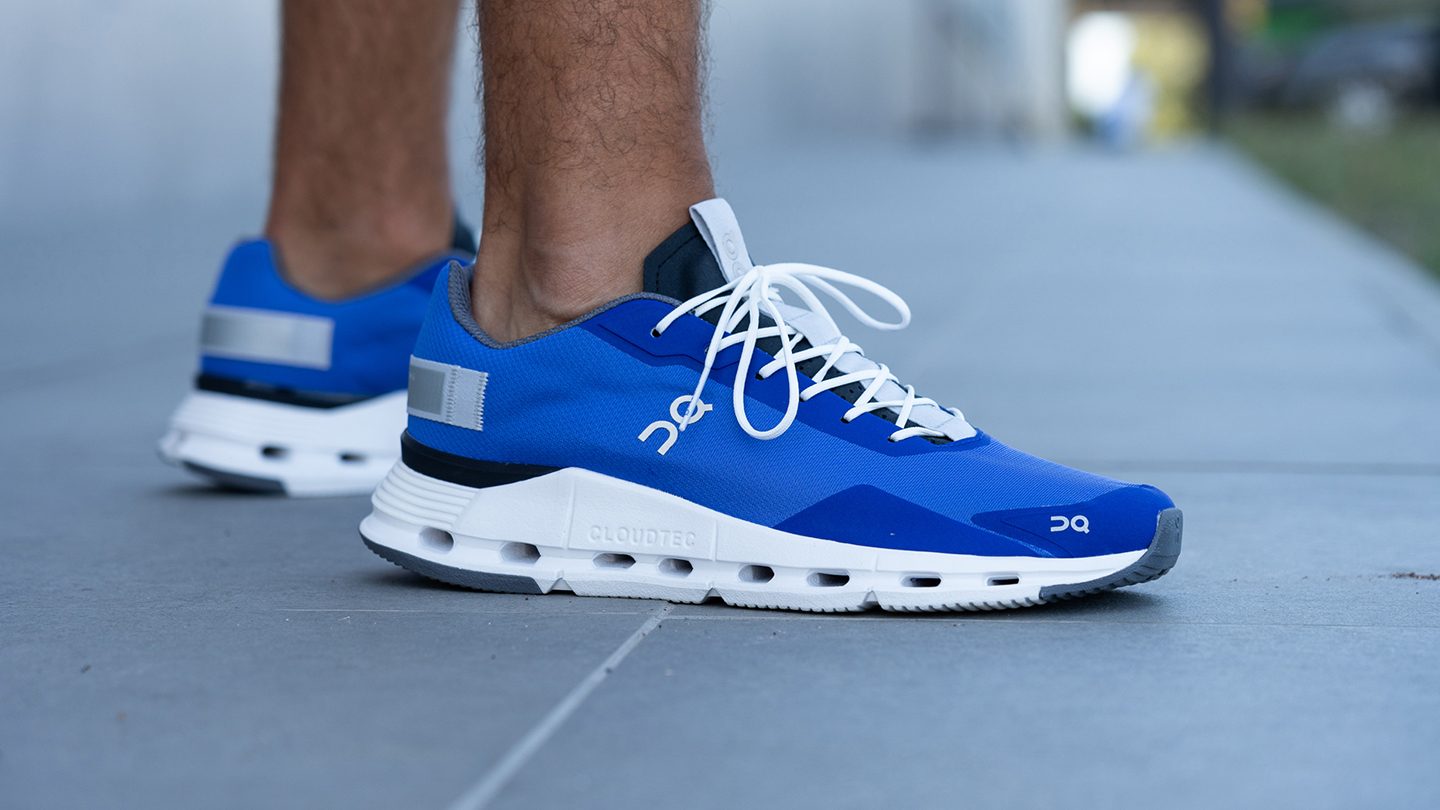
The journey to finding your perfect walking shoe is a fusion of self-knowledge and technical understanding. It’s about recognizing that your feet are the foundation of your mobility and treating them with the respect they deserve, without asking you to abandon your sense of style. By prioritizing biomechanical support, embracing the sophisticated designs now available, and shopping with informed intention, you equip yourself for more than just walking. You step into a mode of living that is actively comfortable, inherently stylish, and effortlessly engaged with the world around you. The path forward is best traveled in shoes designed for the journey.
