

Effortless Style for Every Occasion
Style is not about following every fleeting trend; it’s about cultivating a personal aesthetic that feels authentic and adaptable. The true mark of sartorial intelligence is the ability to appear polished and appropriate, whether you’re heading to a board meeting, a casual brunch, or a formal gala, with what seems like minimal effort. This “effortless” quality is often the result of thoughtful curation, an understanding of foundational principles, and strategic investments in versatile pieces. It’s the art of looking put-together without appearing as though you tried too hard. In this exploration, we’ll dissect the components of this adaptable elegance, moving beyond subjective opinion to ground our discussion in design theory, psychological impact, and the wisdom of style authorities. We’ll see how a single, powerful item—like a pair of bow red heels—can epitomize this very concept, serving as a versatile anchor in a dynamic wardrobe.
The Architecture of Effortless Dressing
To deconstruct effortless style, we must first move past its superficial interpretation. It is not synonymous with “careless” or “thrown-on.” Instead, it aligns closely with the architectural principle of “less is more,” famously advocated by modernist Ludwig Mies van der Rohe. In fashion, this translates to a focus on silhouette, fabric, and fit over excessive ornamentation. Tim Gunn, the renowned fashion consultant and former co-host of Project Runway, consistently emphasizes the paramount importance of fit, stating that clothes should “honor your body.” A well-fitting garment in a quality fabric—be it crisp cotton, fluid silk, or structured wool—instantly elevates an outfit, creating a clean canvas. This foundation is what allows for effortless mixing and matching. Scientific studies on color psychology, such as those referenced by the Pantone Color Institute, further inform this approach. Understanding which hues complement your natural coloring and which evoke desired responses (like the confidence associated with red) allows for intentional, rather than haphazard, choices. The goal is a wardrobe of interchangeable, high-quality basics that serve as a reliable toolkit, reducing daily decision fatigue and ensuring you always have a coherent starting point.
The Strategic Statement Piece: Beyond the Basic
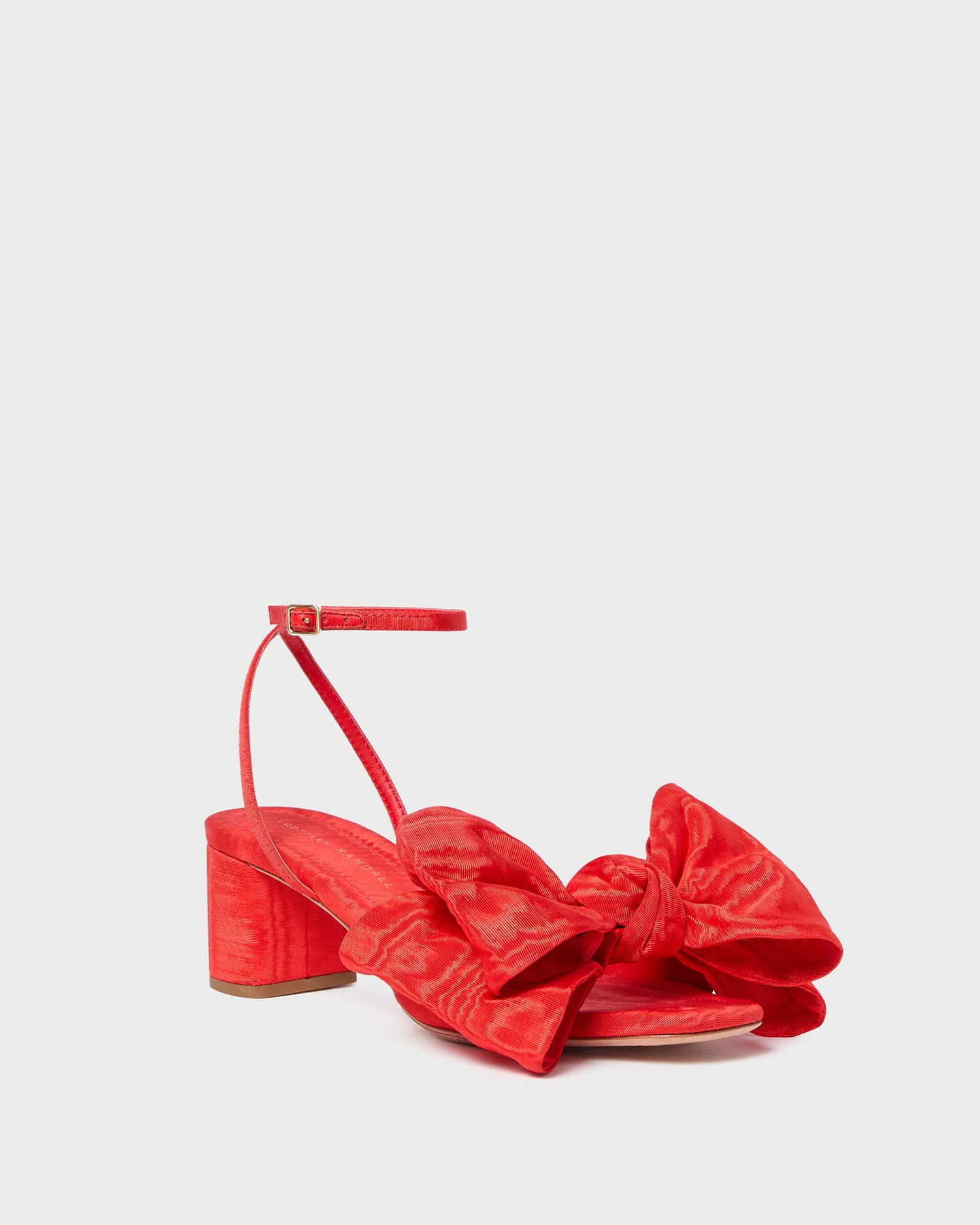
While a foundation of neutrals is crucial, effortless style is elevated from uniform to personal expression through the strategic use of statement pieces. This is where personality and occasion-specific flair enter the equation. A statement piece is not necessarily loud; it is distinctive. It could be a uniquely textured blazer, a piece of heirloom jewelry, or a shoe with deliberate design details. The key is its ability to transform a simple ensemble. Consider the analysis of costume design in film: Patricia Field’s work on The Devil Wears Prada wasn’t just about lavish clothes; it was about using specific items, like a particular belt or pair of boots, to signal character evolution and power. In your own wardrobe, these pieces act as stylistic punctuation. They are the elements that prompt others to think, “She has great style,” rather than, “She’s wearing a nice outfit.” Investing in one extraordinary item per season—guided by your personal color analysis and lifestyle needs—is a more effective strategy than accumulating numerous trend-driven pieces. This approach not only refines your aesthetic but also promotes sustainable consumption by prioritizing longevity and emotional resonance over quantity.
The Psychology of Color and Form: Red as a Case Study
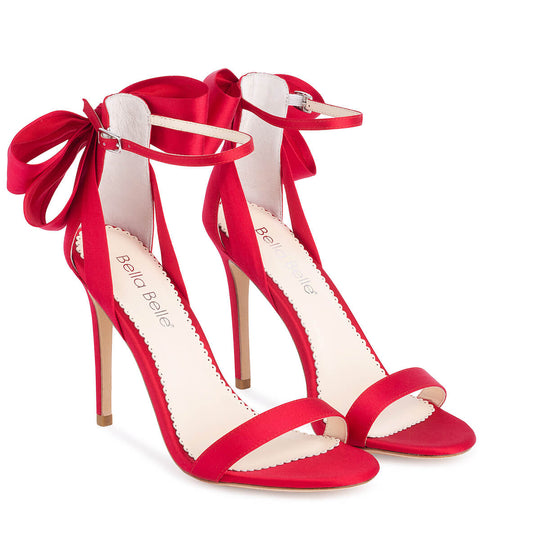
Delving deeper into the statement piece, let’s objectively examine the power of the color red. Research in color psychology, frequently cited in marketing and design literature, consistently identifies red as a color of high arousal, associated with energy, passion, and dominance. A seminal study published in the Journal of Experimental Psychology found that wearing red can even influence competitive outcomes, a phenomenon dubbed the “red effect.” When this powerful color is combined with a classic feminine form like a high heel—a silhouette historically analyzed by scholars like Elizabeth Semmelhack in Heights of Fashion for its complex symbolism of power and allure—and then punctuated with a detail like a bow, you have a potent sartorial tool. The bow red heels are not just shoes; they are a wearable psychological statement. The bow adds a touch of whimsy or romance, softening the assertive messages of the color and the heel’s stature, thus creating a multifaceted item suitable for a range of occasions. This combination exemplifies how understanding the science and symbolism behind design elements allows you to wield them with intention.
From Day to Night: The Pivot Point of Versatility
The ultimate test of an item’s value in an effortless wardrobe is its versatility. Can it transition seamlessly from a professional daytime setting to an evening social event? This capability is the hallmark of intelligent design. The concept of “capsule wardrobes,” popularized by stylists like Susie Faux and later Donna Karan with her “Seven Easy Pieces,” is built on this principle of versatile layering and transformation. A pair of bow red heels masterfully performs this pivot. In a daytime context, paired with tailored, dark-wash jeans and a sophisticated cream silk blouse, the heels inject a controlled dose of confidence and personality into a professional-casual look. They signal attention to detail without being overwhelming. For evening, the same shoes paired with a simple, elegant black slip dress instantly create a look that is both polished and captivating. The bow red heels become the focal point, eliminating the need for excessive accessories. This duality is economically and stylistically efficient. As fashion economist Dr. Serap A. Kayatekin might note, the cost-per-wear of such a versatile item decreases significantly, making it a prudent investment. The goal is to build a collection of items that possess this chameleon-like quality, reducing packing stress for travel and simplifying daily choices.

Cultivating Your Effortless Wardrobe: A Practical Framework
Understanding the theory is one thing; implementing it is another. The journey toward effortless style is iterative and personal. Begin with an audit of your current wardrobe, removing items that don’t fit the “honor your body” principle or that haven’t been worn in over a year. This creates mental and physical space. Next, identify your lifestyle’s core uniform—perhaps it’s tailored trousers and blouses, or dresses and cardigans. Invest in the best quality you can afford for these foundational items. Then, introduce strategic accents. This is where you might seek out a signature piece like the bow red heels. When shopping, ask: “Does this work with at least three other items I own?” and “Does it make me feel authentically empowered?” Remember the words of the late, great designer Karl Lagerfeld, who once remarked, “Sweatpants are a sign of defeat. You lost control of your life so you bought some sweatpants.” While extreme, his sentiment underscores the link between personal presentation and mindset. Dressing with intention is a form of self-respect. Finally, maintain your pieces. Professional shoe repair, proper garment storage, and careful laundering extend the life of your investments, ensuring your effortless style is sustainable in every sense of the word.
The Final Touch: Confidence as the Ultimate Accessory
All the theory, all the perfect pieces, culminate in one indispensable element: the wearer’s confidence. This is not a cliché but a observable social phenomenon. Research from the Kellogg School of Management at Northwestern University on “enclothed cognition” demonstrates that the symbolic meaning of clothing and the physical experience of wearing it can significantly alter the wearer’s psychological processes. In simpler terms, wearing clothes that make you feel powerful can actually improve your performance and self-perception. When you slip on a pair of bow red heels that you love, you are not just putting on shoes; you are adopting a posture, a demeanor, an attitude. This internal shift is visible. It’s in the straightness of your spine, the directness of your gaze, the ease of your smile. This authentic confidence is what truly makes style look effortless. It’s the unquantifiable factor that turns a well-assembled outfit into a compelling personal statement. It tells the world you are comfortable in your own skin and have made intentional choices, whether you’re in a boardroom or at a café. That is the ultimate goal—a style that is so integrated with your sense of self that it requires no conscious effort, only enjoyment.

Effortless style, therefore, is a harmonious blend of objective knowledge and subjective expression. It is built on a foundation of well-chosen basics, elevated by intentional statement pieces like a pair of versatile bow red heels, and animated by the wearer’s own confidence. It is a practical philosophy that values quality over quantity, versatility over novelty, and authenticity over imitation. By understanding the principles of design, color, and psychology, you equip yourself to make choices that are both beautiful and intelligent, creating a wardrobe that works for you in every chapter of your life.
