

The Walking Shoe: Your Ultimate Guide to Comfort and Style
Forget the notion that comfort and style exist in separate worlds. The modern walking shoe has evolved into a sophisticated piece of footwear technology, engineered to cradle your feet through miles of pavement while making a definitive statement about your personal aesthetic. This isn’t about settling for bulky, purely functional sneakers; it’s about embracing a category of footwear designed for the rhythm of daily life. Whether you’re navigating city streets, exploring nature trails, or simply seeking all-day support, the right pair is a foundational element of well-being. We’re moving beyond basic understanding to a practical mastery of what makes these shoes essential, blending scientific insight with real-world application to guide your next perfect purchase.
The Anatomy of Support: More Than Just a Soft Sole
To appreciate a great walking shoe, one must first dissect its architecture. The primary function is to manage the complex biomechanics of the gait cycle—heel strike, foot roll, and toe-off. According to research from the University of Virginia’s Motion Analysis and Motor Performance Laboratory, proper footwear can significantly reduce impact forces on joints. The cornerstone is the midsole, typically crafted from materials like EVA (ethylene-vinyl acetate) or polyurethane. EVA provides lightweight cushioning, while polyurethane offers greater durability and stability. However, the true innovation lies in specialized technologies. For instance, ASICS incorporates GEL cushioning systems, silicone-based inserts placed in the rearfoot and/or forefoot that absorb shock during impact. This isn’t marketing fluff; a study published in the Journal of Science and Medicine in Sport noted that gel-based cushioning can effectively attenuate peak vertical impact forces. The arch support, or medial post, is another critical component. It’s a firmer density material on the inner side of the midsole designed to prevent overpronation—the excessive inward roll of the foot. A well-constructed arch support aligns the ankle and knee, a principle echoed by the American Podiatric Medical Association, which emphasizes that proper alignment is key to preventing overuse injuries. Therefore, when you slip on a technologically advanced walking shoe, you’re not just putting on fabric and rubber; you’re engaging a system engineered for physiological harmony.
:max_bytes(150000):strip_icc()/vwt-asics-womens-gel-pulse-16-jinfeng-chen-21-712f0f140e834b84b3a8dcf0bf154771.jpeg)
Style That Moves: From Gym to Street Seamlessly
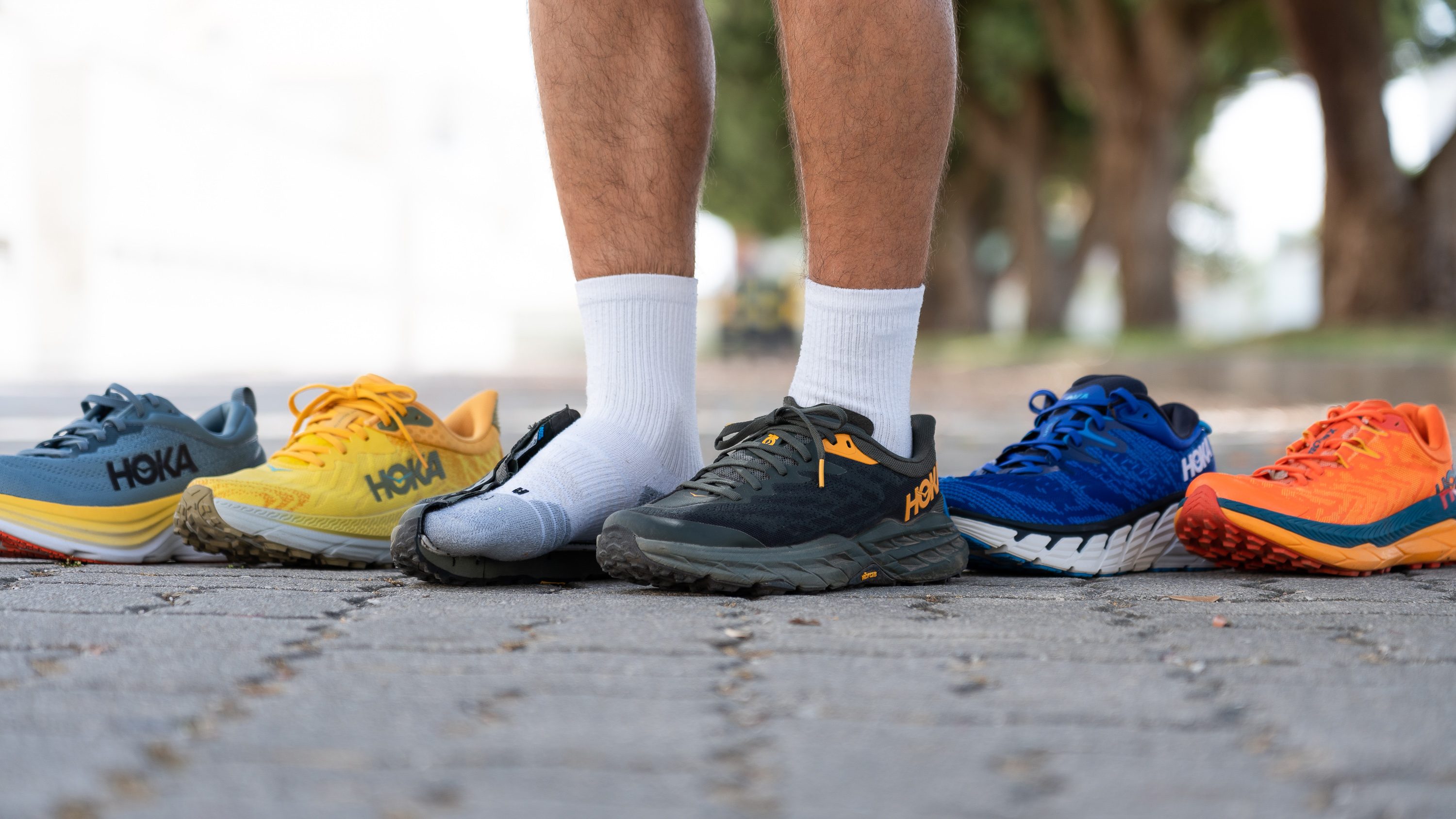
The historical divide between athletic and casual footwear has irrevocably collapsed. This fusion is driven by a cultural shift, famously articulated by designer Virgil Abloh who stated, “The idea of ‘high’ and ‘low’ is completely outdated.” The modern walking shoe embodies this philosophy. Brands like HOKA ONE ONE have led the charge, transforming maximalist cushioning—once a niche running trend—into a bold fashion statement. Their oversized soles and sleek profiles are as common in trendy cafes as on hiking paths. Similarly, New Balance has cultivated a decades-long reputation by marrying timeless silhouettes with cutting-edge Fresh Foam or FuelCell technologies. The aesthetic appeal is no accident; it’s a calculated design language that speaks to a lifestyle of active readiness. As noted on the fashion analysis site Business of Fashion, the “athleisure” trend is not a fad but a permanent redefinition of wardrobe fundamentals, where performance features like breathable mesh uppers, reflective details, and ergonomic lines are valued for both function and form. This means your choice in a walking shoe can reflect a minimalist preference, a love for vibrant color-blocking, or a classic, understated look, all without compromising an iota of the engineered comfort your feet require. The shoe becomes a versatile tool, equally suited for a long commute, a weekend museum visit, or a spontaneous walk in the park.
The Material World: Engineering Breathability and Durability
Step beyond color and cut, and you enter the realm of material science, where the upper of the shoe tells its own story of innovation. Traditional leather, while durable, often lacks breathability. The answer has come from advanced textiles. Engineered mesh is now the gold standard, providing a lightweight, flexible structure that promotes air circulation to keep feet cool and dry. Companies like Brooks use 3D Fit Print technology, where strategic, welded print overlays replace traditional stitching and hot melts. This creates a more adaptive, sock-like fit that reduces irritation and weight. For sustainability-minded walkers, recycled materials are becoming paramount. Brands are increasingly incorporating polyester made from recycled plastic bottles into their uppers and linings. This shift isn’t merely greenwashing; it’s a response to consumer demand and environmental necessity, a trend extensively documented by the Sustainable Apparel Coalition. Durability, however, remains non-negotiable. High-abrasion rubber placed in critical wear zones on the outsole, such as the heel and ball of the foot, ensures the shoe maintains its grip and integrity over hundreds of miles. The marriage of these materials—breathable mesh for comfort, recycled elements for conscience, and tough rubber for longevity—creates a product that is built to last and perform ethically.
Finding Your Perfect Fit: A Personal Journey
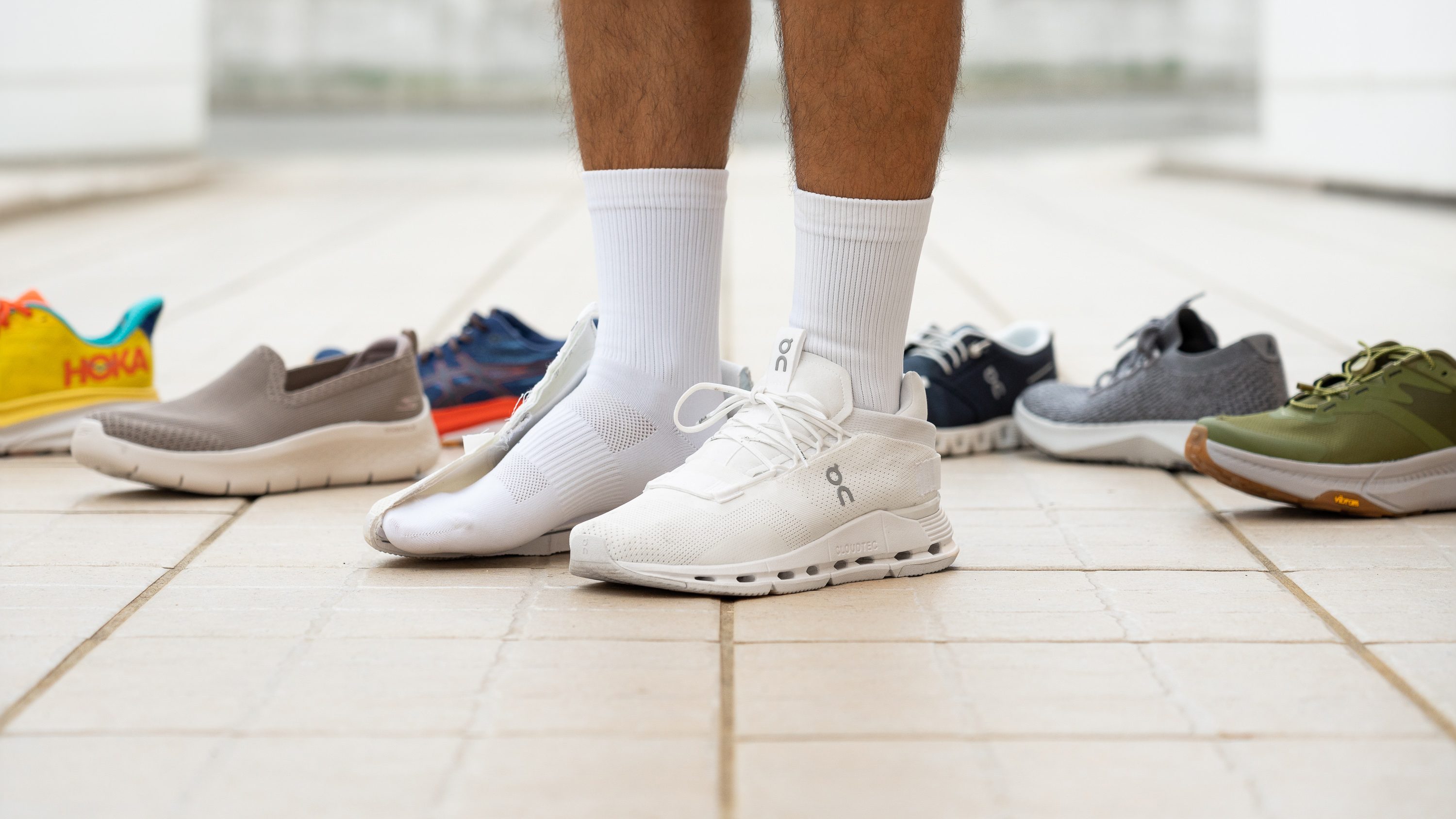
With so many options, selecting your ideal pair is a personal expedition. The most scientific advice is often the simplest: shop late in the day. Your feet naturally swell throughout the day, and fitting shoes in the afternoon ensures they won’t feel tight during your longest walks. Always wear the socks you intend to walk in and measure both feet, as one is often larger than the other. The rule of thumb, endorsed by experts from the Cleveland Clinic, is to have about a thumbnail’s width (roughly half an inch) of space between your longest toe and the end of the shoe. But fit goes beyond length. Consider your foot volume (high or low arches) and width. Many brands now offer wide and narrow variants. Perhaps the most crucial test is the “walk around” in the store. Pay attention to any immediate pressure points, heel slippage, or arch discomfort. Remember the words of legendary runner and coach Bill Bowerman: “The real purpose of running isn’t to win a race; it’s to test the limits of the human heart.” In that spirit, the real purpose of a walking shoe isn’t just to cover your feet, but to empower your journey without limitation. Don’t be swayed by size alone; comfort is a non-negotiable sensation, not a number.
Investment in Wellness: The Long-Term Value Proposition
Viewing a premium walking shoe as an expense is a misperception; it is an investment in your physical capital. Consider the cost-per-wear. A $150 pair worn for 500 miles of walking translates to 30 cents per mile—a negligible sum compared to the potential cost of podiatrist visits, physical therapy, or even over-the-counter remedies for foot, knee, or back pain caused by inadequate support. The value is compounded by the shoe’s role in facilitating an active lifestyle, which the Centers for Disease Control and Prevention (CDC) consistently links to reduced risks of chronic diseases like heart disease, type 2 diabetes, and depression. Furthermore, the market is more accessible than ever. Direct-to-consumer brands and frequent sales on reputable sites like Zappos or Running Warehouse bring top-tier technology within reach. For instance, last season’s model of a highly-rated shoe often sees discounts of 30-50% while offering 90% of the performance of the latest version. This democratization of technology means you no longer have to sacrifice scientific engineering for your budget. You are purchasing a tool for sustained health, and in that light, its value is immeasurable.
The journey to finding your ultimate walking shoe culminates in a simple, powerful realization: the right footwear is a silent partner in your daily life. It is the difference between ending the day with weary, aching feet and finishing with energy to spare. It’s the confidence of a stable stride and the subtle style that completes an outfit. By prioritizing the biomechanical science of support, embracing the modern aesthetic, understanding material innovations, and making a smart investment in your well-being, you equip yourself for miles of comfortable exploration. Your path forward deserves nothing less than a foundation built on both comfort and style.

