

Styling 80s Sneakers for Modern Streetwear Edge
The relentless churn of fashion trends often feels like a sprint, but true style is a marathon. While the industry feverishly chases the “next big thing,” a powerful counter-current is pulling us back—not out of nostalgia, but for authenticity, durability, and a silhouette that speaks louder than any fleeting logo. At the heart of this movement are 80s sneakers. These are not mere relics; they are the architectural foundation of modern streetwear, offering a blueprint for building an aesthetic that is both historically grounded and sharply contemporary. This isn’t about costume play. It’s about understanding the DNA of these designs—their scientific ergonomics, their cultural weight, their material honesty—and splicing it with the minimalist, utilitarian, and often oversized codes of today’s urban landscape. The goal is to forge an edge that is earned, not bought, by leveraging the inherent power of 80s sneakers to anchor and elevate your entire wardrobe.
The Architectural Blueprint: Deconstructing the 80s Sneaker DNA
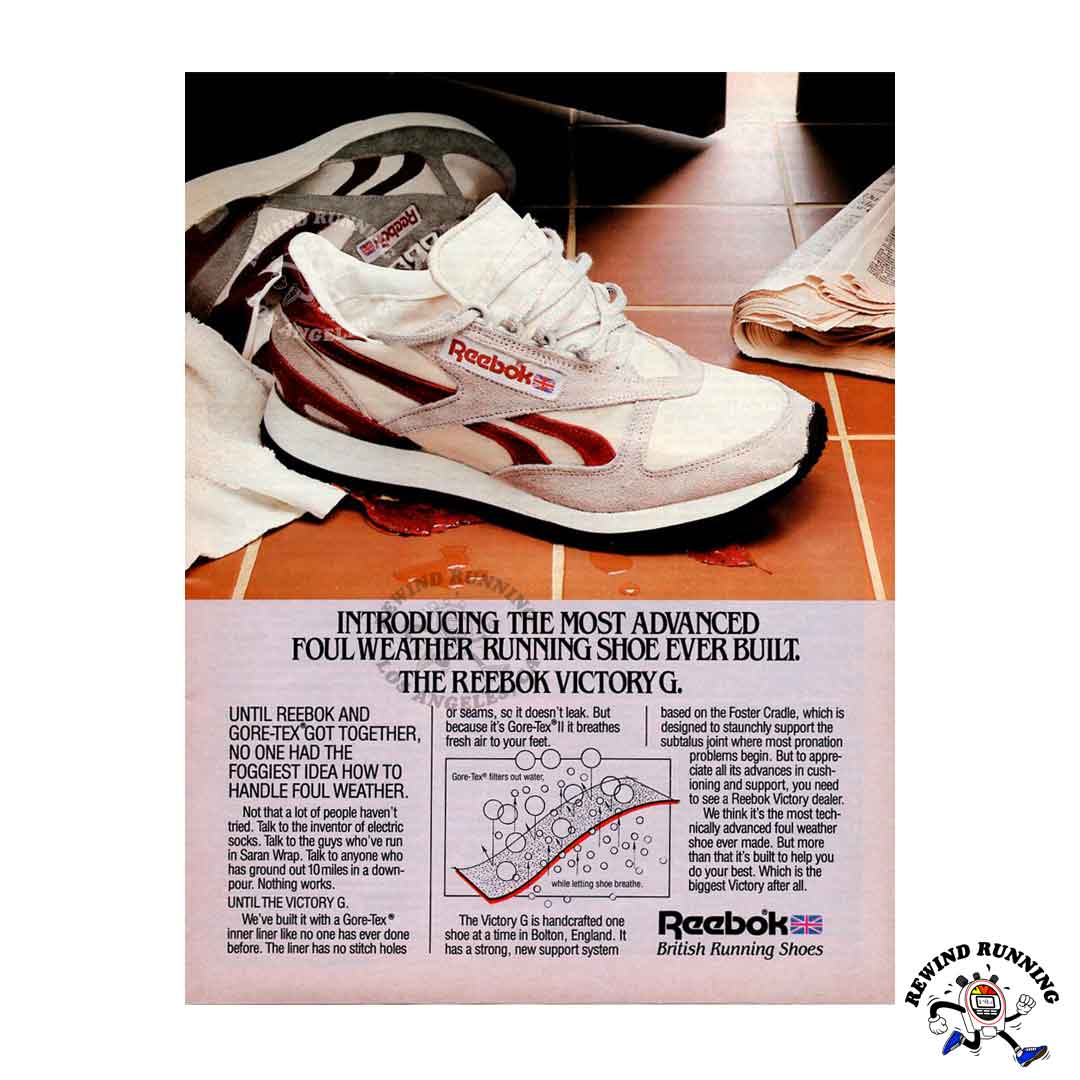
To wield a tool effectively, you must first understand its mechanics. The proliferation of 80s sneakers was not an accident of aesthetics; it was a perfect storm of technological innovation, sociological shift, and cinematic propulsion. From a scientific standpoint, this era marked the transition from canvas and simple rubber to advanced polymer compounds and cellular foam cushioning systems. Brands like Nike Air and Reebok’s Vector logo became symbols of a new frontier in biomechanics. As Dr. Matthew B. Wheeler, a scholar of sport technology at MIT, notes in a university publication, “The 1980s saw the sneaker evolve from a protective garment to a performance-enhancing device, with air cushioning and ethylene-vinyl acetate (EVA) midsoles reducing impact forces in ways previously unimaginable.” This technical leap created distinct, often chunky, silhouettes—think of the Nike Air Max 1’s visible air unit or the Reebok Club C’s pillowy midsole. Sociologically, these shoes moved from the court and track into the heart of youth culture, fueled by the rise of hip-hop and breakdancing, where a fresh pair of Adidas Superstars or Puma Suedes was a badge of identity. Films like “Back to the Future” (1985) with its self-lacing Nike MAGs (a conceptual product of 80s imagination realized later) and the iconic image of Run-D.M.C. in their unlaced shell-toe Adidas cemented sneakers as central to cultural expression. This confluence of factors birthed a design language: bold color blocking, durable leather and suede uppers, geometric logos, and a pronounced, supportive sole. These are the objective, non-negotiable elements that define the 80s sneakers we seek today.

Principle 1: The Foundation of Contrast
The most potent application of an 80s sneaker in a modern context is through deliberate contrast. The inherent bulk and visual weight of a shoe like the Nike Air Force 1 or the New Balance 990v1 demand a counterbalance. This is where modern streetwear’s love for clean lines and oversized fits becomes not just stylistic, but essential. The principle is architectural: a heavy, complex foundation requires a simpler, more expansive superstructure. Pair your robust, leather-paneled 80s sneakers with wide-leg, single-pleat trousers in a neutral stone or black. The volume of the pant leg draping over the substantial sneaker creates a powerful, flowing silhouette that is both relaxed and intentional. Alternatively, use minimalist tailoring—a deconstructed blazer in a technical fabric or a perfectly oversized oxford shirt—to frame the sneakers. The contrast between the formal allusion of the clothing and the utilitarian heritage of the footwear generates immense tension and interest. As fashion commentator and YouTuber Bliss Foster often articulates, “The sneaker doesn’t replace the dress shoe; it recontextualizes the entire ensemble around principles of comfort and heritage, making the tailored piece feel more personal and less institutional.” This approach avoids the costumey “head-to-toe retro” look, instead positioning the sneaker as a deliberate, anachronistic pivot point in a contemporary outfit.

Principle 2: Material Dialogue and Monochromatic Mastery
Beyond silhouette, engage with the material truth of the sneaker. The 80s were an era of honest materials: full-grain leather, rich suede, durable mesh, and solid rubber. Modern streetwear, particularly in its high-end iterations, celebrates this same material literacy—technical nylon, premium cotton, and untreated fabrics. Create a dialogue between these elements. Let the buttery suede of a Gola Harrier or a classic tennis shoe converse with the rough texture of a heavyweight cotton chore jacket or the sleekness of a nylon cargo pant. This tactile conversation adds a layer of sophistication that transcends color and logo. Furthermore, one of the most powerful modern strategies is the monochromatic outfit. Dressing head-to-toe in shades of beige, grey, black, or olive allows the form, texture, and subtle color accents of the sneaker to become the undisputed focal point. A cream-colored track suit, for example, unified in material and tone, makes the grey and blue details of an ASICS Gel-Lyte III pop with graphic intensity. This approach aligns with the minimalist philosophy prevalent on platforms like Quora, where style enthusiasts argue that “restricting color palette forces innovation in silhouette and texture, elevating basic items through cohesion.” The sneaker is no longer an accessory; it is the climax of a carefully controlled visual sentence.
The Knowledge Advantage: Beyond the Hype
Navigating the world of 80s sneakers requires a discerning eye, not just a deep wallet. The resurgence has led to rampant retro re-releases, collaborations, and inflated resale prices. Your edge comes from knowledge. Understand the original models versus the retro versions—often, retros use different materials or construction methods. Seek out brands that have maintained consistent production, like New Balance with its “Made in USA/UK” lines, offering unparalleled quality that justifies its price through decades of proven wear. Explore lesser-known but historically significant models from brands like Diadora, Kappa, or Saucony, which often offer the same design ethos at a more accessible point. As author and sneaker historian Neal Heard states in his book “Sneakers,” “The true gems are often found in the archives of brands that were pivotal to subcultures but missed the mainstream hype cycles.” This knowledge directly translates to value. By targeting under-the-radar re-releases or well-kept vintage pairs from reliable resellers, you can build a collection of foundational footwear that offers superior craftsmanship and unique style, often at a fraction of the cost of hyped contemporary collaborations. This is where professional insight pays literal dividends, allowing you to invest in pieces that will last both in terms of physical durability and stylistic relevance.
Principle 3: The Personal Stamp – Customization and Wear
The final, and perhaps most crucial, element in achieving a modern edge is the imposition of your own narrative. The 80s sneaker, in its original life, was a tool for sport and expression; it was meant to be used. Embrace this. Unlike a fragile, hyper-exclusive modern sneaker, many 80s sneakers are built like tanks. Let them age. Scuffs on the toe cap, a faded suede mudguard, a creased leather upper—these are not flaws; they are a patina of authenticity. This philosophy echoes the “Wabi-sabi” concept appreciated in design circles, finding beauty in imperfection and transience. Furthermore, consider subtle customization. Re-lace them with contrasting flat waxed laces. Swap the standard insole for a premium orthopedic one, enhancing comfort—a nod to the shoe’s original performance intent. This personal modification makes the shoe unequivocally yours. As renowned designer and creative director Virgil Abloh once opined in an interview, “The next step in luxury is personalization. It’s taking a mass-produced object, even a heritage one, and inserting your own code.” Your pair of white leather Reebok Classics ceases to be a generic retro when marked by your specific wear patterns and choices, transforming into a unique artifact of your daily life.

The pursuit of a modern streetwear edge is, at its core, a search for authenticity in an increasingly homogenized style landscape. 80s sneakers provide the ultimate raw material for this quest. They are not a trend to be consumed but a design principle to be understood and applied. By leveraging their structural weight through contrast, engaging in a sophisticated material dialogue, arming yourself with historical knowledge for smart acquisition, and finally, imprinting them with your own story, you move beyond fashion into the realm of personal style. The edge you gain isn’t sharp or aggressive; it’s the confident, grounded edge of someone who builds their look on a foundation of substance, knowing that the best pieces are those that connect a rich past to a dynamic present.
