

Styling 80s Sneakers for Modern Streetwear Edge
The relentless churn of fashion trends often feels like a search for the new, the next, the never-before-seen. Yet, some of the most potent style statements aren’t forged in the future but resurrected from the past. Enter the 80s sneakers, a category of footwear that has transcended its athletic origins to become a cornerstone of contemporary streetwear. This isn’t about nostalgia for nostalgia’s sake; it’s a calculated fusion of iconic design language with modern styling principles. The chunky silhouettes, bold color blocking, and technical materials that defined the decade are precisely the elements that provide the architectural foundation and visual punch needed for today’s urban aesthetic. To master this look is to understand that these sneakers are not mere accessories but the gravitational center of an outfit, around which attitude, proportion, and history orbit.
The Architectural Blueprint: Deconstructing 80s Sneaker Design
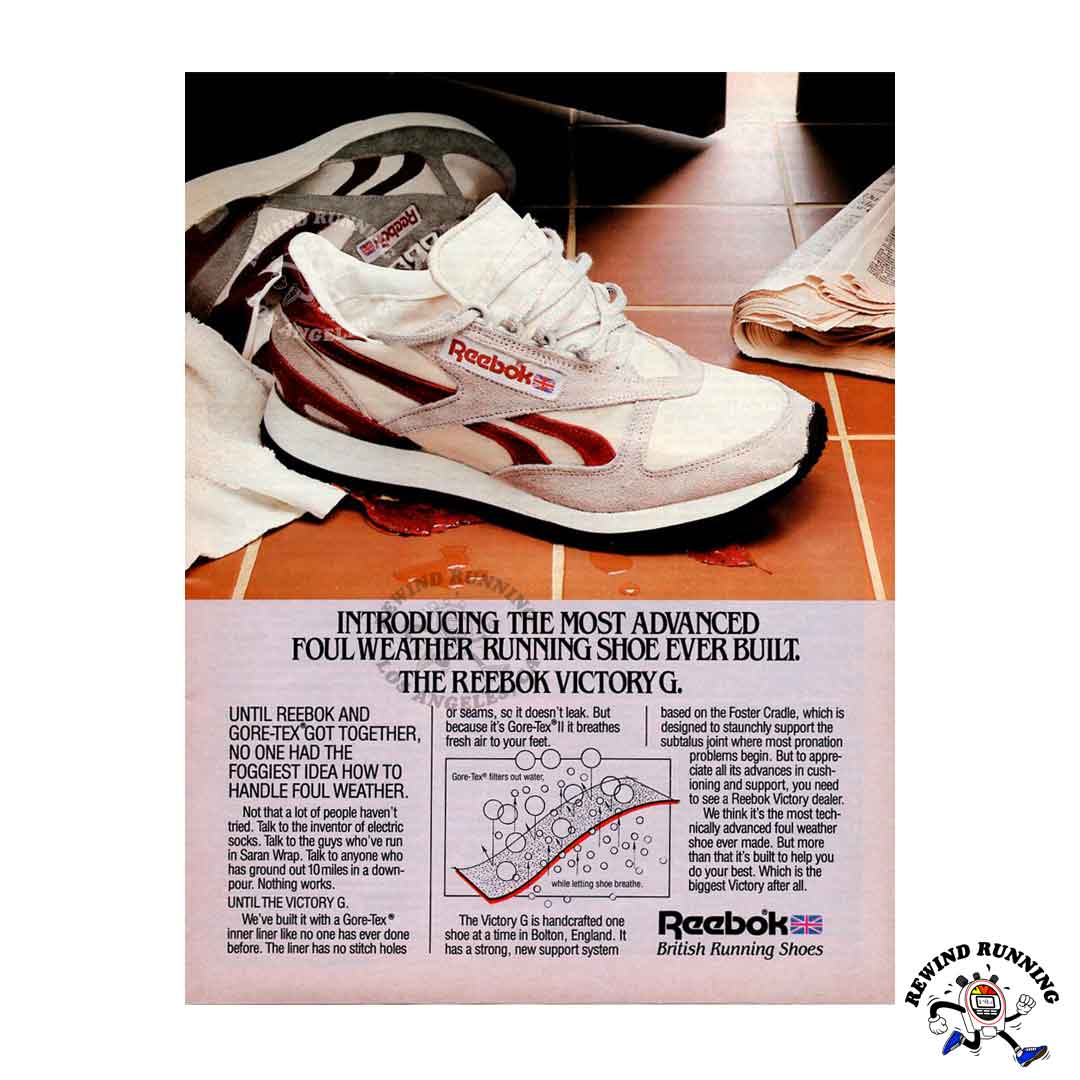
To effectively style 80s sneakers, one must first appreciate their design DNA. The 1980s was a revolutionary period in athletic footwear, driven by technological innovation, the rise of fitness culture, and the birth of the sneaker as a status symbol. Brands like Nike, Adidas, Reebok, and ASICS were engaged in an arms race of cushioning, support, and aesthetics. The result was a distinct set of characteristics. Silhouettes became bulkier, not just for cushioning but for statement-making presence. Midsoles thickened, often employing newly developed polyurethane or EVA foam, creating that now-coveted “chunky” profile. Color schemes moved beyond simple white leather into high-contrast panels of neon, primary colors, and metallic accents—a direct reflection of the vibrant, optimistic, and sometimes garish pop culture of the era. Materials diversified, incorporating mesh, nylon, synthetic leather, and even plastic exoskeleton-like supports, as seen in the Nike Air Force 1 (1982) or the Reebok Freestyle (1982). As Dr. Elizabeth Semmelhack, Senior Curator at the Bata Shoe Museum, notes in her research, “The 1980s marked the moment when the sneaker shifted from being purely functional sportswear to a complex cultural artifact, embedding narratives of performance, identity, and aspiration.” This inherent narrative weight is what we leverage in modern styling; each pair carries a story of innovation and cultural shift.

Principle 1: Embrace Volume and Proportion
The most immediate challenge—and opportunity—presented by 80s sneakers is their volume. Their thick soles and structured uppers command attention. The modern streetwear approach is not to shrink from this but to build upon it thoughtfully. The key is balancing proportions. Pairing these statement shoes with overly baggy, unstructured clothing can create a sloppy, bottom-heavy silhouette. Conversely, skin-tight fits can make the sneakers look comically oversized. The sweet spot lies in strategic layering and tailored looseness. Consider slim or straight-leg trousers that taper slightly but don’t hug the ankle, allowing the sneaker to be fully displayed without a break in the line. Cargo pants with a more tailored cut also work exceptionally well, their utilitarian pockets echoing the sneakers’ technical origins. On top, balance is achieved through layers: a fitted t-shirt under an oversized, structured jacket like a coach’s jacket or a slightly boxy blazer. This creates a verticality that counteracts the horizontal weight of the shoes. The goal is an intentional, architectural look where every piece has its place, and the sneakers act as the solid foundation. As fashion commentator and YouTuber Bliss Foster often articulates in his analyses, “Streetwear in the 2020s is about controlled chaos. The 80s sneakers provide the ‘control’—their defined shape—around which you can play with more fluid, chaotic layers.”
Principle 2: Color as a Narrative Device
The color palettes of 80s sneakers are rarely shy. From the electric blue and yellow of the Nike Air Max 1 (1987) to the stark black, white, and grey of the Reebok Classic Leather, these shoes communicate through hue. In modern styling, you have two primary paths: harmony or deliberate clash. The harmonious approach involves picking out one secondary color from the sneaker’s palette and echoing it subtly elsewhere—a hat, sock detail, or the graphic on a t-shirt. This creates a cohesive, curated look that shows attention to detail. The more advanced, and arguably more streetwear-appropriate, tactic is the deliberate clash. This involves treating the sneakers as a standalone art piece and building the rest of the outfit in neutral, tonal layers—think shades of black, grey, oatmeal, or olive. This allows the sneakers to pop as the singular focal point. It’s a technique championed by designers like Virgil Abloh, who frequently used vintage athletic wear as a core reference. He once stated in an interview with SSENSE, “The reference is the readymade. A classic 80s sneaker is a designed object. My job is to create the context—the neutral field—on which it can be viewed as art.” This mindset elevates the sneaker from footwear to the central conceptual piece of the ensemble.
Beyond the Shoe: Curating the Complete Ecosystem
Mastering the 80s sneakers look extends far beyond the feet. It’s about cultivating an entire aesthetic ecosystem where clothing, accessories, and even attitude are in dialogue with the footwear. This is where streetwear’s ethos of curation truly shines. It’s not about wearing a branded tracksuit from head to toe, but about intelligent mixing that speaks to a deep understanding of subcultures.
The Modern Wardrobe Synergy
Think of your wardrobe as a repository of pieces that share a functional or aesthetic lineage with your sneakers. Technical fabrics are your friend: nylon windbreakers, mesh-paneled shorts, corduroy pants, and heavyweight cotton sweatshirts. These materials were either born in or heavily popularized during the 80s athletic and casual wear boom. Silhouettes should lean towards retro-futurism—pieces that feel both nostalgic and forward-thinking. A perfect example is the popularity of cycling shorts paired with oversized vintage tees and chunky sneakers, a look that directly references 80s aerobic wear but is filtered through a 2020s lens of irony and comfort. Don’t overlook tailoring; a pair of well-cut, pleated trousers in a neutral color paired with a crisp white shirt and a vibrant pair of 80s sneakers creates a powerful high-low tension that is the hallmark of sophisticated streetwear. This approach is validated by academic perspectives; the Fashion Institute of Technology’s curriculum on sportswear history often highlights the 1980s as the decade where “the boundaries between gym, street, and home dissolved, creating a hybrid wardrobe that modern streetwear continues to mine for its core vocabulary.”

Accessories and the Finishing Touch
Accessories are the punctuation marks of your style sentence. With 80s sneakers, the goal is to complement, not compete. Socks become a crucial detail. Thick, ribbed white socks are a classic choice that emphasizes the sneaker’s vintage athletic roots. For a more fashion-forward look, logo-branded socks or socks with a subtle color band that matches a sneaker accent can tie the look together. Headwear is equally important. A simple beanie or a structured baseball cap in a neutral color keeps the focus downward while adding an urban, utilitarian edge. Bags should follow the same functional ethos—think mini backpacks, sling bags, or durable canvas totes. The overarching principle is utility with style. Avoid overly delicate or formal accessories; the look is grounded in a sense of purpose. As noted on popular fashion forum /r/malefashionadvice, a consistent piece of advice for styling statement sneakers is to “let the shoes be the hero. Everything else is the supporting cast. Choose pieces that have character but don’t try to steal the scene.”
The Knowledge and The Access: Building Your Arsenal
Embarking on this style journey requires two forms of capital: knowledge and the means to acquire the pieces. The first is about becoming an informed enthusiast. The second is about smart acquisition.
Investing in Knowledge: Authentication and History
Not all retro sneakers are created equal. The market is flooded with re-releases, retro models, and modern interpretations. Understanding the difference is key. An original 1985 Nike Air Jordan I is a museum piece with a corresponding price tag. A 2023 “Lost and Found” retro release captures the aesthetic with modern materials and comfort. Knowing the history of a model—why it was significant, who designed it, what athlete wore it—adds depth to your wearing of it. Resources like Wikipedia for foundational model history, deep-dive YouTube channels from certified collectors like “The Sole Supplier,” and even auction house archives provide this context. This knowledge protects you from overpaying for inauthentic goods and allows you to speak intelligently about your choices. When you know that the ASICS Gel-Lyte III (1990) was the first sneaker with a split tongue for superior comfort, or that the Nike Air Trainer 1 (1987) was designed for Bo Jackson’s multi-sport training, you’re not just wearing a shoe; you’re wearing a story of innovation. This narrative layer is an invisible but powerful component of true style.

Smart Acquisition: Finding Value in Vintage and New Releases
Building a collection of iconic 80s sneakers doesn’t require a limitless budget. It requires strategy. For vintage deadstock (new, unworn old stock) or well-preserved used pairs, specialized marketplaces like eBay, Grailed, and GOAT require diligent searching and authentication checks. However, the most accessible route is through brand re-issue programs. Nearly every major brand has a “Classics” or “Heritage” line that re-releases iconic 80s models, often with subtle updates for comfort. These are typically available at standard retail prices. The real hack is timing. Subscribe to brand newsletters, follow sneaker news accounts on Twitter, and learn about release calendars. Many classic colorways re-release periodically. Furthermore, end-of-season sales at major retailers are goldmines for these re-issues, as the hype-driven sneaker community often overlooks them in favor of the latest collaboration. You can frequently find authentic, brand-new Reebok Club C 85s, Nike Air Force 1s, or Adidas Forum Lows at significant discounts—sometimes 30-50% off—if you are patient and shop off-cycle. This approach brings professional-grade style within reach, democratizing a look that is both historically rich and sharply contemporary.
The power of the 80s sneaker in modern streetwear is undeniable. It is a testament to the idea that the most forward-looking style is often built on a deep respect for the past. By understanding their design principles, mastering proportion and color, curating a synergistic wardrobe, and acquiring both knowledge and pieces intelligently, you transform a retro artifact into a vital component of your modern identity. The edge it provides isn’t just visual; it’s intellectual, rooted in a conscious choice to wear history, technology, and culture on your feet. This is how a shoe from four decades ago continues to walk confidently into the future.
