

Styling 80s Sneakers for Modern Streetwear Edge
The relentless churn of fashion trends often feels like a sprint, but true style is a marathon. While the industry frantically chases the next viral micro-trend, a foundational pillar of contemporary streetwear remains steadfastly rooted in the past. We’re not talking about a fleeting revival, but a permanent reclamation. The aesthetic and architectural principles of 80s sneakers have been seamlessly woven into the DNA of modern urban style, providing an unparalleled edge that is both nostalgic and aggressively current. This isn’t about costume; it’s about code. The chunky silhouettes, bold color-blocking, and technical bravado born in that explosive decade offer a blueprint for constructing looks that are confident, complex, and inherently cool. To dismiss them as mere retro footwear is to miss the point entirely. They are functional sculptures, historical artifacts repurposed as weapons of self-expression in the modern style arena.

The Architectural Blueprint: Deconstructing the 80s Sneaker DNA
To wield a tool effectively, one must understand its engineering. The dominance of 80s sneakers in today’s landscape isn’t accidental; it’s a direct result of their revolutionary design philosophy, which responded to the cultural currents of technology, fitness, and individualism. Scientifically and objectively, we can break this down into core components. First, the silhouette: the 80s marked a decisive shift from the low-profile, minimalist sneakers of prior decades to amplified, often chunky, profiles. This was driven by advances in polyurethane and EVA foam midsole technology, allowing for greater cushioning and shock absorption—a necessity for the burgeoning aerobics and running boom. From a design perspective, this created a larger canvas for expression. Second, color-blocking: influenced by the Memphis Design Group’s postmodern rejection of subdued palettes and the vibrant hues of early digital graphics, sneakers abandoned uniformity. Panels of contrasting, often primary, colors were used to articulate the shoe’s structure, making the footwear a dynamic visual event. Third, technical detailing: straps, mesh panels, exaggerated logos, and innovative lacing systems (like the Reebok Pump, patented in 1989) showcased a fascination with futuristic tech and personalization. As Dr. Elizabeth Semmelhack, Senior Curator at the Bata Shoe Museum, notes in her research, “The 1980s sneaker became a signifier of technological aspiration and bodily performance.” This triad of elements—bold silhouette, graphic color, and technical flair—forms the immutable genetic code that contemporary designers constantly reference and reinterpret.
From Court to Curb: The Cultural Credibility Transplant
The journey of the 80s sneaker from specialized athletic gear to streetwear cornerstone is a masterclass in cultural osmosis. Their initial authority was earned in highly credible, subcultural arenas. Hip-hop artists in New York, spotting the imposing presence of the adidas Superstar or the Nike Air Force 1, adopted them as part of a uniform that spoke of pride, presence, and authenticity. Breakdancers needed durable, ankle-supporting shoes like the Puma Suede or adidas Shell Toe. Basketball legends like Michael Jordan (with the Air Jordan I, debuted in 1985) and Larry Bird transformed their signature models into symbols of excellence and rebellion (the AJI was famously banned by the NBA, fueling its desirability). This created a powerful associative network: these sneakers weren’t just products; they were trophies, armor, and badges of belonging. Fast-forward to the 2010s and the rise of “hypebeast” culture, meticulously documented by platforms like Highsnobiety and Complex. The mechanism remained identical but accelerated by the internet. Archival research, fueled by sites like YouTube where collectors like “Qias Omar” dissect sneaker history, re-established these models as holy grails. The scarcity and story behind a re-released 1985 Jordan or a retro Reebok Ex-O-Fit became social capital. This continuous loop of subcultural adoption, myth-making, and digital amplification ensures that an 80s sneaker carries a weight of history that a newly invented model simply cannot replicate. It comes pre-loaded with credibility.

The Modern Alchemy: Styling for Edge, Not Anachronism
So, how does one integrate this potent historical object into a modern wardrobe without looking like an extra from a period film? The key is alchemy—combining elements to create something new. The goal is edge: a sharp, intentional, and slightly disruptive aesthetic. Here is a practical framework. First, embrace juxtaposition. The robust, assertive form of an 80s sneaker is perfectly balanced against the fluidity of tailored, minimalist pieces. Imagine a pair of chunky, color-blocked Fila Disruptors under a sleek, single-breasted wool coat and wide-leg, pleated trousers. The tension between the refined top and the assertive base creates instant interest. Second, focus on silhouette play. The voluminous sneaker naturally complements the dominant trends of oversized blazers, baggy denim, and wide-leg cargos. It grounds the look, preventing it from becoming slouchy or formless. As fashion commentator and YouTuber Alexa Chung often illustrates, proportion is the cornerstone of modern dressing. Third, let the sneaker be the hero. If your shoes are loud and complex, anchor the rest of your outfit in neutral tones—black, white, grey, beige. This allows the sneaker’s design and history to take center stage without the outfit becoming visually chaotic. This approach is less about “matching” and more about creating a cohesive ecosystem where the sneaker is the keystone species.
Beyond the Hype: Investment, Authenticity, and Accessibility
Navigating the world of 80s sneakers requires a strategy that balances passion with pragmatism. The resale market for deadstock (never worn) vintage pairs can be astronomical, but the modern edge is accessible. Here, professional knowledge translates directly to smart value. Major brands have entire “Classics” or “Archive” divisions dedicated to reissuing iconic 80s models with updated comfort technology. These “retro” releases, often termed “GRs” (General Releases), offer the authentic design at a fraction of the vintage price. For instance, a newly produced Nike Air Max 1 (whose design lineage begins in 1987) provides the same iconic window to the sole and silhouette without the crumbling midsole of a 35-year-old pair. Furthermore, brands like Gola, Diadora, and K-Swiss, which were giants in the 80s, often offer their heritage models at significant discounts compared to the prevailing hype brands, delivering exceptional design credibility for less. The savvy stylist builds a rotation: one or two coveted “hype” models for statement pieces, and several accessible, color-way versatile retros for daily wear. This democratization is crucial. As Marc Bain, writing for Quartz, analyzed, “The sneaker industry’s reliance on its own past is a business model, but it also keeps iconic design in circulation.” You are not just buying a shoe; you are investing in a design artifact with proven longevity, ensuring your style edge isn’t dulled by next season’s trend cycle.
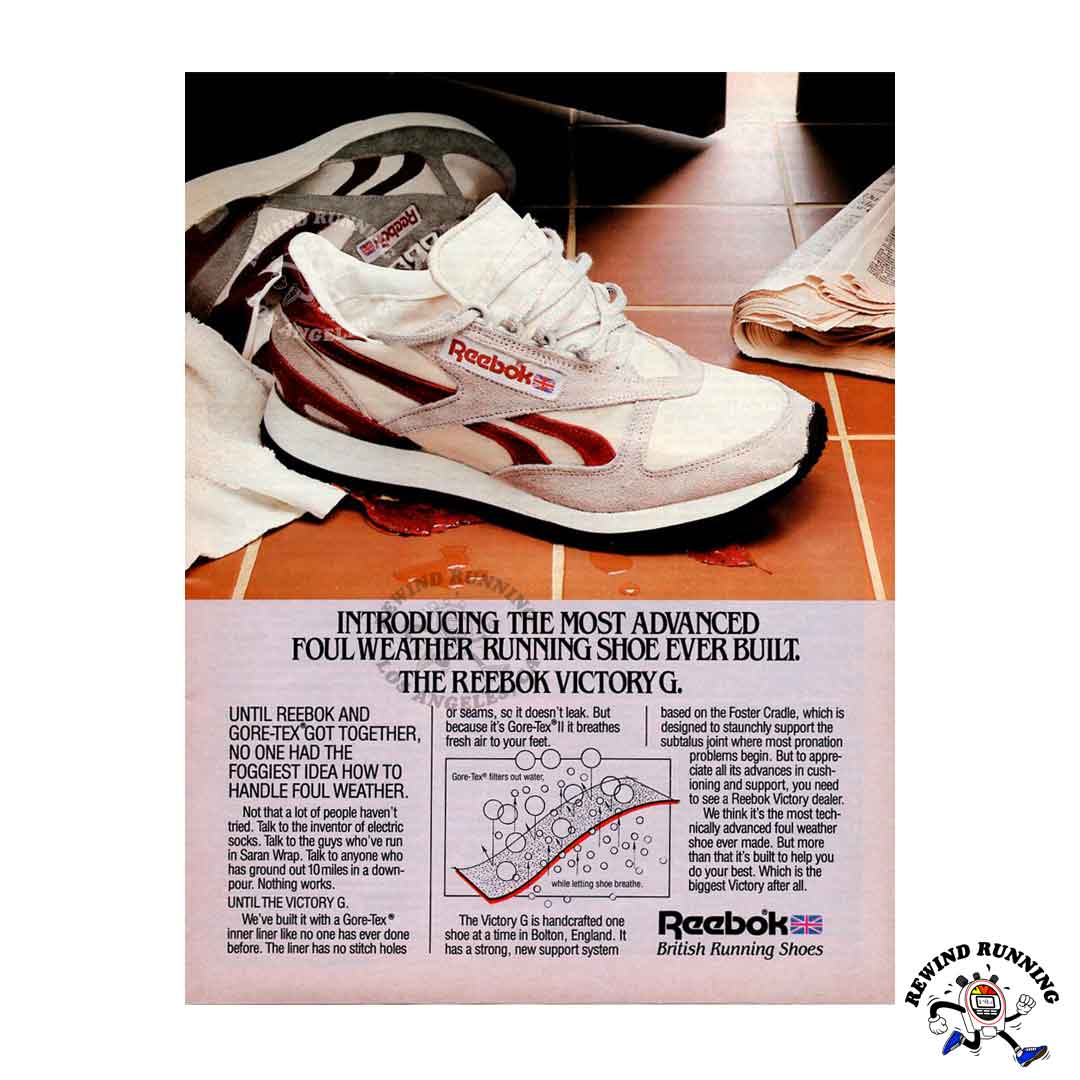
A Testament to Enduring Design
The final proof of the 80s sneaker‘s modern relevance lies in its sheer persistence. In a digital age where attention spans are fragmented, these designs command focus. They are tangible, weighty, and complex in a world that can feel ephemeral and flat. They connect the wearer to a lineage of subcultural cool, athletic innovation, and design bravery. Styling them today isn’t an exercise in nostalgia; it’s an act of curation. It signals an understanding of fashion’s history, a confidence in manipulating proportion, and a preference for substance over surface-level trendiness. They provide a foundation—literally and figuratively—upon which to build a personal aesthetic that is resilient, informed, and inherently edged. The streets of today are a different arena than those of 1985, but the language spoken by those bold, brilliant sneakers translates perfectly, louder than ever.

