

How to Style Air Force Sneakers for Effortless Everyday Cool
Some shoes are just footwear; others are cultural keystones. The air force sneakers belong firmly in the latter category. Their journey from the hardwood courts to the concrete streets is a masterclass in design endurance, transforming them into a blank canvas for personal expression. Achieving that coveted “effortless cool” isn’t about following rigid rules, but about understanding the shoe’s inherent versatility and building your style from a foundation of confidence. This isn’t a trend to be chased—it’s a style principle to be mastered.
The Foundation: Understanding the Air Force 1’s Legacy
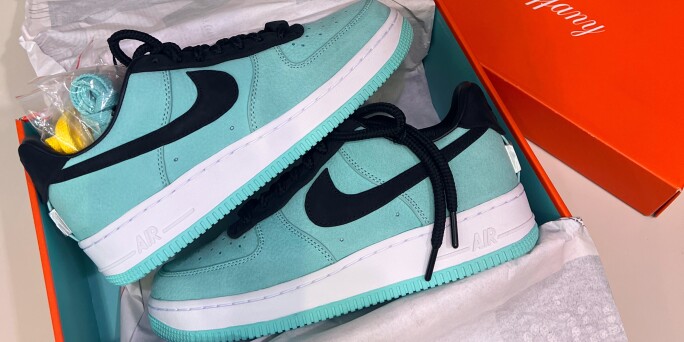
To style something effectively, you must first understand its essence. The Nike Air Force 1, first released in 1982 and named after the plane that carries the U.S. President, was revolutionary for being the first basketball shoe to feature Nike Air technology. However, its true cultural ascent began when it was discontinued in 1984. As sneaker historian and Complex contributor Russ Bengtson notes, its absence created demand, turning it into a coveted item in Baltimore and other East Coast cities. This grassroots, off-court adoption forged its identity not as a mere athletic tool, but as a symbol of community and self-expression. The shoe’s clean, structured silhouette—characterized by its midfoot strap, perforated toe box, and iconic circular heel tab—provides a perfect architectural base. It’s this very blankness, this lack of overwhelming branding or chaotic lines, that makes the air force sneakers so malleable. They don’t shout; they provide a steady, reliable beat over which you can layer your own rhythm. From the crisp all-white “Uptowns” to the collaborative art pieces with Travis Scott or Comme des Garçons, each iteration respects the original blueprint while allowing for infinite reinterpretation.
Principle One: The Power of Contrast and Silhouette
Your first tool for crafting a look is intentional contrast. The AF1 is a substantial shoe; its thick midsole and full-grain leather construction give it weight and presence. This can be brilliantly leveraged. For a modern, sharp look, pair a pristine white pair with tailored, wide-leg trousers. The volume of the pant leg juxtaposed against the solidity of the shoe creates a dynamic, fashion-forward silhouette that references both streetwear and high-fashion tailoring. Conversely, the classic streetwear approach—slim or straight-fit jeans cuffed just above the tongue—highlights the shoe’s entirety and celebrates its chunky profile. This isn’t just about aesthetics; it’s a practical application of design theory. As fashion educator and writer for Business of Fashion Tim Gunn often emphasizes, “Silhouette is the first thing you notice.” The air force sneakers offer a distinct silhouette that can either anchor a flowing outfit or be showcased as the focal point of a more fitted one. The key is balance. Let the shoe’s heaviness be countered by lighter fabrics or looser cuts elsewhere, or lean into it for a grounded, solid stance.
Principle Two: Color as a Strategic Accent
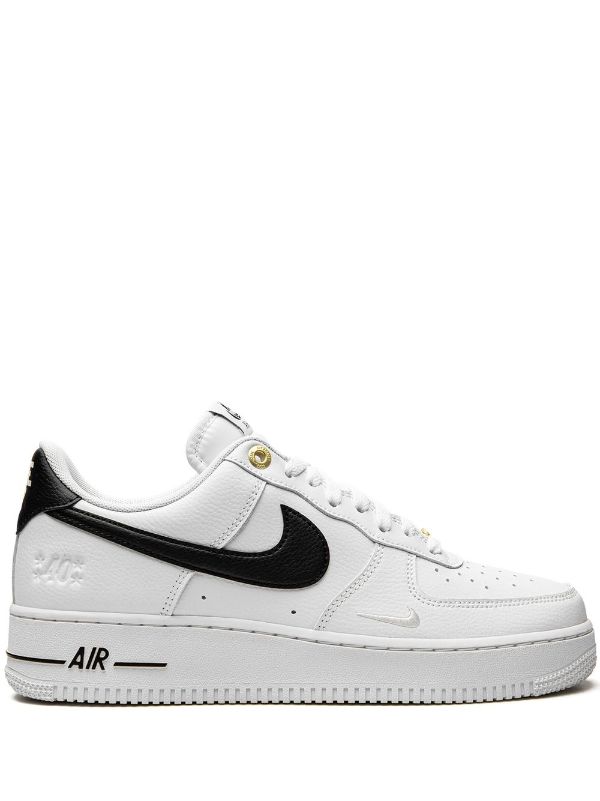
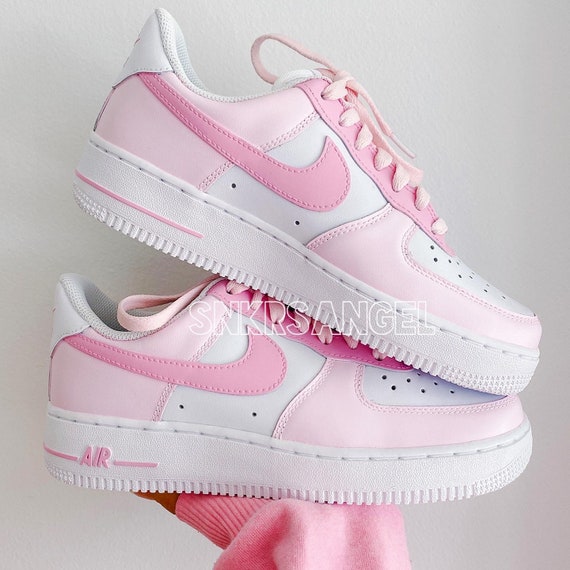
While the classic white-on-white AF1 is a universal clarion call for clean style, the colorway you choose is your strategic accent. A monochromatic black pair can serve as a powerful, unifying element in an all-black outfit, adding texture and dimension without breaking the cohesive shadowy look. Meanwhile, a pair in university blue, pine green, or even a bold collaborative color palette acts as a deliberate punctuation mark. The principle here is drawn from color theory: use the shoe either as a harmonious element (matching or complementing a color elsewhere in your outfit) or as a deliberate point of dissonance that draws the eye. Fashion psychologist Dr. Dawnn Karen, in her analyses of “dress-up therapy,” argues that color choices directly impact perception and mood. A bright, unexpected sneaker can communicate creativity and confidence. Remember, the shoe itself often has multiple tones—the sole, the leather, the accents. Pick one of those secondary colors and echo it subtly in a hat, a sock, or the trim of your jacket to create a cohesive, thoughtfully constructed ensemble.

Beyond Jeans and Tees: Unexpected Pairings
The true test of a style staple is its ability to transcend its expected context. The air force sneakers pass this test with flying colors. Consider them with utilitarian cargos and a sleek technical jacket for a futuristic, ready-for-anything vibe. For a smart-casual revolution, try them with a midi skirt or a tailored dress. This juxtaposition—the feminine or formal with the robust, athletic—is a cornerstone of contemporary cool, championed by style icons from Alexa Chung to Hailey Bieber. It dismantles outdated dress codes and feels inherently modern. Even with suiting, a crisp, minimalist pair of AF1s can replace traditional derbies or loafers, injecting a shot of irreverent personality into a formal framework. This approach is validated by the runway; designers from Virgil Abloh (who famously declared “I’m just a kid from Chicago who had a dream to change the world through design”) to Kim Jones have consistently blurred these lines, placing athletic footwear within the highest echelons of fashion. The sneaker becomes the connective tissue between different style languages.
Principle Three: The Details Are the Difference
Effortless cool is often a carefully curated illusion, and the devil is in the details. How you treat your air force sneakers and what surrounds them speaks volumes. A slightly worn-in, creased pair tells a story of lived-in comfort, moving away from sterile newness towards personal history. Your choice of socks is critical: invisible no-shows for a clean, continuous line; classic white crew socks for a retro, sporty feel; or a patterned sock that peeks out to add a hidden layer of whimsy. Lacing techniques, too, offer subtle customization—loose, straight-laced, or one-color swapped—allowing for micro-adjustments in attitude. Furthermore, consider the texture play in your overall outfit. The smooth leather of the sneaker can contrast beautifully with corduroy, wool, denim, or technical nylon. This tactile variety adds depth and sophistication, preventing any look from falling flat. As author and style consultant Nancy Nix-Rice posits in her “One-Piece Formula,” creating visual interest through texture and value (light vs. dark) is often more effective than relying on color alone.
Investing in Your Style: Knowledge and Value
Building a timeless style is an investment, and that means being an informed consumer. Understanding the construction of the Air Force 1—its full-grain leather upper, encapsulated Air-Sole unit, and solid rubber outsole—explains its durability and comfort premium. This isn’t just a disposable fashion item; it’s a well-engineered product. To maximize value, consider the cost-per-wear model. A versatile, high-quality pair worn twice a week for years offers immense value. Stay informed on releases through official Nike channels or reputable sneaker news sites to snag general releases at retail price. For past-season colorways or sales, authorized retailers often offer significant discounts, especially during seasonal sales events. Remember, the most “effortless” style often comes from pieces that feel intrinsically you, not from the most expensive or hyped item. Sometimes, the classic white pair on sale is a wiser investment than the latest limited edition. Your personal style capital appreciates when your choices are deliberate, informed by knowledge rather than just hype.
The air force sneakers are more than just shoes; they are a design lexicon waiting for you to write your sentence. Their power lies in their paradoxical nature: they are both a constant and a variable, a uniform and a rebellion. By mastering the principles of silhouette, color, and detail, you move beyond wearing a sneaker and into the realm of crafting a personal aesthetic statement. The cool isn’t in the shoe itself—it’s in the confident, considered way you make it a part of your world.
