

The Ultimate Guide to Walking Shoes That Elevate Your Outfit
Forget the notion that style and comfort are mutually exclusive, especially when it comes to the foundation of your daily movement. The right pair of shoes to walk in can be the silent hero of your wardrobe, seamlessly bridging the gap between all-day support and sartorial sophistication. This isn’t about choosing between a clinical orthopedic sneaker and a delicate ballet flat; it’s about discovering footwear that understands the biomechanics of your stride while commanding attention with its design. We’re moving beyond pure utility into a realm where your footwear is a deliberate statement—a piece that supports your body as confidently as it expresses your personal aesthetic. Let’s explore how the modern shoes to walk in have evolved into a cornerstone of intelligent, elevated dressing.
The Anatomy of a Style-Forward Walking Shoe
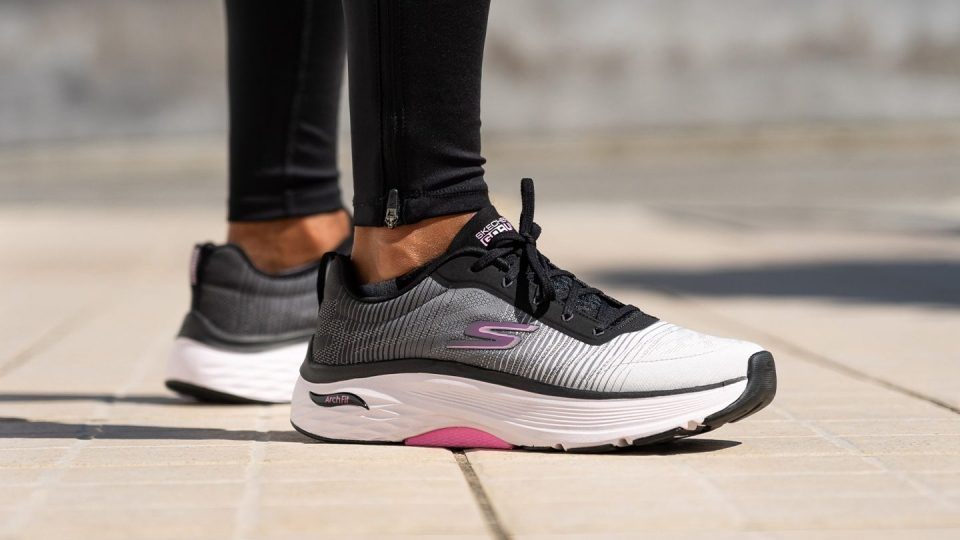
To appreciate a shoe that excels in both form and function, one must first understand its construction. The foundation lies in the midsole, typically crafted from advanced materials like EVA (ethylene-vinyl acetate) foam or polyurethane. According to biomechanics literature from institutions like the University of Calgary’s Human Performance Laboratory, the primary role of the midsole is shock attenuation—absorbing the impact forces, which can be 1.2 to 1.5 times your body weight with each step, before they travel up your kinetic chain. A well-cushioned midsole isn’t just about softness; it’s about responsive energy return. The outsole, meanwhile, requires a strategic balance. A rubber compound with a patterned tread (like a flex groove or multi-directional lugs) provides necessary traction, a principle underscored by safety studies in ergonomics. However, for urban style, this tread is often streamlined and minimal, avoiding the bulky, aggressive look of a trail runner. The upper is where style truly dialogues with science. Modern engineered knits and breathable meshes offer a contoured, sock-like fit that reduces friction points, a concept supported by podiatric medicine focusing on blister prevention. Brands now integrate these technical fabrics with premium suedes, leathers, and thoughtful color blocking, transforming the shoe from a mere tool into a design object. The arch support and heel counter are meticulously designed to be supportive yet discreet, ensuring stability without the visual weight of overt medical devices. This harmonious integration is what defines the new generation of shoes to walk in.

Silhouette and Aesthetic: From Tech-Wear to Minimalist Chic
The visual language of walking shoes has dramatically expanded. On one end of the spectrum, we have the “tech-wear” inspired silhouette. Think of brands like Salomon or certain HOKA styles that have been adopted by fashion circles. These shoes to walk in embrace their technical origins with bold geometries, dynamic paneling, and vibrant accent colors. They make a statement that is intentionally futuristic and functional, pairing exceptionally well with tailored nylon trousers, technical fabrics, and minimalist urban outfits. The appeal lies in the honest expression of utility, a trend validated by the rise of “gorpcore” in fashion media. On the opposite end resides the minimalist chic sneaker. Brands like Koio, Common Projects, or even refined styles from New Balance offer clean, low-profile designs often in monochromatic leather or nubuck. Their power is in their simplicity and impeccable craftsmanship. As designer Tom Ford once noted, “Dressing well is a form of good manners.” A pristine, minimalist white sneaker can elevate a linen suit, a silk dress, or a pair of raw denim jeans precisely because it doesn’t shout; it provides a polished, quiet foundation. The common thread between these disparate aesthetics is intentionality. Whether chunky or sleek, the shoe is chosen not by default, but for its specific contribution to the outfit’s narrative and its proven capability as a reliable shoes to walk in for extended periods.
The Material World: Where Technology Meets Texture
Material choice is the crucible where comfort technology and tactile style fuse. Traditional leather, while luxurious and mold-forming, has been revolutionized with internal perforations and hybrid constructions to enhance breathability. However, the real game-changers are high-tech textiles. Knit uppers, pioneered by brands like Adidas with Primeknit, provide a dynamic, adaptive fit that moves with your foot. This isn’t just marketing; research in textile engineering highlights how these single-piece constructions eliminate seams that cause hotspots, directly enhancing comfort for prolonged wear. Recycled polyester and ocean plastic meshes are now standard, appealing to the eco-conscious consumer without sacrificing performance. From a style perspective, these materials offer new textures and a contemporary feel. A knitted sneaker in a neutral tone presents a soft, modern look, while recycled mesh panels can add visual depth and a story of sustainability. Furthermore, treatments like water-repellent coatings (e.g., GORE-TEX INFINIUM™) add a practical, weather-ready dimension without the bulk of a full boot, allowing your style to remain consistent across seasons. The informed choice of material ensures the shoe performs its primary duty—being a joy to walk in—while its surface appeal elevates your entire ensemble.
The Color Palette Strategy: Neutral Foundations and Strategic Pops
Color is your most powerful tool for integration. A versatile walking shoe wardrobe is built on a foundation of neutrals. Classic white, of course, acts as a fresh canvas. But consider expanded neutrals: oat, grey, olive, navy, or even a deep burgundy. These colors possess immense stylistic bandwidth. A study of color theory in fashion, often referenced in design school curricula, emphasizes how these hues create cohesion and allow other elements of your outfit to take center stage. They are the sartorial equivalent of a reliable baseline. Once this foundation is set, you can introduce strategic color pops. This could be a signature brand stripe in a bright hue, vibrantly colored laces, or a model known for its bold color-blocking. The key is restraint. Let one element—the outsole, the heel tab, the lining—carry the accent color, which can then be echoed in a bag, a scarf, or a piece of jewelry. This approach follows the principle of repetition, a core tenet of visual design, creating a polished and intentional look. Your shoes to walk in become not just a comfortable base, but an active, coordinating participant in your outfit’s color story.
:max_bytes(150000):strip_icc()/woman-feet-running-on-road-closeup-on-shoe--young-fitness-women-runner-legs-ready-for-run-on-the-road--sports-healthy-lifestyle-concept--1192508928-4ad65578a5b64bfe95d29e3182fbb398.jpg)
Investment and Care: Protecting Your Stylistic and Functional Asset
Viewing your walking shoes as a long-term investment shifts the purchasing calculus. While discounted prices can be found during seasonal sales or on reputable e-commerce platforms—often bringing premium models from brands like Ecco, On, or Cole Haan into a more accessible range—the initial cost should be amortized over years of service, not just months. Professional knowledge dictates that even the best shoes have a functional lifespan. The American Podiatric Medical Association suggests monitoring for visible signs of wear, such as compressed cushioning or uneven heel erosion, typically after 300-500 miles of use. Proactive care extends this lifespan dramatically. Regular cleaning with appropriate products for the material (suede brushes, leather conditioner, gentle soap for mesh) preserves the aesthetic. Rotating between two pairs allows the midsole foam to fully decompress between wears, maintaining its resilience—a tip often emphasized by running shoe experts. Consider professional resoling for high-quality leather or specialty sneakers; services like those offered by skilled cobblers can completely renew a beloved pair. This cycle of mindful purchase, attentive care, and timely renewal ensures you always have a foundation of stylish, supportive shoes to walk in ready to elevate your daily presentation.
:max_bytes(150000):strip_icc()/when-should-i-replace-my-walking-shoes-3436325-0801-7a1840d83573471092e0380f9e230ecc.jpg)
The pursuit of the perfect walking shoe is, ultimately, a pursuit of holistic self-presentation. It is a rejection of the false choice between well-being and appearance. By applying a discerning eye to anatomy, silhouette, material, and color, you curate a footwear selection that performs with silent, scientific efficiency and speaks with visual eloquence. Your stride becomes more confident because your feet are supported, and your outfit becomes more compelling because every element, down to the ground, is considered. Let your shoes be the testament to a philosophy where comfort is not concealed but celebrated as the ultimate foundation of style.
