

The Ultimate Guide to Choosing Shoes That Walk With You
Your journey begins from the ground up, and the foundation of every step is the shoe you wear. This isn’t about fleeting fashion or brand prestige; it’s about forming a partnership with an object designed for motion. The right pair of shoes to walk in becomes an extension of your body, a silent ally that supports, protects, and propels you. The wrong pair is a source of distraction, discomfort, and potential injury. We navigate a world saturated with options, each promising comfort and performance. This guide cuts through the noise, offering not just a checklist, but a philosophy for selection. It’s about understanding the dialogue between your foot, your gait, and the terrain, ensuring that with every mile, your shoes are truly walking with you.
The Anatomy of a Step: Why Engineering Matters
Before considering style or color, we must respect the biomechanical marvel that is the human foot. Comprising 26 bones, 33 joints, and over a hundred muscles, tendons, and ligaments, the foot is a complex adaptive structure. Its primary functions—shock absorption, propulsion, and adaptation to uneven surfaces—are often compromised by poor footwear. The Harvard Medical School notes that improper shoes can contribute to a cascade of issues, from plantar fasciitis and bunions to knee, hip, and even back pain. The goal, therefore, is to find shoes to walk in that complement this natural engineering rather than fight against it. Consider the arch: it’s not a rigid bridge but a dynamic spring. A shoe with appropriate arch support helps maintain this structure under load, distributing pressure evenly. The midsole, often made from EVA (ethylene-vinyl acetate) or polyurethane, is the primary shock absorber. Its density and thickness should correspond to your weight and the impact of your stride. The heel counter—the firm cup at the back—must be sturdy to stabilize the heel, preventing excessive rolling (overpronation or supination) that can misalign the entire kinetic chain. As renowned podiatrist Dr. William Rossi stated, “The foot is a masterpiece of engineering and a work of art.” Choosing footwear is about honoring that masterpiece, not imprisoning it.
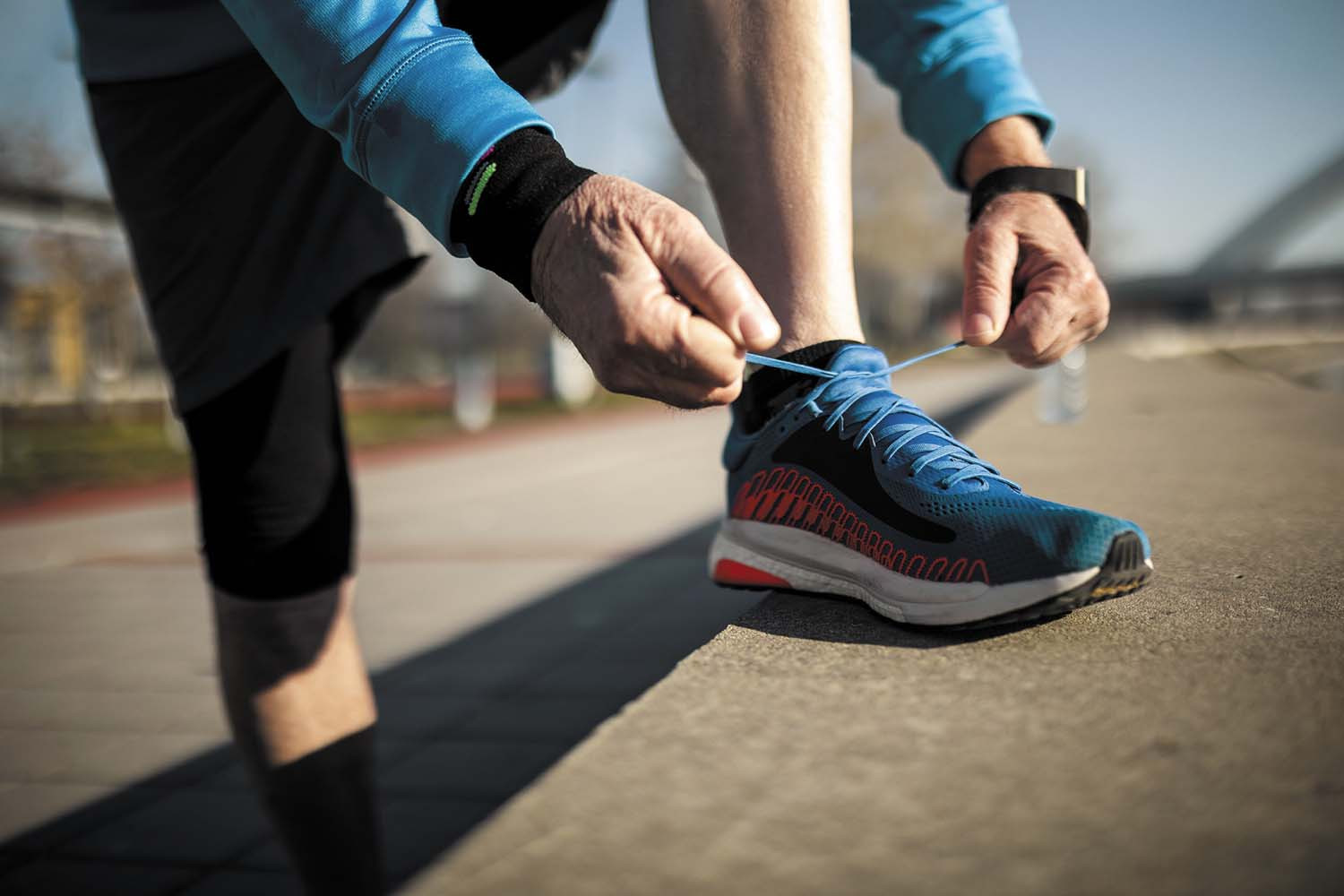
Decoding Your Gait: The Personal Blueprint
You possess a walking signature as unique as your fingerprint—your gait cycle. Selecting the perfect companion for your miles requires a diagnosis of this pattern. The process, known as gait analysis, is no longer confined to elite athletes; many specialty running stores offer basic versions. It typically involves walking or running on a treadmill while a specialist observes or records your feet. The key observation is the degree of pronation: the natural inward roll of the foot after heel strike. Neutral pronation is ideal, where the foot rolls inward about 15%, optimally distributing force. Overpronation, an excessive inward roll, is common and requires shoes to walk in with stability or motion control features—firmer medial (inner) posts to limit that roll. Underpronation (or supination), a lack of inward roll, means impact is concentrated on the outer foot, demanding highly cushioned, flexible shoes to aid in shock absorption. Ignoring your gait is like using a map for the wrong city; you might move, but you’re likely to get lost, or in this case, hurt. Resources from authoritative institutions like the American Academy of Podiatric Sports Medicine provide detailed insights into these patterns, emphasizing that there is no “best shoe,” only the best shoe for your unique mechanics.
The Terrain Dictates the Tool: Matching Shoe to Surface
A mountaineer wouldn’t wear ballet slippers, and a ballerina wouldn’t wear crampons. The surface you most frequently traverse is a non-negotiable factor in your choice. Road walking shoes are designed for pavement and hard, even surfaces. They prioritize cushioning above all else to combat the relentless impact of concrete. Their outsoles are made of durable carbon rubber but with flexible grooves for smooth heel-to-toe transitions. Trail walking shoes, in contrast, are the off-road vehicles of footwear. They feature aggressive, multi-directional lugs on the outsole for grip on mud, loose gravel, and roots. They often have rock plates—thin, rigid shields in the midsole—to protect your feet from sharp stones, and more robust uppers to shield against debris. A hybrid option exists for mixed paths. The philosophy here is specificity. As the famous quote often attributed to Abraham Maslow goes, “If the only tool you have is a hammer, you tend to see every problem as a nail.” Don’t let a single pair of shoes be your hammer for every terrain. The right tool ensures efficiency, safety, and enjoyment, making your chosen shoes to walk with you a true partner in exploration.
:max_bytes(150000):strip_icc()/woman-feet-running-on-road-closeup-on-shoe--young-fitness-women-runner-legs-ready-for-run-on-the-road--sports-healthy-lifestyle-concept--1192508928-4ad65578a5b64bfe95d29e3182fbb398.jpg)
Beyond the Spec Sheet: The Intangibles of Fit and Feel
Technical specifications are a map, but the actual journey happens when the shoe is on your foot. This is where objective data meets subjective experience. The golden rule of fit is to shop in the afternoon or evening, as feet naturally swell throughout the day. There should be a thumb’s width (about half an inch) of space between your longest toe (which isn’t always the big toe) and the end of the shoe. Width is equally critical; your foot should not spill over the midsole, nor should there be excessive gaping. The heel must sit snugly without slipping. But fit is just the baseline. Feel is the higher standard. When you take those first steps in the store, do you feel secure? Does the shoe bend at the same point your foot wants to flex? Is the cushioning responsive without being mushy? This is the “walk test,” and it’s irreplaceable. Renowned ultrarunner and author Scott Jurek, in his book Eat and Run, speaks less about specific brands and more about the sensation of footwear that disappears on the trail, becoming a seamless part of the motion. That is the ultimate goal: a shoe that you forget you’re wearing because it works in such perfect harmony with your movement.
The Lifecycle of a Shoe: Knowing When to Let Go
A profound, yet often overlooked, aspect of the partnership with your footwear is recognizing its expiration date. Shoes are not timeless; their cushioning and structural integrity degrade with use, long before the upper looks worn out. The general consensus among sports medicine professionals is to replace walking shoes every 300 to 500 miles. For a daily walker covering 3 miles, that’s roughly every 4 to 6 months. The primary culprit is midsole compression. The EVA foam that provides critical shock absorption loses its resiliency over time, transferring more impact to your joints. You can perform simple checks: look for uneven wear patterns on the outsole, or press your thumb into the midsole—if it feels hard and unyielding compared to a new shoe, its time is likely up. Clinging to old shoes for sentimental or economic reasons is a false economy, potentially leading to injury and much higher costs. Think of it as maintaining any vital piece of equipment; regular replacement is a non-negotiable investment in your continued mobility and comfort. Your next pair of shoes to walk in awaits, ready to begin a new chapter of the journey.
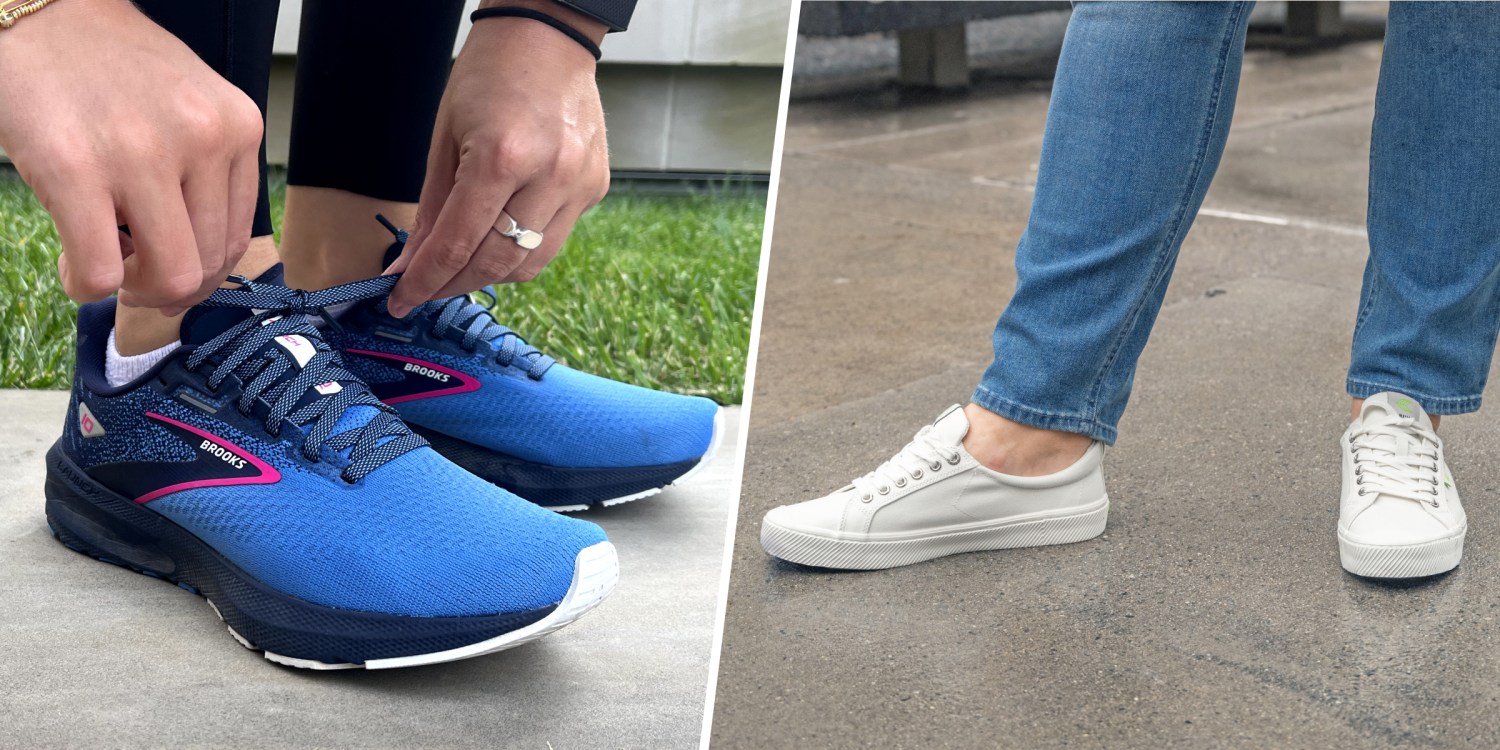
Investing in Your Stride: Value Beyond the Price Tag
In a world of fast fashion and instant gratification, it’s tempting to seek the lowest price point. However, viewing footwear through the lens of cost-per-wear and health investment reveals a different calculus. A $150 pair of properly fitted, gait-appropriate shoes worn for 500 miles costs 30 cents per mile. A $50 pair that causes blisters, shin splints, or worse, and is discarded after 100 miles, costs 50 cents per mile and comes with a side of pain. The true value lies in the amalgamation of research, quality materials, and ergonomic design that reputable brands invest in. This doesn’t mean you must buy the most expensive option. It means prioritizing fit and function over flash. Look for seasonal sales at specialty retailers, last season’s models (where the updates are often cosmetic), or reputable online outlets. The professional knowledge you gain from this guide empowers you to spot true quality and technological innovation, ensuring that even a discounted purchase is a smart one. You are not buying a commodity; you are selecting a partner for hundreds of thousands of steps. That partnership deserves careful consideration and an investment that pays dividends in health, vitality, and the pure joy of unhindered movement.

The search for the perfect shoes to walk with you is a conversation between body and tool, intention and design. It begins with a respect for your own biomechanics, demands an honest assessment of your habits and terrain, and culminates in a fit that feels like a natural extension of yourself. This journey is not about reaching a destination of a single “perfect” pair, but about cultivating the wisdom to choose wisely, again and again, as your needs and the paths change. When you lace up a pair chosen with this depth of understanding, you’re not just putting on shoes. You’re gearing up for discovery, equipped with a foundation that supports every ambition, from a quiet neighborhood stroll to the winding path of a lifelong adventure. Let your steps be confident, comfortable, and entirely your own.
