

The Ultimate Guide to Choosing Shoes That Walk With Confidence
Your journey begins with a single step, and the foundation of that step is the shoe you wear. This isn’t about fleeting fashion or brand prestige; it’s about forging a partnership with an object that carries you through life. The right pair of shoes to walk in transforms movement from a mundane task into an act of empowered, confident progression. They are the unsung heroes of biomechanics, the silent guardians of your joints, and the critical interface between your body and the ground. Choosing them wisely is not an act of consumption, but an investment in your physical autonomy and long-term well-being. Let’s move beyond superficial advice and delve into the architecture of confidence, one informed step at a time.
The Biomechanical Blueprint: How Your Foot Works
To choose a shoe intelligently, one must first understand the marvel of engineering it is meant to support: the human foot. Comprising 26 bones, 33 joints, and over a hundred muscles, tendons, and ligaments, the foot is a dynamic, adaptive structure. Its primary functions are shock absorption, propulsion, and adaptation to uneven terrain. The gait cycle—the process of taking a step—is a complex symphony of heel strike, foot flat, mid-stance, heel-off, and toe-off. A proper shoes to walk in should facilitate this natural motion, not hinder it. Research from institutions like the Harvard Medical School emphasizes that footwear altering natural foot mechanics can contribute to a cascade of issues, from plantar fasciitis to knee and hip pain. The foot’s arch, for instance, isn’t a rigid bridge but a spring-loaded mechanism. Shoes that are overly supportive with rigid arch structures can actually weaken the intrinsic foot muscles over time. As Dr. Casey Kerrigan, a former Harvard Medical School professor and gait researcher, has pointed out in numerous studies, many conventional shoes, especially those with elevated heels and tapered toe boxes, create an unstable environment that increases joint torques in the knees and hips. Therefore, the first principle of confident walking is selecting footwear that respects, rather than overrides, your innate biomechanics. This means looking for shoes that allow your foot to move and stabilize itself as nature intended, providing protection without imposing excessive control.
Decoding the Shoe: Anatomy of a Confident Stride
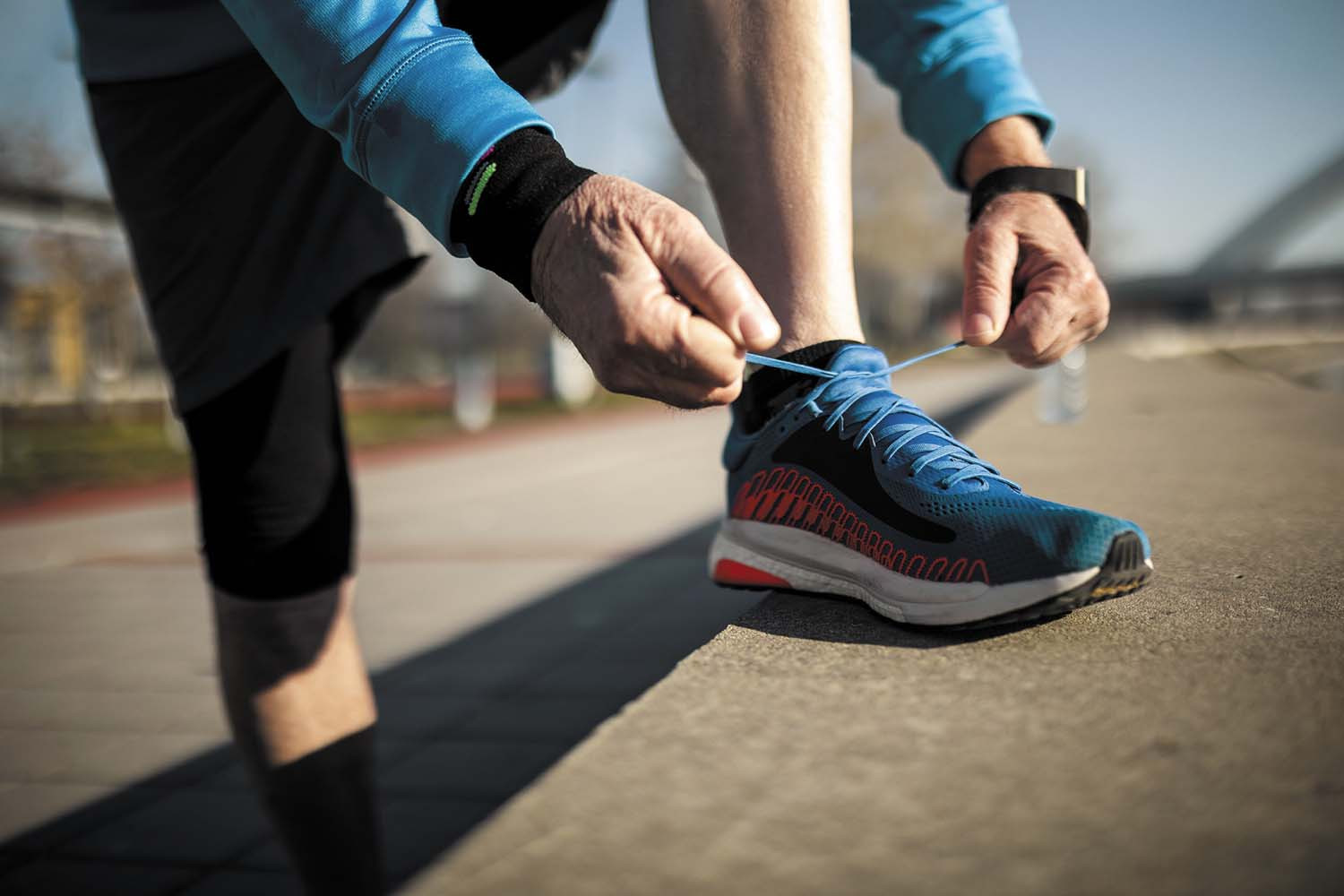
Every component of a shoe serves a purpose. Let’s dissect the key elements you must evaluate. The Upper is the fabric or leather portion that wraps your foot. Breathable materials like mesh prevent moisture buildup and keep feet cool, while secure lacing systems allow for customizable volume adjustment. The Toe Box is non-negotiable: it must be wide and deep enough to allow your toes to splay naturally upon ground contact. Cramped toes, a common issue highlighted by podiatrists citing sources like the American Podiatric Medical Association, can lead to deformities like bunions and hammertoes. The Midsole is the heart of cushioning and stability. This is where technologies like EVA foam, polyurethane, or gel pods reside. However, more cushioning isn’t always better. The goal is balanced cushioning that attenuates shock without creating an unstable, “mushy” platform that compromises proprioception—your body’s awareness of its position in space. The Heel Counter is the firm cup at the back of the shoe that stabilizes the heel, preventing excessive side-to-side motion that can strain the Achilles tendon. Finally, the Outsole provides traction. A flexible outsole with a strategic lug pattern (deeper for trails, shallower for pavement) ensures grip and allows the shoe to bend with your foot during toe-off. When these components work in harmony, they create the ideal environment for your feet to function, making every pair you consider a potential set of shoes to walk with true assurance.
The Fit Formula: Beyond the Size Number
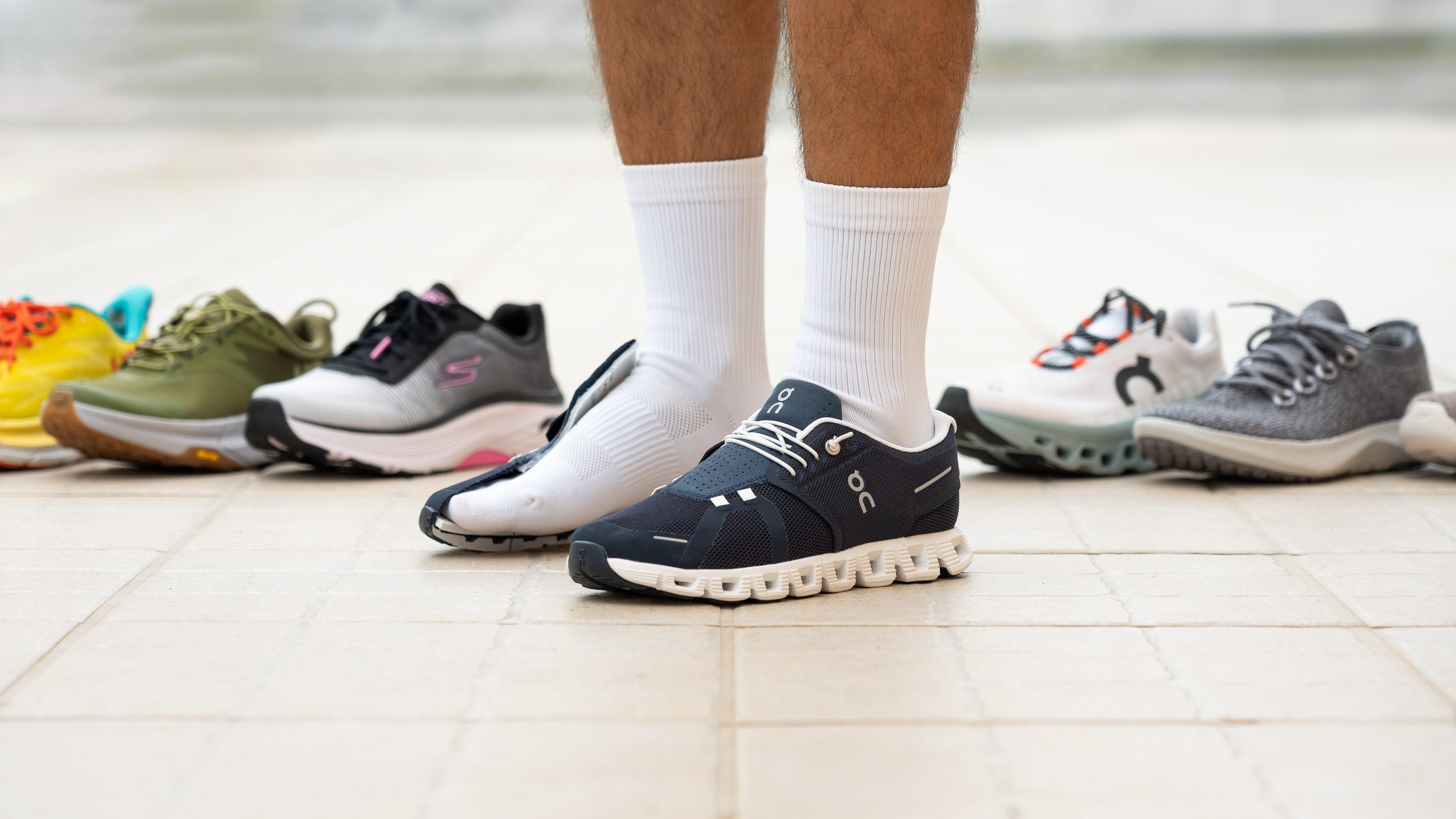
Perhaps the most critical, and most often bungled, aspect of selection is fit. Your shoe size is a starting point, not a destination. Feet swell throughout the day and during activity, so always shop for shoes in the late afternoon or evening. There should be about a thumb’s width (roughly 3/8 to 1/2 inch) of space between your longest toe (which isn’t always the big toe) and the end of the shoe. Width is equally crucial; you should be able to gently pinch a small amount of the upper material across the widest part of your foot. The heel should sit snugly without slipping. A profound perspective on this comes from the world of long-distance hiking, where fit is paramount. As noted by authorities on platforms like Backpacker Magazine and expert-led YouTube channels, the wrong fit isn’t just uncomfortable—it’s a trip-ender. Blisters, black toenails, and hot spots are almost exclusively the result of poor fit, not shoe “break-in.” When you find that perfect fit, the shoe ceases to be an external object and becomes an extension of your body, a true partner in your shoes to walk journey. Don’t be loyal to a number; be loyal to the sensation of secure, unobstructed comfort.
Context is King: Matching Shoe to Surface and Purpose
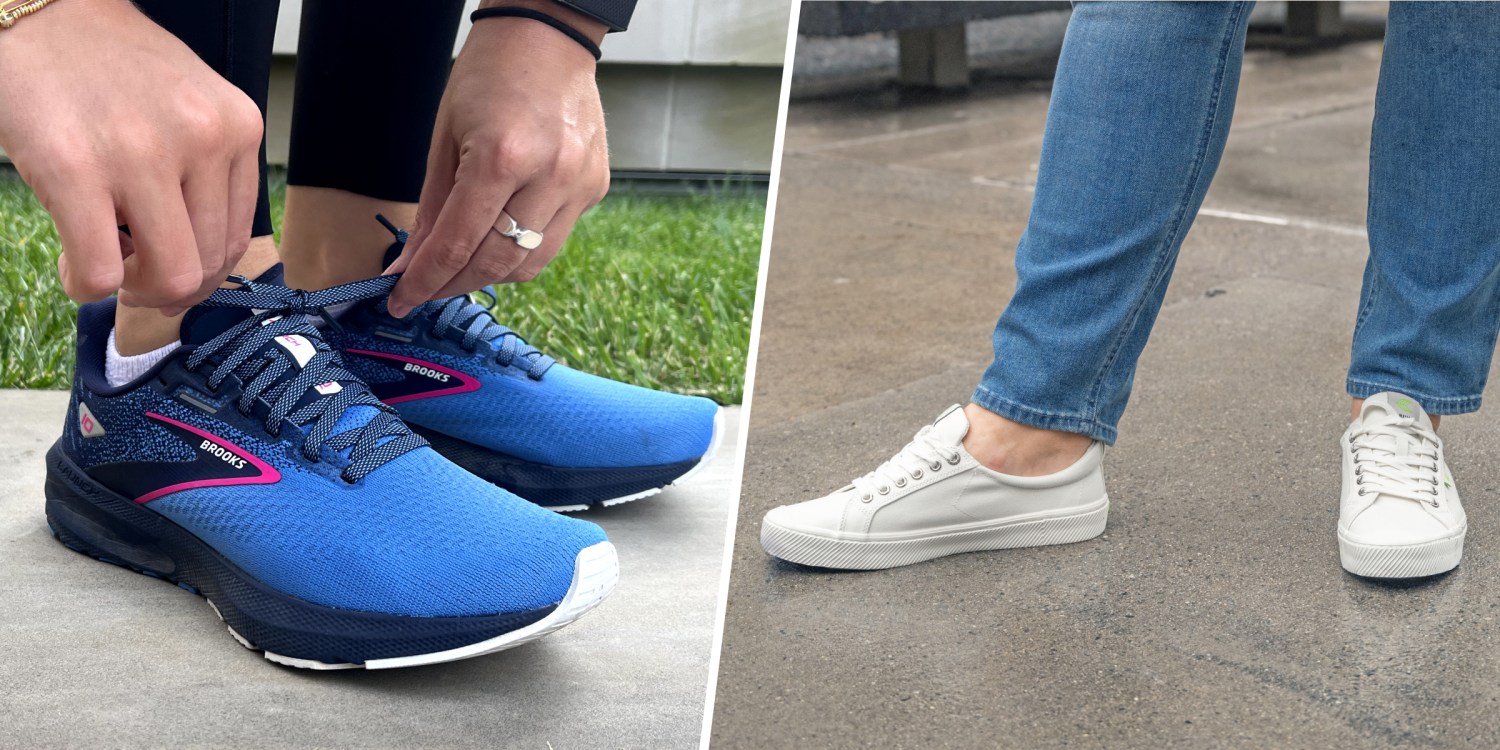
A shoe designed for the polished floors of a museum will fail on a muddy forest path, and vice versa. Purpose dictates design. For dedicated walking shoes on paved surfaces, prioritize lightweight construction, flexible forefoots, and moderate cushioning. For trail walking, look for aggressive outsoles with deep lugs for grip, protective toe caps, and often more structured uppers to shield from debris. The difference is stark, as explained by gear reviewers on sites like OutdoorGearLab, who perform rigorous comparative testing. Consider also the volume of walking. A shoe built for a daily 30-minute neighborhood stroll may not have the durability or support for someone training to walk a marathon. Furthermore, occupational demands matter. A nurse or teacher who spends 12 hours on their feet requires a shoe with exceptional all-day support and cushioning, often leaning into models recommended by professional associations. The famous film Forrest Gump offered a simplistic view—”My mama always said you can tell a lot about a person by their shoes”—but in a practical sense, you can tell everything about the intended journey by the shoes chosen for it. Selecting the right tool for the terrain is a fundamental act of self-care and preparedness.
The Investment Perspective: Cost, Value, and Longevity
High price does not always equate to high value for your specific needs, but extremely cheap shoes often carry a hidden cost in poor materials, construction, and support that can lead to medical expenses. The sweet spot involves identifying shoes built with quality components that match your use case. Most walking shoes have a lifespan of 300 to 500 miles. Beyond this, the midsole foam compacts and loses its ability to absorb shock, even if the outsole looks intact. Wearing worn-out shoes is akin to driving a car with bald tires—it’s a preventable risk. To maximize value, consider purchasing previous-season models, which often see significant discounts as new colorways are released. Many reputable brands offer direct-to-consumer sales on their websites with discounts of 20-30% off. Furthermore, specialty running stores, while sometimes carrying premium prices, offer expert fitting services that can prevent costly mismatches. As the adage often attributed to wise consumers goes, “The bitterness of poor quality remains long after the sweetness of low price is forgotten.” Investing in the right pair is an investment in your mobility. When you find that perfect pair of shoes to walk in, the cost per confident mile becomes negligible.
Listening to the Experts: A Synthesis of Authority
While personal experience is vital, grounding your decision in expert consensus provides a robust framework. Podiatrists consistently advocate for shoes with a low heel-to-toe drop (the difference in height between heel and forefoot) to promote a more natural gait. Biomechanics literature from universities like the University of Calgary often highlights the benefits of shoes that promote sensory feedback from the ground. On social platforms like Twitter, certified pedorthists frequently debunk myths, such as the need for “arch support” in every shoe, emphasizing instead the importance of proper space and fit. Even historical figures understood the principle; the Roman poet Juvenal wrote of “mens sana in corpore sano“—a sound mind in a sound body. A sound body begins from the ground up, with feet that are well-supported and free to move. This confluence of modern science, professional practice, and timeless wisdom points to a clear conclusion: the best shoe is the one that disappears in its duty, allowing you to move with unconscious confidence and focus on the world ahead, not the ground beneath.
Your search for the perfect shoes to walk in is a quest for a tool of liberation. It is a deliberate choice to honor the complexity of your body and the seriousness of your journeys, whether they span city blocks or mountain trails. Confidence doesn’t come from the logo on the side; it emanates from the silent, sure knowledge that with every step, you are supported, protected, and free to move as you were designed to. Forget about conclusions and final words. Let your next step, taken in a shoe chosen with knowledge and intent, be the only statement you need.
