

Styling Your 80s Sneakers for Modern Cool
The resurgence of 80s sneakers is not merely a nostalgic blip but a full-fledged sartorial revolution. These shoes, born from a decade of bold experimentation, technological leaps in athletic wear, and burgeoning street culture, carry a DNA of rebellion and innovation. To integrate them into a contemporary wardrobe is to engage in a dialogue between eras, crafting a look that is intentionally curated, historically aware, and undeniably fresh. This isn’t about costume; it’s about harnessing the inherent architectural and aesthetic power of classic silhouettes to build a personal style that stands apart from fleeting trends. The chunky soles, vibrant color-blocking, and technical materials that defined the era now serve as foundational elements for a modern uniform of cool.
Decoding the DNA: Why 80s Sneakers Endure
To style these sneakers effectively, one must first understand their origin story. The 1980s were a golden age for athletic footwear, driven by an fitness craze, the rise of hip-hop and breakdancing culture, and significant advancements in polymer technology. Brands like Nike, Adidas, Reebok, and Puma were not just making sports equipment; they were crafting cultural icons. The introduction of visible Air cushioning by Nike, for instance, was as much an engineering marvel as a design statement. As Dr. Elizabeth Semmelhack, Senior Curator at the Bata Shoe Museum, notes in her research on sneaker culture, “The 1980s saw the sneaker transition from the court and the track to the street, becoming a potent symbol of identity and aspiration.” This transition was fueled by celebrity endorsements from basketball legends like Michael Jordan and cinematic icons like the characters in “Back to the Future,” whose self-lacing Nike Mags became a futuristic grail. The durability of these designs is rooted in their authentic connection to subcultures. A pair of 80s sneakers might reference the graffiti-covered trains of New York, the neon-lit aerobics studios, or the hardwood courts of the NBA. Their “cool” is earned, not manufactured, giving them a timeless credibility that modern reproductions often strive to capture.

The Foundation: Mastering Proportion and Silhouette
The most common hurdle in wearing 80s sneakers is their often bulky, voluminous shape. The key to modern integration lies in playing with proportion. The foundational rule is balance. A chunky, statement sneaker demands a more streamlined silhouette from the clothing above it. This is where minimalist principles intersect with maximalist footwear. Think of the sneaker as the architectural anchor of your outfit. Pairing them with slim or straight-leg trousers—be they denim, chino, or tailored wool—creates a clean, intentional line that prevents the look from becoming bottom-heavy. The hem of your pants is crucial; a slight cropped ankle or a precise, non-dragging break showcases the shoe fully, treating it as the centerpiece it is. For a more avant-garde take, explore the contrast of an oversized top, like a boxy chore jacket or a slouchy sweater, with tapered pants. This “volume on top, narrow below” approach frames the sneaker perfectly. As fashion commentator and YouTuber Brittney Lee Saunders often demonstrates in her style breakdowns, “A bulky sneaker can actually make your legs look more slender by comparison, but only if you avoid adding bulk everywhere else. Let the shoe be the hero.” This approach to proportion transforms the sneaker from a casual afterthought into a deliberate, styling focal point.
Color Theory in Action: From Bold Blocking to Neutral Grounding
80s sneakers are famous for their audacious color palettes: electric blues, fiery reds, acid yellows, and stark white leather panels. The modern styling trick is to use your clothing to either complement or contextualize these hues. One effective strategy is the “one anchor color” method. Let the dominant color in the sneaker inform a single element of your outfit—a sweater, a sock, or the accent on a jacket. This creates cohesion without descending into matchy-matchy territory. For example, a sneaker with royal blue highlights can be subtly echoed in a navy crewneck sweater. The opposite, and perhaps more sophisticated, approach is neutral grounding. Surround your vibrant 80s sneakers with a palette of black, white, grey, beige, or olive. A monochrome outfit in black—from a cotton tee to a leather jacket to slim jeans—makes a pair of neon-accented sneakers pop with graphic intensity, framing them as a dynamic work of art against a minimalist canvas. This technique is frequently employed by street style stars in fashion capitals, proving that loud shoes don’t require a loud entire ensemble. Referencing color theory principles from authoritative sources like the Pantone Color Institute, this controlled use of contrast creates visual interest that feels modern and considered, not chaotic.
Context is Everything: Building Outfits Around Your Sneaker Style
Different styles of 80s sneakers lend themselves to different aesthetic narratives. Understanding this allows for more nuanced styling.
The Technical Runner: Futuristic Utility
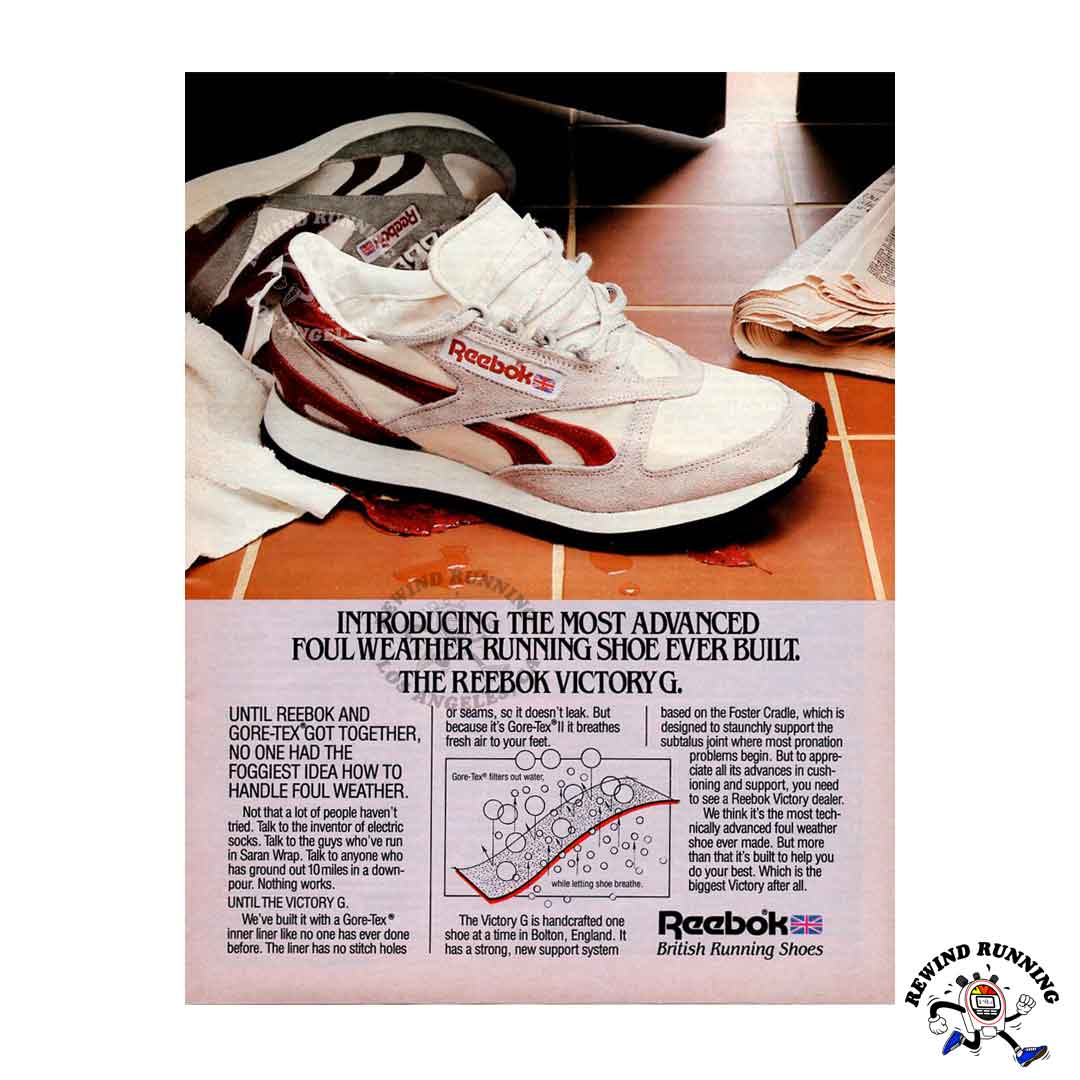
Think of models like the Nike Air Max 1 or the Reebok Classic Leather. These often feature mesh, suede, and grey-based color schemes. They speak the language of retro-futurism and utility. Style them with technical fabrics: nylon track pants, a sleek puffer vest, and a simple, high-quality tee. A lightweight anorak or a cargo pant with clean lines complements this aesthetic perfectly. This look draws inspiration from the tech-wear and gorpcore trends, merging athletic heritage with contemporary function. It says you appreciate design history but live in the present. The vibe is less “gym-ready” and more “urban explorer,” a sentiment echoed in design-focused publications like Wallpaper magazine, which often highlights the intersection of sportswear archives and modern design.
The Bold Statement: High-Tops and Basketball Heritage
This category includes iconic models like the Converse Weapon or early Air Jordans. They carry an inherent swagger and connection to basketball and hip-hop culture. The modern approach leans into smart casual juxtaposition. Try pairing crisp, high-top 80s sneakers with relaxed, pleated trousers in wool or cotton and a well-fitted oxford shirt. Roll up the sleeves, maybe add a vintage sports cap. This blend of formal and casual, athletic and refined, is a cornerstone of modern menswear and womenswear. It acknowledges the shoe’s competitive heritage while repurposing it for creative, everyday life. As legendary designer and cultural observer Virgil Abloh once discussed in a lecture at the Harvard Graduate School of Design, the “3% approach”—taking a classic and modifying its context—is what creates new meaning. Wearing a basketball high-top with tailored trousers is a perfect application of this philosophy.

Beyond the Shoes: The Finishing Touches
The final layer of styling lies in the accessories and details. Your choice of socks can redefine the look: pristine white athletic socks for a pure, retro feel; contrasting colored socks for a playful, contemporary twist; or no-show socks for a cleaner, streamlined appearance. The state of the sneaker itself is a statement. Pristine, box-fresh pairs project one aesthetic, while lightly worn, cared-for pairs suggest a longer, more personal history with the item—an authenticity highly prized in vintage circles. Furthermore, consider the texture interplay. The smooth leather or nylon of a sneaker against the rough weave of a denim jacket, the soft knit of a sweater, or the sleek surface of a technical shell creates a tactile depth that elevates the entire ensemble. This attention to detail is what separates a thrown-together look from a styled one. It signals a deeper understanding of fashion as a language of composition.
Ultimately, styling your 80s sneakers for modern cool is an exercise in confident curation. It requires respecting the shoe’s history while fearlessly writing its next chapter in the context of your personal wardrobe. By applying principles of proportion, intelligent color use, and contextual outfit building, you transform these iconic artifacts of the 1980s into vital, expressive components of your current identity. The goal is not to look like you time-traveled, but to demonstrate that truly great design is always in conversation with the present, offering endless possibilities for reinvention and self-expression.

