

Styling 80s Sneakers for Modern Streetwear Looks
The resurgence of 80s sneakers is not merely a nostalgic blip on fashion’s radar; it’s a full-blown sartorial revolution rooted in authenticity, bold design, and unparalleled comfort. These iconic shoes, born from the innovation and cultural explosion of the 1980s, have seamlessly infiltrated the contemporary streetwear lexicon. This article delves into how to masterfully integrate these vintage silhouettes into modern wardrobes, moving beyond costume and into curated, personal style. We’ll explore the design principles that make them timeless, provide actionable styling frameworks, and ground our discussion in cultural history and authoritative perspectives. Forget mere retro revival; this is about leveraging a proven design legacy to craft looks that are distinctly present.
The Unshakeable Foundation: Why 80s Sneakers Endure
To style 80s sneakers effectively, one must first understand their inherent DNA. The 1980s was a decade of technological ambition and expressive individualism, reflected directly in footwear. Brands like Nike, Adidas, Reebok, and Puma entered an arms race of cushioning, support, and aesthetic flamboyance. The introduction of visible Air units, gel cushioning, and advanced stabilizing systems wasn’t just marketing—it was a paradigm shift. As Dr. Elizabeth Semmelhack, Senior Curator at the Bata Shoe Museum, notes in her research, “The 1980s sneaker became a technological totem, a wearable signifier of performance and progress.” This engineering marvel is paired with a visual language of bold color-blocking, mixed materials (mesh, leather, suede, synthetic overlays), and often chunky, geometric midsoles. These features weren’t arbitrary; they were solutions to athletic demands that, ironically, created a visually compelling object perfect for non-athletic expression. From Wikipedia’s entry on “Athletic Shoes,” the period is marked by the transition from purely functional gear to cultural symbols, heavily influenced by the rise of hip-hop and basketball superstardom. The 80s sneakers you covet today, therefore, carry this dual heritage: cutting-edge (for their time) biomechanics and potent subcultural capital. This combination creates a versatile styling tool—they are simultaneously statement pieces due to their distinct looks and foundational items due to their engineered comfort.

Framework One: The Monochrome Anchor
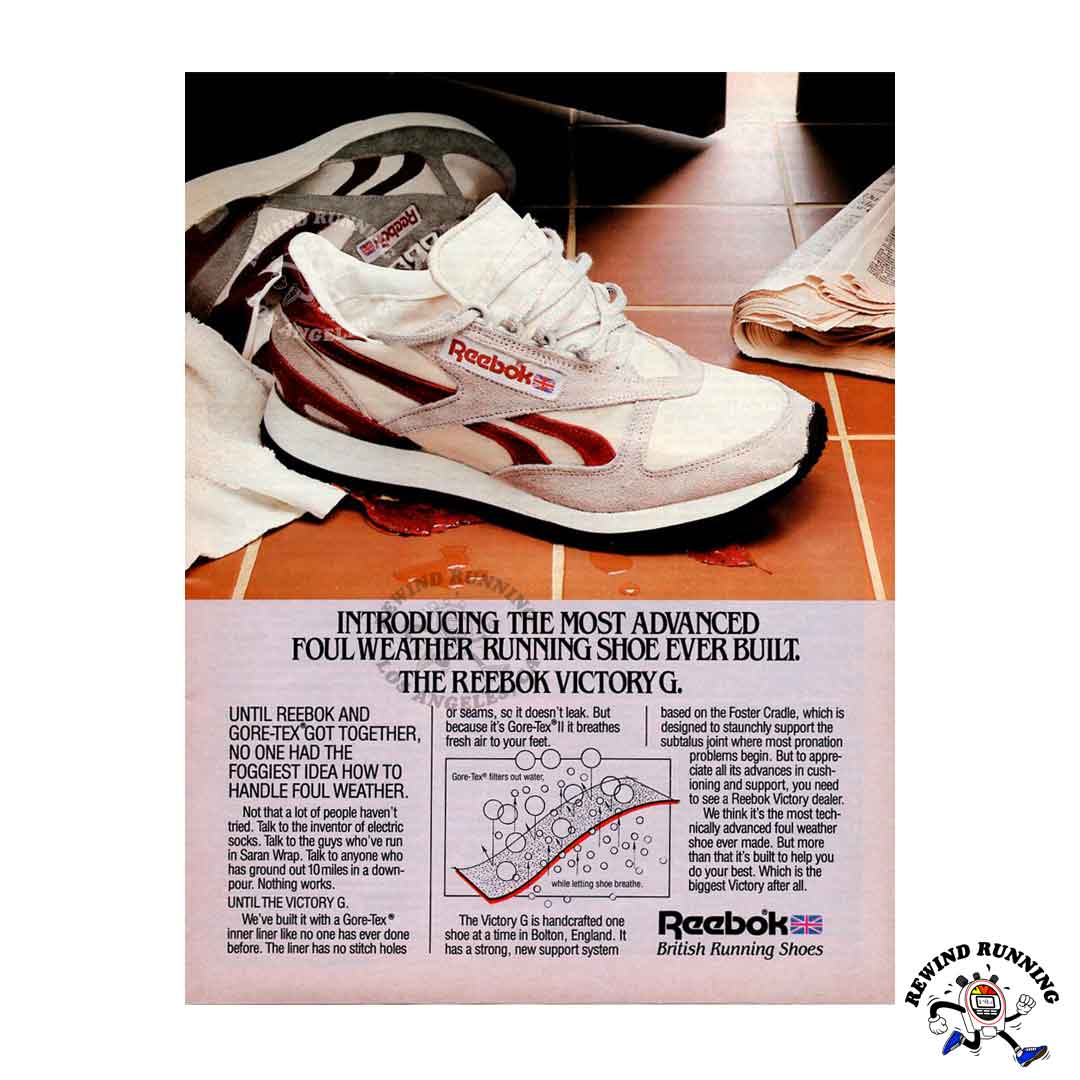
One of the most sophisticated methods to deploy an 80s sneaker is to let it be the vibrant focal point within a restrained, monochromatic outfit. This approach acknowledges the shoe’s inherent complexity without creating visual chaos. Imagine a pair of Reebok Classic Leathers or Nike Air Max 1s in their original grey and red colorway. The styling key is to build an outfit primarily in black, white, grey, or beige tones. A pair of tailored, black cargo trousers or sleek, stone-washed denim (a subtle nod to the era) paired with a simple white heavyweight cotton tee and a black overshirt or coach jacket creates a clean canvas. The sneaker then pops not through clashing, but through strategic contrast. This method is championed by contemporary stylists like Alec Leach, author of ‘The World Is On Fire But We’re Still Buying Shoes,’ who argues, “Modern minimalism often feels cold. A single, historically-rich item like an 80s trainer adds a narrative warmth and personality that pure minimalism lacks.” The monochrome base speaks to current minimalist trends, while the sneaker injects character and a tangible link to fashion history. It’s a dialogue between decades, proving that these shoes need not be paired with track suits to feel relevant. They can elevate and add intrigue to the most pared-back wardrobe essentials, offering a masterclass in balance.
Framework Two: Embracing the Maximalist Heritage
Conversely, for those who subscribe to a more-is-more philosophy, 80s sneakers are the perfect cornerstone for a deliberate, joyful maximalist look. This involves leaning into the era’s spirit of excess but curating it with a modern eye. Think of the iconic Adidas ZX series or the Nike Air Jordan 1, designs saturated with color and texture. The styling principle here is harmonious cacophony. Pair these statement sneakers with wide-leg, patterned trousers—perhaps a subtle houndstooth or a muted plaid—and layer with a vintage graphic tee and an oversized, color-coordinated sport jacket or varsity jacket. The goal isn’t random clutter but a cohesive assembly where colors from the sneaker are picked up in other elements of the outfit. This approach finds validation in the ethos of 1980s design movements like Memphis Milano, which celebrated bold geometry, clashing patterns, and a sense of playful rebellion. As documented on platforms like Quora and in fashion retrospectives, the 80s were about visibility and confidence. Styling in this way is an act of cultural citation, not mere replication. It acknowledges that the audacity of 80s design can be a liberating tool in an age of fast-fashion sameness, allowing for personal expression that is both nostalgic and fiercely contemporary.

Material Truths and Modern Comfort
A critical, often overlooked aspect of styling vintage-inspired items is their material composition and the modern wearer’s expectation of comfort. Original 80s sneakers, while innovative, often used heavier leathers and less refined foams. Today’s reissues and retro models, however, frequently incorporate contemporary updates—softer leathers, improved breathability, and more resilient, lightweight cushioning. This is where professional knowledge becomes crucial for the consumer. Brands are not just selling a look; they are selling a refined version of the past. For instance, when purchasing a retro model, investigate if it uses the original “OG” tooling or a modernized, comfort-focused sole unit. This knowledge directly impacts styling. A sneaker with a genuinely comfortable, supportive base (like the updated cushioning in modern New Balance 990 reissues) can be worn for extended periods, making it a practical choice for all-day streetwear looks, from casual meetings to city exploration. This fusion of heritage aesthetics and modern ergonomics is the secret to their enduring wearability. It’s the reason you can style them with both sleek, minimalist outfits and more demanding layered looks without sacrificing comfort—a non-negotiable in today’s fashion landscape.
The Investment Perspective: Value Beyond the Price Tag
Engaging with 80s sneakers also involves an understanding of their value proposition. While fast-fashion alternatives exist, the authentic retro models or carefully crafted reissues from heritage brands represent a different kind of purchase. They are, in many cases, investment pieces. Their value lies in their proven design longevity, quality of construction, and cultural resonance. As sneaker market analysts on platforms like YouTube often point out, well-maintained classic silhouettes not only retain value but can appreciate, forming a wearable collection. For the savvy shopper, this shifts the perspective from a disposable fashion item to a cornerstone of a rotating wardrobe. Furthermore, the secondary market and seasonal sales offer opportunities to acquire these icons at discounted prices. Patience and research—monitoring official brand outlets, reputable resellers, and archive sale sites—can yield significant savings. This financial pragmatism dovetails with sustainable fashion principles: buying better, buying less, and choosing items that won’t date quickly. The 80s sneaker, by virtue of having already survived 40 years of trend cycles, is arguably one of the most future-proof items you can add to your closet.
Cultural Integration: From Subculture to Ubiquity
The journey of the 80s sneaker from specialized athletic gear or subcultural uniform to a mainstream style staple is a masterclass in cultural diffusion. Initially, specific models were adopted by breakdancers in the Bronx (Adidas Superstar), basketball players across America (Air Jordan 1), or runners globally (Nike Pegasus). Their authenticity was earned in specific, high-intensity contexts. Films like Beat Street and Do the Right Thing visually cemented this link between sneakers, urban life, and identity. This genuine, organic adoption is the bedrock of their credibility. Today, that credibility allows them to transcend. As fashion historian and author Vikki Karaminas notes, “The appropriation and re-contextualization of street and sport codes by high fashion in the late 90s and 2000s legitimized these items for a broader audience, but their power still derives from their original, ‘real’ context.” When you style an 80s sneaker today, you are subtly tapping into this deep well of cultural history. It’s not about pretending to be a 1985 b-boy; it’s about acknowledging and repurposing a piece of design history that represents innovation, community, and self-expression. This layered meaning is what separates a thoughtful style integration from a fancy dress costume.
Final Composition: Your Personal Archive
Ultimately, styling 80s sneakers for the modern era is an exercise in personal curation. It’s about building a visual language that respects the past while speaking firmly in the present. Whether you choose the monochrome anchor method to highlight a single iconic silhouette or embrace the maximalist heritage for a bolder statement, the key is intentionality. These shoes offer a unique bridge—they are conversation starters with a proven track record of comfort and durability, especially in their modern iterations. By understanding their design principles, their cultural weight, and their smart value proposition (including hunting for those discounted prices), you move beyond consumer to curator. Your outfit becomes a composed look, a small archive of design history actively participating in your daily life. The 80s sneaker isn’t a relic; it’s a versatile, enduring tool. Your style is the workshop.

