

Styling 80s Sneakers for Modern Streetwear Edge
The resurgence of 80s sneakers is not a mere nostalgia trip; it’s a calculated reinjection of architectural silhouette, bold color theory, and unapologetic attitude into the contemporary streetwear lexicon. These shoes, born from the fusion of burgeoning athletic technology and the decade’s flamboyant cultural expression, offer a foundational piece that modern styling can deconstruct and rebuild. They are not relics to be preserved under glass but tools for crafting a distinct, personalized edge. This exploration delves into how to harness the inherent power of these iconic designs, moving beyond costume into a sophisticated, modern uniform.
The Architectural Blueprint: Deconstructing the 80s Silhouette
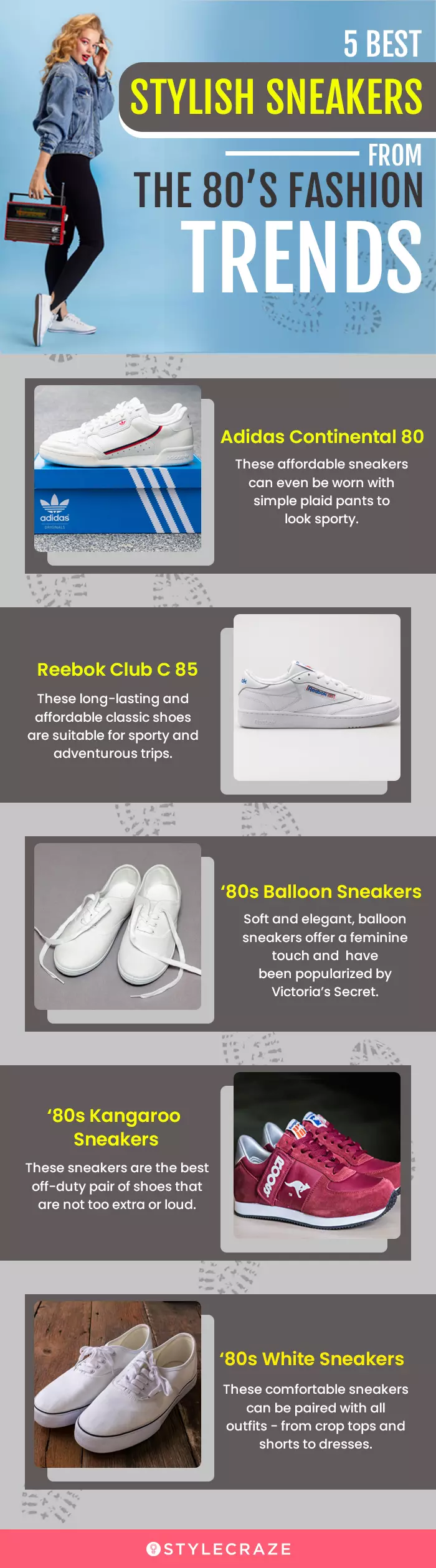
To effectively style 80s sneakers, one must first understand their design language. The 1980s were a golden age of sneaker innovation, where form began to follow function with dramatic flair. Brands like Nike, Adidas, Reebok, and ASICS were engaged in a technological arms race, resulting in features like visible Air cushioning, gel inserts, and advanced stabilizing systems. This engineering was housed in builds that were inherently bold: think bulky midsoles, high-top collars, reinforced toe boxes, and synthetic leather or mesh uins often segmented into panels of contrasting colors. As design critic Alice Rawsthorn once noted in her writings for the Design Museum, “The 1980s product design often embraced a kind of ‘technological expressionism,’ where the internal workings and structural supports became part of the external aesthetic.” This is the core of the 80s sneakers appeal—their structural honesty and volumetric presence. When placed against the often slim, minimalist, or deconstructed lines of modern streetwear—be it tailored cargo pants, oversized blazers, or relaxed-fit denim—they create a deliberate tension. This contrast is the first principle of modern styling: let the shoe be the undeniable architectural anchor of your outfit. Their complexity and scale demand simplicity and intentionality in the garments above, creating a balanced, head-to-toe composition where the sneaker is the starring protagonist, not a quiet accessory.
Color Blocking vs. Monolithic Dressing: A Strategic Choice
The vibrant, often primary-hued color blocking of classic 80s sneakers presents a powerful styling lever. You have two primary, opposing strategies. The first is echoic color blocking, where you pick up one of the secondary or accent colors from the sneaker and integrate it into your clothing—a hat, sock, or t-shirt that matches the blue detailing on a pair of Nike Air Max 1s, for instance. This creates a cohesive, almost uniform-like feel that is polished and intentional. The second, more advanced strategy is monolithic anchoring. Here, you build your entire outfit in neutral, tonal layers—shades of black, grey, oatmeal, or navy—allowing the sneakers’ explosive color palette to stand as a singular, dramatic focal point. This approach aligns with the philosophy of high-fashion stylists like Lotta Volkova, who often uses a single hyper-saturated or graphic accessory to “puncture” an otherwise subdued ensemble. The key is confidence and reduction; let the sneakers do the talking. Avoid the pitfall of adding competing patterns or multiple bright colors elsewhere, which can veer into chaotic, rather than curated, retro territory. The sneaker’s design is already a complete statement; your job is to build the perfect gallery wall for it.

Texture and Genre Fusion: Beyond the Track and Court
The true modern edge is forged in the fusion of disparate genres, and 80s sneakers are the ultimate bridging element. Their heritage is athletic, but their aesthetic is sculptural. This duality allows them to converse with a wide range of fabrics and garment types. Pair the technical mesh and leather of a Reebok Classic with the dense, tactile wool of a tailored coat or the drape of a linen overshirt. Contrast the sleek, often shiny finish of an 80s basketball high-top against the rugged, dry texture of raw denim or canvas work pants. As filmmaker and aesthetic savant Wong Kar-wai visually demonstrated in films like Chungking Express, the collision of the everyday (a cop’s uniform) with the personal (a character’s specific shoes) creates instant, relatable cool. This is the application: treat the sneaker not as a “casual” item, but as a component of a holistic aesthetic. Don’t shy away from pairing them with more “formal” or utilitarian pieces. A bulky Gola-style sneaker under a wide-leg, pleated trouser breaks expectations precisely because it respects the integrity of both items—the tailored line of the pant and the sturdy base of the shoe create a new, contemporary proportion.
The Cultural Cachet: Embedded Meaning in Every Pair
Wearing 80s sneakers is never just about aesthetics; it’s an invocation of cultural memory and subcultural affiliation. Each model carries a lineage. The Nike Air Force 1, immortalized by N.W.A. and East Coast hip-hop, speaks of urban resilience and creative dominance. The Adidas Superstar, while older, was cemented in the 80s as a staple of Run-D.M.C.’s uniform, becoming synonymous with b-boy culture and a defiant, laced-but-unlaced attitude. The Reebok Freestyle, favored by aerobic icons and Jane Fonda, carries a narrative of female athletic empowerment and high-energy pop culture. As academic research from institutions like the University of Fashion and Design in Antwerp highlights, “Sneakers function as wearable archives, encoding the social, musical, and athletic movements of their era.” When you choose a specific model, you’re subtly aligning with this history. The modern stylist is aware of this vocabulary. You can choose to lean into it—pairing AF1s with baggy jeans and a vintage sports jersey for a conscious hip-hop homage—or you can subvert it, placing those same AF1s under a sleek, minimalist techwear ensemble, thus creating a dialogue between the shoe’s gritty heritage and a futuristic present. This layer of intentional reference adds intellectual depth to your style, transforming an outfit from a mere combination of clothes into a personal statement with historical context.

Practical Alchemy: Where Knowledge Meets Value
Engaging with this style requires a blend of connoisseurship and smart acquisition. The market for vintage and retro-reissued 80s sneakers is vast. Authoritative resources like Complex’s “Sneaker of the Year” deep-dives, archival episodes of YouTube channels like “The Sole Supplier,” or even historical entries on Baidu Baike provide crucial data on model origins, collaboration significance, and material quality. This knowledge is power. It allows you to discern between a faithful retro reissue with proper materials and a cheaply made “inspired-by” version. Furthermore, understanding release cycles and the secondary market (platforms like StockX, GOAT, or even dedicated vintage dealers) is key to accessing these pieces. The savvy stylist knows that patience and research often yield better results than impulsive buys. Look for seasonal sales on brand websites for recent retro releases, or hunt for lightly worn pairs of harder-to-find models. The goal is to build a curated, versatile rotation—perhaps one iconic basketball high-top, one streamlined running silhouette, and one chunky tennis-inspired model—rather than amassing a large collection of similar items. This focused approach ensures each pair earns its place in your wardrobe and can be leveraged for multiple, distinct looks, maximizing both stylistic impact and cost-per-wear value.

The journey with 80s sneakers is one of recontextualization. It begins with recognizing their inherent design power—their architecture, their color, their texture. It deepens with an appreciation for the cultural stories they carry. The final, crucial step is the personal synthesis: using them as the foundational element upon which to build a style that is distinctly yours, a style that respects the past while firmly standing in the present. They are not a trend to be consumed, but a design principle to be adopted. When laced up with intention, they provide an edge that is both historically grounded and relentlessly modern.
