

Styling 80s Sneakers for Modern Streetwear Edge
The relentless churn of fashion trends often feels like a search for the next new thing, yet the most potent style statements are frequently unearthed by looking backward. In the landscape of contemporary streetwear, where self-expression and authenticity are paramount, a surprising champion has emerged from the archives: the 80s sneakers. These are not mere relics to be gawked at in vintage stores; they are foundational pieces, loaded with cultural DNA, waiting to be re-contextualized for a razor-sharp modern edge. This isn’t about nostalgia for nostalgia’s sake. It’s about recognizing that the design ethos of the 1980s—bold, unapologetic, and technologically aspirational—provides a perfect counterpoint to the often-minimalist or overly branded aesthetics of today. Integrating these sneakers into your wardrobe is an act of stylistic alchemy, transforming familiar streetwear formulas into something distinctly personal and visually compelling.
The 80s Sneaker: A Blueprint of Boldness
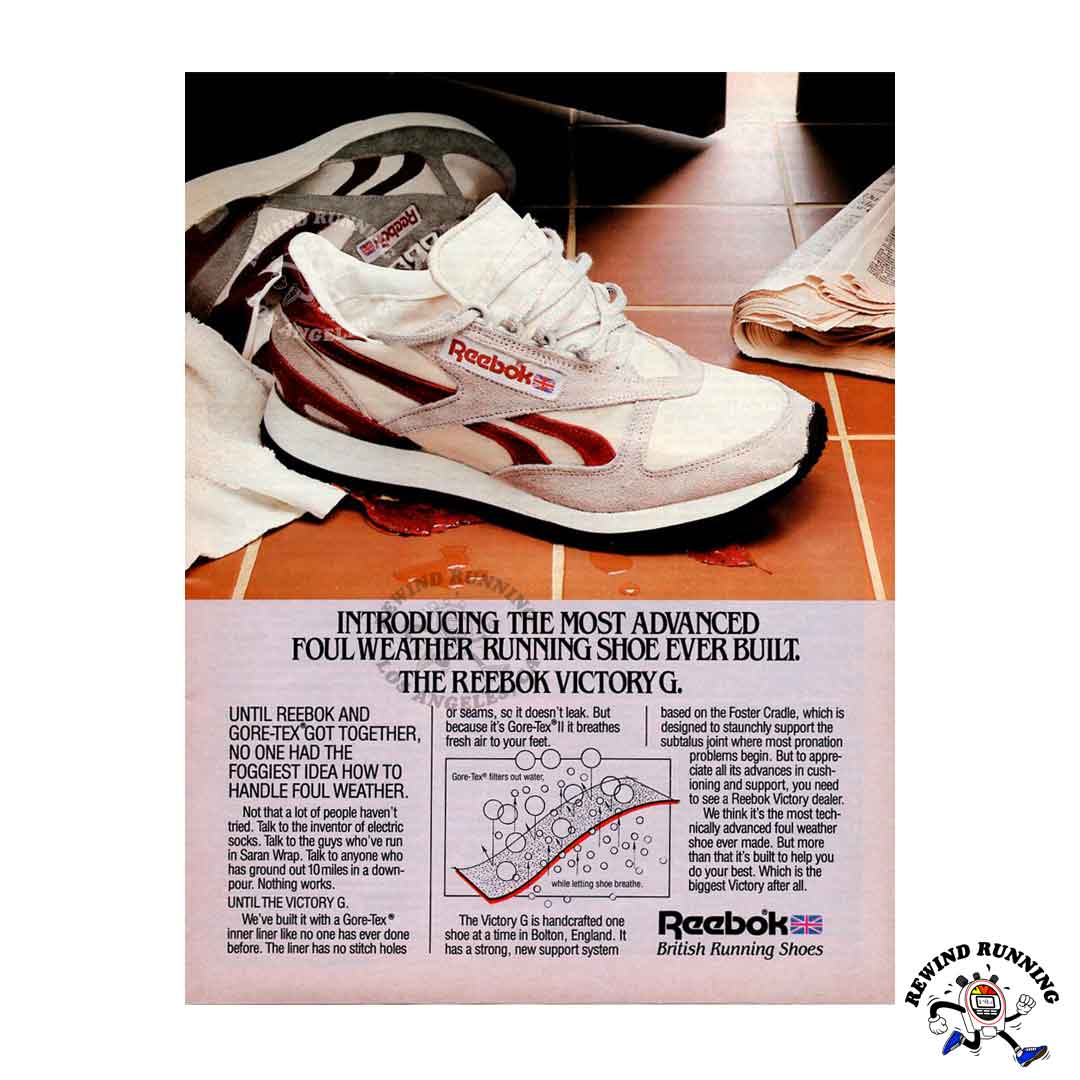
To understand why 80s sneakers work so powerfully now, we must first dissect their inherent design language. The 1980s was a decade of excess, innovation, and pop culture explosion, influences that seeped directly into footwear. According to design historians and resources like the Victoria and Albert Museum’s fashion archives, this era moved away from the simpler athletic profiles of the 70s. Instead, we saw the rise of high-top silhouettes, aggressive angular lines, and a palette that embraced not just white and primary colors, but also neon brights and metallic accents. Technologies like Nike’s visible Air cushioning (first seen in the Tailwind and popularized by the Air Force 1) or Reebok’s Hexalite and Pump systems weren’t just functional; they were worn as badges of technological honor, adding complex textures and geometries to the shoe’s profile. As sneaker historian and author of “The Sneaker Book,” Tom Vanderbilt, notes on platforms like Quora, “The 80s cemented the sneaker as a cultural totem. It was no longer just for the court or the track; it was for the video shoot, the city street, the dance floor. The design had to command attention.” This “command of attention” is precisely the quality that gives modern streetwear its edge. In a sea of streamlined low-tops and monotone colorways, a pair of chunky, tech-detailed 80s sneakers immediately establishes a point of visual interest and narrative depth.

Deconstructing the Modern Streetwear Silhouette
Contemporary streetwear, as chronicled by hubs like Highsnobiety and Complex, operates on a dialectic between comfort and statement, between the oversized and the tailored. The typical uniform might involve wide-leg cargo pants, a structured jacket, and a graphic tee. The footwear in this equation is critical; it grounds the look. This is where the 80s sneaker proves its mettle. Its inherent volume and substance provide a perfect counterweight to baggy trousers, preventing the silhouette from looking sloppy and instead creating a deliberate, stacked aesthetic from the ankle down. Conversely, when paired with slim-fit or tapered jeans, the sneaker becomes the undeniable focal point, its bold lines cutting a dramatic figure. This versatility is key. Furthermore, the color stories of 80s originals often incorporate grey, black, white, and navy—neutral enough to be versatile—punctuated by those signature pops of vibrant color on the logo, midsole, or detailing. This allows you to either let the sneakers be the solo star of your outfit or use their accent colors to create a cohesive color-link with other elements, like a cap or a pocket detail on a jacket. It’s a lesson in balanced composition, directly applicable to building a nuanced streetwear wardrobe.
Beyond the Hype: Authenticity as Currency
In an era where “hype” can feel manufactured and fleeting, authenticity is the ultimate currency. This is the second powerful argument for 80s sneakers. Their value isn’t dictated solely by a sudden collaboration or a limited drop; it’s embedded in their history. Wearing a reissue of the Nike Air Ship (associated with Michael Jordan’s early games) or the adidas Forum (a staple of 80s basketball and hip-hop culture) is to wear a piece of documented cultural history. You’re aligning yourself with the legacy of icons, from NBA legends to pioneering hip-hop groups, who first赋予 these shoes their iconic status. As filmmaker and cultural commentator Spike Lee, whose character Mars Blackmon famously obsessed over Air Jordans, once stated in an interview archived on YouTube: “It was never just about the shoe. It was about what the shoe represented—excellence, style, a breaking of barriers. That energy is still in the leather and the rubber.” This connection provides a layer of meaning that transcends transient trends. It allows your style to communicate a knowledge and appreciation for roots, offering a richer story than simply wearing the latest mass-produced trend. It’s a form of sartorial literacy.

A Practical Guide to Integration: Five Key Principles
Understanding the “why” is only half the battle. The “how” is where your personal edge is forged. Here are five concrete principles for seamlessly integrating 80s sneakers into your modern streetwear repertoire.
1. Embrace the Volume Contrast
Do not fear the bulk of a classic high-top. Instead, use it as a tool. Pair chunky sneakers like the Reebok Pump or Nike Air Flight with wide-leg, heavyweight cotton trousers or relaxed-fit denim. The pant leg should sit gracefully on top of the sneaker’s tongue and collar, creating a clean, stacked line. Avoid tucking skinny jeans into high-tops, as this can create a dated, costumed look. The modern approach is about harmonious volume, not constriction. For low-top 80s silhouettes like the adidas Samba or New Balance 574 (whose design lineage traces back to the 80s), you have more flexibility with cropped pants or even tailored shorts, allowing the shoe’s intricate midsole and toe-box detailing to be fully displayed. The principle is intentional proportion; let the sneaker’s inherent shape dictate the volume of the garments around it.
2. Color: Anchor and Accent
Most iconic 80s sneakers come in recognizable color-blocking. Use the dominant neutral color (often white, grey, or black) as your outfit’s anchor. Build your base layers—t-shirt, hoodie, jacket—around these neutrals. Then, use the sneaker’s accent color (a red logo, a blue heel tab, a yellow air bubble) as your guide for a single, deliberate pop elsewhere. This could be the color of your socks, the trim on a beanie, or even the graphic on your tee. This method creates a cohesive, considered look that highlights the sneaker without letting the outfit become a chaotic homage to 80s neon. It demonstrates control and a keen eye for detail, which is the essence of sophisticated streetwear.

3. Mix Eras, Not Aesthetics
The goal is fusion, not a head-to-toe period costume. Pair your vintage-inspired sneakers with distinctly contemporary pieces. Think a technical nylon cargo pant, a minimalist oversized sweatshirt from a modern brand, or a sleek leather jacket. The friction between the retro footwear and the futuristic or utilitarian clothing creates dynamic tension. This “mix” philosophy is supported by the curatorial approach of fashion institutions like the Fashion Institute of Technology, whose exhibitions often highlight how contemporary designers reference and recombine historical elements to create new dialogues. Your outfit becomes a similar curated statement, where the 80s sneaker is the historical artifact displayed within a modern setting.
4. Prioritize Condition and Form
Whether you source a pristine vintage pair, a well-kept retro reissue, or a brand-new model inspired by 80s design, condition is paramount. A clean, well-maintained sneaker elevates the entire outfit. Scuffed, overly distressed, or dirty sneakers can undermine the intentionality of the look. The good news is that the robust materials used in many 80s designs (full-grain leather, durable suede, thick rubber) are built to last and respond well to care. Investing time in maintenance—regular cleaning, using shoe trees, proper storage—is as important as the initial purchase. It transforms the sneaker from a consumable product into a lasting component of your personal style arsenal.
5. Let the Shoe Lead the Narrative
Finally, allow the specific model of sneaker to suggest a style direction. A rugged, trail-inspired 80s sneaker might lean into a gorpcore-adjacent look with waterproof layers and utility vests. A clean, white leather basketball high-top pairs naturally with tailored sportswear and a crisp tracksuit jacket. A colorful, graphic-heavy tennis shoe might connect with more playful, pattern-mixed outfits. Research the shoe’s original context—was it for basketball, running, aerobics, or casual wear?—and use that as a playful inspiration, not a rigid rule. This knowledge-based styling is what separates a thoughtful enthusiast from a casual wearer.
The journey to a distinctive modern streetwear edge doesn’t always require looking forward. Sometimes, it demands a thoughtful glance backward. 80s sneakers offer more than just a shape or a colorway; they provide a blueprint for boldness, a certificate of authenticity, and a versatile tool for modern silhouette crafting. By applying the principles of volume contrast, strategic color use, era mixing, and attentive care, you can move beyond mere retro fashion into the realm of personal style curation. The edge you seek is found not in blindly following the present, but in intelligently conversing with the past, using its most iconic designs to write your own contemporary style statement.
