

How to Style Air Force Sneakers for Effortless Everyday Cool
Effortless cool isn’t something you buy; it’s something you build. It’s the quiet confidence in knowing your style works, without needing to shout. At the foundation of countless wardrobes that embody this principle sits a single, iconic silhouette: the air force sneakers. More than just footwear, they are a cultural anchor, a blank canvas, and a testament to timeless design. This isn’t about chasing trends, but about mastering a versatile tool. Let’s explore how to integrate these sneakers into your daily rotation to achieve that coveted, seemingly nonchalant style.
The Anatomy of an Icon: Why Air Force 1s Command Respect
To style something effectively, understanding its essence is crucial. The Nike Air Force 1, first released in 1982, wasn’t just another basketball shoe. Named after the plane that carries the U.S. President, it was the first basketball sneaker to feature Nike Air technology, a cushioning system developed by aerospace engineer Frank Rudy. This wasn’t merely marketing; it was a technological leap. As noted on Wikipedia, the Air Force 1’s “all-white” colorway and clean design contributed to its rapid adoption beyond the court, particularly in Baltimore, where it became a cornerstone of the city’s fashion scene. The shoe’s design is a study in balance: the crisp toe box, the definitive midsole striations, the ankle strap, and the perforated toe. These elements combine to create a silhouette that is substantial yet sleek, sporty yet refined. This duality is its superpower. It can ground a flowing dress or elevate a pair of raw denim jeans. When you lace up a pair of air force sneakers, you’re not just wearing a shoe; you’re wearing a piece of design history that bridges subcultures, from hip-hop’s golden era to contemporary minimalist fashion. This heritage grants it an inherent authority that simpler, trend-driven sneakers lack.

Foundation First: The Art of the Monochrome Base
Your journey to effortless cool begins with what surrounds the sneaker. The most powerful, and often overlooked, styling technique is building a strong monochrome or tonal base. Think of your air force sneakers as the period at the end of a sentence; the sentence itself needs to be coherent. Start with pieces in similar color families. A pair of black tailored trousers, a charcoal grey sweater, and a black overcoat create a streamlined, sophisticated column of color. Here, a crisp white Air Force 1 doesn’t just add a “sneaker”; it provides a dramatic, eye-catching contrast that breaks the monotony in the most stylish way possible. This approach is championed by stylists and designers globally for its foolproof elegance. Alternatively, an all-white or all-beige base—think cream trousers and an oatmeal knit—allows a white AF1 to extend the line of the body, creating a elongated, clean look. The key is intentionality. As fashion commentator and YouTuber Alexa Chung often implies in her style analyses, effortlessness is a byproduct of careful editing, not a lack of care. By mastering the tonal base, you allow the distinctive silhouette of the Air Force to become the focal point without the outfit feeling chaotic or “trying too hard.” This method leverages color theory and visual weight, principles taught in foundational courses at institutions like the Fashion Institute of Technology, to create a harmonious yet striking ensemble.
Texture Play: Bridging Casual and Formal
Once the color base is established, introducing varied textures is how you add depth and intelligence to your outfit. The air force sneakers, with their classic leather or suede construction, possess a specific textural language. Play against it. Pair them with the rugged, coarse weave of raw denim. The contrast between the sneaker’s smooth finish and the jeans’ unfinished character is a classic combination rooted in workwear and streetwear history. For a more nuanced approach, introduce a wool blazer or a cashmere sweater. The soft, luxurious hand-feel of cashmere against the structured, utilitarian feel of the sneaker creates a compelling tension. This is the essence of “high-low” dressing, a concept frequently explored on platforms like The Business of Fashion, where traditional sartorial codes are deliberately mixed with streetwise elements. Don’t shy away from technical fabrics either. A sleek, nylon cargo pant in a neutral color can make the AF1 look futuristic and sharp. The goal is to avoid a head-to-toe “sporty” look unless that is the specific, monolithic aesthetic you’re aiming for. By thoughtfully combining textures, you signal a sophisticated understanding of material, moving the outfit beyond mere clothes and into the realm of a curated personal uniform.
Silhouette and Proportion: The Architectural Balance
How your clothes fit and fall on your body is paramount. The Air Force 1 is a substantial shoe; it has volume and presence. This must be balanced in the overall silhouette. The most common pitfall is pairing them with overly baggy or excessively skinny bottoms. The ideal partner is a straight-leg or a slightly tapered trouser or jean that gently grazes the top of the sneaker. This creates a clean, uninterrupted line from the knee down, allowing the shoe to be seen as part of the leg’s architecture, not a disconnected block. For women, this principle applies beautifully with wide-leg trousers or a midi skirt. The volume of the skirt or pant is balanced by the solidity of the sneaker, preventing the look from becoming too floaty or insubstantial. As designer Virgil Abloh once discussed in a lecture at Harvard’s Graduate School of Design, fashion is a form of communication through proportion and reference. Styling AF1s with cropped, wide-leg pants references a specific, confident posture from 90s fashion archives, updated for today. Conversely, with slim-fit track pants, the chunkiness of the sneaker is accentuated, embracing a more overtly sport-luxe vibe. Always consider what the line of your clothing is saying, and use the AF1 to either complement or deliberately counter it for dynamic effect.
The Power of the Third Piece
An outfit of jeans, a t-shirt, and sneakers is a uniform, not necessarily a styled look. The “third piece” rule is a cornerstone of building a complete ensemble. This is the item that pulls everything together and adds a layer of intention. With an outfit centered on air force sneakers, your third piece is critical. It could be a well-cut leather jacket, whose rebellious edge is tempered by the sneakers’ classicism. It could be an oversized, structured blazer that adds authority and sharpness, making the sneakers feel like a deliberate, powerful choice rather than a default casual option. A long, flowing coat in a neutral trench color introduces movement and drama, with the AF1s grounding the look perfectly. Even a simple, high-quality hoodie can serve as the third piece if it’s considered—choose one in a premium fabric like French terry and in a color that consciously interacts with the rest of your palette. This rule finds its evidence in everyday style observations from platforms like Quora and Reddit’s male/female fashion advice forums, where the most praised “casual” looks almost always incorporate this extra layer. It’s the difference between looking like you’re dressed for a quick errand and looking like you have a coherent personal style that travels from a coffee shop to a casual dinner seamlessly.

Beyond White: Embracing Color and Collaboration Models
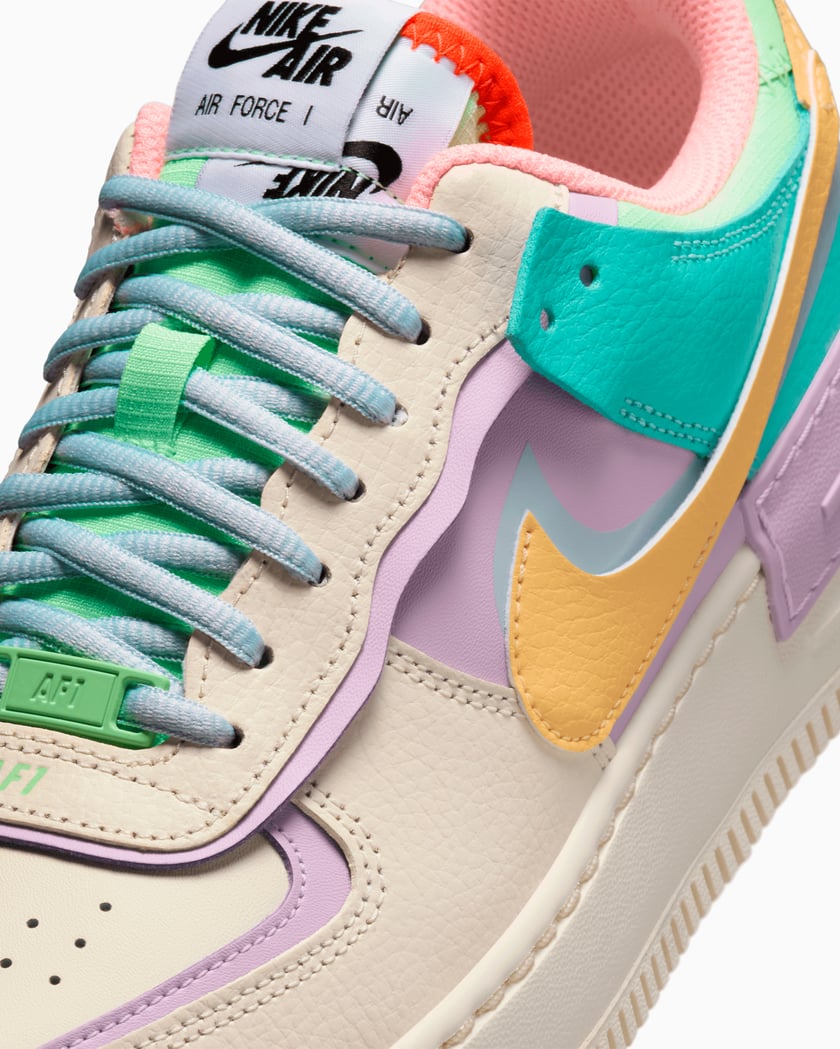
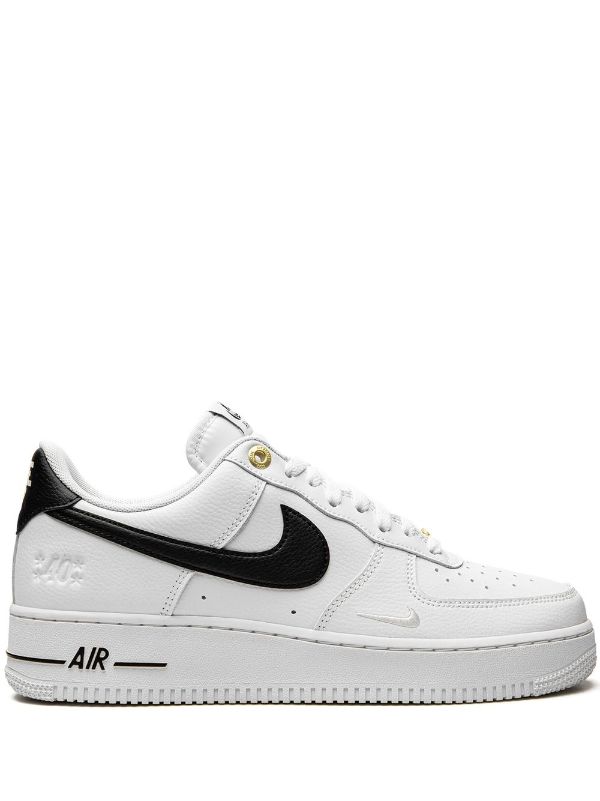
While the white-on-white Air Force 1 is the undisputed cornerstone, the silhouette’s true versatility is unlocked through its myriad of colors and special collaborations. A beige or grey pair offers a softer, more subdued alternative that is incredibly easy to wear with earth tones and denim. For a bolder statement, consider a tonal black pair. An all-black Air Force 1 creates a monolithic, sleek look that is both minimalist and imposing. Then, there’s the world of collaborations. From Travis Scott’s backwards Swoosh designs to the understated luxury of Comme des Garçons PLAY hearts, these collaborative models are more than limited editions; they are cultural artifacts that tell a story. Integrating a collaboration piece requires a slightly different approach—often, it’s best to let the shoe be the star. Pair Travis Scott’s earthy-toned AF1s with simple, matching browns and tans. Style a brightly colored collaboration with neutral basics to allow its unique details to pop. As noted by complex sneaker historians, these collaborations often draw from specific subcultures or artistic movements, providing a built-in narrative for your outfit. Wearing them is a nod to that story, adding a layer of insider knowledge to your style, a concept frequently celebrated in sneaker literature and documentaries.
Maintenance as a Mindset: Keeping the Canvas Pristine
Part of the effortless appeal is a sense of being cared for, not careworn. A scuffed, dirty Air Force 1 can look cool in a specific, gritty context, but for the “everyday cool” we’re discussing, maintenance is key. The clean lines of the sneaker are central to its aesthetic power. Regularly wiping down the leather upper with a damp cloth, using a specialized sneaker cleaner for the midsole, and applying a protectant spray are not obsessive acts; they are the maintenance of your tool. Think of it like keeping a classic car clean—you preserve its design integrity. This practice also has a practical benefit: it extends the life of your sneakers significantly. Given that a premium pair of Air Force 1s represents an investment in your wardrobe, protecting that investment is simply smart. Numerous authoritative sneaker care guides from retailers like Foot Locker or dedicated YouTube channels like “Reshoevn8r” provide scientific, step-by-step methods for cleaning different materials (leather vs. suede vs. mesh), ensuring your methods are effective and non-damaging. A well-kept pair signals respect for your possessions and an attention to detail that underpins true, lasting style.
Styling the Air Force 1 is ultimately about understanding balance—between history and modernity, sport and sophistication, color and neutrals, volume and line. It rejects the frantic pace of trend cycles in favor of mastering a permanent item. When you tie the laces on these sneakers, you’re accessing a legacy of design and culture. By applying principles of color, texture, proportion, and care, you transform them from a ubiquitous shoe into the cornerstone of your personal expression. That transformation is where effortless, everyday cool truly lives.
