

How to Style 80s Sneakers for a Modern Fashion Statement
The resurgence of 80s sneakers is not merely a nostalgic blip on fashion’s radar; it is a full-fledged sartorial revolution. These iconic shoes, born from a decade defined by bold expression, technological innovation in sportswear, and burgeoning street culture, have been re-contextualized to form the backbone of contemporary style. To integrate them into a modern wardrobe is to engage in a dialogue between past and present, where their inherent vibrancy and structural audacity are tempered by today’s refined aesthetics. This isn’t about costume dressing or literal retro replication. It’s about harnessing the rebellious spirit and distinctive silhouettes of 80s sneakers to create looks that are intentionally curated, confidently worn, and distinctly now. The key lies in understanding their design DNA and applying modern styling principles to let these statement pieces shine without overwhelming your entire ensemble.
Decoding the DNA: What Defines an 80s Sneaker?
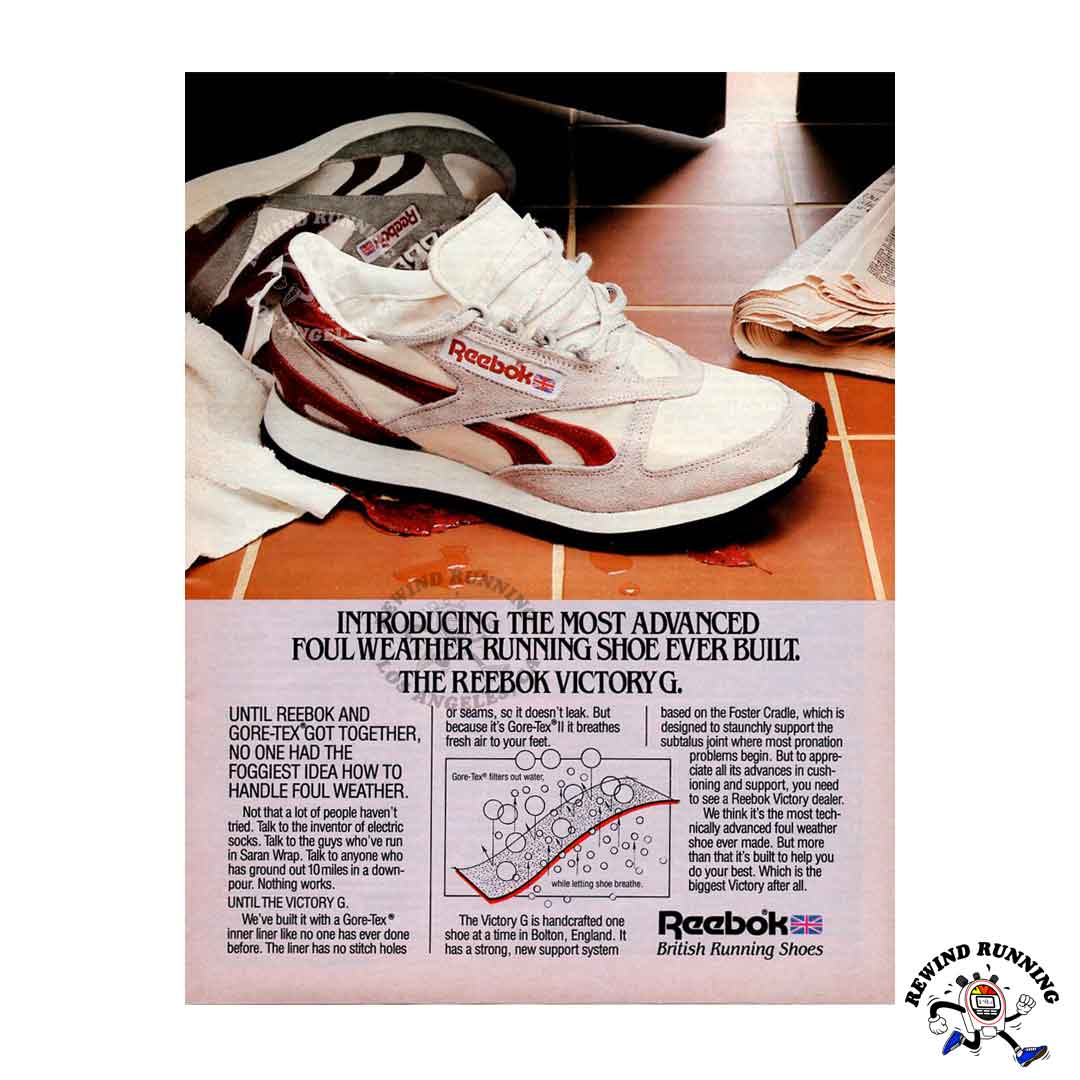
Before styling, one must first identify the subject. The 80s sneaker is characterized by several distinct design elements that set it apart from footwear of other eras. Scientifically and objectively, this period marked a pivotal shift in athletic shoe design, driven by advancements in polymer technology and a new focus on “technical” aesthetics. According to design literature from institutions like the Pratt Institute, the 1980s saw the widespread adoption of ethylene-vinyl acetate (EVA) midsoles, which provided unprecedented cushioning and allowed for bulkier, more sculptural forms. Visually, key identifiers include bold color blocking—often using high-contrast primaries or neon accents popularized by the Memphis Design Group—geometric panels, oversized logos (a trend fueled by the branding explosion of the decade), and often a high-top or chunky midsole profile. Models like the Nike Air Force 1 (1982), Reebok Freestyle (1982), and Adidas Superstar (though older, it became a hip-hop icon in the 80s) exemplify these traits. As sneaker historian and author of “The Sneaker Book,” John McPherson, noted on a Complex YouTube documentary, “The 80s was the first time the sneaker stopped being just a performance tool and became a canvas for identity. The designs were unapologetic, they screamed for attention.” This inherent “scream” is what we aim to modulate and integrate today.

The Foundation Principle: Balancing Volume and Silhouette
The most common pitfall in wearing statement sneakers is creating a bottom-heavy look. The pronounced volume of many 80s sneakers demands a conscious approach to the rest of your silhouette. The modern solution is rooted in the concept of proportional balance, a principle widely discussed in fashion theory from sources like The Business of Fashion editorials. If your sneakers are bulky and high-top, counterbalance them with streamlined, tailored pieces on top. For men, this could mean pairing chunky basketball-inspired sneakers with slim-fit (not skinny) trousers or dark, straight-leg jeans. The clean line of the pant leg meeting the substantial shoe creates a deliberate, aesthetic tension. For women, the same rule applies: a voluminous Reebok Freestyle Hi looks incredibly contemporary with a fitted pair of cycling shorts or a sleek slip dress. This contrast is crucial. It prevents the look from feeling dated or costumey, instead framing the sneaker as a deliberate, architectural choice. Think of the sneaker as the foundational sculpture in an art gallery; the space around it (your clothing) needs to be clean and uncluttered to allow it to be properly appreciated. This approach directly pulls from modern minimalist aesthetics, creating a fusion where the past’s exuberance is grounded by the present’s restraint.
Color Theory in Action: From Bold Blocking to Neutral Grounding
The vibrant color palettes of 80s sneakers are a gift and a challenge. A shoe splashed with electric blue, fiery red, and solar yellow is a powerhouse. The modern styling technique involves letting the shoe be the sole (pun intended) source of intense color in your outfit. This is a lesson in color theory often emphasized by stylists on platforms like Quora and in professional fashion courses: an accent color should compose roughly 10-20% of a look to achieve visual harmony. Therefore, ground your colorful 80s sneakers with a base of neutrals—black, white, grey, beige, or navy. A monochromatic outfit in one of these shades becomes the perfect runway for a colorful sneaker to shine. For example, a full head-to-toe black outfit—black turtleneck, black trousers—with a pair of neon-accented Nike Air Max 1s (a late-80s icon) is a street-style staple for a reason. It’s effortlessly cool and visually coherent. Alternatively, you can employ tonal dressing, picking out one secondary color from the sneaker’s palette and echoing it subtly in a hat or bag. This creates a sophisticated, curated feel without descending into matchy-matchy territory. Remember, the goal is not to mute the sneaker’s spirit but to build a stage that highlights its character without competition.

Contextual Alchemy: Mixing Eras and Genres
True modern style alchemy occurs when you intentionally mix genres and eras. The 80s sneaker is inherently casual and athletic. Placing it in contexts traditionally reserved for “formal” or “delicate” items creates a powerful fashion statement that speaks to a postmodern, non-binary approach to dress. This is a viewpoint championed by celebrities like Phoebe Philo and Timothée Chalamet, who often use sneakers to subvert red-carpet and high-fashion norms. Try wearing a pair of pristine, white leather high-top 80s sneakers with a tailored suit. The contrast between the suit’s structured formality and the sneaker’s casual heritage is electrifying and deeply contemporary. For a feminine take, pair chunky Adidas Forum Hi tops with a flowing, ethereal midi skirt and a simple tank top. This blend of tough and tender, athletic and romantic, is a hallmark of today’s most interesting personal style. It shows an understanding of fashion’s language and a confidence to rewrite its rules. As film director and style icon Sofia Coppola once noted in an interview for Vogue, “I love when things feel a bit off… like a beautiful dress with a beat-up sneaker. It feels personal and real.” This “off” quality is the deliberate dissonance that makes an outfit feel current and individual.
Material World: Playing with Textural Contrast
Beyond color and shape, texture is a sophisticated tool for modernizing 80s sneakers. Many original models came in leather, nylon, and suede. Use these materials as a starting point for textural play in your outfit. The sleek, often glossy finish of a leather sneaker pairs brilliantly with soft, matte textures like brushed cotton, wool, or cashmere. Imagine a pair of leather Reebok Ex-O-Fits (a classic 80s low-top) worn with thick, cable-knit socks, wide-leg wool trousers, and an oversized chunky knit sweater. The combination is cozy, considered, and visually rich. Conversely, the nubby texture of a suede sneaker can be contrasted with slick materials like satin, silk, or polished technical fabrics. A suede Puma Clyde, for instance, would gain a modern edge when worn with sleek nylon track pants or a silky slip skirt. This attention to material dialogue elevates the sneaker from a casual accessory to an integral component of a thoughtful, tactile ensemble. It’s an approach often detailed in the literature of authoritative design schools, which teach that materiality is as crucial as form and color in creating emotional and visual impact.
The Final Layer: Confidence and Practical Knowledge
Ultimately, the most potent styling secret is confidence. An 80s sneaker is a declaration. Wear it with the assurance that you are making an intentional choice. Beyond attitude, practical knowledge empowers confidence. Understanding the provenance and care of your sneakers adds depth to your style. Many of these vintage or re-issued models are investments. To bring professional knowledge to the user: always use a protective spray on suede and nubuck versions, and clean leather pairs with appropriate, pH-balanced products to maintain their structure. Store them with shoe trees to preserve their shape. Furthermore, the market for these icons is vast. While limited-edition re-releases can command high prices, many classic models are consistently available at accessible points. Brands frequently reissue archival styles, and savvy shoppers can find excellent deals during seasonal sales or on dedicated sneaker platforms. The beauty of the 80s sneaker revival is that it offers both high-fashion collaboration pieces and universally accessible classics, allowing everyone to participate in this modern fashion statement.

Integrating 80s sneakers into a modern wardrobe is an exercise in creative curation. It requires a discerning eye for balance, a grasp of color harmony, and a playful willingness to clash genres. By treating these iconic shoes as the focal point and building clean, considered outfits around them, you honor their heritage while firmly planting your look in the present. They are more than footwear; they are a connection to a transformative era in design and culture, repurposed as a dynamic tool for contemporary self-expression. The statement is clear: the past’s boldest footprints are meant to walk confidently into the future.
