

How to Style 80s Sneakers for a Modern Fashion Statement
The resurgence of 80s sneakers is not merely a nostalgic blip on fashion’s radar; it is a full-fledged renaissance rooted in their unparalleled fusion of bold aesthetics, technological innovation, and cultural defiance. To integrate these iconic silhouettes into a contemporary wardrobe is to engage in a dialogue between decades, crafting a look that is intentionally aware of its references yet decisively modern. This movement transcends simple retro appeal, offering a toolkit for personal expression that is both visually striking and historically grounded. The key lies not in recreating a head-to-toe 1980s costume, but in strategically deploying these statement pieces to anchor and elevate today’s minimalist, eclectic, or avant-garde styles.
The Enduring Architecture: Why 80s Sneakers Command Attention
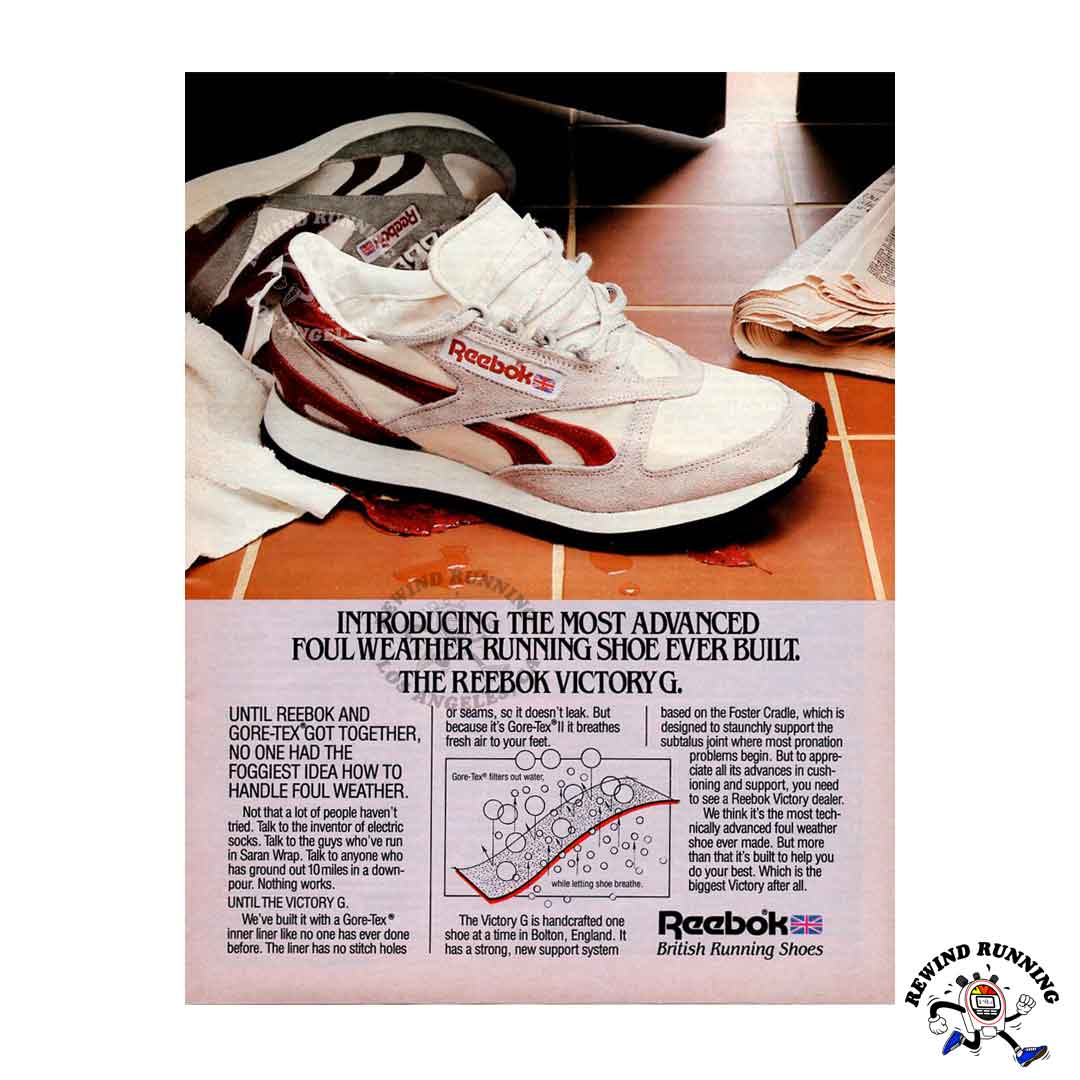
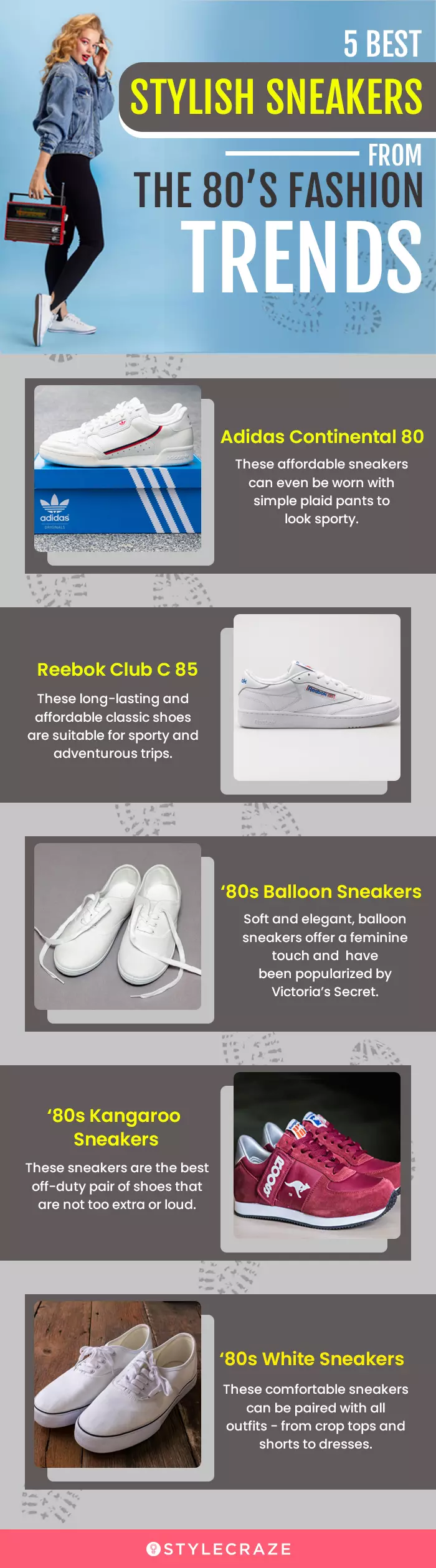
To understand their styling power, one must first appreciate the foundational design principles of 80s sneakers. This era marked a seismic shift from purely functional athletic gear to cultural artifacts. Driven by the aerobics craze, the dawn of hip-hop, and the rise of basketball superstars, sneakers became canvases for experimentation. According to design historians, the period embraced “bold color blocking, exaggerated proportions, and the introduction of advanced technical materials like mesh, synthetic leather, and polyurethane midsoles.” A glance at Wikipedia’s entry on “Sneakers” confirms that the 1980s were pivotal for “the incorporation of technology for performance enhancement and the transformation of sneakers into fashion symbols.” This dual identity—cutting-edge tech and street-ready style—is their genetic code. The chunky sole, often featuring air cushioning or gel units pioneered by brands like Nike and ASICS, wasn’t just for comfort; it created a formidable, ground-gripping silhouette. The use of vibrant, often clashing panels of color—electric blue, hot pink, acid yellow—defied subtlety. These were shoes built to be seen, a philosophy perfectly encapsulated by the legendary Run-D.M.C. and their untied Adidas Superstars, a look that blurred the line between sportswear and rebellious uniform. When you slip on a pair of classic Reebok Freestyles or Nike Air Max 1s, you are not just wearing a shoe; you are wearing a piece of engineered audacity. This inherent architectural statement provides a powerful focal point that modern, often streamlined clothing lacks, creating an instant equilibrium of visual weight and historical intrigue in any outfit.

Contrast is King: Pairing Bold Silhouettes with Modern Minimalism
The most effective and sophisticated approach to styling 80s sneakers is through deliberate contrast. Their inherent complexity and volume demand a counterbalance. Imagine the sleek, clean lines of tailored wide-leg trousers in neutral wool or crisp cotton. The drape of the fabric flowing over the aggressive, chunky sole creates a dynamic tension that is utterly contemporary. This philosophy is echoed by stylists on platforms like Who What Wear, who frequently advise, “Let the sneakers be the star.” A minimalist uniform—a perfectly fitted black turtleneck, straight-leg jeans in a solid wash, or a sleek midi skirt—acts as a gallery wall, allowing the sneakers to be the showcased artwork. This method avoids the pitfall of “costume” and instead frames the shoes as a conscious, curated choice. Consider the Japanese concept of “wabi-sabi,” finding beauty in imperfection and asymmetry; the juxtaposition of a rugged, colorful sneaker against a pristine, simple outfit embodies this principle. It’s a visual conversation where the modern base asks a question, and the vintage sneaker provides a compelling, textured answer. This strategy also aligns with the current “quiet luxury” trend, but subverts it with a shot of streetwise energy. The sneakers become your signature, a declaration that your style intelligence includes an understanding of history and a willingness to play with proportion.
Embracing the Maximalist Mindset: Color and Pattern Clash
For the sartorially adventurous, 80s sneakers offer a gateway to a joyful, intelligent maximalism. If the sneaker itself is a riot of color, why not meet it halfway? This is not about chaotic mismatching, but about understanding color theory and thematic resonance. A pair of neon-accented sneakers can find harmony with a jacket in a complementary hue (think orange and blue, purple and yellow). The key is to let one element—either the sneakers or one clothing item—dominate the color story, using the others as supporting actors. Patterns from the 80s, such as geometric shapes, abstract brush strokes, or even subtle animal prints, can create a cohesive period vibe without feeling dated when paired with modern cuts. Fashion psychologist Dr. Dawnn Karen, in her analyses on YouTube, often discusses “enclothed cognition”—how clothing affects our mindset. Wearing a boldly coordinated outfit anchored by statement sneakers can project confidence and creative energy. Furthermore, literature from design schools like Parsons often references the 80s as a time of “postmodern pastiche,” where high and low culture mixed freely. You can channel this by pairing your high-tech sneakers with a vintage band t-shirt and a sophisticated blazer, or an elegant slip dress. The sneakers act as the unifying, grounding element that ties disparate pieces together, proving that eclecticism, when anchored by a strong foundational piece, reads as curated wisdom, not clutter.
Beyond Casual: Recontextualizing Sneakers for Smart Contexts
The ultimate test of a style item’s versatility is its ability to cross contextual boundaries. The notion that sneakers belong solely to the gym or the grocery run is an antiquated one, thoroughly dismantled by the right pair of 80s sneakers. Their structural complexity often gives them a sculptural, almost architectural quality that can complement tailored clothing in surprising ways. Picture a sleek, monochromatic suit—perhaps in grey or navy. The traditional finish would be a polished derby or loafer. Now, replace that with a pair of clean, predominantly white 80s sneakers with bold lines, like the Nike Air Jordan 1 or the Adidas Forum. The effect is transformative: it injects immediacy, approachability, and a potent dash of nonchalance into a formal framework. This “high-low” mixing is a hallmark of modern menswear and womenswear, championed by designers from Virgil Abloh to Phoebe Philo. It signals a confident, modern individual who respects tradition but is not bound by its rules. As author and trend forecaster Liam Freeman noted in an interview for The Business of Fashion, “The integration of heritage sportswear into formalwear reflects a broader cultural shift towards comfort, authenticity, and personal narrative in dress.” The sneaker becomes the narrative device, telling a story of cultural literacy and stylistic confidence. It’s a powerful move that requires the right sneaker—often one with a cleaner colorway for this context—and an impeccable fit in the tailoring. The clothing must be sharp enough to withstand the contrast, creating a partnership rather than a conflict.

Curation and Investment: Building Your Vintage-Inspired Foundation
Engaging with 80s sneakers requires a shift from viewing footwear as disposable fast fashion to treating it as a curated collection. The market bifurcates into two valuable avenues: authentic vintage finds and modern re-issues. Hunting for original pairs from the decade offers unparalleled authenticity and patina—the slight yellowing of soles, the unique wear patterns—that tells a story. Platforms like eBay and dedicated vintage stores are treasure troves, but require knowledge of sizing shifts and material degradation. The alternative, and often more accessible route, is the prolific re-issue market. Brands like Nike, New Balance, and Reebok have robust “retro” lines, faithfully reproducing classic models with contemporary comfort technology and, sometimes, updated sustainable materials. Investing in a re-issue often means better support and durability for daily wear. From a professional knowledge standpoint, understanding the lineage of a model adds depth to your choice. For instance, knowing that the Nike Air Max 1, designed by Tinker Hatfield, was the first to feature a visible air unit—a revolutionary moment in design—adds to its significance. As for value, while some limited editions command high prices, many core re-issues are accessible, especially during seasonal sales. The true discount comes in cost-per-wear: a well-chosen, versatile pair of 80s sneakers, due to their statement nature, can become the cornerstone of dozens of outfits, reducing the perceived need for constant new purchases. They are not a trend; they are a style staple with a proven forty-year legacy.
The power of the 80s sneaker in a modern context lies in its inherent duality: a historical artifact re-animated for the present. It provides the structural heft to balance minimalist draping, the chromatic energy to ignite a tonal outfit, and the rebellious spirit to soften formal tailoring. Mastering their styling is an exercise in contextual intelligence, using these iconic forms not as crutches for nostalgia, but as active tools for constructing a personal aesthetic that is informed, intentional, and dynamically engaged with the past and present. The statement they make is clear: here is an individual who understands that the future of style is always in conversation with its most audacious chapters.
