

The Ultimate Guide to Walking Shoes That Elevate Your Outfit
Forget the notion that style and comfort are mutually exclusive, especially when it comes to the foundation of your daily movement. The right pair of shoes to walk in can be the silent hero of your wardrobe, seamlessly bridging the gap between all-day comfort and sartorial sophistication. This isn’t about sacrificing one for the other; it’s about discovering footwear that performs dual duties with aplomb. We’re moving beyond purely athletic silhouettes or rigid formal wear, into a realm where biomechanical support meets considered design. The modern urban landscape demands versatility, and your footwear should be the most adaptable tool in your arsenal. Let’s dismantle the old paradigms and explore how the very shoes to walk miles in can also be the centerpiece that pulls your entire look together, proving that what carries you best also makes you look your best.
The Anatomy of a Perfect Walking Shoe: Where Science Meets the Sidewalk
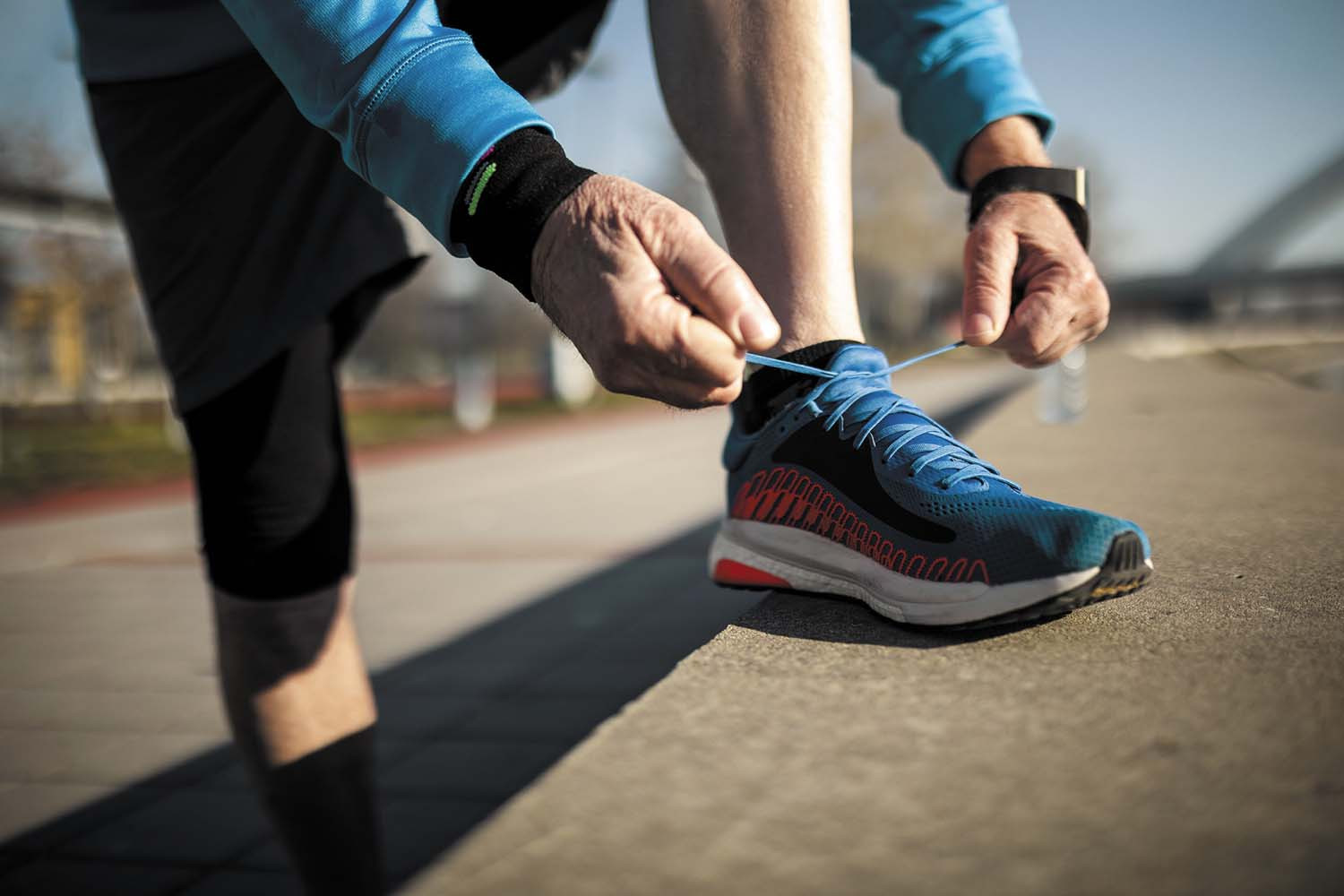
Before a shoe can be stylish, it must first be competent. The foundation of any great walking shoe lies in its construction, a marriage of materials and engineering designed to protect and propel the human foot. According to biomechanics literature from institutions like Harvard Medical School, the act of walking involves a complex gait cycle of heel strike, midfoot stance, and toe-off. A shoe that supports this cycle effectively must address several key components. The midsole, often made from EVA (ethylene-vinyl acetate) or polyurethane compounds, is the primary shock absorber. Its density and resilience determine how much impact is dissipated with each step, protecting joints from the cumulative stress that can lead to discomfort. The insole or footbed should provide arch support, a feature underscored by the American Podiatric Medical Association as crucial for preventing overpronation or supination—the rolling in or out of the foot that disrupts natural alignment. The outsole’s rubber composition and tread pattern are not merely for durability; they provide the necessary traction for varied surfaces, from polished office floors to rain-slicked pavements. Breathability, afforded by mesh uppers or moisture-wicking linings, is essential for maintaining foot health and comfort over extended periods. When these elements converge, you have more than just a shoe; you have a piece of wearable technology. Understanding this anatomy is the first step in selecting a pair that won’t let you down, physically or aesthetically. After all, the most beautiful shoe is useless if it leaves you limping by midday.
Beyond the Gym: The Aesthetic Evolution of Performance Footwear
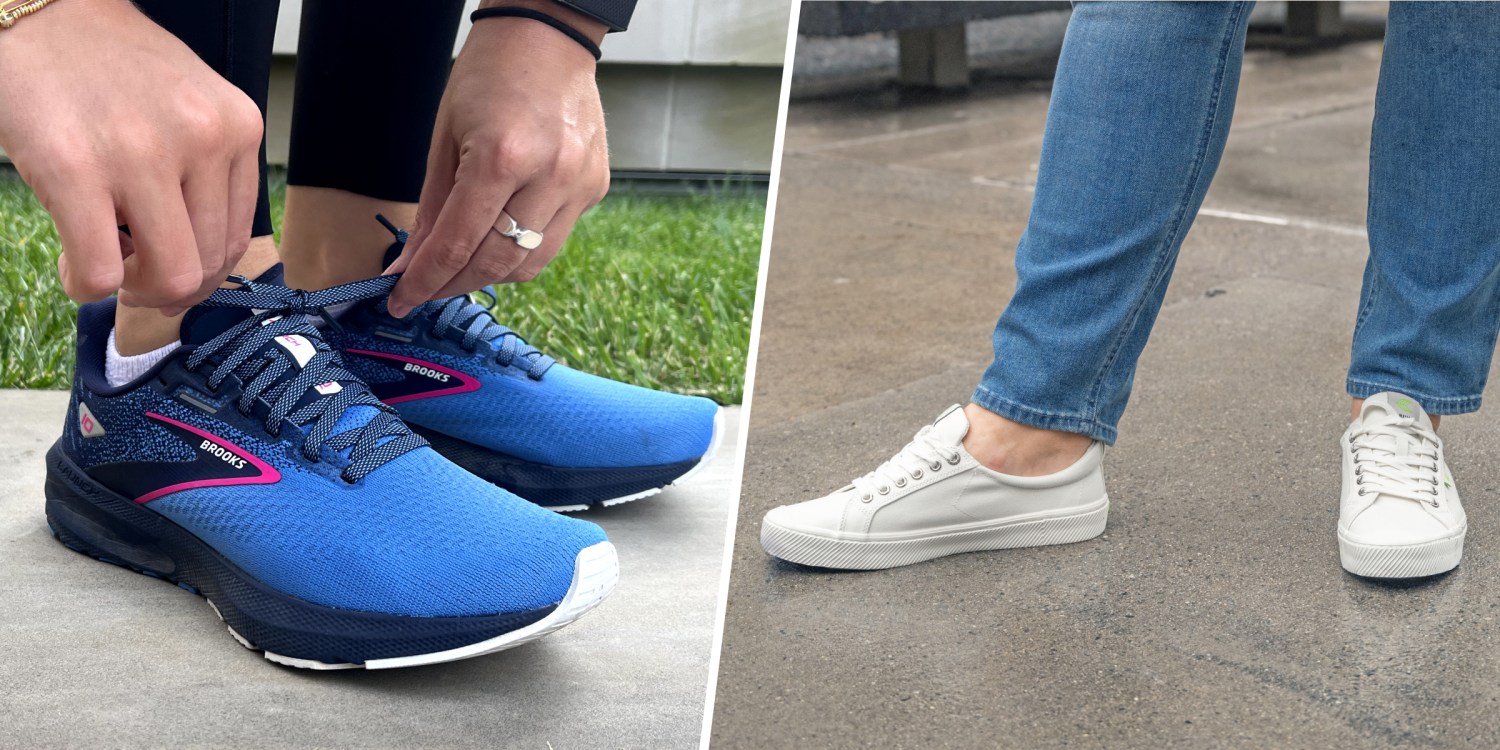
The seismic shift in footwear trends over the last decade has been the normalization of performance-inspired styles in everyday fashion. This is not a mere trend but a cultural realignment, championed by designers and consumers alike who reject unnecessary discomfort. The ubiquitous “sneaker” has been redefined. No longer confined to the realm of sport, designs from brands like Common Projects, Veja, and even high-fashion houses have adopted the technical principles of a good shoes to walk in—cushioning, flexible soles, breathable materials—while executing them in minimalist leathers, neutral color palettes, and streamlined silhouettes. As noted by fashion commentators on platforms like Business of Fashion, this reflects a broader “athleisure” and “post-sneaker” movement where the boundaries between categories are deliberately blurred. The appeal is multifaceted: these shoes offer a visual language of modernity, efficiency, and informed choice. They signal that the wearer values both form and function. A clean, white leather sneaker with a hidden memory foam insole can pair effortlessly with tailored trousers or a summer dress, providing the support of a trainer while elevating a casual outfit to one of intentional polish. The key is in the details: a sole that is substantial but not overly chunky, colors that integrate rather than shout, and materials that age gracefully. This evolution means you no longer have to choose between the shoe that gets you through a city tour and the shoe that gets you compliments at a café. They can be, unequivocally, the same pair.
Curating Your Collection: Strategic Styles for Every Context
Building a versatile footwear wardrobe centered on walkable style is an exercise in strategic selection. Think not in terms of “formal vs. casual,” but in terms of “context and requirement.” Your goal is to have a go-to option for every scenario that demands both mobility and presence. First, consider the Urban Commuter Essential: a low-profile sneaker or sleek walking loafer with a proprietary comfort technology, such as Cole Haan’s Grand.ØS series or Allbirds’ Wool Runners. These are your workhorses, designed for the concrete jungle and smart-casual offices. Second, the Polished Comfort option: think leather walking shoes or derbies with cushioned insoles and flexible outsoles from brands like Ecco or Clarks. These bridge the gap to more business-oriented environments without the punitive stiffness of traditional dress shoes. As style authority Tim Gunn famously emphasized, “Style is primarily a matter of instinct.” Your instinct should guide you toward pieces that serve you. Third, a Technical Hybrid for days with higher step counts or variable weather. This might be a water-resistant, supportive shoe from Salomon or Merrell that employs trail-ready grip in a more urban-appropriate design. The common thread is intentionality. Each pair you invest in should answer “yes” to two questions: “Can I wear this for 10,000 steps?” and “Does this make my outfit look considered?” By curating with these dual criteria, you ensure that every pair of shoes to walk in your closet is also a pair you’re excited to wear.
The Investment Perspective: Cost-Per-Wear and Timeless Design
Shifting your mindset from fast fashion to investment footwear is both a style and financial strategy. A high-quality, versatile pair of walking shoes might carry a higher initial price tag—often in the $120 to $250 range for premium comfort brands—but its cost-per-wear over years of service becomes negligible. Compare this to cheaper, trend-driven shoes that disintegrate in comfort and construction after a single season. The economic argument is clear. Furthermore, investing in timeless design ensures longevity beyond fleeting trends. A minimalist sneaker in a neutral tone, a classic leather slip-on, or a clean suede chukka boot with a rubber sole will remain relevant season after season. This philosophy is echoed by sustainable fashion advocates and financial pragmatists alike. To make this accessible, savvy shoppers look for direct-to-consumer brands that offer premium materials at lower markups, sign up for newsletters for first-time buyer discounts, or shop end-of-season sales for core styles. Remember, the true discount isn’t always the lowest sticker price; it’s the value derived from durability, comfort, and enduring style. A well-chosen pair becomes a reliable staple, reducing the clutter in your closet and the stress of getting dressed. It’s an investment in your daily well-being and your personal aesthetic economy.
:max_bytes(150000):strip_icc()/when-should-i-replace-my-walking-shoes-3436325-0801-7a1840d83573471092e0380f9e230ecc.jpg)
A Note from the Experts: Why the Right Foundation Matters
Don’t just take our word for it. The importance of proper footwear is a consensus among health and style professionals. Dr. James Ioli, chief of podiatry at Brigham and Women’s Hospital, has stated, “The shoes you wear are the foundation for your entire body. Poor support can lead to a cascade of issues, from plantar fasciitis to back pain.” This scientific perspective underscores that our choice in footwear has physiological consequences far beyond the feet. On the style front, figures like fashion director Nick Sullivan have often highlighted the modern shift, noting that the most interesting style today often exists at the intersection of categories. The very best shoes to walk in are those that you forget you’re wearing—not because they’re insignificant, but because they perform their duty so flawlessly that you’re free to focus on everything else. They become an extension of you, a tool that enables your lifestyle rather than constraining it. This confluence of expert opinion from both medical and style authorities creates a compelling, evidence-based argument for prioritizing shoes that are engineered for movement and designed for life.
:max_bytes(150000):strip_icc()/tal-walking-shoes-test-on-cloud-5-ashleigh-morley-01-f02f544a3dcf4b67b919b810eac77f09.jpeg)
The journey to finding the perfect walking shoes that elevate your outfit is ultimately a journey toward a more integrated and intentional way of living. It’s a rejection of the false choice between comfort and style, and an embrace of design that serves the human experience in full. When your footwear is both biomechanically sound and aesthetically resonant, it does more than just cover your feet—it propels you through your day with confidence and ease. The right pair becomes a trusted companion, a subtle statement of discernment, and the reliable foundation upon which you build every look and tackle every task. Start with one perfect pair, feel the difference in your stride and your spirit, and let that redefine your entire approach to what you wear on your feet.
