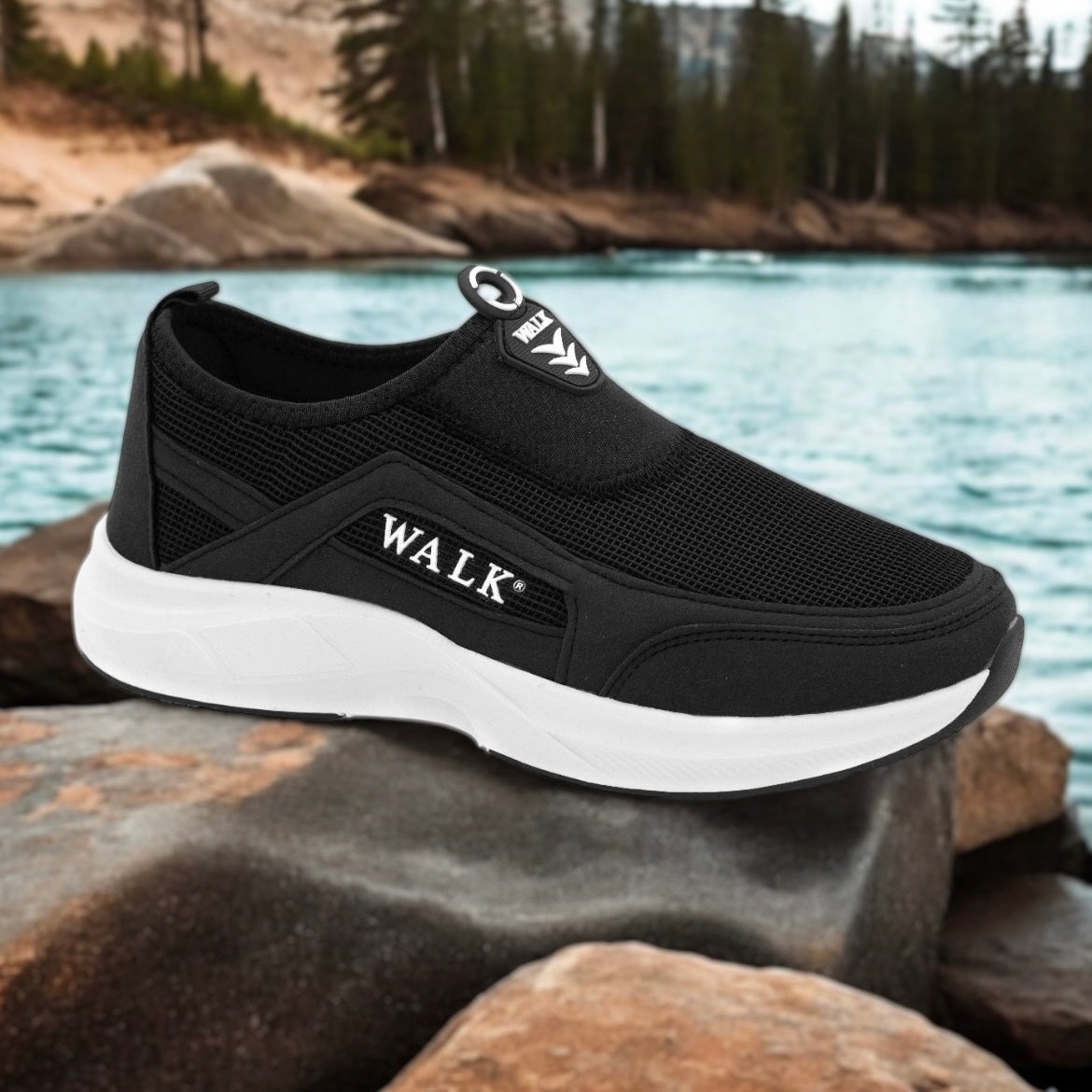
The Ultimate Guide to Walking Shoes That Elevate Your Outfit
Forget the notion that style and comfort are mutually exclusive. The right pair of walking shoes can be the cornerstone of an outfit that commands attention while carrying you confidently through your day. This isn’t about choosing between fashion and function; it’s about discovering the synergy where biomechanical engineering meets aesthetic design. The modern landscape of footwear offers unprecedented opportunities to select shoes to walk in that are as visually compelling as they are physically supportive. We are moving beyond the era of the purely utilitarian sneaker hidden beneath long trousers. Today, the shoe itself is a statement piece, a testament to the wearer’s understanding that true style is holistic, encompassing how you look and how you feel from the first step to the ten-thousandth.
The Foundation: Biomechanics of a Superior Walking Shoe
Before we delve into color palettes and material textures, we must establish a non-negotiable foundation: scientific support. The human foot is a complex structure of 26 bones, 33 joints, and over 100 muscles, tendons, and ligaments. According to research from institutions like the Harvard Medical School, improper footwear can lead to a cascade of issues, from plantar fasciitis and shin splints to long-term postural misalignment affecting the knees, hips, and back. Therefore, the primary criterion for any shoe aspiring to elevate your style must be its ability to facilitate the natural gait cycle—heel strike, foot flat, mid-stance, heel-off, and toe-off. Key technological features are not marketing gimmicks; they are essential. A well-crafted heel counter provides stability, preventing excessive pronation or supination. The midsole, often utilizing EVA (ethylene-vinyl acetate) foam or advanced compounds like polyurethane, is responsible for shock absorption, a principle validated by biomechanics literature from universities like Stanford. The rocker sole, a design that curves upward at the toe, promotes a smooth roll-through motion, reducing strain on the calf and Achilles tendon. When you choose a pair of shoes to walk in, you are not just selecting an accessory; you are choosing a piece of personal biomechanical equipment. As renowned podiatrist Dr. William Rossi famously stated in his works, “Shoes are the foundation of our upright posture.” Ignoring this foundation for fleeting trends is a compromise your body will ultimately invoice.
Material Alchemy: Where Technology Meets Texture
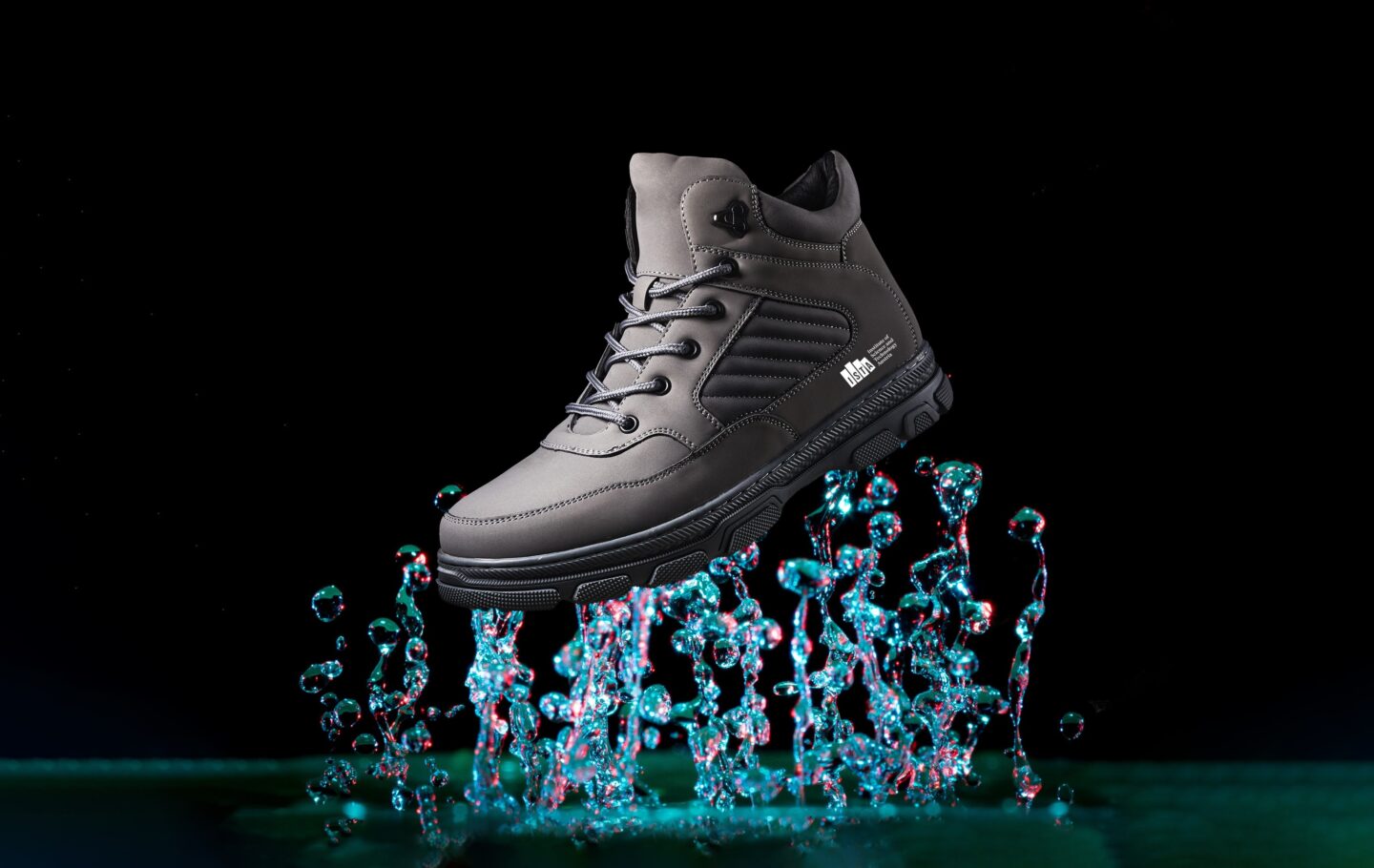
The exterior of your walking shoe is the canvas upon which your style narrative is painted. Today’s material science offers a palette far beyond basic leather and mesh. Consider engineered knits, like those pioneered by brands such as Nike Flyknit or Adidas Primeknit. These offer a dynamic, sock-like fit that moves with your foot, reducing friction points and blisters—a common complaint dismissed in poorly constructed fashion footwear. Their aesthetic is modern, technical, and seamlessly integrates with both athletic wear and minimalist urban outfits. Then there is the resurgence of suede and nubuck, often treated with water-repellent coatings. These materials offer a rich, tactile quality that elevates a simple sneaker into a sophisticated piece. The contrast between a matte suede upper and a glossy, sculpted rubber sole creates visual interest and depth. Sustainability is also a powerful style statement. Materials like recycled polyester uppers, natural rubber outsoles, and linings made from bamboo or organic cotton are not just ethical choices; they often come with unique, earthy textures and colorways that tell a story. As fashion icon Vivienne Westwood implored, “Buy less, choose well, make it last.” Selecting walking shoes crafted from durable, considered materials is the epitome of this philosophy. The texture of your shoe communicates before you do—is it sleek and futuristic, rugged and dependable, or softly refined? This choice is a direct reflection of personal aesthetic intelligence.
The Architecture of Style: Silhouette and Proportion
The silhouette of a shoe is its shadow, its essential form. This is where fashion design principles become paramount. A chunky, retro-inspired running sole provides not only superior cushioning but also a bold, grounded aesthetic that pairs powerfully with tapered trousers or flowing dresses, creating a pleasing contrast in volume. Conversely, a sleek, low-profile walking shoe with a minimal drop from heel to toe offers a streamlined look that elongates the leg, ideal for a monochromatic or tailored outfit. The proportion of the shoe to your clothing and body is critical. The “Golden Ratio,” a principle of aesthetic proportion found in art and architecture from the Parthenon to Da Vinci’s Vitruvian Man, can be loosely applied here. A shoe that is too bulky can visually shorten and weigh down a look, while one too delicate may appear lost. The goal is harmonious balance. Observe how in films like “The Devil Wears Prada,” the transformation of Andy Sachs includes a shift in footwear—from clunky, purely functional boots to elegant, yet still walkable, heels and flats that complete a powerful silhouette. While we are advocating for sneakers, the principle of intentional proportion remains. Your shoes to walk in should complement your outfit’s lines, not fight against them. Is the outfit structured and angular? A shoe with clean, geometric lines will reinforce that. Is it soft and fluid? A model with curved panels and a softer construction will harmonize.
:max_bytes(150000):strip_icc()/tal-walking-shoes-test-on-cloud-5-ashleigh-morley-01-f02f544a3dcf4b67b919b810eac77f09.jpeg)
Color as a Strategic Tool
Color psychology is not pseudoscience; it is a well-documented field studied in marketing, design, and behavioral science. The color of your walking shoes is the most immediate style lever you can pull. A neutral palette—think crisp white, classic black, shades of grey, or beige—offers maximum versatility. A pristine white leather walking sneaker can brighten a dark denim ensemble, signal cleanliness and modernity, and serve as a blank canvas for more colorful accessories. Black provides a sleek, unifying anchor, creating a continuous line that can visually lengthen the leg. However, do not fear color. A strategic pop of a bold hue—a terracotta red, a deep navy, or a forest green—can transform a neutral outfit into a curated look. This approach is akin to the concept of an “accent wall” in interior design. The shoe becomes the focal point. Consider the iconic red soles of Christian Louboutin; while not walking shoes, they demonstrate the power of chromatic signature. For a more nuanced approach, look for shoes with tonal variations or subtle material contrasts (e.g., a grey mesh with leather highlights) that add sophistication without shouting. Your choice of color in your shoes to walk in communicates mood and intention. Are you projecting calm professionalism (navy, grey), creative energy (mustard, rust), or minimalist purity (white, oat)?
Context is King: Curating the Shoe for the Scene
The most elegantly equipped walker understands that appropriateness is a component of style. The same shoe is not optimal for a cobblestone street tour of Rome, a creative agency presentation, and a weekend farmer’s market stroll. Curation is key. For the urban explorer facing mixed terrains, a shoe with a grippy, lugged outsole (like those from brands such as Salomon or Merrell’s lifestyle lines) in a dark, durable colorway is both practical and telegraphs a rugged, ready-for-anything sensibility. For the office environment with a business-casual code, a leather or high-quality synthetic walking shoe with a minimalist design—think Cole Haan’s Grand series or Allbirds Tree Runners in darker tones—provides all-day comfort while respecting professional aesthetics. The weekend uniform calls for something lighter, perhaps in a breathable knit or suede, where comfort and relaxed style converge. This situational awareness mirrors the philosophy of author and professor Nancy Koehn, who studies leadership through history. She notes that effective presence is about adapting your tools to the challenge at hand. Your footwear is one of those fundamental tools. Having two or three dedicated pairs of shoes to walk in, each optimized for a different sphere of your life, is a smarter investment than a single pair attempting to do it all poorly.
Investment and Intelligence: The Professional’s Price Point
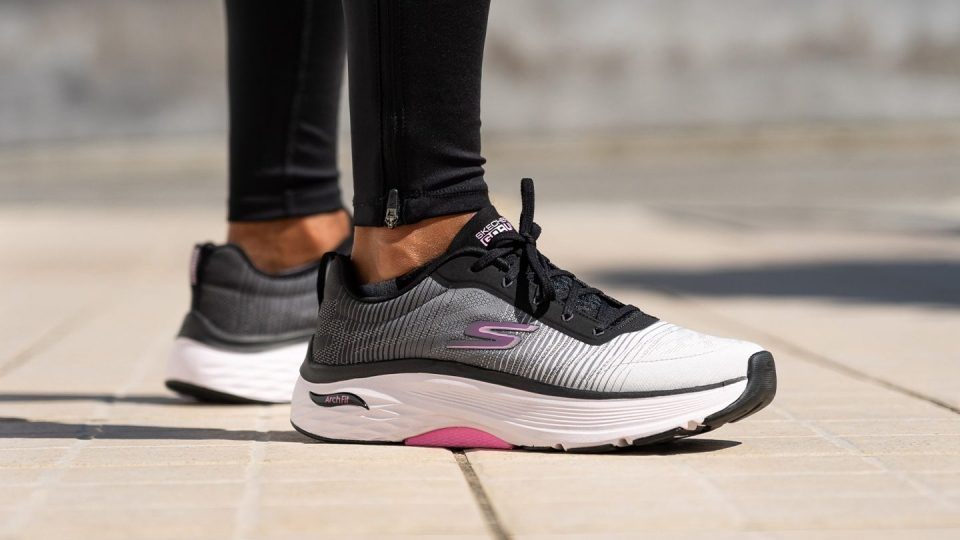
Let’s address value with unvarnished clarity. A high-quality walking shoe from a reputable brand investing in research and development (like Brooks, Hoka, On, or even the advanced comfort lines from Skechers) typically ranges from $120 to $180 at full retail. This is not an arbitrary cost. It encompasses biomechanical research, durable material sourcing, ethical manufacturing practices, and quality control. However, the savvy stylist need not pay full price. End-of-season sales, outlet stores, and reputable online retailers frequently offer discounts of 25-40%. The key is to know your precise size and desired model, then hunt strategically. Consider the cost-per-wear metric: a $150 shoe worn 300 times over two years costs $0.50 per day. A $60 fashion sneaker that causes discomfort and falls apart after 50 wears costs $1.20 per day and potentially far more in chiropractor visits. Investing in proper footwear is a downstream savings on health and well-being. As financial advisor and author Suze Orman might counsel, this is a “need,” not a “want,” and should be budgeted for accordingly. Look for models from the previous year, which often have only minor cosmetic changes from the latest version but are significantly discounted. This is where professional knowledge pays literal dividends, allowing you to acquire superior technology and style at an accessible price point.
The journey to finding walking shoes that truly elevate your outfit is a deliberate one. It requires dismissing the false choice between comfort and style and embracing the new paradigm where they are inseparable. It begins with a respect for the biomechanical marvel that is your foot, supported by shoes engineered with intention. It flourishes through the conscious selection of materials, silhouettes, and colors that articulate your personal narrative. It is finalized by the intelligent curation of your footwear for life’s varied stages and the savvy acquisition of quality. Your shoes are the point where your body meets the world. Make that point one of unwavering support and undeniable style. Let every step be a statement of considered intention.