

The Ultimate Guide to Walking Shoes That Elevate Your Everyday Look
Forget the notion that style and comfort are mutually exclusive. The right pair of walking shoes can be the cornerstone of a wardrobe that moves seamlessly from a morning commute to an evening stroll, all while providing the foundation your body needs. This isn’t about choosing between looking good and feeling good; it’s about understanding how the science of footwear engineering can empower both. We’re moving beyond purely athletic silhouettes to explore how modern shoe walking technology integrates with contemporary design, creating footwear that supports your health and elevates your personal aesthetic. Let’s dismantle the old paradigms and step into a world where every stride is backed by research and every step makes a statement.
The Anatomy of Support: More Than Just a Soft Sole
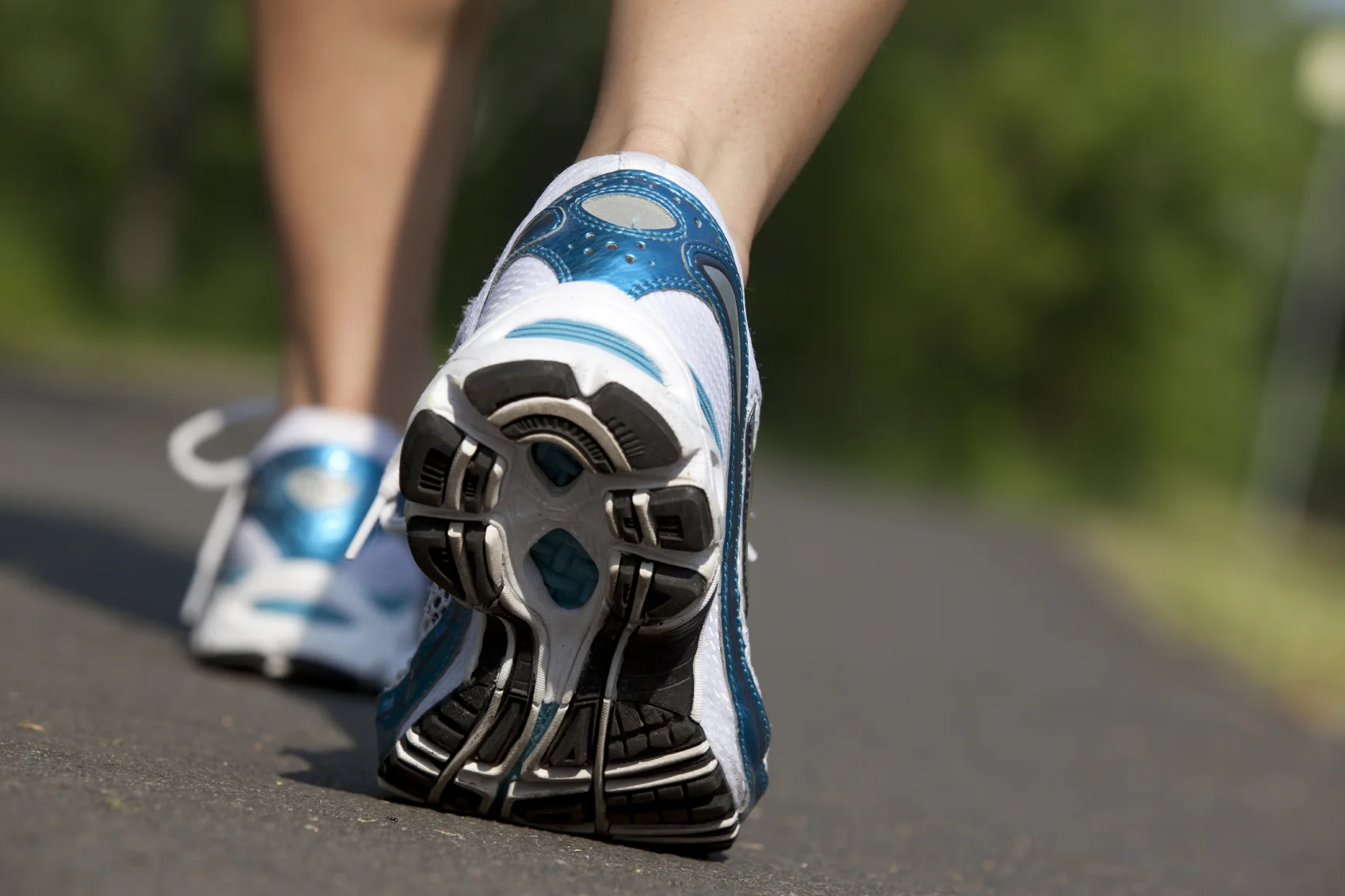
When we discuss the ideal shoe walking experience, we must start from the ground up—literally. The human foot is a complex structure of 26 bones, 33 joints, and over 100 muscles, tendons, and ligaments. According to biomechanics literature from institutions like the University of Calgary’s Human Performance Lab, the foot undergoes a specific gait cycle during walking: heel strike, mid-stance, and toe-off. A shoe that truly supports this cycle does far more than offer cushioning. It requires a harmonious combination of key components. The midsole, often made from EVA (ethylene-vinyl acetate) or polyurethane, is the primary shock absorber. Its density and thickness determine how much impact is dissipated with each step. The insole or footbed is your direct interface, with contoured arch support being non-negotiable for proper alignment. As Dr. Casey Kerrigan, a former Harvard Medical School researcher known for her studies on footwear and gait, has pointed out, excessive cushioning can sometimes destabilize the foot. Therefore, stability features like a firm heel counter (the back part of the shoe that cups your heel) and strategic medial posts are crucial for preventing overpronation—the inward rolling of the foot. This scientific approach to construction ensures that your daily shoe walking routine actively contributes to joint health rather than undermining it.
Material Science: Where Breathability Meets Durability
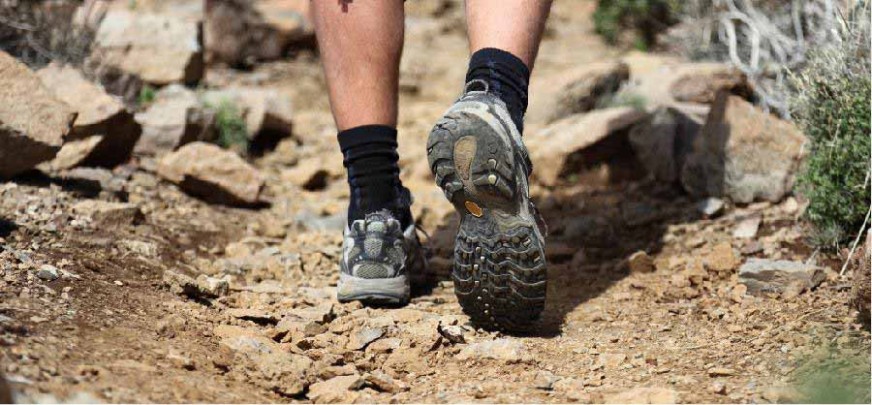
The outer shell of your walking shoe is its first line of defense and a major style determinant. Gone are the days of stiff, non-porous leathers as the only option. Today’s materials are engineered for performance. Knitted uppers, pioneered by brands like Nike with Flyknit, provide a dynamic, sock-like fit that moves with your foot, offering targeted breathability and reducing the risk of blisters. These technical fabrics are often combined with strategic synthetic overlays to maintain structure without adding weight. For a more classic look, premium suede and engineered mesh combinations offer a sophisticated texture while maintaining airflow. The importance of breathability is underscored by podiatric resources, which note that a moist environment inside a shoe can lead to fungal infections and skin breakdown. Furthermore, the outsole material is critical. Durable carbon rubber, often placed in high-wear areas like the heel, significantly extends the shoe’s lifespan compared to standard blown rubber. When selecting a shoe walking companion, consider your environment: city pavements demand hard-wearing compounds, while varied trails might require a more lugged, grippy pattern for traction. This marriage of material technology and practical design ensures your shoes look pristine and perform reliably mile after mile.
Aesthetic Alchemy: Translating Performance into Style
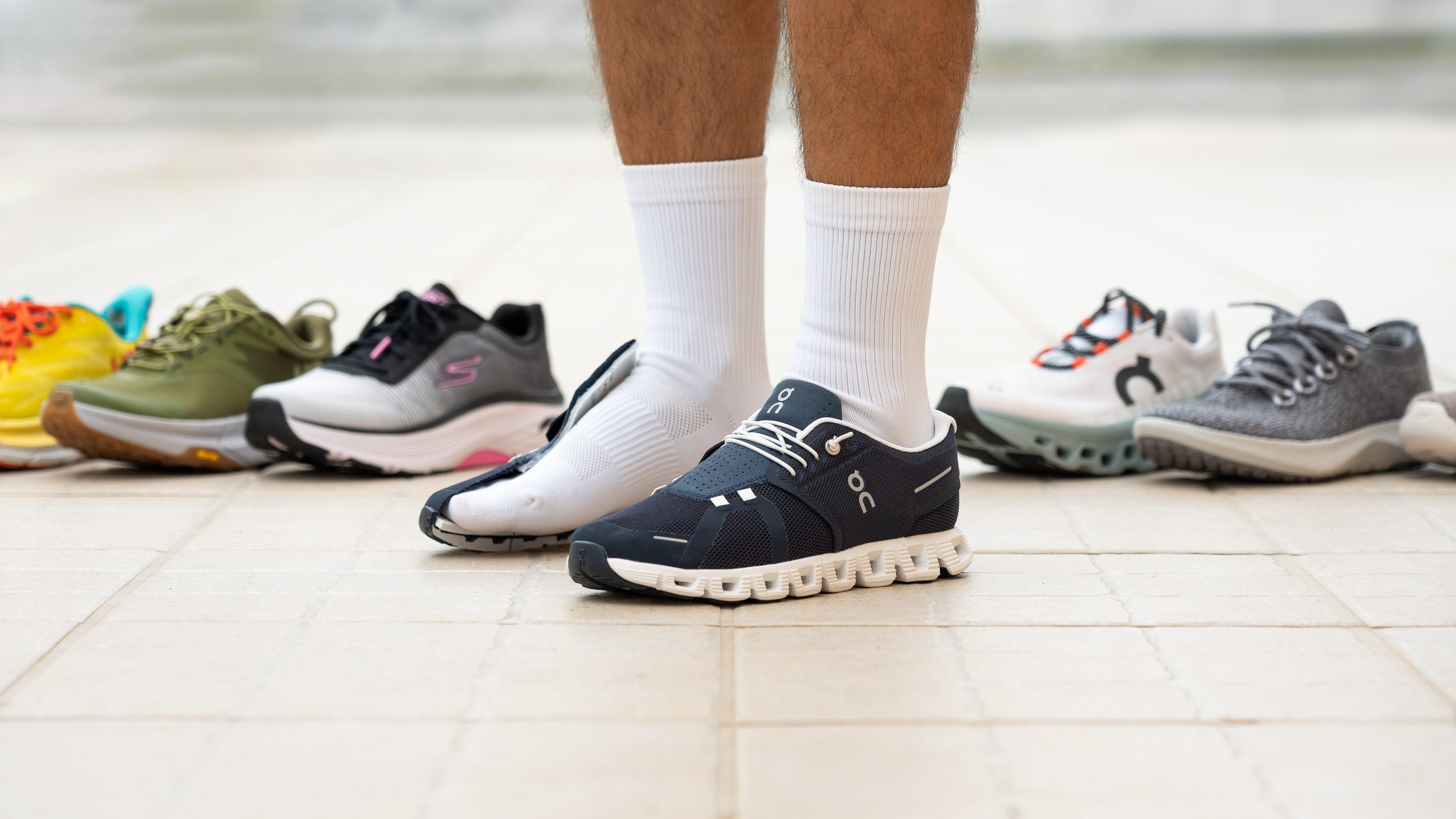
The greatest triumph of modern footwear design is the seamless integration of technical specs into visually appealing forms. The “athleisure” trend wasn’t born in a vacuum; it was a response to a growing demand for versatility. Think of the clean lines of a Hoka Clifton or the minimalist profile of an Allbirds Tree Runner. These shoes derive their aesthetic from their function—the streamlined shapes reduce weight, the monochromatic colorways highlight sculptural elements, and the absence of superfluous decoration speaks to a utilitarian elegance. This philosophy echoes the minimalist principles found in iconic design, from Dieter Rams’s “less but better” to the timeless simplicity of Japanese wabi-sabi. As fashion critic Vanessa Friedman of The New York Times has observed, contemporary style is increasingly about “dressing for the life you actually lead.” A sleek, neutral-toned walking shoe can anchor a wide-leg trouser, complement a midi skirt, or add an intentional, modern touch to tailored jeans. The goal is to choose a shoe where the design language communicates intelligence and intention. Your shoe walking choice becomes a silent signal of an informed, active, and style-conscious individual, proving that practical footwear can be a powerful accessory in its own right.
The Personal Fit: It’s Not Just About Size
Perhaps the most critical, yet most overlooked, aspect of selecting walking shoes is achieving a truly personalized fit. A study cited by the American Podiatric Medical Association emphasizes that ill-fitting shoes are a primary cause of foot disorders. Your shoe size is merely a starting point. Key considerations include foot volume (is your foot narrow, wide, or high-volume?), arch type (neutral, low, or high?), and even the time of day you shop (feet swell throughout the day, so an afternoon fitting is ideal). The “thumb’s width of space” rule at the toe is a good baseline, but you must also ensure the shoe bends at the same point your foot does during the toe-off phase of your gait. There should be no slippage at the heel, and the widest part of the shoe should align with the widest part of your foot (the ball). Don’t be seduced by a brand name or a trendy look if the geometry doesn’t match your own. As renowned runner and coach Jeff Galloway often advises, “You are the ultimate judge of your shoe’s fit.” Investing time in a professional fitting or meticulously following self-measurement guides is non-negotiable. The perfect shoe walking fit feels like an extension of your body, providing a stable, comfortable platform that allows you to forget about your feet and focus on your day.
Strategic Investment: Longevity, Care, and Value
Viewing a quality walking shoe as a strategic investment shifts the paradigm from disposable fast fashion to curated functionality. The biomechanical components we’ve discussed—the midsole compression, the outsole wear—have a finite lifespan. Most experts, including those at the American Council on Exercise, recommend replacing walking shoes every 300 to 500 miles. Wearing shoes beyond their functional life can lead to a loss of support and increased injury risk. To maximize your investment, practice simple care: rotate between two pairs to allow materials to decompress, use a gentle cleaner for uppers, and avoid direct heat when drying. Now, let’s talk value. While premium walking shoes from brands like Brooks, New Balance, or On Running may carry a higher initial price (often between $120-$160), their durability, advanced technology, and proper fit provide immense value per mile. Furthermore, savvy shoppers can leverage end-of-season sales, outlet stores, and reputable online retailers for significant discounts, sometimes finding last season’s top models at 30-50% off. The true cost isn’t the price tag; it’s the cost per day of unparalleled comfort and support. By choosing wisely and caring for your shoes, you ensure that your commitment to shoe walking excellence is both economically smart and physically rewarding.
:max_bytes(150000):strip_icc()/when-should-i-replace-my-walking-shoes-3436325-0801-7a1840d83573471092e0380f9e230ecc.jpg)
Beyond the Pavement: Specialized Considerations
Your daily environment dictates specific needs. For those dealing with overpronation, shoes with structured support are vital. Models like the Brooks Adrenaline GTS or the Saucony Guide feature guidance systems that help correct excessive inward roll, a point corroborated by reviews on expert sites like Runner’s World. Conversely, for underpronators (supinators), maximum cushioning and flexibility are key to distributing impact. If your shoe walking routine includes uneven trails, look for shoes with protective rock plates, aggressive lugs for grip, and reinforced toe caps. The goal is specificity. As the ancient Greek philosopher Aristotle noted in his Nicomachean Ethics, “For the things we have to learn before we can do them, we learn by doing them.” Applying this to footwear means recognizing that the tool must be matched to the task. The informed walker understands that one perfect shoe for all scenarios may not exist, and building a small, purpose-driven rotation—a sleek pair for urban exploration, a supportive pair for long-distance fitness walking, a rugged pair for nature trails—is the ultimate expression of sartorial and practical intelligence.
The journey to finding walking shoes that elevate your look is a journey of informed self-care. It’s a rejection of the false choice between aesthetics and well-being. By embracing the science of biomechanics, the innovation of material design, and the principles of intentional style, you select more than footwear. You choose a daily partner that respects your body’s engineering and projects your personal narrative. Let your steps be confident, supported, and unmistakably your own.
