

The Ultimate Guide to Walking Shoes That Elevate Your Everyday Look
Forget the notion that style and comfort are mutually exclusive. The right pair of walking shoes can be the cornerstone of a wardrobe that moves with you, seamlessly transitioning from a brisk morning commute to an afternoon of errands and an evening out, all while providing the foundation your body needs. This isn’t about sacrificing aesthetics for orthopedic necessity; it’s about embracing footwear that empowers your stride and elevates your entire presence. The journey to finding these perfect companions begins with understanding that the best shoes to walk in are those you forget you’re wearing—until someone compliments them.
:max_bytes(150000):strip_icc()/tal-walking-shoes-test-on-cloud-5-ashleigh-morley-01-f02f544a3dcf4b67b919b810eac77f09.jpeg)
The Anatomy of a Superior Walking Shoe: Beyond the Surface
To discern a truly great walking shoe from a merely passable one, we must delve into its architecture. The foundation lies in the midsole, typically crafted from materials like EVA (ethylene-vinyl acetate) or polyurethane. According to biomechanics literature from institutions like the University of Calgary’s Human Performance Laboratory, the midsole’s primary function is shock attenuation—absorbing the impact force, which can reach 1.5 times your body weight with each step, before it travels up your kinetic chain. A quality midsole provides a balance of cushioning and responsiveness, preventing the “dead” feeling some overly soft shoes create. Above this sits the insole or sockliner, your shoe’s first point of contact. This is where brands often integrate antimicrobial treatments or modest arch support. However, for those with specific biomechanical needs, this is the component most easily replaced with a custom orthotic, a point podiatrists frequently emphasize. The outsole, your connection to the ground, demands a rubber compound that offers durability and flexibility. Look for a segmented or grooved design, which facilitates the natural heel-to-toe rolling motion of an efficient walking gait. The upper, meanwhile, has evolved from mere coverage to a technical marvel. Modern engineered meshes and knitted textiles offer targeted breathability and support, conforming to the foot’s shape without unnecessary seams that can cause blistering. When these elements harmonize, you have more than just shoes to walk in; you have a tool for sustained, pain-free mobility.
Style as Function: When Design Meets Biomechanics
The great sartorial debate often pits sleek minimalism against robust support. Yet, contemporary design has brilliantly bridged this gap. Consider the “dad shoe” trend, exemplified by chunky silhouettes from brands like Balenciaga or New Balance. While a fashion statement, their design inadvertently aligns with podiatric principles. The broader platform offers inherent stability, a feature the American Podiatric Medical Association notes can help reduce overpronation. Conversely, the rise of minimalist or “barefoot” shoes, inspired by the research of Dr. Daniel Lieberman on human endurance running, champions a zero-drop heel and thin sole to strengthen foot musculature. This style, however, requires a gradual adaptation period most casual walkers overlook. The sweet spot for the everyday urbanite often lies in the hybrid category: shoes that borrow the clean lines of a sneaker, the premium materials of a lifestyle product, and the hidden technology of a performance trainer. Brands like Allbirds, with their merino wool uppers, or Cole Haan’s Grand series, which infuses dress shoe aesthetics with athletic comfort, are prime examples. They prove that the quest for the best shoes to walk in doesn’t force you to choose between looking prepared for a board meeting and being prepared for a 10,000-step day.
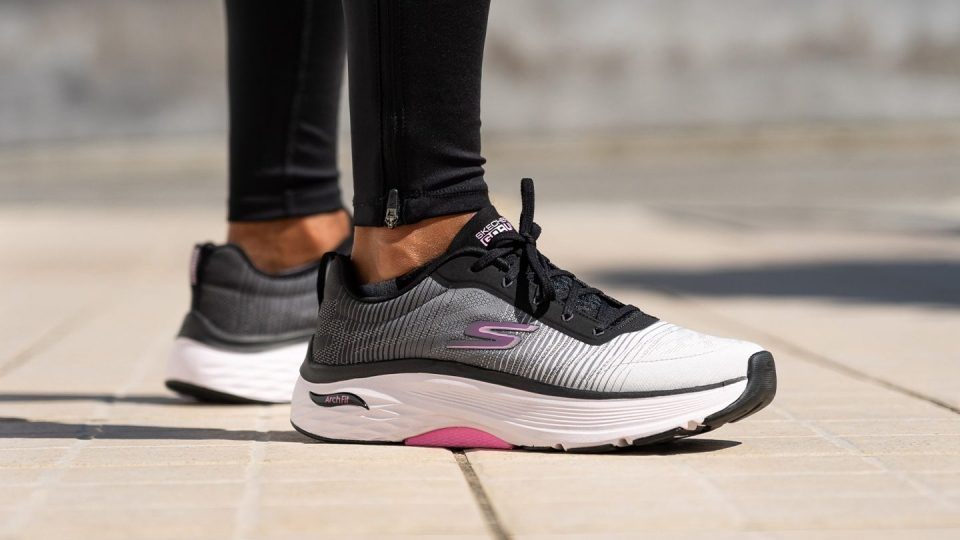
The Investment Equation: Cost Per Mile Versus Instant Gratification
Viewing walking shoes through the lens of an investment rather than an expense fundamentally changes the selection process. A common benchmark from running and walking communities, often cited on platforms like Quora and Runner’s World forums, is to replace shoes every 300-500 miles. For an average walker covering 3 miles daily, this translates to a replacement cycle of every 4 to 6 months. Therefore, a $150 pair that lasts 500 miles has a cost-per-mile of $0.30. A $60 pair that breaks down or loses its support at 200 miles costs $0.30 per mile as well, but offers a inferior experience and potentially leads to discomfort or injury. The true value lies in durability, retained support, and overall satisfaction. This is where professional knowledge intersects with smart spending. Brands like Brooks, ASICS, and Hoka One One invest heavily in research and development, often collaborating with biomechanics labs. Their technologies—Brooks’ GuideRails, ASICS’ Gel cushioning, Hoka’s meta-rocker geometry—are designed for longevity of performance. To access this quality without straining your budget, strategic timing is key. End-of-season sales, colorway closeouts, and subscription to brand newsletters for exclusive discounts are practical tactics. Remember, the most expensive shoe isn’t necessarily the best for you, but the cheapest option is rarely the most economical over time. Investing in the right shoes to walk in is an investment in your daily well-being.
The Personal Fit: A Narrative of Your Unique Stride
Your foot’s story is unique—its arch height, its width, its tendency to roll inward (pronate) or outward (supinate). This narrative dictates the perfect shoe. The “wet test” (stepping on a paper bag to see your footprint) is a classic, if rudimentary, starting point to determine arch type. However, for a truly objective analysis, many specialty running stores now offer gait analysis using pressure plates or video technology. This scientific approach removes guesswork. A person with flat feet and overpronation, for instance, will benefit from a shoe with structured support or motion control, such as the Brooks Adrenaline GTS series. A high-arched, supinating foot, conversely, needs maximum cushioning and flexibility to aid natural motion, found in models like the Saucony Triumph. Furthermore, fit must account for the foot’s natural swelling throughout the day and during activity. Renowned YouTube physical therapists like Dr. Aaron Horschig (“Squat University”) consistently advise shopping for shoes in the late afternoon and ensuring a thumb’s width of space between your longest toe and the shoe’s end. Your perfect pair of shoes to walk in should feel secure at the heel and midfoot, with room for your toes to splay naturally, a concept championed by the minimalist movement and supported by modern foot health science.
:max_bytes(150000):strip_icc()/woman-feet-running-on-road-closeup-on-shoe--young-fitness-women-runner-legs-ready-for-run-on-the-road--sports-healthy-lifestyle-concept--1192508928-4ad65578a5b64bfe95d29e3182fbb398.jpg)
Curating Your Rotation: The Case for Multiple Pairs
Just as a wardrobe thrives on variety, so does your foot health. Relying on a single pair of shoes day after day is akin to a musician playing only one note. Different activities and surfaces impose subtly different stresses on your feet and the shoes themselves. Having a small rotation—perhaps a well-cushioned pair for long weekend walks on pavement, a lighter, more flexible pair for shorter daily tasks, and a water-resistant option for inclement weather—serves multiple purposes. First, it allows each pair to fully decompress and air out between wears, dramatically extending the lifespan of the midsole foam. Second, it subtly alters the stress patterns on your muscles and connective tissues, potentially reducing overuse injuries. This concept is supported by studies in sports science, such as those referenced by the University of British Columbia’s Department of Kinesiology, which note that variability in training (including equipment) can enhance adaptability. Fashion influencer and author Tan France has often spoken about building a “shoe capsule,” focusing on versatile, comfortable pieces that work across contexts. Applying this philosophy to your active footwear means you’re never caught without the appropriate tool for the moment, ensuring you always have the right shoes to walk in, whether the path is wet, long, or unexpectedly stylish.
:max_bytes(150000):strip_icc()/when-should-i-replace-my-walking-shoes-3436325-0801-7a1840d83573471092e0380f9e230ecc.jpg)
The Silent Language of Shoes: An Unspoken Elevation
What you wear on your feet communicates before you utter a word. In her book “The Psychology of Fashion,” Professor Carolyn Mair discusses how clothing, including footwear, influences both self-perception and external perception. A sharp, clean, and intentionally chosen pair of walking shoes signals attentiveness to detail, an understanding of modern hybrid living, and a priority on personal well-being. They suggest you are someone who moves with purpose. This isn’t about luxury labels; it’s about considered choice. The confidence derived from knowing your feet are supported allows your posture to improve, your stride to lengthen, and your focus to remain on your surroundings and companions, not on nascent foot pain. This holistic benefit is the ultimate elevation. It transforms the mundane act of walking from a transit between points A and B into a confident, comfortable, and stylish component of your daily narrative.
The search ends not with a single perfect shoe, but with an informed philosophy. It is the understanding that the footwear you choose for motion is integral to your health, your efficiency, and your personal expression. By marrying scientific insight with aesthetic consideration, you curate not just a pair of shoes, but a foundation for a more dynamic and elevated everyday life. Let your next step be your most confident yet.
