

The Ultimate Guide to Walking Shoes That Elevate Every Outfit
Forget the notion that style and comfort are mutually exclusive. The right pair of shoes to walk in is not merely a functional item; it is the foundational element that can unify and elevate your entire wardrobe. This guide is dedicated to dismantling the compromise, proving that the most practical choice can also be your most powerful sartorial statement. We will navigate through the science of support, the principles of design, and the art of integration, providing you with the knowledge to select footwear that carries you confidently from dawn to dusk, without sacrificing an ounce of flair.
The Anatomy of a Perfect Walking Shoe: Where Science Meets the Sidewalk
To understand what makes a great walking companion, we must first look beneath the surface. The human foot is a complex structure of 26 bones, 33 joints, and over 100 muscles, tendons, and ligaments. According to biomechanics literature from institutions like the University of Calgary’s Human Performance Lab, the act of walking—or gait—involves a repetitive cycle of impact and propulsion. A superior shoes to walk in mitigates the ground reaction forces (which can exceed 1.5 times your body weight) and facilitates the natural roll from heel to toe. Key components include a cushioned midsole, often made from advanced materials like EVA (ethylene-vinyl acetate) or polyurethane, which absorbs shock. The heel counter, a firm cup at the back, stabilizes the foot to prevent excessive pronation (inward roll) or supination (outward roll). Furthermore, a study published in the Journal of Foot and Ankle Research emphasizes the importance of adequate toe box space to allow for natural splay and prevent issues like bunions. This scientific foundation isn’t about limiting style; it’s about enabling it. Comfort born from proper engineering is what allows you to wear your chic choices all day long.
Silhouettes That Speak: From Sneakers to Loafers
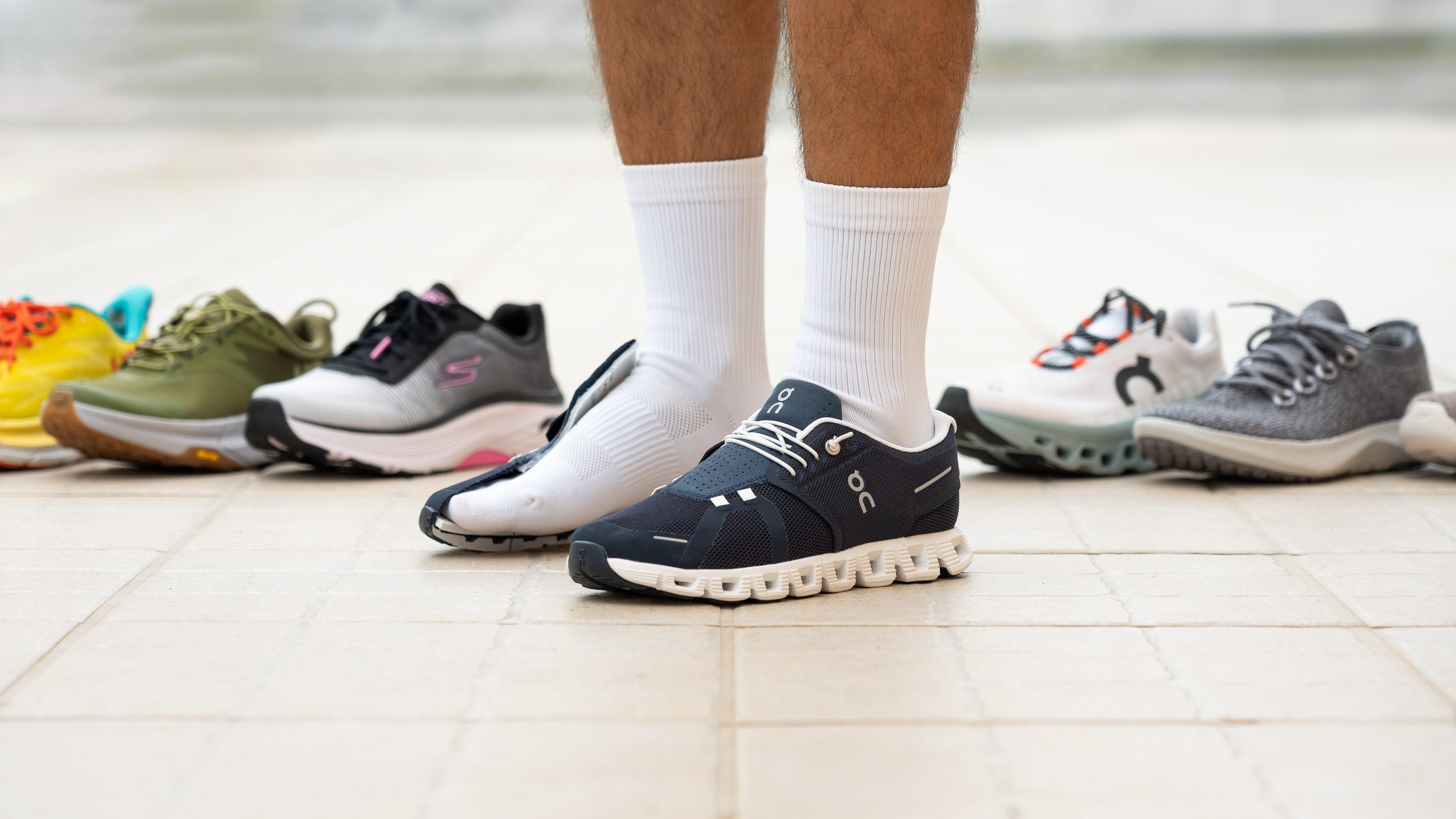
The modern market offers a plethora of styles that incorporate this essential technology without shouting “athletic gear.” Consider the minimalist white leather sneaker: a canvas of simplicity that references everything from Stan Smith’s legacy to the clean aesthetics championed by designers like Phoebe Philo during her tenure at Céline. Its versatility is its superpower, pairing effortlessly with tailored trousers, flowing dresses, or classic denim. Then, there’s the resurgence of the walking loafer. No longer the stiff, formal shoe of yesteryear, contemporary versions feature hidden cushioned footbeds, flexible outsoles, and soft leathers. As fashion commentator Tim Blanks once noted on Business of Fashion, “The luxury of today is often found in the feeling of ease.” A supple loafer embodies this, offering a polished look that doesn’t pinch. For those seeking a more rugged aesthetic, technical sandals with premium straps and advanced tread patterns, akin to styles popularized by brands like Teva and adopted by high-fashion runways, bridge the gap between mountain trail and urban landscape. Each of these categories proves that the core function of a shoes to walk in can be seamlessly woven into diverse aesthetic identities.

Material Matters: Leather, Mesh, and Sustainability
The substance of your shoe dictates its character, longevity, and interaction with your environment. Full-grain leather, for instance, develops a unique patina over time, a quality highly valued in forums like StyleForum and referenced in classic menswear literature such as The Rake magazine. It molds to the foot, offering a personalized fit that improves with age. Conversely, engineered knits and technical meshes provide unparalleled breathability and a lightweight feel, a technology heavily researched by sportswear giants like Nike and Adidas for their performance lines. Today, the conversation is incomplete without addressing sustainability. Innovations in materials—such as recycled polyester uppers, algae-based foam midsoles (as pioneered by brands like Vivobarefoot), and chrome-free tanning processes—are becoming benchmarks. As environmental scientist Dr. Jane Goodall has implored in numerous speeches, “Every day you live, you make an impact. You get to choose what kind of impact you make.” Choosing shoes to walk in made with considered materials is a step toward a lighter footprint, both physically and ecologically.
The Art of Integration: Curating Outfits Around Your Foundation
With the perfect pair secured, the next step is integration. This is where personal style truly flourishes. The principle is to view your shoes not as an afterthought, but as the anchor of your ensemble. For a smart-casual look, pair sleek, leather walking sneakers with wide-leg wool trousers and a crisp button-down. The contrast between the tailored top and the relaxed, comfortable base creates a dynamic, modern balance. For a feminine yet practical approach, a flowing midi dress finds its grounding with a pair of robust, stylish sandals, a combination frequently spotted on fashion influencers from Paris to Tokyo. Even within professional settings, the rules are softening. A sophisticated, cushioned ballet flat or a low-block-heel ankle boot can replace punishing stilettos, offering all-day viability without compromising on a professional silhouette. The goal is intentional harmony. As renowned costume designer Colleen Atwood, known for her work on films like Chicago and Fantastic Beasts, once said in an interview:
“Clothing is a character’s first language. The shoes tell you how they move through their world—are they grounded, are they precarious, are they ready for action?”
Apply this thinking to your own narrative. Your chosen shoes to walk in declare that you are grounded, comfortable, and ready to engage with the world on your own terms.
Investment and Care: Protecting Your Stylistic Assets
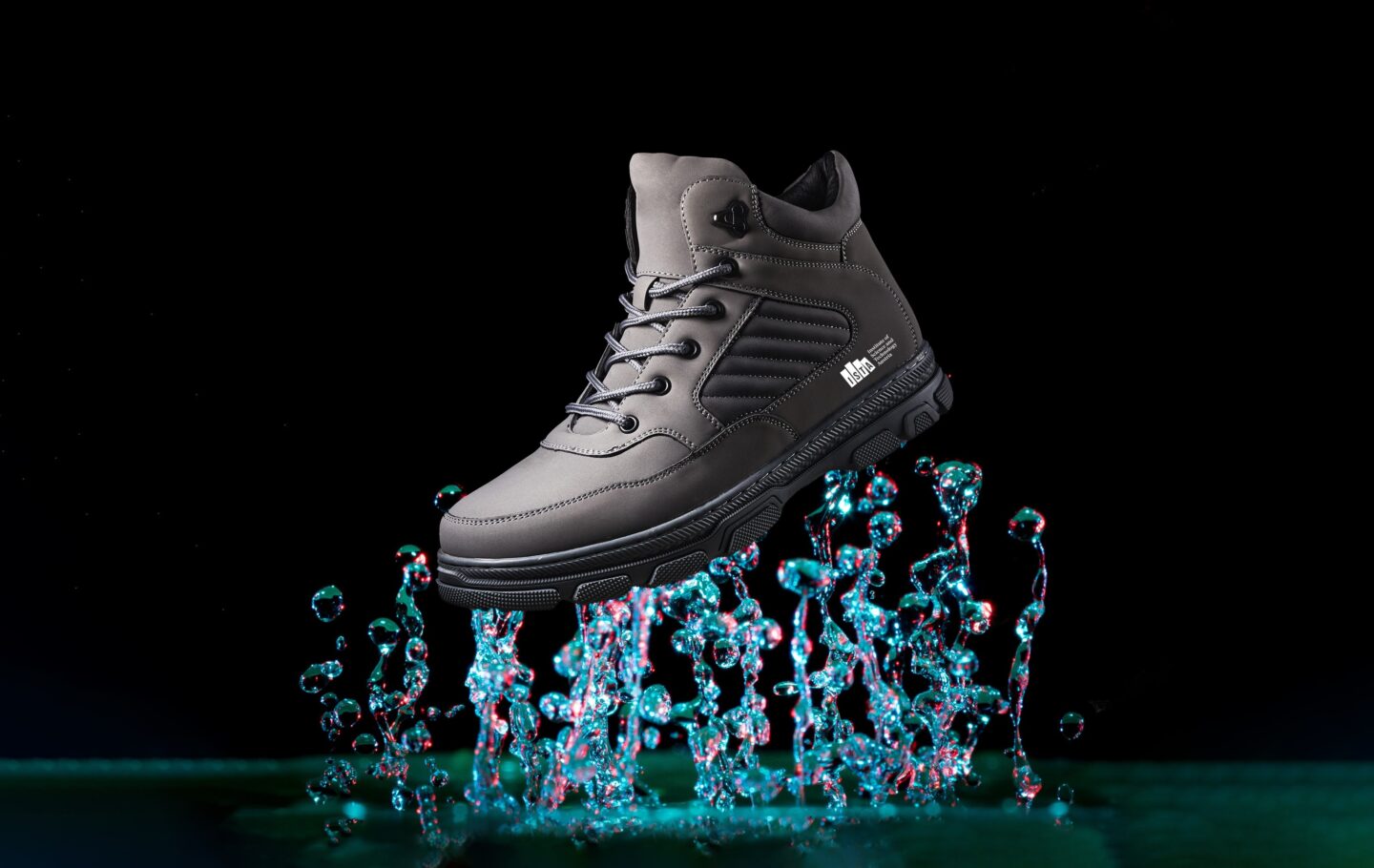
Viewing your walking shoes as long-term wardrobe investments necessitates proper care. High-quality footwear, when maintained, offers a superior cost-per-wear value. Regular maintenance includes brushing off dirt, using appropriate leather conditioners or fabric protectors, and allowing shoes to air out and dry naturally between wears. Avoid the temptation to wear the same pair every single day; rotating between two or three pairs allows the materials to recover their shape and significantly extends their lifespan. The outsole is your best indicator for replacement. As noted by podiatrists on health platforms like WebMD and Verywell Fit, once the tread pattern is visibly worn down or the midsole compression no longer provides adequate cushioning (a simple “twist test” can reveal excessive flexibility), it’s time for a new pair. Ignoring this can lead to altered gait and discomfort. Therefore, part of the savvy consumer’s approach is recognizing when to rejuvenate and when to replace, ensuring your style and comfort never miss a step.
:max_bytes(150000):strip_icc()/when-should-i-replace-my-walking-shoes-3436325-0801-7a1840d83573471092e0380f9e230ecc.jpg)
The journey to finding the ideal walking shoe is an exercise in self-knowledge. It asks you to consider your daily rhythms, your aesthetic preferences, and your physical needs. By prioritizing ergonomic design without sacrificing form, you build a wardrobe that is not only visually cohesive but also fundamentally respectful to your body. The ultimate goal is to step out into the world with unwavering confidence, knowing that every aspect of your presentation, from the ground up, is thoughtfully curated. Let your choice in footwear be the silent, powerful testament to a life lived in both comfort and style.
