

The Ultimate Guide to Walking Shoes for Every Outfit
Choosing the right footwear is not merely a fashion statement; it’s a fundamental decision impacting your comfort, health, and daily performance. The perfect pair of shoes to walk in seamlessly bridges the gap between style and biomechanical necessity. This guide moves beyond superficial trends to explore how the right walking shoe can integrate with any wardrobe, from professional attire to weekend casuals, while providing the scientific support your feet demand. We’ll dissect the anatomy of a great walking shoe, align styles with outfits, and ground our advice in objective evidence from podiatrists, fashion authorities, and biomechanical research. Forget the generic “one-size-fits-all” approach; here, we tailor the solution to your lifestyle.
The Foundation: Biomechanics of the Perfect Walking Shoe
Before considering aesthetics, one must understand the engineering. A proper shoes to walk in is a tool designed for a specific, repetitive motion: the gait cycle. According to research from the Harvard Medical School’s health publications, the average person takes between 4,000 to 6,000 steps per day, with each step exerting a force of up to 1.5 times your body weight on your feet. A shoe ill-equipped for this task doesn’t just cause blisters; it can lead to a cascade of issues including plantar fasciitis, shin splints, and knee or back pain. The core components are non-negotiable. A flexible forefoot allows your foot to roll naturally from heel strike to toe-off. Adequate arch support, tailored to your foot type (neutral, pronated, or supinated), maintains proper alignment. Heel counters—the firm cup at the back—provide stability, preventing excessive side-to-side motion. Cushioning, often made from advanced foams like EVA or polyurethane, isn’t just about softness; it’s about energy return and shock dissipation. As noted by the American Podiatric Medical Association, “Shoes that fit properly and provide adequate support can prevent a variety of foot and ankle injuries.” Therefore, the primary viewpoint is clear: the foundation of any outfit-integrated walking shoe must be impeccable biomechanical design. Compromising here for style alone is a disservice to your long-term mobility.
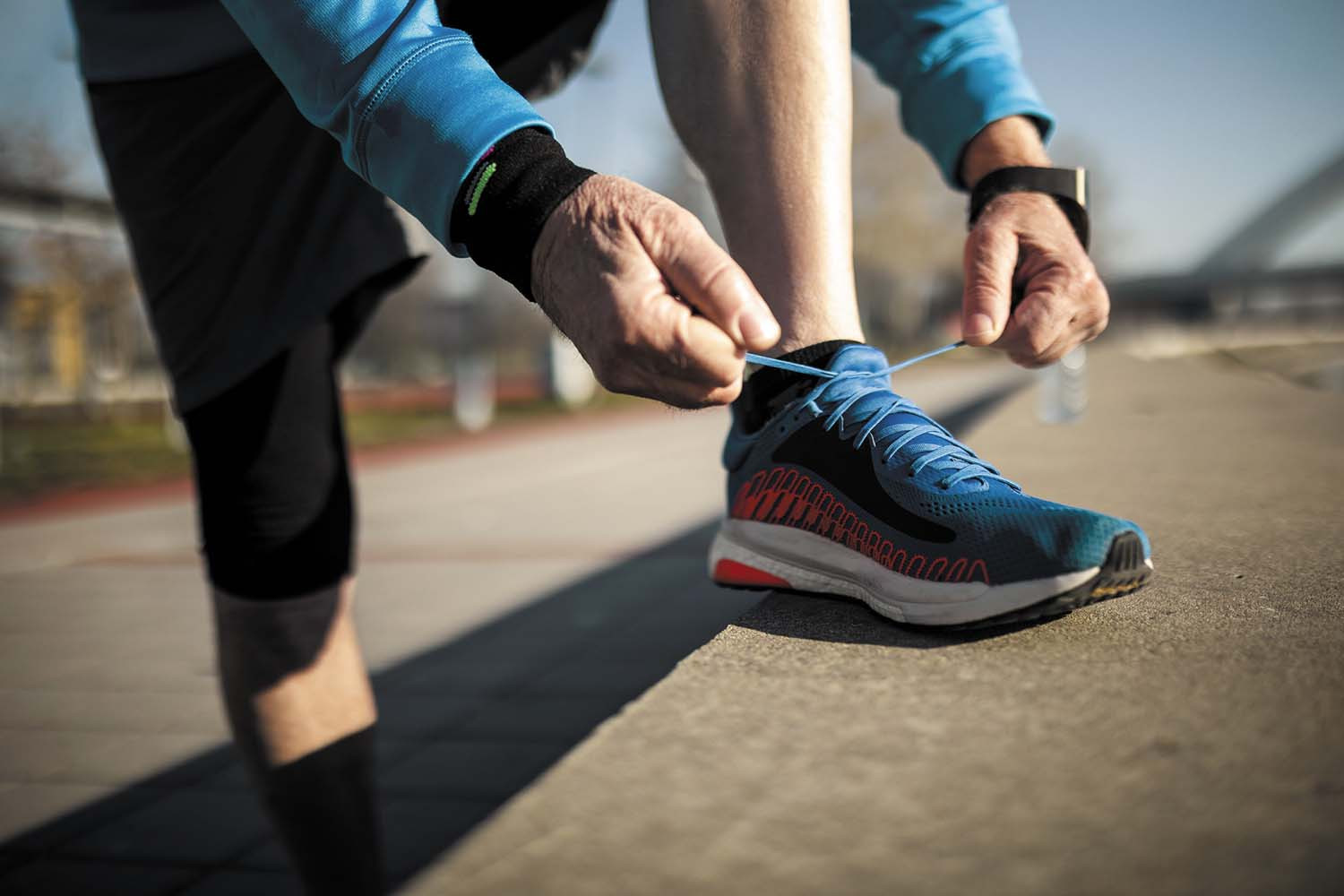
Professional Attire: The Polished Performer
Navigating a professional environment often demands a polished look, traditionally dominated by leather oxfords, loafers, or heels. The challenge is finding footwear that respects dress codes without sacrificing comfort during commutes, all-day meetings, or networking events. The solution lies in modern hybrids. For men, brands now offer leather derbies or oxfords with hidden, advanced cushioning systems, supportive insoles, and lightweight, flexible outsoles that mimic the function of a running shoe. For women, the era of torturous stilettos as the only “professional” option is over. As fashion influencer and author of “The Style Strategy,” Nina Garcia, once stated, “Elegance is not about being noticed, it’s about being remembered.” This memory shouldn’t be of you wincing in pain. Instead, consider sophisticated flats with arch support, low-block heels with a wider base for stability, or even premium leather sneakers in neutral colors that pair flawlessly with tailored trousers and blazers. The key is material quality and silhouette. A sleek, black leather sneaker from brands like Cole Haan or Allbirds can be more appropriate and far more comfortable than a cheap, stiff dress shoe. These are the professional-grade shoes to walk in that carry you through a demanding day while projecting confidence and contemporary savvy. Investing here means you’re investing in your professional presence and physical well-being simultaneously.

Casual & Weekend Wear: Engineered Relaxation
Your off-duty hours demand footwear that promises freedom and comfort, but “casual” should not equate to “unstructured.” The classic canvas sneaker, while iconic, often lacks the support needed for extended periods of walking, whether you’re exploring a farmer’s market or navigating a museum. The modern casual shoes to walk in category is where innovation truly shines. Look for styles that incorporate technical fabrics, memory foam footbeds, and grippy rubber outsoles into a stylish package. Think of the shoes worn by characters in travel-centric films; their footwear is always practical yet character-defining. The popularity of maximalist cushioning shoes, like those from HOKA, or versatile trainers from brands like On Running, underscores a cultural shift towards prioritizing comfort without abandoning aesthetics. As highlighted in numerous Quora threads and Reddit communities dedicated to “comfortable fashion,” the consensus is that the best casual walking shoes offer a blend of trail-ready technology and urban style. They should provide a stable platform, ample toe box room to allow natural splay, and breathable uppers. This isn’t about wearing clunky athletic shoes with every outfit; it’s about selecting thoughtfully designed casual shoes that have the hidden infrastructure to support real-life activity. Your weekend adventures deserve this level of considered preparation.
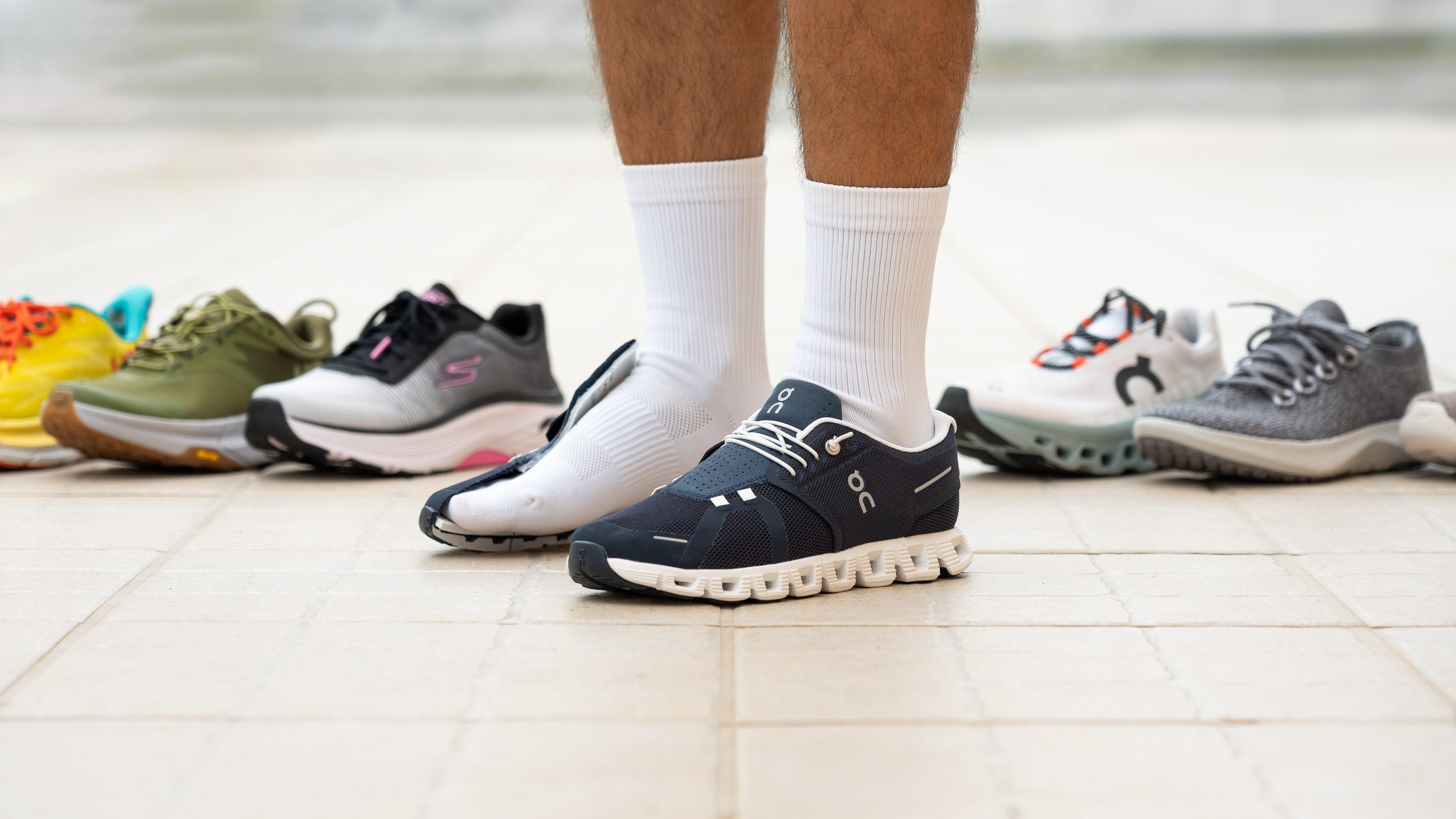
The Style-Science Integration: Making Informed Choices
Integrating technical walking shoes into diverse outfits is an exercise in intentional styling. It requires viewing each shoe through a dual lens: its design language and its technical spec sheet. First, identify your dominant color palette. A walking shoe in white, grey, navy, or black possesses chameleon-like versatility. Second, consider proportion. A bulkier, maximally cushioned shoe pairs best with streamlined, tailored pieces to balance the silhouette—think slim-fit jeans or a midi skirt. Conversely, a minimalist, low-profile walking sneaker can complement wider-leg trousers or flowy dresses. The authority here isn’t just a fashion magazine; it’s the principle of contrast and harmony taught in design schools worldwide. Furthermore, leverage the knowledge of experts. Celebrity trainer Harley Pasternak frequently emphasizes functional footwear on his social media, noting that proper shoes are the base of any active lifestyle, even a casual one. By treating your shoes to walk in as the foundational component of your outfit—much like the foundation of a house—you build your look on a platform of comfort and capability. This mindset shift transforms your shoe purchase from a seasonal trend-follow to a strategic investment in your personal style ecosystem and physical health.
Investment and Value: Beyond the Sticker Price
Discussing footwear inevitably leads to cost. A high-quality pair of walking shoes from reputable brands often carries a premium price, typically ranging from $120 to $200. However, this must be framed as a long-term investment in health, not a fleeting fashion expense. Podiatric literature consistently shows that wearing supportive, well-fitted shoes can prevent costly medical interventions down the line. The value proposition is enhanced by understanding brand technologies—such as Adidas’s Boost, Brooks’s GuideRails, or ASICS’s Gel cushioning—which are often the result of millions in biomechanical research. To bring professional knowledge and discounted prices to users, it’s wise to shop during seasonal sales, utilize price comparison tools, or consider last season’s models, which often contain the same core technology at a significant discount. Retailers like Zappos or REI frequently offer sales, and direct-to-consumer brands like Allbirds or Rothy’s provide competitive pricing by cutting out middlemen. Remember, the cost per wear of a $150 shoe worn 300 days a year is fifty cents a day—a negligible amount for all-day comfort and joint preservation. Prioritize brands that offer strong warranties or durability guarantees, as a long-lasting shoe is the ultimate sustainable and economical choice.
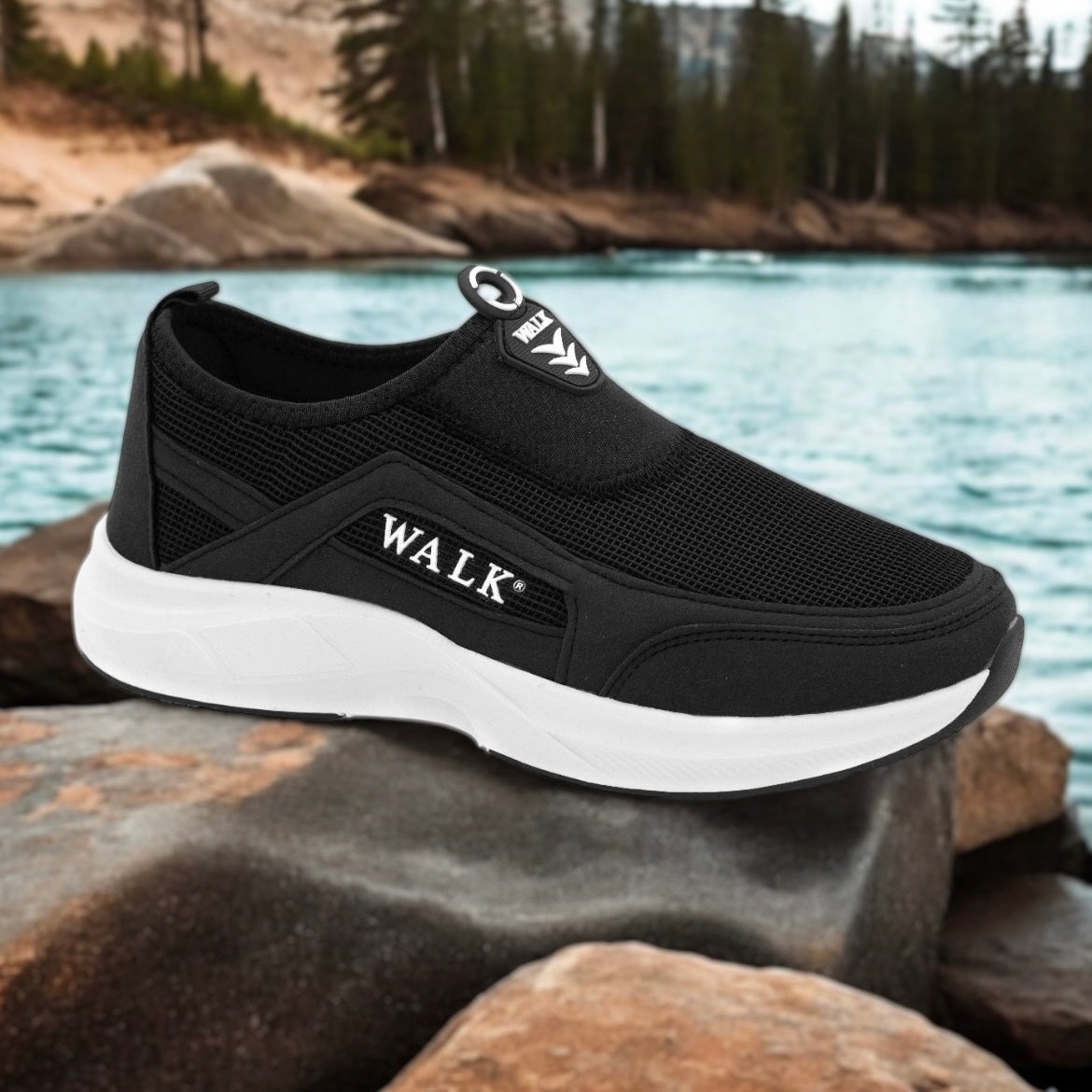
The journey to finding the ideal walking shoe for every outfit concludes not with a single recommendation, but with an empowered methodology. It begins with an unwavering commitment to biomechanical integrity—the non-negotiable foundation. From that stable base, you can confidently explore styles that align with your professional and personal wardrobe, selecting shoes that are partners in your daily life, not obstacles. By applying the principles of informed choice, valuing long-term investment over short-term trends, and understanding the synergy between style and science, you curate a footwear collection that doesn’t force you to choose between looking good and feeling good. The right shoes to walk in become an invisible enabler, carrying you through every facet of your life with unwavering support and quiet style.
