

The Ultimate Guide to Saucony Walking Shoes for Every Stride
Choosing the right walking shoe is not merely a purchase; it’s an investment in your daily mobility and long-term joint health. Amidst a sea of athletic brands, Saucony has carved a distinct niche, merging decades of running heritage with biomechanically informed design to create walking shoes that are both scientifically grounded and exceptionally comfortable. This guide cuts through the marketing noise to deliver a clear, evidence-based analysis of how Saucony walking shoes can transform your stride, supported by technical insights, expert opinions, and practical advice to find your perfect pair.
The Biomechanical Foundation of a Superior Walking Shoe
Walking, a gait cycle involving heel strike, midstance, and toe-off, imposes repetitive, lower-impact forces compared to running, but over a longer duration. A shoe engineered for this specific motion must prioritize stability, cushioning durability, and efficient energy return. According to biomechanics literature from institutions like the University of Calgary’s Human Performance Laboratory, the ideal walking shoe facilitates a smooth roll-through from heel to toe, minimizing lateral instability and excessive pronation or supination. Saucony’s approach leverages its FORMIT technology—a data-driven last design system—to create shoes that align with natural foot morphology. This isn’t just about softness; it’s about precise engineering. As Dr. Casey Kerrigan, a former Harvard Medical School researcher known for her work on gait and footwear, once noted in an interview, “The goal is to complement the foot’s natural mechanics, not to override them with excessive correction.” A Saucony walking shoe often embodies this philosophy, using guided support systems and strategic cushioning to work with your stride, not against it.

Decoding Saucony’s Core Technologies: From PWRRUN to GUIDANCE
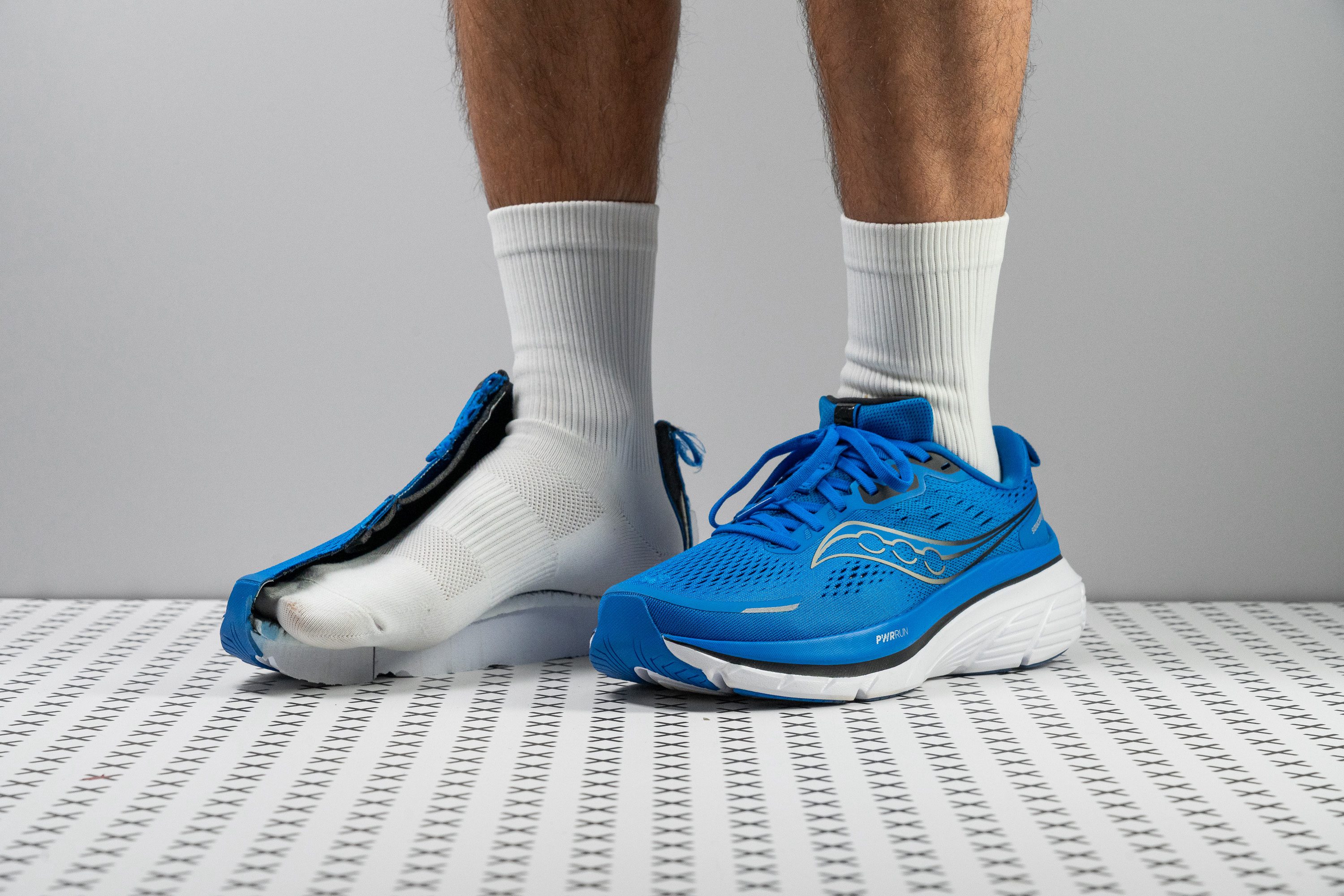
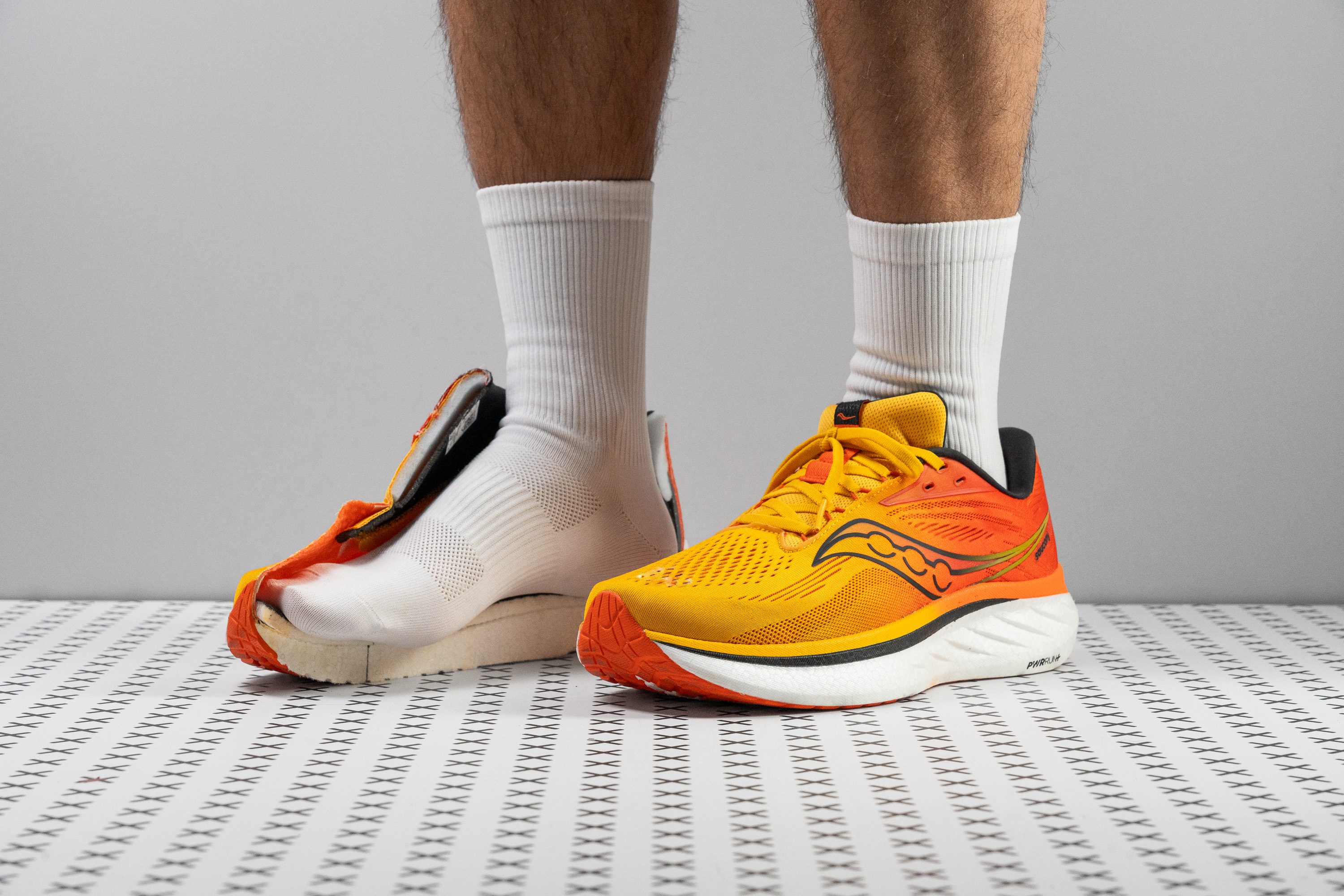
To understand why a Saucony walking shoe stands out, one must delve into its proprietary technologies. The cornerstone is often the midsole foam. Saucony’s PWRRUN and PWRRUN+ foams are frequently cited in performance reviews for their balance of responsive cushioning and longevity. Unlike traditional EVA that can compact over time, these engineered compounds aim to maintain their resilience for hundreds of miles. This is critical for walkers who log consistent daily mileage. Furthermore, the GUIDANCE line within Saucony’s portfolio incorporates a specific framework. The “Guide” in models like the Saucony Guide 18 isn’t just a name; it refers to an internal support system that uses firmer foam densities along the medial (inner) side of the midsole. This technology, as explained in product white papers, is designed to gently limit overpronation without the rigid feel of traditional medial posts, promoting a more natural transition. For the neutral walker, models like the Saucony Ride feature a more uniform midsole for unimpeded flexibility. The outsole’s TRI-FLEX configuration or iBR+ rubber compounds provide durable traction and flexibility at key flexion points, a detail often highlighted in tear-down analyses on platforms like RunRepeat.
Matching Your Gait and Foot Type to the Perfect Saucony Model
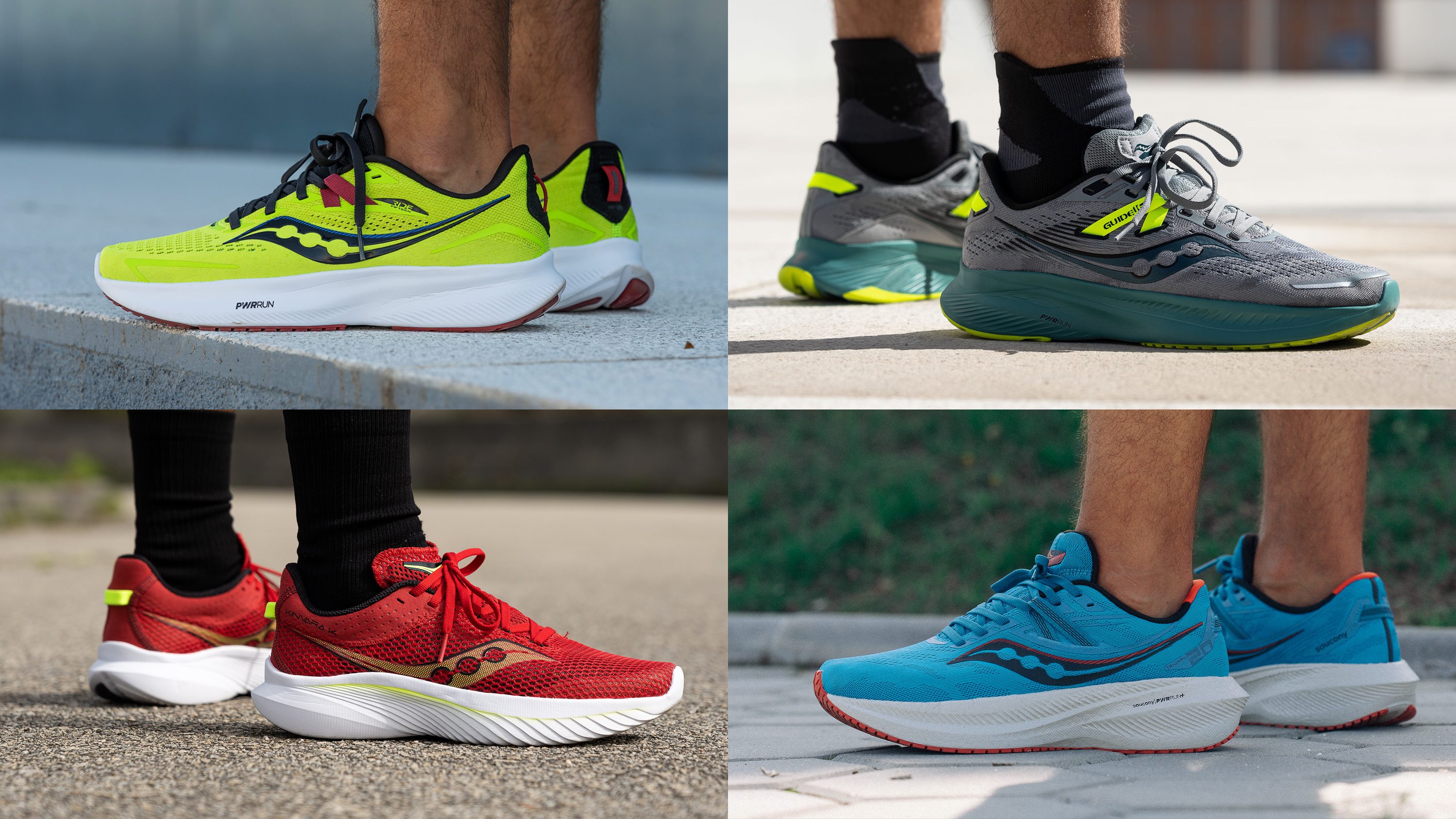
Your search for the ideal Saucony walking shoe begins with self-assessment. Are you a neutral walker, or do you exhibit overpronation (where the ankle rolls inward excessively)? A simple “wet test” to see your footprint arch can offer initial clues, but for definitive analysis, many podiatrists recommend gait analysis at a specialty store. For the pronator seeking stability, the Saucony Guide series is the archetypal recommendation. Its structured yet fluid support has made it a long-standing favorite. The Saucony Omni Walker represents an even more structured option for those requiring maximum motion control. Conversely, if you have a high arch and a neutral to supinating gait, a cushioned, neutral model like the Saucony Echelon or the versatile Ride is likely a better fit, offering plush protection without corrective elements. Consider also your walking terrain. The durable, trail-ready outsole of a model like the Saucony Excursion TR16 provides confidence on uneven paths, while the road-specific designs of the Guide or Ride optimize for pavement. Remember, the best shoe is the one that disappears on your foot, allowing your body to move as nature intended.
Beyond the Spec Sheet: The Long-Term Value Proposition
Investing in a quality walking shoe like those from Saucony transcends initial comfort. The long-term value is measured in injury prevention, consistent performance, and cost-per-mile. A study referenced in the Journal of Foot and Ankle Research suggests that appropriate footwear can reduce the incidence of common overuse injuries like plantar fasciitis and shin splints in regular walkers. The durability of Saucony’s materials means the cushioning and support that feel great on day one are more likely to persist through the 300-500 mile typical lifespan of a walking shoe. When you amortize the cost—often between $120 and $160 at full retail—over six to nine months of daily use, the value becomes clear. However, savvy shoppers rarely pay full price. Seasonal sales, clearance events on Saucony’s official website following new model releases, and discounts at major online retailers can bring the price of a premium Saucony walking shoe into a much more accessible range, sometimes under $100. This combination of scientific design, durable construction, and accessible pricing through promotions delivers a compelling package that purely fashion-oriented or poorly constructed shoes cannot match.
Voices from the Community: Real-World Endorsements and Insights
Objective data is crucial, but lived experience provides powerful validation. Across platforms like dedicated walking forums on Reddit, YouTube reviews from certified running/walking coaches, and Q&A sites like Quora, consistent themes emerge from long-term Saucony wearers. Many praise the “just-right” fit of the heel collar and the roominess of the toe box, a feature stemming from Saucony’s foot-shaped lasts. As one prolific reviewer on YouTube, who analyzes footwear from a kinesiology perspective, stated:
“The Saucony Guide doesn’t feel like it’s correcting you. It feels like it’s cooperating with you. There’s a subtle guidance there that prevents my mild overpronation from becoming fatiguing, especially on those longer weekend walks.”
Others on health and wellness blogs frequently highlight how switching to a properly fitted Saucony walking shoe alleviated chronic low-grade knee or hip pain they had mistakenly accepted as normal. These anecdotal accounts, when they converge across diverse sources, reinforce the laboratory findings and technical specifications, painting a picture of a product that delivers on its promises in daily life.
Your journey to more comfortable, efficient, and sustainable walking doesn’t require complex gadgets or radical techniques. It often starts from the ground up, with the foundation you choose for your feet. Saucony’s blend of biomechanical research, proven technological innovation, and a model range that addresses specific gait patterns offers a clear path forward. By understanding your own needs and aligning them with the right technology—be it the guided support of the Guide or the balanced cushioning of the Ride—you equip yourself not just with footwear, but with a tool for enhanced daily living. The evidence, from laboratory studies to the testimonials of thousands of walkers, suggests that this is a stride in the right direction.
