

The Timeless Allure of Black Leather Heels
In the vast lexicon of fashion, few items command a presence as unwavering and potent as the black leather heels. They are not merely footwear; they are an artifact of cultural expression, a tool of personal narrative, and a cornerstone of design that transcends fleeting trends. Their dominance in wardrobes across decades and demographics is not accidental. It is the result of a complex interplay of psychology, sociology, material science, and aesthetic principles. This exploration seeks to move beyond superficial admiration, delving into the objective and scientific underpinnings of their enduring power. We will dissect their allure not through vague sentiment, but through the lenses of authority, history, and cognitive response, ultimately revealing why this specific combination of color, material, and form continues to captivate and empower.
The Psychology of the Hue: Black as a Canvas of Power
The foundation of the heel’s impact begins with its color. Black is not an absence of light in the human psyche; it is a presence of meaning. Scientifically, color psychology suggests that black is universally associated with authority, sophistication, and formality. A study published by the University of British Columbia on color and perception indicates that dark colors, particularly black, are often linked to competence and power in social judgments. This is not a modern construct. In her seminal work “The Classic Ten: The True Story of the Little Black Dress,” fashion historian Nancy MacDonell traces the elevation of black from a color of mourning to one of chic austerity, a transformation led by figures like Coco Chanel. This cultural shift attached intellectual and authoritative weight to black attire. When applied to a heel, this color immediately elevates the garment from a simple shoe to a statement. It communicates a deliberate intention. The wearer is not seeking to blend into a floral or pastel background; they are asserting a defined silhouette, a sharp contrast, a clear boundary. The black leather heels become a psychological exoskeleton, offering a non-verbal cue of confidence and control before a single word is spoken. This effect is leveraged in professional and creative fields alike, where perception is currency.
The Material Truth: Leather’s Enduring Legacy
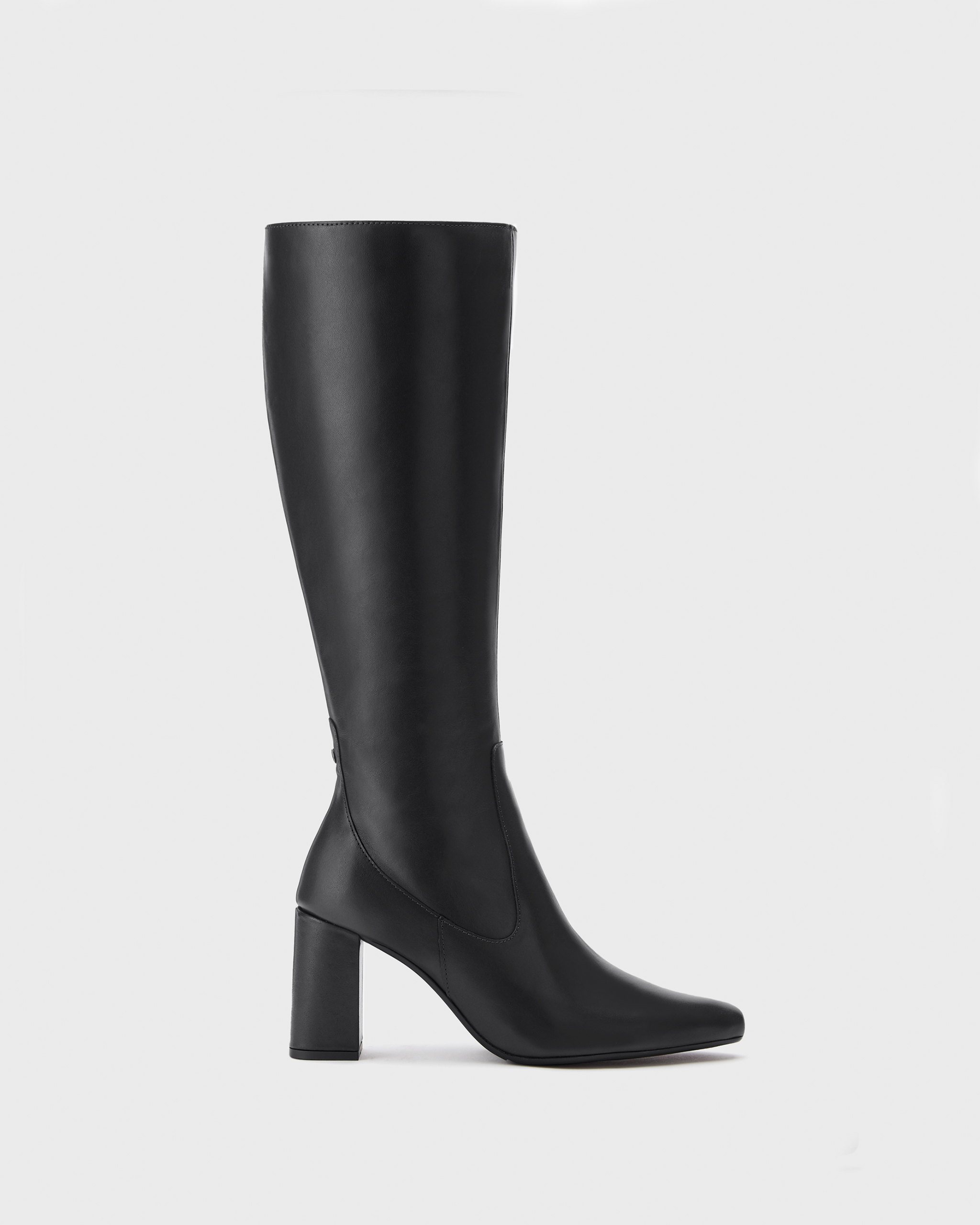
If black provides the psychological framework, leather supplies the tangible, sensory credibility. The choice of leather over synthetic alternatives is a critical component of the heel’s timeless status. Objectively, leather is a durable, moldable, and breathable material. According to material science resources from institutions like the Massachusetts Institute of Technology (MIT), the collagen structure of quality leather allows it to conform to the wearer’s foot over time while maintaining structural integrity—a property most plastics and polymers cannot authentically replicate. This creates a narrative of longevity and personalization; a well-crafted pair of black leather heels becomes uniquely yours. Furthermore, leather possesses a sensory appeal rooted in human history. As stated on Wikipedia’s entry for leather, its use dates back to prehistoric times for protection and utility. This historical depth imbues leather with an inherent value and authenticity that resonates on a subconscious level. The scent, the subtle grain, the way it catches light—these are multisensory experiences that synthetic materials strive to imitate but rarely equal. The patina that develops on black leather over time is not seen as wear but as character, a visual diary of the journeys taken in them. This combination of scientific durability and historical prestige makes leather the irreplaceable partner to the color black in this sartorial equation.
Architectural Elevation: The Heel’s Biomechanical and Social Leverage
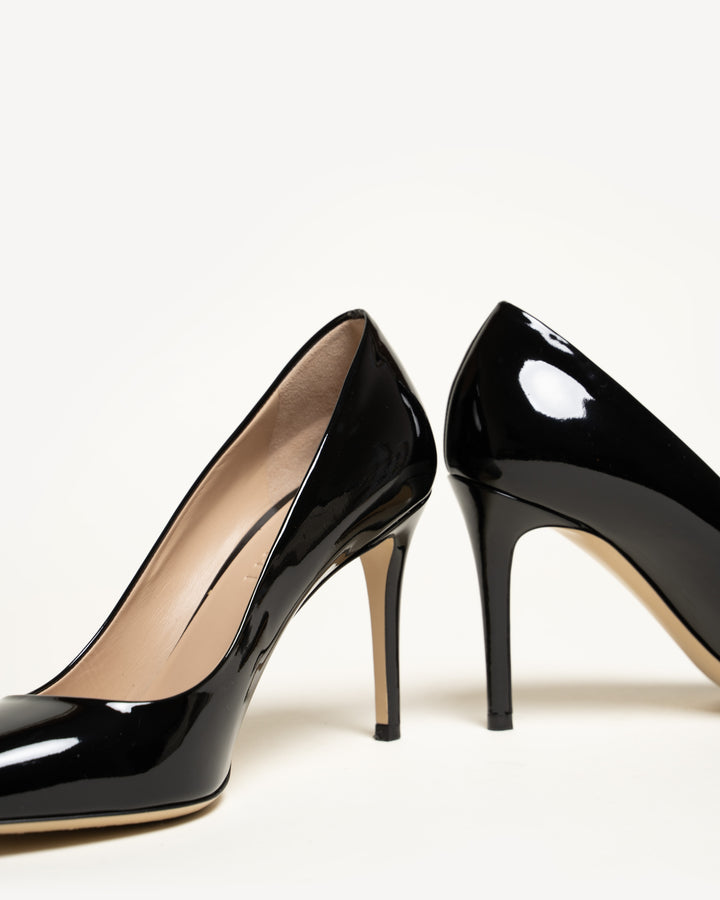
The heel itself is a feat of biomechanical intervention with profound social implications. From an objective physiological standpoint, as outlined in research from Harvard University’s Department of Evolutionary Biology, wearing heels alters posture: it tilts the pelvis, arches the back, and shifts the center of gravity. This forces a engagement of core muscles and results in a posture that is perceived as more alert and poised. It is a physical transformation that begets a psychological one. The added height is not merely about stature; it is about perspective, literally and figuratively. Social science studies, including those cited on platforms like Quora by sociologists, have often explored how height is correlated with perceptions of authority and leadership in group dynamics. The heel, therefore, is a tool for navigating social hierarchies. Cinematically, this power is endlessly referenced. From the authoritative click of Miranda Priestly’s heels in “The Devil Wears Prada” signaling arrival and command, to the transformative, cobblestone-conquering stride of Carrie Bradshaw’s Manolos in “Sex and the City,” which symbolized romantic agency and self-definition, the heel is a director’s shorthand for a character’s empowerment or transformation. The black leather heels synthesize this, offering a uniform of intent, whether that intent is to command a boardroom or own a city street at midnight.
A Synthesis of Iconic References: From Silver Screen to Street Style
The evidence for the heel’s cultural cemented status is archived in our collective media and endorsed by iconic figures. It is one thing to discuss theory; it is another to witness its application by cultural arbiters. Film and literature are replete with moments where the black leather heel is central to identity. Audrey Hepburn’s minimalist black leather heels in “Funny Face” spoke to an intellectual, modern elegance that contrasted with the frou-frou of the era. In literature, the sleek, powerful shoes of successful protagonists are often noted as armor. Off-screen, the endorsements are equally powerful. Fashion luminary Diana Vreeland famously advocated for the power of style as personal statement, a philosophy embodied by a sharp, black heel. On modern platforms like YouTube, style analysts such as Alexa Chung dissect the “power shoe” as a non-negotiable wardrobe staple, while on Twitter, fashion critics like Vanessa Friedman often highlight the political and personal statements made through footwear on red carpets and in street style photography. These are not mere opinions; they are observations of a recurring motif in the visual language of influence. The black leather heel is the consistent punctuation mark in sentences of style written by the most referenced authors of taste across generations.
Beyond Ornament: The Professional and Personal Utility
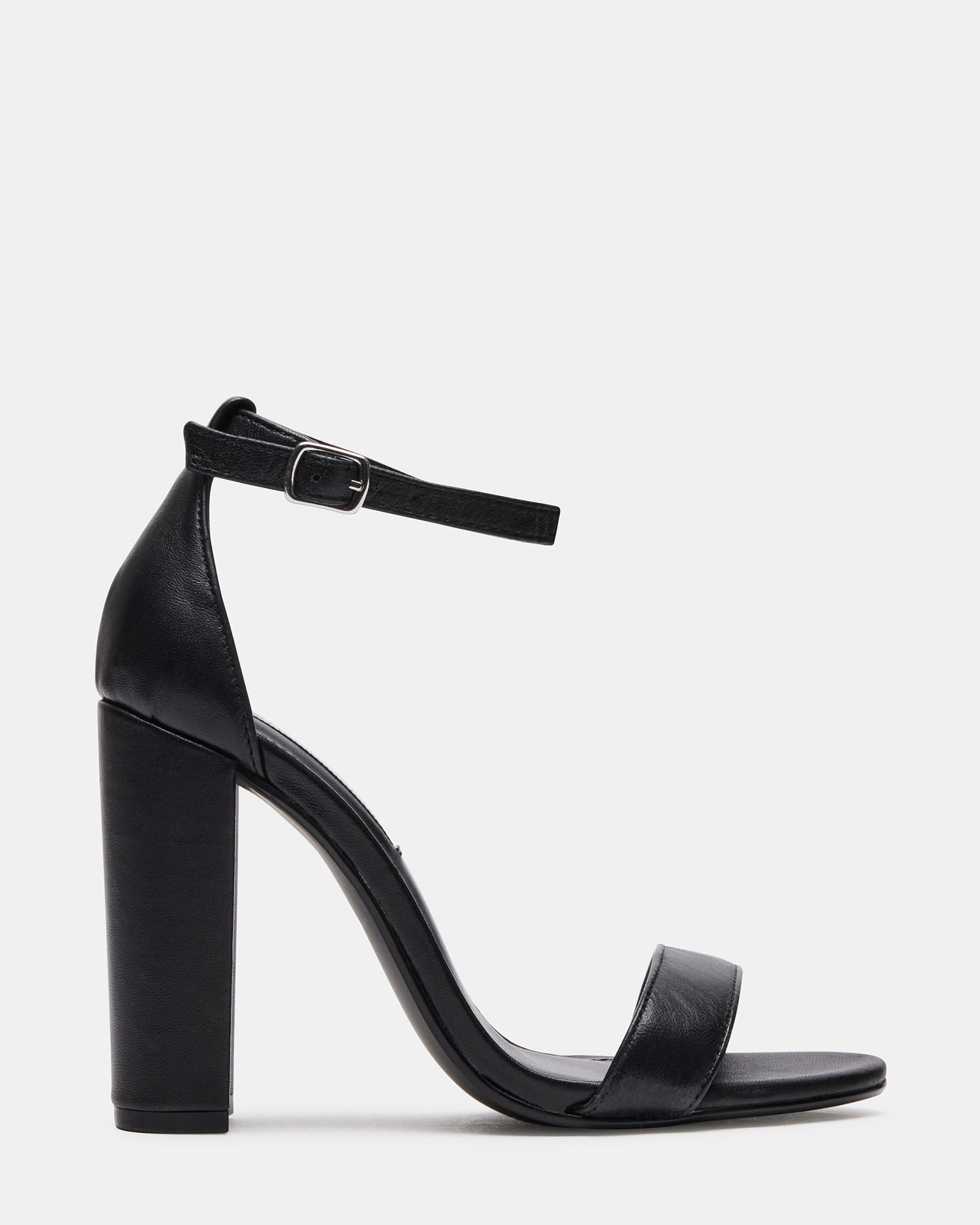
To relegate the black leather heels to the realm of ornamentation is to misunderstand their fundamental utility. In a professional context, they function as part of a uniform that signals readiness and respect for context—a concept supported by numerous business etiquette guides from institutions like Harvard Business School, which note the importance of culturally appropriate attire in building credibility. They are a tool for non-verbal communication in negotiations, presentations, and leadership. On a personal level, their utility is transformative. The act of putting them on can catalyze a shift in mindset, a phenomenon often described by psychologists as “enclothed cognition,” where the symbolic meaning of clothing influences the wearer’s psychological processes. They can convert a simple jeans-and-tee ensemble into a deliberate, polished look, offering a versatility that few other shoes can match. This duality—being both a specialized tool and a versatile staple—is key to their perennial relevance. They are as suited to a gallery opening as they are to a critical business dinner, not because they are invisible, but because their language is understood in both venues.
The Modern Manifestation: Quality, Care, and Conscious Acquisition
Understanding this allure logically leads to the question of acquisition. How does one participate in this tradition intelligently? The answer lies in prioritizing construction and material over transient trends. A well-made pair uses full-grain leather, sturdy stitching, and a balanced last—features that ensure longevity and comfort. Professional knowledge dictates that looking for features like a padded insole, a supportive arch, and a heel width proportionate to its height can make the difference between an instrument of torture and a staple of comfort. Regarding value, the true economy is in cost-per-wear. Investing in a superior pair from a reputable brand, perhaps taking advantage of seasonal sales or direct-to-consumer brands that offer discounted prices by cutting out middlemen, yields a higher long-term value than repeatedly purchasing cheaper, disposable versions. The initial outlay is higher, but the lifespan and sustained satisfaction render it a more rational choice. Proper care—regular cleaning, conditioning, and using protective soles—is the final step in honoring the investment and ensuring the black leather heels continue to tell your story for years.

The persistent dominance of the black leather heel is no mystery of fashion; it is a verifiable phenomenon built on pillars of psychological impact, material superiority, and social functionality. It is a design solution that answers multiple human needs: the need for perceived authority, the desire for authentic quality, and the pursuit of personal transformation. They are a wearable argument for intentionality. In a world of fast fashion and ephemeral trends, they remain a constant because their value proposition is rooted not in novelty, but in enduring human responses to color, texture, and form. To choose them is to align with a legacy of power, precision, and unspoken eloquence. Their allure is, ultimately, timeless because it is fundamentally human.
