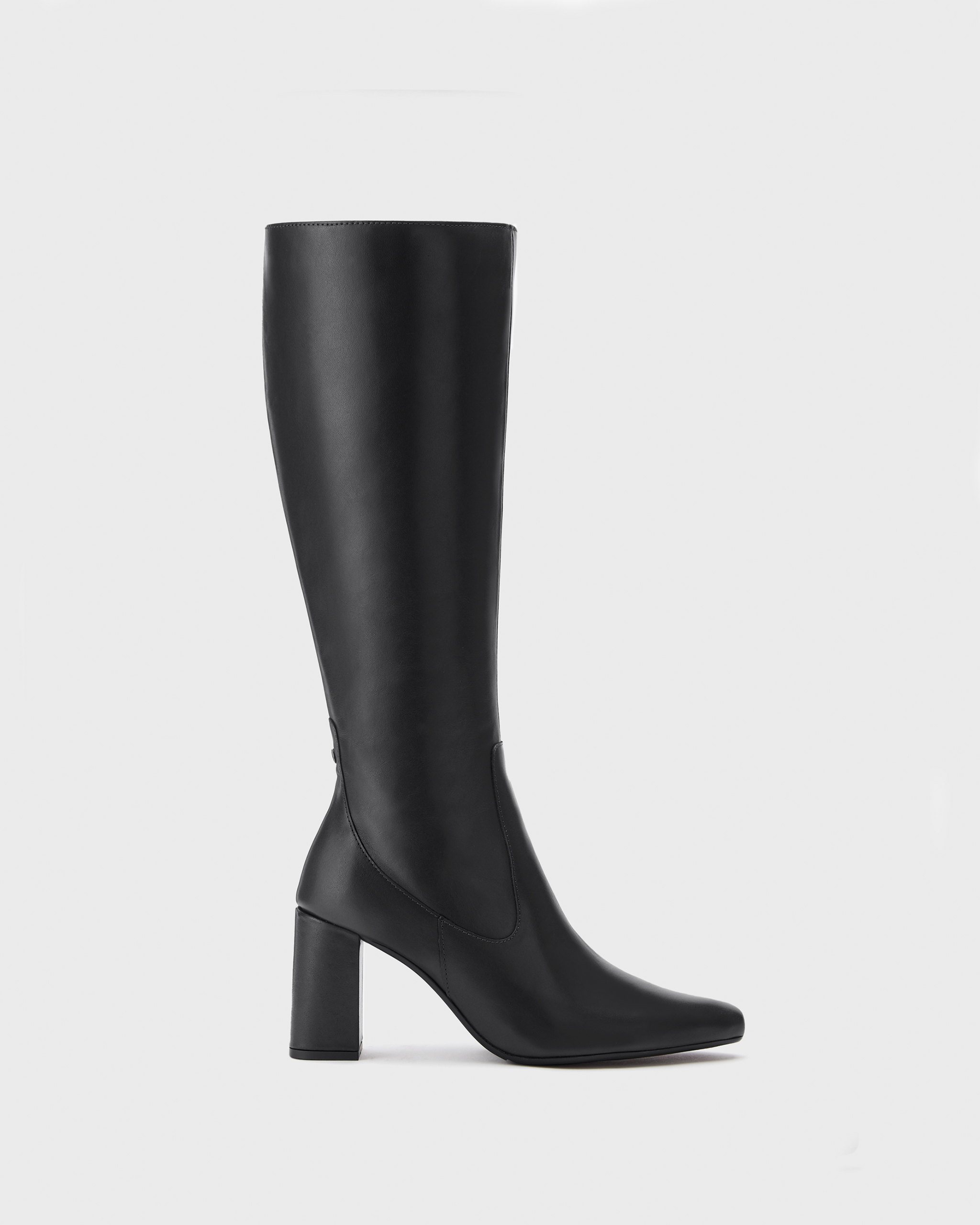
The Timeless Allure of Black Leather Heels
There exists an object in the sartorial lexicon that transcends mere fashion, an artifact that speaks to power, elegance, and a certain unyielding confidence. It is not merely a shoe; it is a statement, a tool, and a piece of cultural armor. I speak, of course, of the black leather heels. Their journey from functional footwear to iconic symbol is a narrative woven through history, psychology, and art. This is not an exploration of a trend, but a dissection of a permanent fixture in our collective imagination—a testament to why a simple combination of material, color, and form can hold such profound and enduring sway.
The Foundation: Material, Color, and Form
To understand the allure, one must first deconstruct its components. Black leather heels are a triad of potent symbols. Leather, as a material, carries a legacy of durability, luxury, and a connection to craftsmanship. Historically, it signified protection and status. From the sturdy boots of Roman legionaries to the bound volumes in medieval libraries, leather has been associated with resilience and value. In footwear, it molds to the wearer, creating a unique patina over time, telling a story of journeys taken. The color black, as noted by color theorists and cultural anthropologists, is multifaceted. It is the color of authority, formality, and mystery. In the context of fashion, as the Costume Institute at The Metropolitan Museum of Art has often highlighted, black is synonymous with sophistication and slimming silhouette, a blank canvas that commands attention through absence of color. Finally, the heel. Its origins are debated—some point to Persian cavalry for practical stirrup grip, others to the elevated pattens of the Middle Ages to avoid street muck. However, by the 16th century, under Catherine de’ Medici, heels became a marker of aristocratic stature, literally elevating the wearer above the common fray. The combination is alchemical: the strength of leather, the authority of black, and the elevation of the heel fuse into an object that projects an immediate, non-verbal communication of capability and elegance.

Cultural Imprint: From Silver Screen to Power Suit
Cinematic Icons and Archetypal Power
The black leather heels have been cemented in our psyche by their relentless presence in film and literature, where they often serve as shorthand for a specific character archetype. Consider the razor-sharp stilettos of femme fatales in film noir, clicking ominously on wet pavement—a sound that signals danger and desire. In more modern contexts, they are the unwavering foundation of the powerful businesswoman. A seminal moment is often cited from the 1980s film “Working Girl,” where the protagonist’s transition into the corporate world is punctuated by her footwear. As fashion historian Dr. Rebecca Arnold of Central Saint Martins notes, “The heel, particularly in a classic black leather pump, became inseparable from the power suit of the 1980s, a symbol of women entering and claiming space in male-dominated boardrooms.” This wasn’t just fashion; it was armor. The click of a black leather heel on a marble floor is a percussive announcement of presence, a sonic claim to territory. This symbolism is echoed in the words of designer Christian Louboutin, who famously stated, “A shoe has so much more to offer than just to walk. It is an object of art, a seductive item, a symbol.” His own red-soled creations, often in black leather, underscore this transformative power.
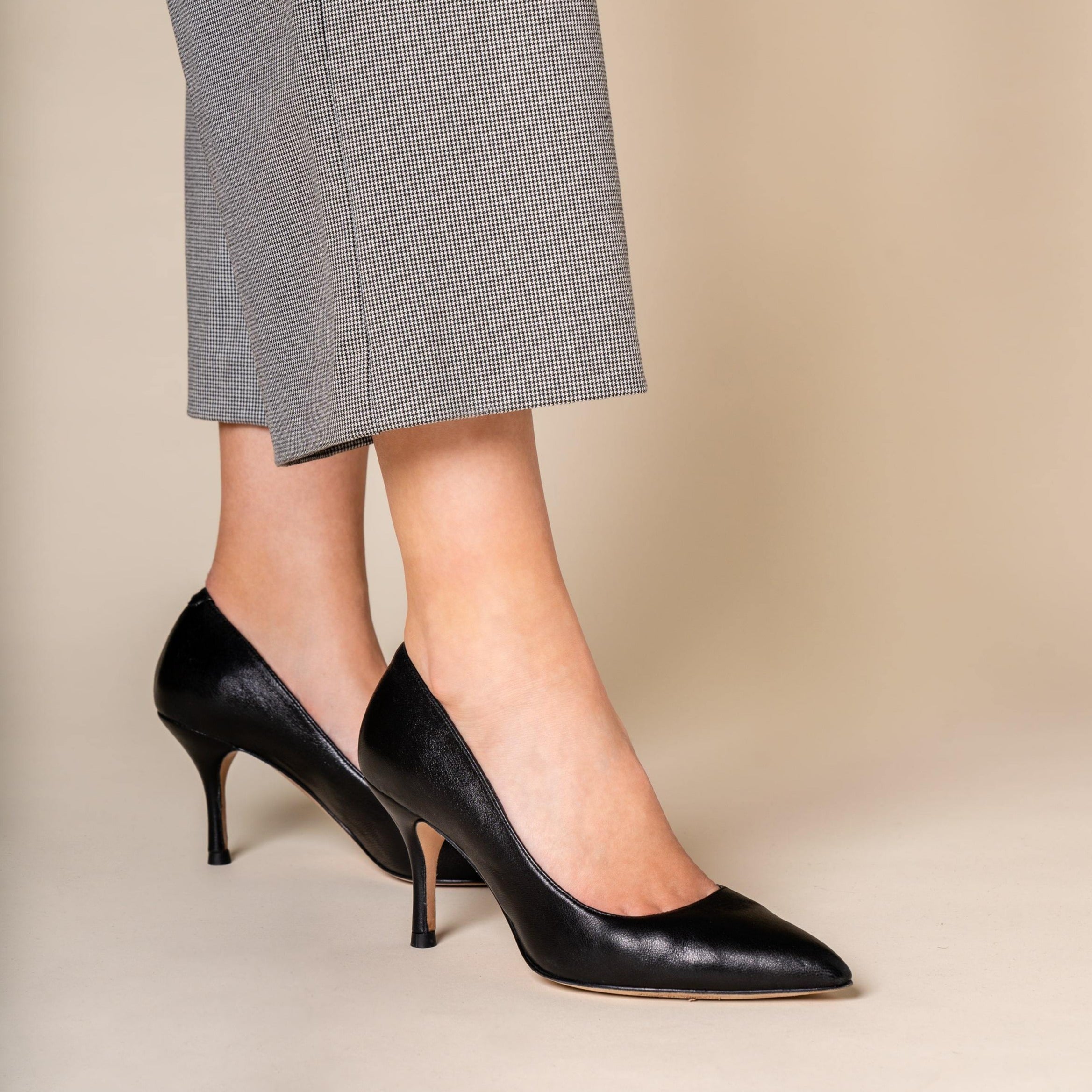
The Psychology of Elevation and Posture
Beyond symbolism, there is a tangible, physiological impact. Wearing heels alters the wearer’s biomechanics. It forces a shift in posture: the spine straightens, the chest lifts, the calves tense into a defined curve. This isn’t just an aesthetic change; it induces a psychological shift. Research in embodied cognition suggests that our physical posture can influence our mental state. A study published in the journal “Psychological Science” found that adopting expansive, powerful postures (which heels naturally encourage) can increase feelings of power and tolerance for risk. When you slip on a pair of black leather heels, you are not just adding height; you are engaging in a non-verbal performance that your own mind begins to believe. The leather’s firm embrace provides a sense of security and structure, while the elevation offers a literal and metaphorical new perspective. This combination creates a feedback loop: the shoe shapes the posture, the posture influences the mindset, and the mindset projects an aura of assuredness. It is a tool for self-actualization, a way to “wear” the confidence one wishes to embody.
The Modern Evolution: Versatility and Personal Expression
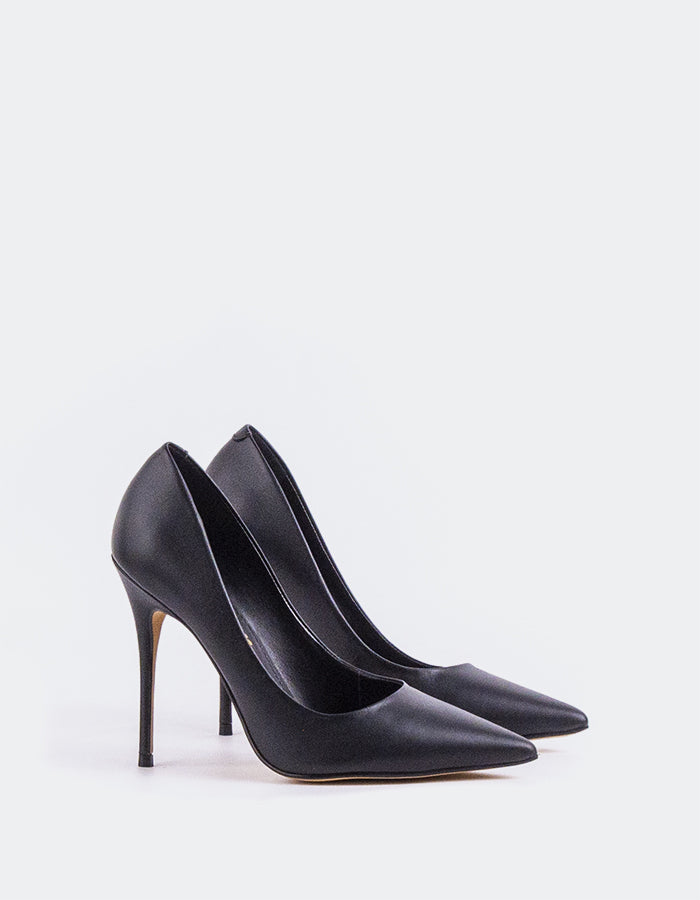
While rooted in tradition, the black leather heels have refused to be pigeonholed. Their true genius lies in their chameleonic versatility. The same pair that grounds a severe, minimalist pantsuit at a financial conference can, hours later, lend an edge to a little black dress at a gallery opening. They are equally at home in a creative studio as in a corporate lobby. This adaptability is why they remain a wardrobe staple. Fashion platforms from Vogue to Who What Wear consistently list a classic black leather pump as the number one item to invest in, precisely because of its unparalleled cost-per-wear value and stylistic range. In an era of fast fashion, they represent a return to the permanent collection—a piece meant to be bought once, cared for, and worn for decades. The modern iteration also embraces inclusivity in design. Brands now engineer heels with advanced ergonomics, memory foam padding, and wider toe boxes, acknowledging that allure should not come at the expense of comfort. This democratization of design ensures that the power and elegance they offer are accessible to a wider range of individuals, not just those willing to endure pain.
An Object Beyond Time
The black leather heels are more than footwear. They are a cultural artifact, a psychological catalyst, and a masterpiece of utilitarian design. They carry the weight of history in their leather and the promise of potential in their lift. They do not shout; they command. They do not follow trends; they define moments. In a world of fleeting fads, they stand as a monument to enduring style—a singular fusion of material, form, and meaning that continues to walk confidently through the decades, leaving an indelible imprint on the path behind.