

Styling Your 80s Sneakers for Modern Cool
Let’s be clear from the start: the 80s sneakers sitting in the back of your closet or spotted in a vintage store aren’t just relics. They are a design language, a cultural capsule, and a potent tool for personal style. This isn’t about nostalgia for nostalgia’s sake. It’s about recognizing that the foundational elements of 1980s footwear—bold color blocking, technical material mixes, chunky silhouettes, and an unabashed athletic heritage—are the very ingredients contemporary fashion continually recycles. The goal isn’t to look like you stepped out of a 1985 yearbook, but to harness the DNA of these iconic shoes and splice it with a modern wardrobe sensibility. The result is a look that speaks of knowledge, confidence, and a cool that’s earned, not bought off the latest fast-fashion rack. We’re moving past understanding and into application, dissecting the ‘why’ behind the aesthetic to master the ‘how’ of wearing it today.
The Unshakeable Foundation: Why 80s Design Endures
To style something effectively, you must first comprehend its essence. The 1980s was a decade of technological optimism, bold self-expression, and the mainstreaming of athletic culture. Footwear reflected this perfectly. Brands like Nike, Adidas, Reebok, and Puma were engaged in an arms race of innovation, introducing technologies like Nike’s Air cushioning (first seen in the Tailwind and popularized by the Air Force 1) and Reebok’s garment leather and PU midsoles. These weren’t just gimmicks; they represented a shift towards performance and comfort. As design critic Stephen Bayley noted in his book “Design: Intelligence Made Visible,” the 80s saw “the aestheticization of the technical,” where functional components became visual trademarks. The chunky sole, initially for shock absorption, became a statement of volume and presence. The mix of mesh, leather, and suede was about breathability and durability but resulted in a complex, textured visual palette. This marriage of form and function is the bedrock of their enduring appeal. Wikipedia’s entry on ‘Athletic Shoes’ corroborates this, highlighting the 80s as the era when “sneakers became a cultural icon, transcending sport.” They moved from the court and track to the street, music video, and movie screen, worn by icons from Run-D.M.C. (who famously elevated the Adidas Superstar) to Michael J. Fox in “Back to the Future.” This historical context isn’t trivial; it’s the heritage you’re invoking when you lace up a pair. You’re not just wearing a shoe; you’re connecting to a lineage of innovation and cultural bravado.

Deconstructing the Silhouette: From Bulky to Balanced
The most immediate hallmark of an 80s sneaker is its silhouette—often larger, rounder, and more substantial than footwear from preceding decades. The key to modernizing this is balance. A head-to-toe oversized, period-accurate tracksuit with bulky sneakers can veer into costume territory. The modern approach is contrast. Pair the substantial volume of the shoe with cleaner, more tailored, or minimalist pieces on top. Think of the sneaker as the foundational “weight” at the bottom of your outfit. For example, a pair of chunky, white leather Reebok Classics or Nike Air Maxes finds perfect equilibrium with slim-cut (not skinny) dark denim and a simple, well-fitting heavyweight cotton t-shirt or a fine-gauge knit. The denim’s clean line contains the shoe’s volume, while the simple top keeps the focus downward. Another powerful tactic is juxtaposing the sneaker’s sporty heritage with tailored elements. A grey wool blazer, a crisp white shirt (untucked, with sleeves casually rolled), those same dark jeans, and your 80s sneakers creates a friction that is the essence of modern cool. It’s intelligent dressing that acknowledges multiple sartorial languages. As fashion historian Dr. Valerie Steele, director of The Museum at FIT, has often stated, “The most interesting fashion happens at the intersections—where high meets low, sportswear meets tailoring.” This is precisely the intersection where these sneakers thrive today.
Color Blocking: Confidence in Hues
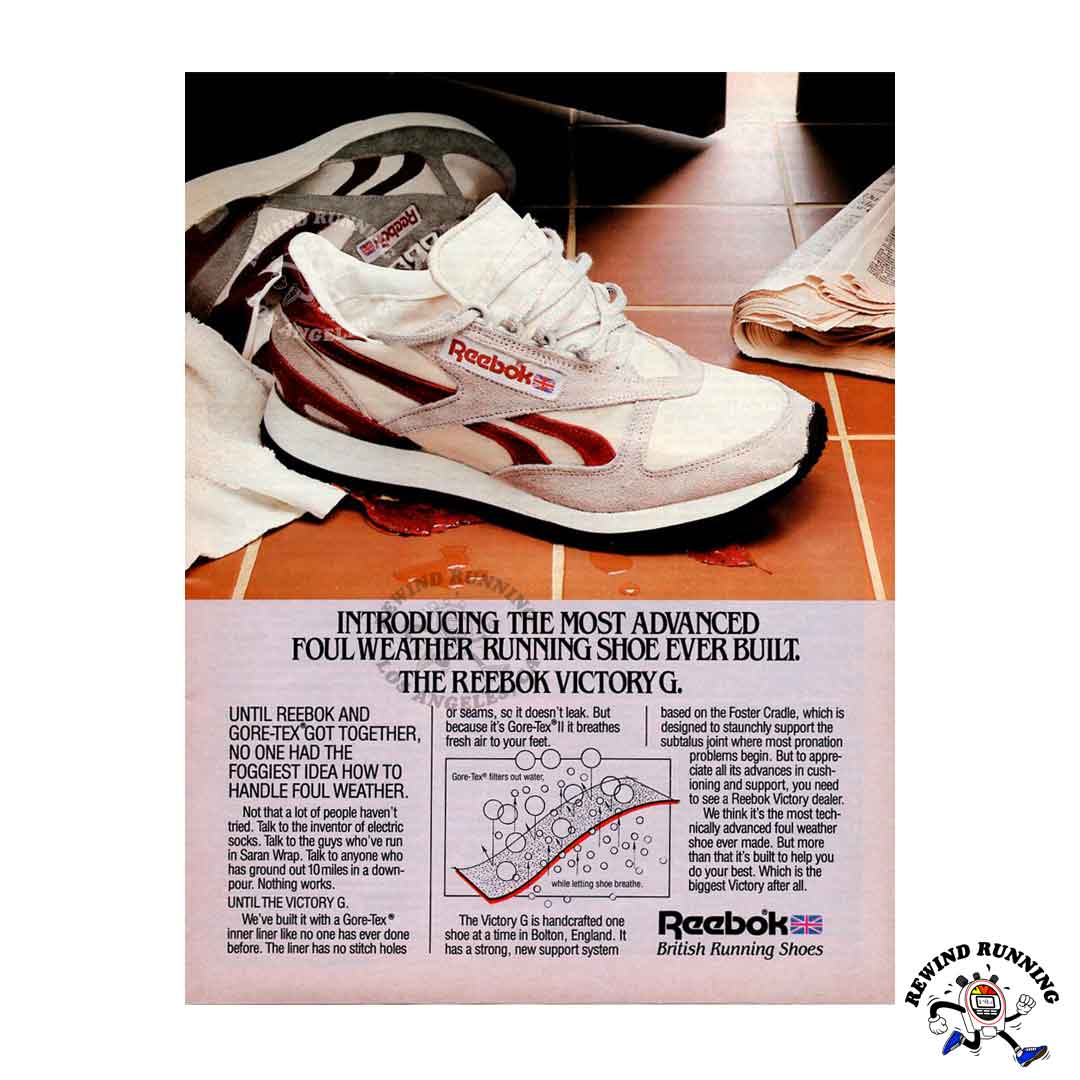
80s sneakers rarely shied away from color. Whether it was the stark contrast of black and white, the primary boldness of red, blue, and yellow, or the pastel shades of the late-decade, color was communicative. Modern styling uses this to its advantage. You have two main paths: embrace the clash or let the shoes pop. To embrace the clash, treat the shoe’s color palette as the inspiration for an accent elsewhere. A navy and red striped sneaker could be echoed by a simple red sock or a navy hat. This creates cohesion without matching. The second, often more powerful, approach is to let the sneakers be the sole (pun intended) source of vibrant color in an otherwise neutral outfit. Shades of beige, grey, black, white, and olive green in your clothing act as a gallery wall, making the colorful 80s sneakers the artwork. This demonstrates a controlled use of boldness. Consider the perspective from Quora style forums where seasoned sneaker collectors advise, “Don’t fight the color, frame it.” A monochrome outfit of light grey sweatshirt and charcoal trousers suddenly becomes sharp and intentional when punctuated with a pair of vibrant Gola Harriers or Nike Air Jordan 1s in a classic color-block scheme. The sneaker transitions from a mere accessory to the focal point of a thoughtfully constructed look.
Material World: Textural Intelligence
Beyond shape and color, the material composition of vintage-inspired sneakers is a playground for texture. The classic combination of smooth leather, nubuck suede, and technical mesh provides a richness that many contemporary minimalist sneakers lack. When styling, you can play this up or down. To play it up, incorporate other textures that converse with the shoe. A waxed cotton trucker jacket, corduroy trousers, or a chunky wool cardigan can create a tactile, layered look that feels considered and deep. The suede panels on your sneaker find a friend in the cord of your pants; the sheen of the leather complements the waxed cotton. Conversely, to let the shoe’s texture stand alone, pair it with flat, consistent fabrics like fine cotton poplin, merino wool, or standard denim. This allows the sneaker’s complex materiality to be the textural interest in the outfit. This attention to material detail is a hallmark of sophisticated dress. As Tim Gunn’s oft-quoted principle of fashion emphasizes, “The details are not the details. They make the design.” The material mix of an authentic 80s-inspired sneaker is a built-in detail that elevates an outfit from basic to nuanced.

The Heritage Factor: Wearing with Knowledge
Part of the cool factor is the implicit knowledge. Knowing that the Nike Air Max 1 (1987) was Tinker Hatfield’s revolutionary design with a visible air unit, inspired by the Centre Pompidou’s exposed architecture, adds a layer of appreciation. It connects your footwear to a narrative of design breakthrough. This isn’t about being a pedantic historian, but about the confidence that comes from informed choice. When you choose a reissue of the Adidas ZX 8000 (originally part of the groundbreaking ZX series driven by biomechanics research), you’re aligning with a legacy of innovation. This knowledge translates into how you carry yourself. You’re not just following a trend; you’re participating in a continuum. YouTube channels dedicated to sneaker history, like “The Sole Supplier” or complex explainers from “Vox,” have democratized this knowledge. Citing a figure like Peter Moore, the designer behind the Air Jordan 1 and the Jumpman logo, isn’t just trivia; it’s understanding the origin story of the artifacts you use to express yourself. As author Malcolm Gladwell might posit, this depth of knowledge pushes your style past the “tipping point” from mere imitation into authentic expression.
The Modern Synthesis: Your Personal Algorithm
So, how do we synthesize these principles—silhouette balance, color confidence, textural intelligence, and heritage knowledge—into a daily practice? It becomes your personal styling algorithm. Start with the shoe. Is it a bold, colorful statement piece or a more subdued, tonal model? Let that answer dictate the neutrality or character of the clothing. Remember the balance rule: substantial shoe, cleaner lines above. Use color either as a direct echo or a stark contrast. Don’t neglect socks; they are a crucial bridge between pant and shoe. A hidden pop of color or a pattern here can be a secret delight. Most importantly, wear them with the assurance that you are not wearing a costume. You have deconstructed the elements of 1980s design and reassembled them with a contemporary filter. The final product is a look that feels both timeless and of-the-moment, rooted yet fresh. This is the ultimate modern cool: an aesthetic that acknowledges its references but speaks in a current dialect.

Ultimately, styling your 80s sneakers is an exercise in intelligent anachronism. It’s taking a product of its time—born of technical ambition and cultural fervor—and giving it new context. The proof is in the wearing. The confidence comes from knowing the ‘why,’ and the style emerges from mastering the ‘how.’ Forget conclusions; this is an ongoing dialogue between past and present, played out one step at a time.
