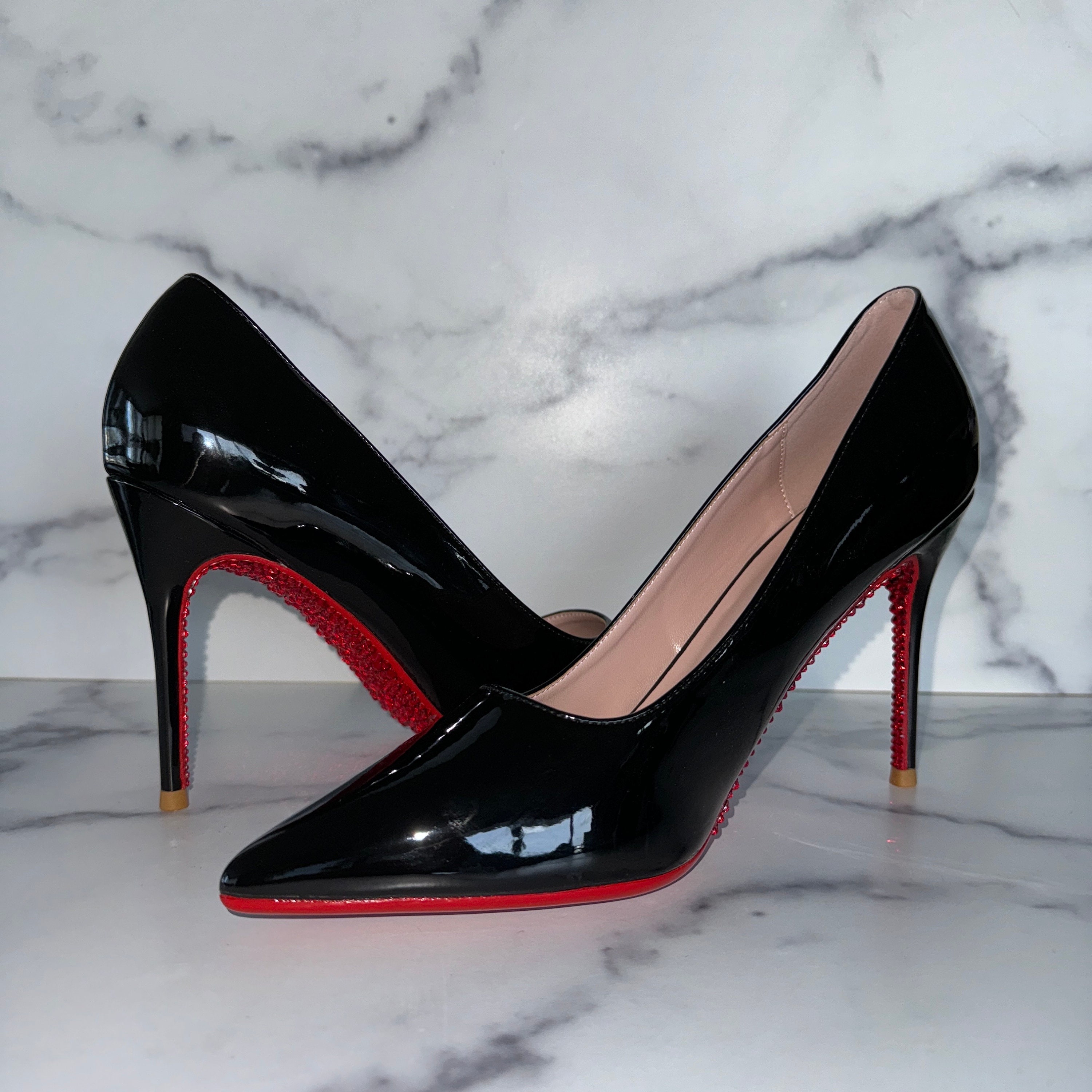
Styling Secrets for Black Heels with Red Bottoms
In the realm of fashion, few items command as much instant recognition and evoke as potent a mix of desire, power, and sophistication as a pair of black heels with red bottoms. This is not merely about footwear; it is about an emblem. The stark contrast of classic black against that flash of lacquered crimson sole is a language unto itself, speaking of audacity, luxury, and an unapologetic embrace of one’s own stature. To style them is to engage in a dialogue with this powerful symbol. This article delves beyond the surface allure, unpacking the psychology, history, and practical artistry of integrating these iconic shoes into a wardrobe that speaks volumes. We will move from the foundational principles of their cultural weight to the nuanced strategies for making them your own, ensuring that every step you take is a statement crafted with intention and insight.
The Iconography: More Than Just a Shoe
The phenomenon of the black heels with red bottoms is inextricably linked to the vision of French designer Christian Louboutin. While the concept of a colored sole has historical precedents, Louboutin’s 1993 inspiration—reportedly from seeing an assistant painting her nails—catalyzed it into a global status symbol. The psychology behind this is profound. As noted in analyses of fashion semiotics, the red sole acts as a deliberate, disruptive signal. In a sea of black footwear, it creates a “peeking” effect, drawing the eye in a subtle yet unmistakable way. This is not accidental; it is engineered visibility. Authoritative literature from institutions like the Fashion Institute of Technology often references the “Louboutin red” as a case study in brand identity through trademarked aesthetic detail. The red sole functions as a silent herald, a flash of confidence with every stride. It communicates a narrative of arrival and attention to detail before a single word is spoken. This transformative power is why the shoes are frequently cited in popular culture, from the pages of “Sex and the City,” where they symbolized Carrie Bradshaw’s aspirational independence, to the lyrics of countless songs equating them with success and allure. Owning a pair is one thing; understanding this embedded iconography is the first step to styling them with authentic authority.
Foundation First: The Architecture of Attitude
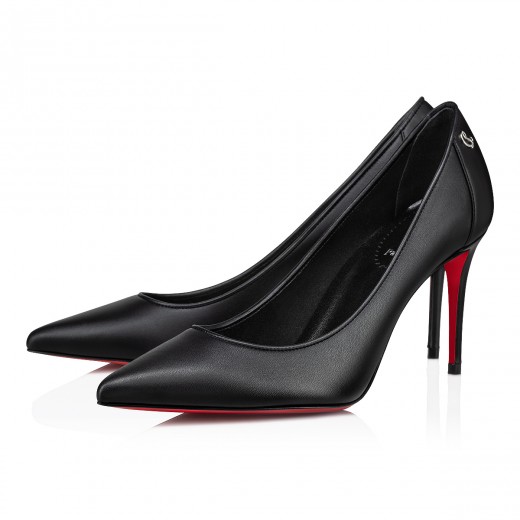
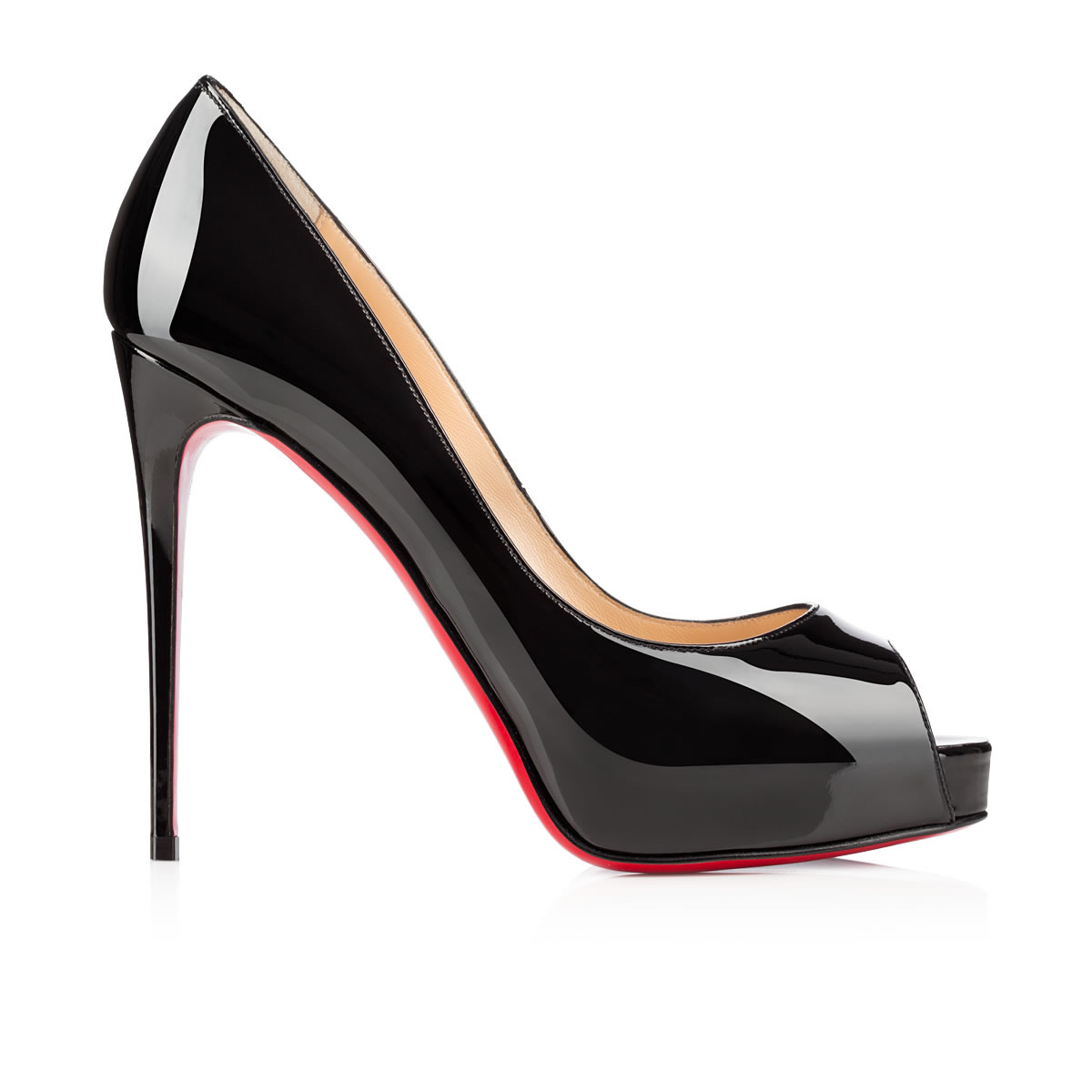
Before assembling an outfit, consider the shoe itself as the foundational architectural element. Not all black heels with red bottoms are created equal. The silhouette dictates the attitude. A sleek, pointed-toe pump like the classic “Pigalle” offers a profile of sharp, corporate power and timeless elegance. It is the uniform of boardroom negotiations and gallery openings. Conversely, a platform stiletto or a style with more intricate straps, such as the “So Kate” or “Iriza,” introduces a blend of edginess and drama, suitable for making a bold entrance at an evening event. The height of the heel, too, carries semantic weight. As discussed in wearability studies often referenced on platforms like Quora and in fashion ergonomics literature, a higher heel alters posture, gait, and perception—both self-perception and how one is perceived by others. It demands and confers a certain physical command of space. Therefore, your first styling decision happens at the point of selection. Are you aiming for formidable polish or avant-garde daring? The answer will shape everything that follows. This foundational knowledge is a form of professional expertise, allowing you to invest wisely. While authentic Louboutins represent a pinnacle, understanding these design principles empowers you to seek out high-quality alternatives that capture the essential spirit, often at a significantly more accessible price point, bringing the dream of that iconic silhouette within closer reach.
The Power of Monochrome and Strategic Disruption
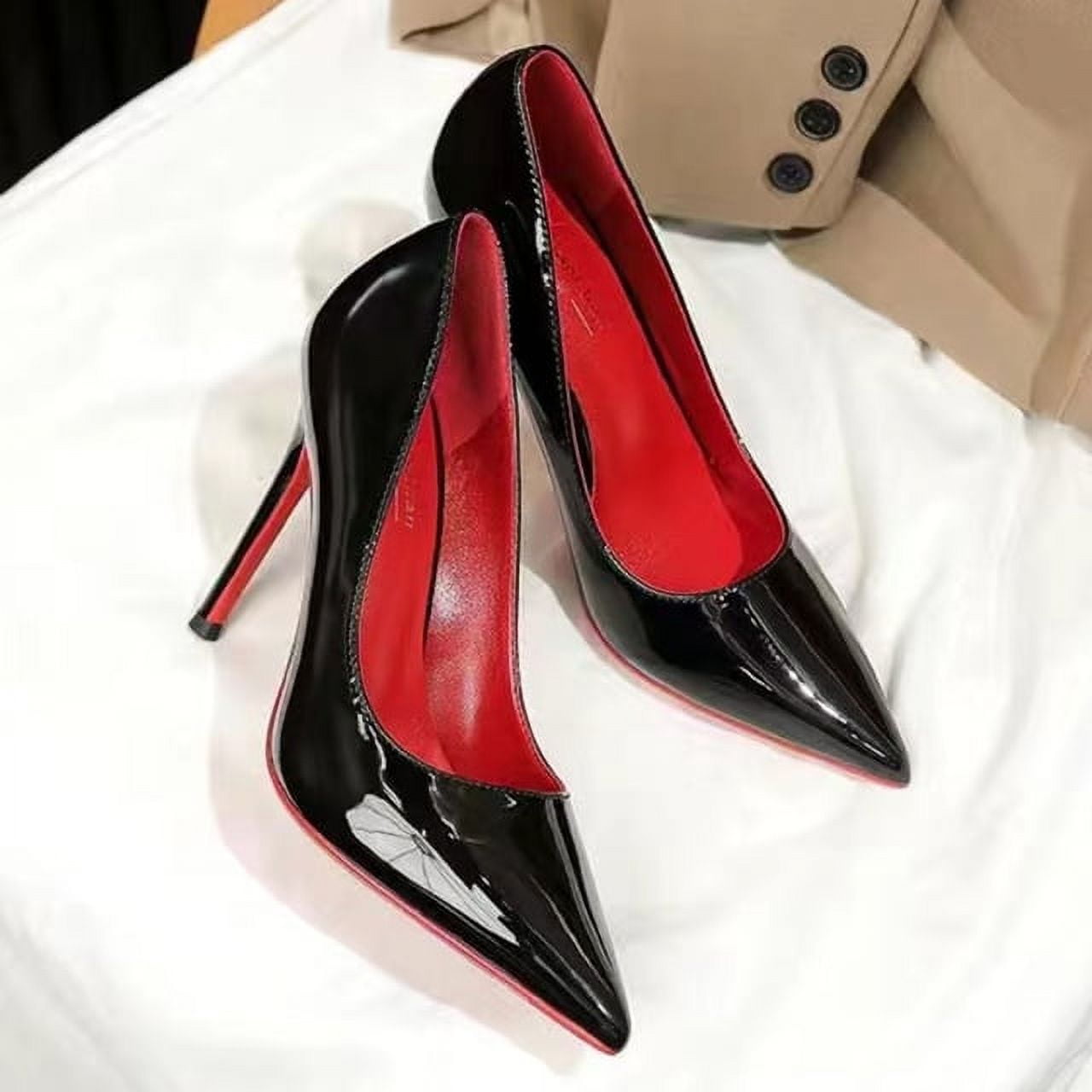
One of the most potent, and foolproof, styling secrets lies in the monochrome ensemble. Dressing head-to-toe in black—be it a tailored pantsuit, a sleek column dress, or a turtleneck paired with slim-fit trousers—creates a canvas of sophisticated minimalism. Against this streamlined backdrop, the black heels with red bottoms cease to be just an accessory and become the focal point, the single note of calculated disruption. This approach aligns with the minimalist philosophy championed by designers like Coco Chanel, who advocated for removing before adding. The red sole provides the “one thing” that breaks the monotony with exhilarating precision. It is a lesson in less-is-more, where the “more” is concentrated entirely in that flash of color with each step. This method is not just aesthetically pleasing; it is psychologically effective. It allows the wearer to project confidence through restraint, letting the iconic shoes carry the narrative of luxury and choice. You become the elegant frame for a masterpiece of design. This strategy is universally flattering and contextually versatile, working for a high-powered professional setting, a dinner date, or a cosmopolitan evening out. It requires no complex color matching, relying instead on the powerful tension between uniformity and a singular, brilliant exception.
Color Dialogues and Textural Conversations
For those ready to move beyond monochrome, styling black heels with red bottoms becomes an exciting exercise in color theory and texture play. The red sole, while vibrant, is a deep, lacquered crimson that pairs with far more than just neutral tones. Consider it an anchor for a richer palette. A deep navy blue dress creates a classic, regal contrast, allowing the red to pop without clashing. Earth tones like camel, olive green, or burgundy engage in a sophisticated, autumnal dialogue with the sole, creating a cohesive and deeply stylish look. The key is to treat the red as a tertiary color in your outfit’s palette—present, but not necessarily matched. In fact, overtly matching your clothing to the red soles can often appear contrived. Instead, let it be a complementary surprise. Simultaneously, texture adds a layer of depth. Pairing the polished leather or patent of the shoes with contrasting fabrics—a chunky knit, fluid silk, delicate lace, or supple suede—creates a tactile narrative that is rich and engaging. Imagine a tweed blazer and wool trousers: the nubby, textured fabric against the sleekness of the heels creates a dynamic interplay that speaks of sartorial intelligence. This approach transforms the shoes from a standalone statement into an integrated component of a thoughtfully composed ensemble.
From Day to Night: Contextual Alchemy
The true versatility of these heels is tested in their ability to transition across the hours of the day. This is where styling becomes alchemy. For daytime, particularly in professional environments, the goal is to temper the inherent drama of the black heels with red bottoms with structured, authoritative pieces. A well-cut, knee-length sheath dress in grey or black, a tailored blazer, or a crisp white shirt with wide-leg trousers provides the necessary balance. The shoes then elevate the professional uniform, signaling ambition and a keen fashion sense without sacrificing appropriateness. As day turns to evening, the transformation is seamless. Shed the blazer, switch a work tote for a metallic clutch, or add statement jewelry. The shoes, constant in their iconic presence, now anchor a look that is decidedly more festive and daring. A little black dress, a sleek jumpsuit, or a satin slip skirt instantly harmonizes with the heels’ evening-ready energy. This chameleonic quality is a core part of their value proposition. As many style commentators on YouTube and in fashion editorials have noted, a single pair that can anchor both a critical business presentation and a romantic dinner represents not just a purchase, but a strategic investment in wardrobe efficiency and enduring style.
The Final Step: Confidence as the Ultimate Accessory
All technical styling advice converges on one non-negotiable principle: the wearer must step into the shoes with unequivocal confidence. This is the ultimate secret, echoed by style icons from Audrey Hepburn to Rihanna. The distinctive click of a Louboutin heel on a hard surface is a sound of assertion. To wear them apologetically, or to be visibly uncomfortable, undermines their entire purpose. They are engineered for a certain posture—shoulders back, spine straight, a measured gait. This physicality influences mentality. As you master the walk, you embody the attitude. The shoes do not bestow confidence; they provide a platform upon which your own confidence is displayed and amplified. This is the culmination of all the styling rules: the monochrome base, the color pairing, the textural contrast—they are all in service of creating a cohesive whole that allows you to forget the outfit and own the room. When you wear a pair of black heels with red bottoms, you are not just wearing a designer item; you are participating in a modern fashion narrative about visibility, power, and artful self-expression. Let that knowledge, and not just the shoes, carry you forward.