

Styling 80s Sneakers for Modern Streetwear Looks
The resurgence of 80s sneakers is not a mere coincidence or a simple nostalgic trip. It represents a deliberate fusion of historical design integrity with contemporary fashion’s demand for authenticity and statement. These shoes, born from the fitness boom, technological experimentation, and vibrant pop culture of the 1980s, carry a DNA that modern minimalism often lacks: bold character. Integrating them into today’s streetwear isn’t about dressing in costume; it’s about harnessing their inherent architectural shapes, color palettes, and cultural weight to build looks that are both referential and resolutely current. This article will dissect how to effectively style these iconic silhouettes, moving beyond retro clichés to anchor them firmly in the modern wardrobe.
The Unmistakable Legacy: Why 80s Sneakers Endure
To style 80s sneakers effectively, one must first understand their foundational appeal. The 1980s were a crucible for athletic footwear innovation. Brands like Nike, Adidas, Reebok, and ASICS were engaged in a technological arms race, introducing concepts like visible Air cushioning, gel padding, and advanced stability systems. This era birthed models that were as much about performance as they were about style—a duality that resonates deeply with today’s “athleisure” and streetwear ethos. As Dr. Elizabeth Semmelhack, Senior Curator at the Bata Shoe Museum, notes in her research, “The 1980s sneaker became a canvas for self-expression, moving off the court and onto the street, signaling subcultural affiliations and personal identity.” This transition from specialized sport gear to cultural totem is key. The chunky soles, neon accents, and mesh-and-leather constructions weren’t just functional; they were declarative. In an age of digital uniformity, the tangible, analog feel of an original or re-released 80s sneakers model offers a touchpoint to a physically expressive era, providing a counter-narrative to the sleek, often impersonal aesthetics of the 2010s.

Architectural Foundations: Silhouette as the Starting Point
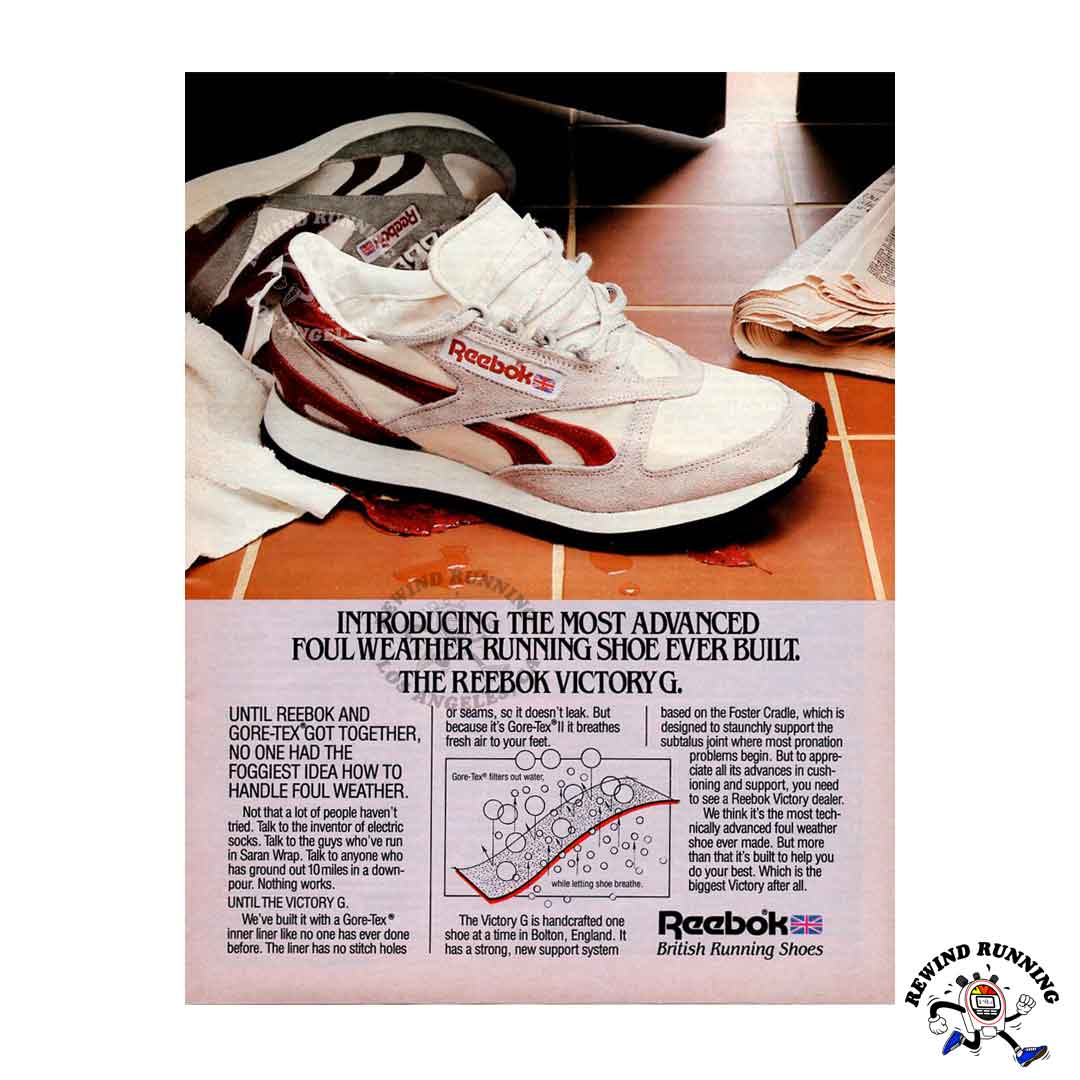
The most defining feature of any 80s sneakers is its silhouette—often high-top, always substantial. Models like the Nike Air Force 1 (1982), the Reebok Classic Leather (1983), and the ASICS Gel-Lyte III (1990, but rooted in 80s tech) possess a volumetric presence. When building a modern outfit, this silhouette should be the cornerstone. The contemporary approach favors contrast. Instead of pairing them with matching track pants or oversized jeans of the period, use the sneaker’s bulk to play against slimmer, tailored lines. A pair of robust Nike Air Max 1s (1987), with their visible Air unit, finds perfect balance with straight-cut, slightly cropped trousers or modern cargo pants. The sneaker becomes the foundational “block” of the look, its complexity allowing for simpler, more refined garments above. This principle echoes the architectural philosophy of Mies van der Rohe—”less is more”—where the sneaker is the ornate, detailed pillar supporting a cleaner, structured form. The goal is to let the shoe be the hero, preventing the rest of the outfit from competing with its narrative. A monochromatic top half—a heavyweight cotton tee or a simple hoodie—allows the colors and textures of the sneaker to pop without the ensemble feeling chaotic or overly thematic.
Color Theory in Action: From Neon Pops to Neutral Grounding
80s color palettes were famously bold: electric blues, vibrant magentas, acid yellows. Modern streetwear, however, often operates in a zone of muted earth tones, blacks, greys, and whites. The synergy lies in strategic placement. A sneaker with a flash of neon can act as the single, exhilarating accent color in an otherwise neutral outfit. Think of it through the lens of color theory as explained by institutions like the Pantone Color Institute: a small area of high-intensity color can create dynamic visual interest and focal point. For example, the iconic Gola Harrier, with its distinctive side stripe, can inject a controlled dose of retro energy. Conversely, many 80s sneakers came in clean, white-based colorways. A pristine pair of Reebok Club C 85s or Adidas Stan Smiths (though earlier, their 80s resurgence is relevant) offers a minimalist’s dream. They provide a crisp, clean base that grounds more experimental pieces above—a deconstructed blazer, a technical vest, or boldly patterned socks. This versatility is their strength; they can be either the statement or the stabilizer, depending on the chosen model and colorway.

Modern Alchemy: Key Styling Formulas Decoded
Knowing the theory is one thing; applying it is another. Let’s break down concrete, modern styling formulas that leverage the power of 80s sneakers.
Formula 1: The Technical Tailoring Hybrid
This is perhaps the most sophisticated integration. Pair a structurally complex sneaker like the Nike Air Jordan 1 (1985) or the Avia 880 with tailored, but not overly formal, separates. Imagine a relaxed-fit, single-pleat trouser in a wool blend, a minimalist long-sleeve polo, and an unstructured overshirt. The sneakers, with their leather panels and cushioned collars, add an irreverent, grounded edge to the tailored pieces, preventing the look from feeling stuffy. It’s a dialogue between polish and practicality, a concept championed by modern designers like Errolson Hugh of Acronym, who frequently blends technical fabrics with classic silhouettes. The sneaker here is the crucial bridge, its heritage of performance aligning with the garment’s focus on functionality and form.
Formula 2: Elevated Athleisure
Move beyond basic gym-to-street. Combine vintage-inspired sneakers with premium athleticwear. A high-quality, heavyweight French terry sweatsuit in a neutral color becomes a canvas for a pair of boldly colored Reebok Ex-O-Fits or Nike Air Trainer 1s. The key is in the quality and cut of the sweats—avoid overly baggy, thin fabrics. Opt for pieces with clean lines and substantial material. Add a technical nylon crossbody bag or a sleek wool beanie to layer in different textures. This formula respects the sneaker’s athletic origins while elevating the entire ensemble to considered, contemporary daywear. As fashion commentator and YouTuber “This look works because it doesn’t apologize for being comfortable. The 80s sneaker provides the historical authenticity that stops premium basics from looking bland.”
Formula 3: Utilitarian Street
Here, the inherent ruggedness of many 80s designs is amplified. Think of sneakers like the New Balance 990 (1982), a masterpiece of grey mesh and suede, or the rugged hiking-inspired silhouettes that emerged late in the decade. Pair them with utilitarian staples: durable canvas or corduroy work pants, a layered system of thermal tops and chore jackets, and accessories like beanies or tactical bags. The sneaker is no longer just a sport item; it’s part of a functional toolkit. This aligns with the “gorpcore” trend, which fetishizes outdoor gear, but roots it in the unmistakable silhouette language of the 80s athletic boom. The look is purpose-driven, textured, and deeply grounded.
Beyond Aesthetics: The Value Proposition of Vintage-Inspired Footwear
Engaging with 80s sneakers isn’t purely a stylistic choice; it’s often a smarter consumer one. The re-release market, fueled by brands’ own archive divisions, provides access to these iconic designs at a fraction of the cost of deadstock vintage pairs, and with modernized comfort technology. Brands understand the value of their heritage. For instance, when Nike re-introduces a “Recraft” version of an 80s model, it often includes improved cushioning and more durable materials while preserving the original aesthetic. This brings professional-grade knowledge of sneaker construction and history directly to the consumer. Furthermore, the aftermarket for these re-releases is vast. By purchasing wisely—opting for timeless colorways over fleeting collaborations—one invests in a piece of design history that holds its cultural and often monetary value better than many fast-fashion alternatives. It’s a move towards conscious curation of a wardrobe, favoring longevity, story, and design integrity over disposability.

The journey of the 80s sneaker from the hardwood court to the fashion runway is a testament to its irreducible design power. Styling them for today requires neither a time machine nor a slavish devotion to period accuracy. It demands a discerning eye for balance, an appreciation for their structural role in an outfit, and the confidence to let their charismatic legacy shine. By treating them as modern architectural elements—bold, foundational, and rich with narrative—we integrate not just a shoe, but a piece of cultural continuum into our daily expression. The streetwear look is complete not when the outfit is period-correct, but when the sneaker’s historic voice speaks clearly in a contemporary dialogue.
