

Styling 80s Sneakers for Modern Streetwear Edge
The resurgence of 80s sneakers is not merely a nostalgic blip on fashion’s radar; it’s a full-blown cultural reclamation. These shoes, born from a decade of bold experimentation, technological innovation in athletic wear, and the nascent sparks of hip-hop and skate culture, carry a DNA that modern minimalism often lacks. Integrating them into contemporary streetwear isn’t about costume play. It’s about harnessing their inherent architectural volume, defiant color palettes, and storied silhouettes to cut through the often-monochromatic, streamlined aesthetics of today. This fusion creates a distinct edge—a dialogue between past audacity and present context. The goal is to move beyond vintage appreciation into active, intelligent styling that respects the original design ethos while firmly planting it in the now.
The Architectural Blueprint: Deconstructing the 80s Silhouette
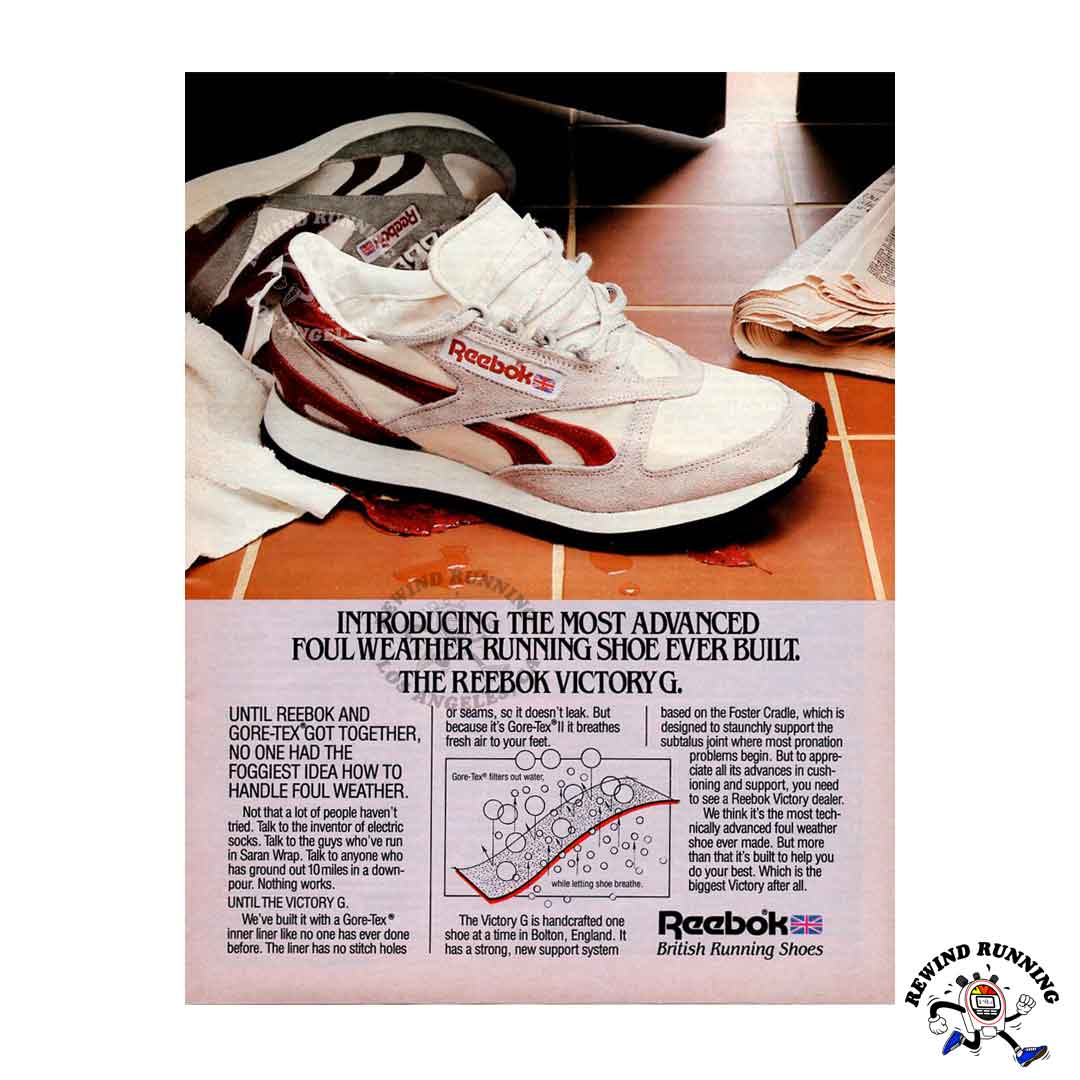
To effectively style 80s sneakers, one must first understand their design language. The 1980s were a golden age for sneaker technology and aesthetics. This was the era of visible air units, gel cushioning, and polyurethane midsoles. Brands like Nike, Adidas, Reebok, and ASICS were engaged in a technological arms race, resulting in shoes that were often bulkier, higher, and more geometrically complex than their predecessors. According to design historians, this shift reflected a broader cultural move towards “techwear” and futurism, influenced by everything from Star Wars to the rise of personal computing. The silhouette was not just about cushioning; it was a statement of progress. A prime example is the Nike Air Force 1 (1982), which, with its cupsole and strapping overlay system, offered unprecedented ankle support and a bulky, commanding presence. Similarly, the Reebok Freestyle (1982), designed for women’s aerobics, featured a sleek yet structured high-top that crossed over into everyday fashion. When we talk about the “modern edge,” we are often referring to this intentional bulk. In a landscape dominated by slim profiles and sock-like fits, the assertive, layered construction of an 80s sneaker immediately adds visual weight and gravity to an outfit. It becomes the foundational anchor, around which other pieces can be balanced.
Color Theory: Beyond Neon Clash
A common misstep is assuming 80s aesthetics equate to a chaotic riot of neon. While vibrant accents were definitive, the decade’s sneaker colorways were frequently grounded in sophisticated combinations. Consider the classic “University Blue” or “Bordeaux” schemes. The modern application leverages this nuance. Instead of head-to-toe brightness, use the sneaker as the color focal point. A pair of bold, color-blocked ASICS Gel-Lyte IIIs (1990, but inheriting the 80s ethos) or Nike Air Max 1s (1987) can be the sole vibrant element in an outfit built on neutrals—black denim, a grey oversized hoodie, a beige chore coat. This approach, endorsed by stylists from platforms like Highsnobiety, creates a deliberate, controlled point of interest. It’s a principle drawn from art and design: a single area of high saturation amidst a field of low saturation increases visual impact. Furthermore, many 80s sneakers came in clean, monochromatic leather—pure white, black, or grey. These versions are perhaps the most versatile for modern wardrobes, offering the iconic silhouette without the color commitment, allowing the shape itself to make the statement.

Contextual Fusion: Building the Outfit Narrative
Streetwear’s power lies in narrative—the story told through juxtaposition. Placing a relic from the 1980s into a 2020s context requires thoughtful curation to avoid anachronism. The key is to bridge eras through fabric, fit, and accessory. Start with contemporary basics: tailored sweatpants with a tapered ankle, oversized Japanese selvedge denim, or technical cargo pants. These items share a modern proportionality that contrasts beautifully with the sneaker’s vintage bulk. On top, layer pieces that nod to either the utilitarian or the subcultural roots of the sneakers. A sleek, minimalist techwear jacket can highlight the shoe’s functional origins. Alternatively, a vintage band tee or a rugby polo can connect to the decade’s music and prep revivals. As fashion commentator and YouTuber “This isn’t about dressing like a 1985 yearbook photo. It’s about using a piece of design history as a punctuation mark in your own style sentence. The sneaker is the exclamation point.” The goal is a cohesive look where the sneaker feels intentionally chosen, not accidentally unearthed.
Material World: Leather, Mesh, and the Patina of Time
The material composition of 80s sneakers is a tactile education. Unlike many contemporary knits, these shoes relied on full-grain leather, suede, nylon mesh, and durable rubber. This material honesty is a huge asset. A worn-in pair of leather Nike Dunks develops a creased patina that tells a story; the mesh panels on an Adidas ZX 8000 offer breathability and visual texture. When styling, mirror these materials elsewhere. Pair suede sneakers with a suede trucker jacket. Contrast the shiny leather of an Air Jordan 1 (1985) with the matte finish of waxed cotton trousers. This creates a dialogue of textures that feels rich and considered. Furthermore, understanding these materials informs care. Professional knowledge here is key: using quality leather conditioners, suede protectors, and proper cleaning techniques for mesh can preserve these vintage treasures. This stewardship is part of the modern relationship with the sneaker—it’s an investment piece, not disposable fashion.

The Subcultural Bridge: From Court and Track to Street
No discussion of 80s sneakers is complete without acknowledging their subcultural passports. These models were adopted and sanctified by scenes that defined youth culture. The Nike Air Jordan 1 was famously banned by the NBA, cementing its rebel status. The Adidas Superstar became the uniform of Run-D.M.C. and the emerging hip-hop nation. Skateboarders gripped the soles of the Vans Sk8-Hi and Air Jordan 1 for board feel and ankle protection. This heritage is the source of their “edge.” Wearing them today is an implicit nod to these legacies of rebellion, creativity, and athletic excellence. To style them authentically, one can subtly reference these roots. A crisp tracksuit nod (a matching fleece zip-up) with basketball sneakers. A bucket hat and chunky gold chain with shell-toe Adidas. Raw-hemmed jeans and a graphic tee with skate sneakers. It’s not about cosplay, but about understanding the cultural vocabulary embedded in the design. As noted in literature from institutions like the Fashion Institute of Technology, the migration of athletic wear from specific performance arenas to general streetwear is a defining feature of late 20th-century fashion, a trend ignited in the 80s.

The Investment Perspective: Knowledge as Currency
Engaging with vintage or retro-reissued 80s sneakers also involves an economic dimension. The market for classic sneakers is robust, driven by scarcity, condition, and cultural significance. Professional knowledge here translates directly to value. Understanding which original colorways (OGs) are most sought-after, how to verify authenticity, and what constitutes “deadstock” or “gently worn” condition is crucial. This isn’t just for collectors; it’s for any savvy consumer. Many brands now offer official “retro” re-releases at accessible price points, bringing professional-grade design and discounted prices relative to the vintage collector’s market. Platforms like StockX and GOAT have democratized price transparency. Knowing, for instance, that a 2023 reissue of the Nike Air Max 1 ’86 offers near-identical design with modernized comfort technology allows you to acquire the look and feel without the vintage premium. This informed approach empowers you to build a rotation of statement sneakers that are both stylistically potent and economically sensible.
Ultimately, styling 80s sneakers for a modern edge is an exercise in informed contrast. It demands an appreciation for design history, a keen eye for contemporary proportion, and the confidence to let a singular, historically charged piece command attention. By deconstructing their architecture, respecting their color logic, contextualizing them with modern pieces, honoring their materials and heritage, and acquiring them wisely, you transform a retro artifact into a vital component of your personal style narrative. The edge comes from this intelligent fusion—where every choice, from the laces to the layered sock, is a conscious step in bridging decades.
