

How to Wear Black Leather Heels for Every Season
Black leather heels are not merely footwear; they are a sartorial cornerstone, a versatile declaration of intent that transcends fleeting trends. Their power lies in an almost architectural simplicity—a clean line, a confident lift, a material that speaks of both resilience and refinement. To relegate them to a single season is to misunderstand their fundamental nature. This exploration is not about rules, but about unlocking the inherent adaptability of this iconic piece. We will dissect their role across the climatic and stylistic spectrum, proving that with strategic styling, a pair of black leather heels is the most reliable and potent item in your wardrobe arsenal, regardless of the weather or the calendar.
The Foundational Science of Versatility: Why Black Leather Works
Before we delve into seasonal applications, it’s crucial to understand the objective principles behind this shoe’s dominance. The combination is psychologically and aesthetically potent. Color theory, as explored in design curricula at institutions like the Rhode Island School of Design, positions black as an achromatic color, absorbing all light. This gives it a unique property of visual solidity and neutrality, allowing it to anchor any color palette without competing. Leather, from a materials science perspective, is a durable and moldable collagen matrix. Its surface interacts with light in varied ways—from the high-gloss reflectivity of patent to the soft matte absorption of nappa—creating textural interest. Furthermore, the heel itself carries anthropological weight. As noted in works like “Shoes: A History from Sandals to Sneakers,” elevated footwear has historically signaled status, authority, and mobility. A black leather heel synthesizes these elements: the authority of the hue, the substance of the material, and the empowerment of the lift. This isn’t mere fashion opinion; it’s a convergence of design fundamentals that explains its perennial relevance.
Spring: Awakening with Structure and Contrast
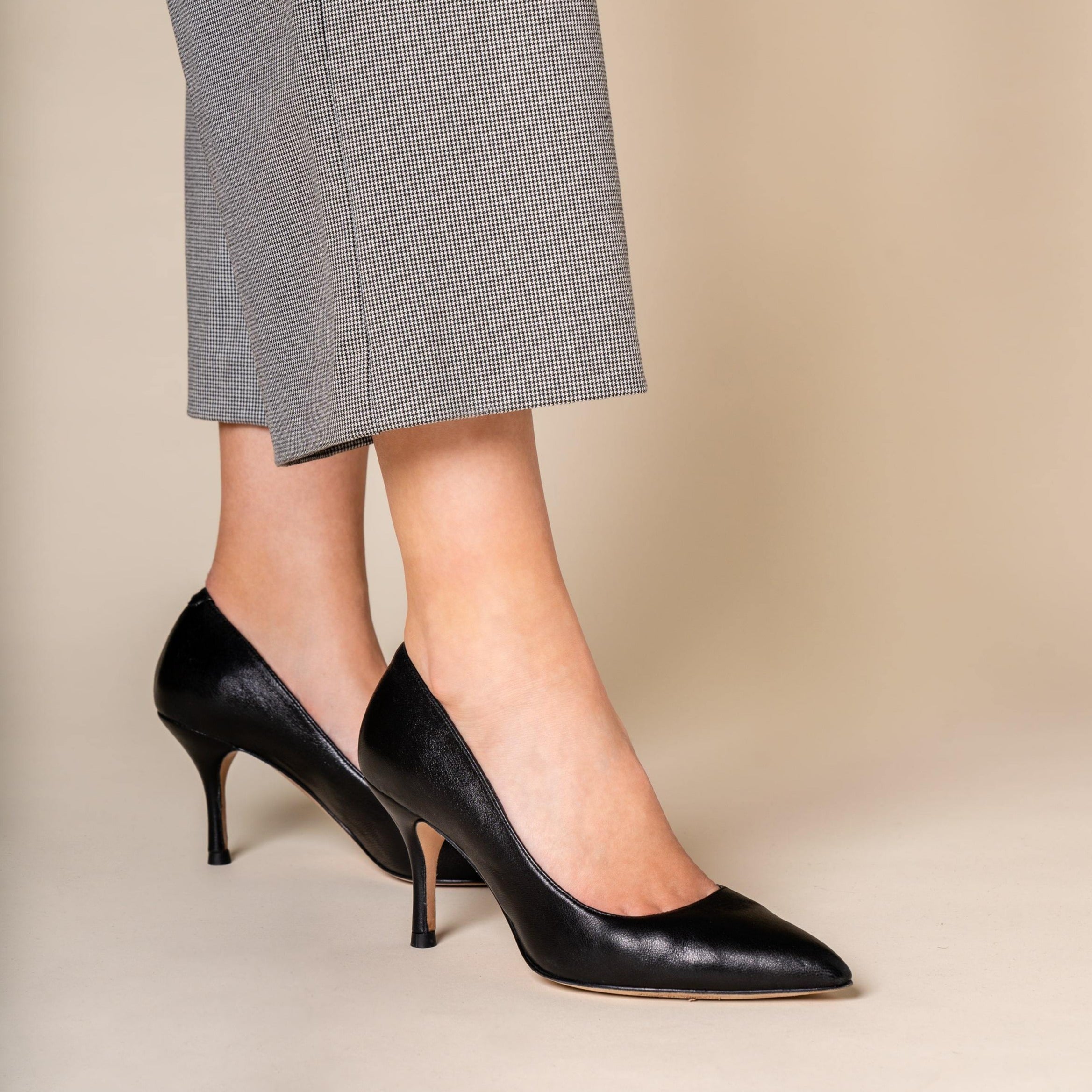
Spring styling is an exercise in balancing renewal with lingering crispness. The key here is contrast and defined silhouettes. A sharp pair of pointed-toe black leather heels acts as the perfect counterpoint to the season’s softer expressions. Pair them with a flowing, midi-length floral dress; the stark, structured footwear grounds the print, preventing the look from becoming overly whimsical and instead lending a modern, editorial edge. For a more tailored approach, combine them with cropped, wide-leg trousers in a light wool or high-twist cotton and a crisp white shirt. This creates a powerful, clean line from ankle to toe, elongating the silhouette impeccably. Consider the texture: a grainy calfskin or a subtle matte finish adds depth without the severity of patent. As fashion commentator and author Alison Freer often notes, “The right shoe doesn’t just complete an outfit; it defines its attitude.” In spring, let your black heels define an attitude of crisp, intelligent optimism. They transition seamlessly from a daytime meeting to an evening garden party, offering a stable foundation on potentially damp, uneven ground where lighter shoes might fail.
Summer: Defying Convention with Minimalist Edge
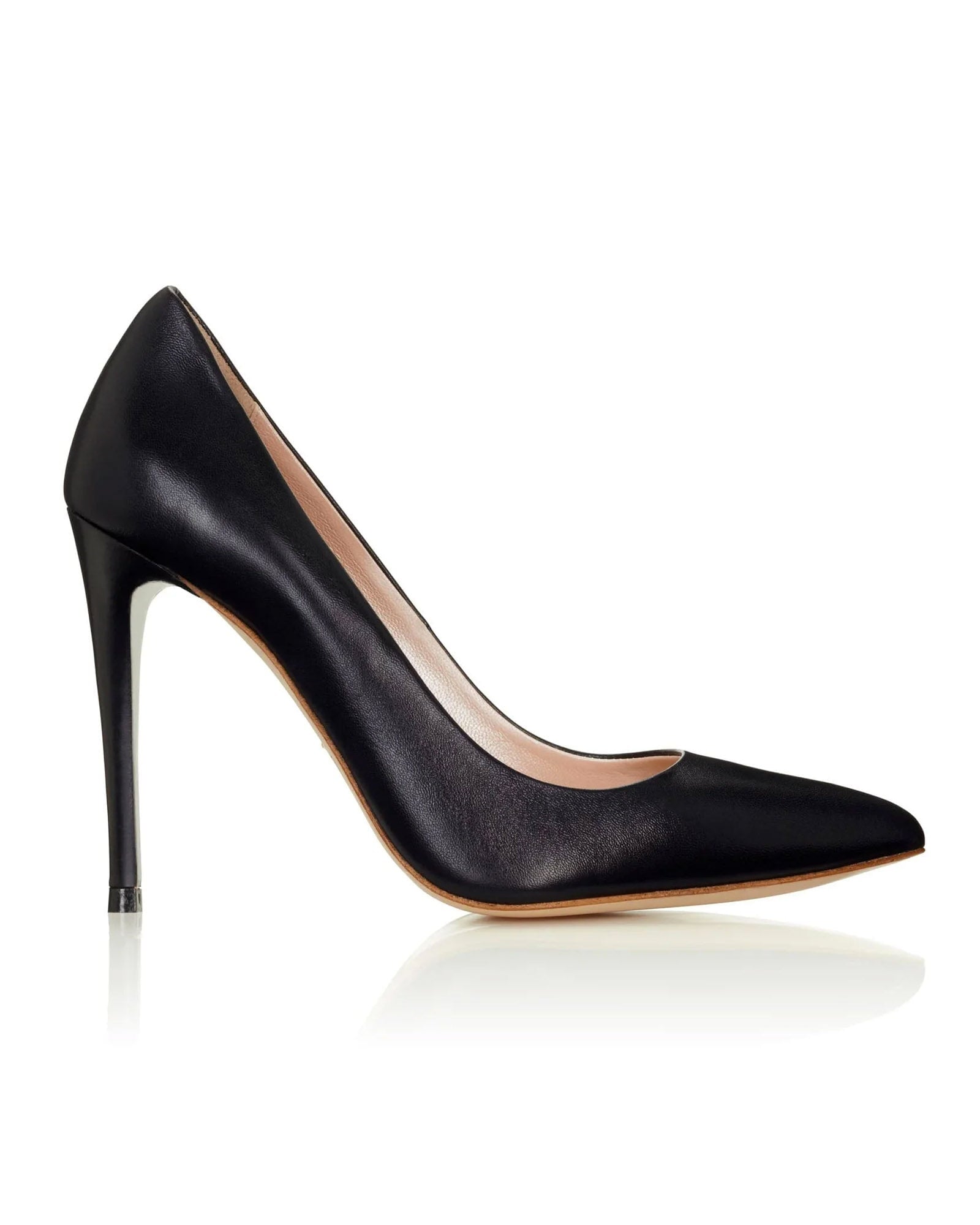
The common misconception is that leather and summer are incompatible. This is a fallacy rooted in a narrow view of both climate and style. In warmer months, the strategy pivots to minimalist shapes and strategic bareness. A sleek black leather sandal heel—be it a mule, a slingback, or a delicate ankle strap design—becomes invaluable. The exposed skin creates ventilation, while the leather itself, being a natural fiber, can breathe more effectively than many synthetic alternatives when well-crafted. Style them with minimalist linen separates: a tailored linen shorts suit, or a straight-leg linen jumpsuit. The contrast between the relaxed, textured fabric and the polished, severe shoe is profoundly chic. It echoes the minimalist philosophy championed by designers like Phoebe Philo during her tenure at Céline, where luxury was expressed through precision and reduction rather than adornment. For evening, a strappy black leather stiletto with a sundress elevates the look from casual to formidable. As the sun sets, these heels won’t wilt; they provide a constant, cool anchor. Remember, summer style isn’t just about bright colors; it’s about the intelligence of the edit. A black leather heel in summer is a statement of curated confidence, proving you understand nuance over novelty.
Autumn: Embracing Texture and Layered Sophistication
Autumn is the natural habitat for the black leather heel. The season’s inherent richness in texture and depth calls for a footwear partner that can match its complexity. This is the time to embrace heavier-weight leathers, like polished calf or grained box calf, and to play with substantial shapes—a block heel, a rounded toe, perhaps a bootie style. The styling principle is layered harmony. Imagine them with opaque tights, a tweed midi skirt, and a fine-gauge knit. The heels provide a sleek, modern line that cuts through the potential bulk of autumnal fabrics. Alternatively, pair a sturdy leather pump with dark, tailored denim and a leather jacket; the monochromatic leather-on-leather look is timeless and powerful, offering a cohesive texture story. From an economic standpoint, investing in a premium pair for autumn offers immense cost-per-wear value. As the season demands more structured outerwear and investments in coats and knits, these heels serve as the versatile constant, working with virtually every bottom in your wardrobe. They are the sartorial equivalent of a keystone species, supporting and enhancing a vast ecosystem of outfits.
Winter: Mastering Practical Elegance and Insulation
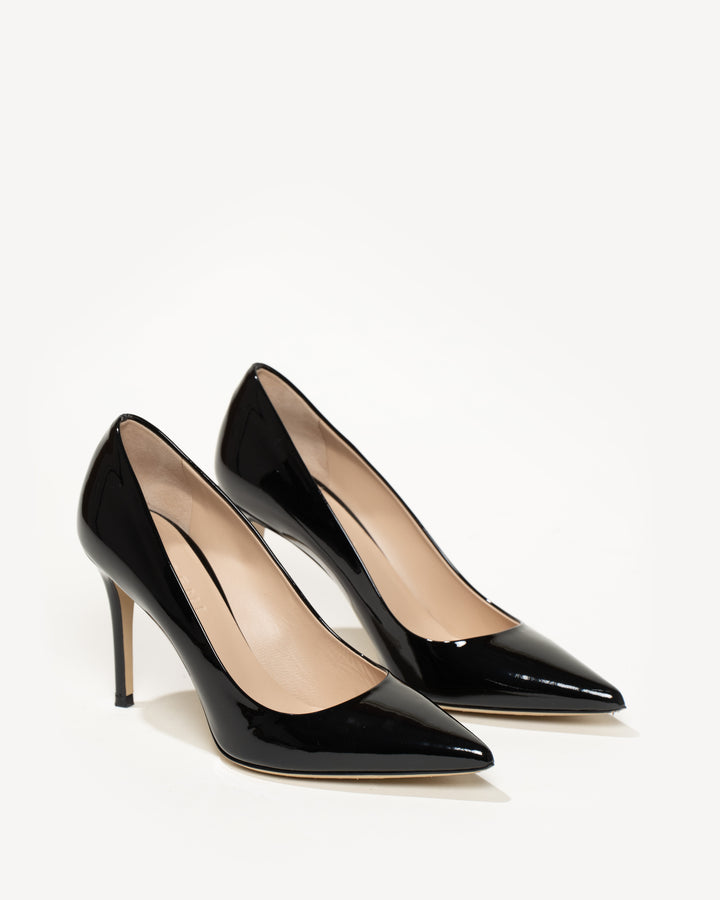
Winter presents the greatest perceived challenge, which in turn offers the greatest style opportunity. The goal is practical elegance. A closed-toe pump or a sleek ankle boot heel in black leather is essential. The leather provides a crucial barrier against wind and light moisture, especially when treated with a protective spray. The key to warmth lies not in the shoe alone, but in the system. Wear them with thermal or wool-blend tights. For deeper cold, the “layer-under” technique used by style communities in cities like Stockholm and Montreal is invaluable: sheer tights under opaque ones. Stylistically, winter is about creating compelling indoor outfits that remain intact when the coat comes off. A pair of sophisticated black leather heels elevates a simple wool dress or a cashmere sweater and silk skirt combination instantly. They counterbalance the potential heaviness of winter fabrics with precision. As Diane von Furstenberg famously advised, “Style is something each of us already has, all we need to do is find it.” In winter, finding your style often means finding the element that introduces sharpness and intention—a role for which these heels are uniquely qualified. They ensure you move from slushy streets to warm interiors without compromising your aesthetic stance.

The Professional and Economic Calculus: An Investment Rationale
Beyond aesthetics, adopting this versatile approach is an exercise in intelligent consumption. A single, high-quality pair of black leather heels, costing perhaps $300-$500 from a reputable brand known for craftsmanship, can effectively replace the need for multiple season-specific shoes of lesser quality. The economic concept of cost-per-wear, frequently cited by financial and style advisors like Paco Underhill, becomes decisively favorable. If worn just twice a week across ten months of the year, the cost per wear plummets to a negligible figure, far below that of a cheap, trendy shoe worn only a handful of times. Furthermore, professional cobblers, such as those affiliated with the Shoe Service Institute of America, confirm that quality leather heels, with proper care (regular polishing, protective soles, timely re-heeling), can last for a decade or more. This longevity is not just economical but ecological, aligning with a sustainable wardrobe philosophy. The knowledge that you possess a tool capable of handling any sartorial scenario also brings a profound sense of preparedness and confidence—a psychological ROI that is immense. You are not just buying shoes; you are investing in a foundational asset for your personal and professional presentation.
From the first blush of spring to the depths of winter, the black leather heel stands unwavering. It is a chameleon that needs no changing, a constant that invites creativity. Its power is not in shouting for attention, but in providing the quiet, confident foundation upon which an entire wardrobe—and by extension, a personal identity—can be built with assurance and grace. This is not about following trends; it is about mastering a principle. Once you understand this, you step forward into every season, and every occasion, with undeniable authority.
