How to Style 80s Sneakers for a Modern Wardrobe
The resurgence of 80s sneakers is more than a fleeting trend; it’s a testament to the enduring power of iconic design meeting contemporary sensibility. These shoes, born from a decade of bold expression and technological innovation in sportswear, carry a distinct aesthetic and cultural weight. Integrating them into a modern wardrobe isn’t about costume play, but about strategic fusion—extracting their unique character to elevate today’s minimalist, tailored, or eclectic styles. This journey involves understanding their heritage, deconstructing their design elements, and applying principles of contrast and harmony to create looks that feel both nostalgic and utterly current. We move beyond mere “retro” labeling to explore how these pieces function as dynamic components in a modern sartorial language.
The Cultural and Design Legacy of 80s Footwear
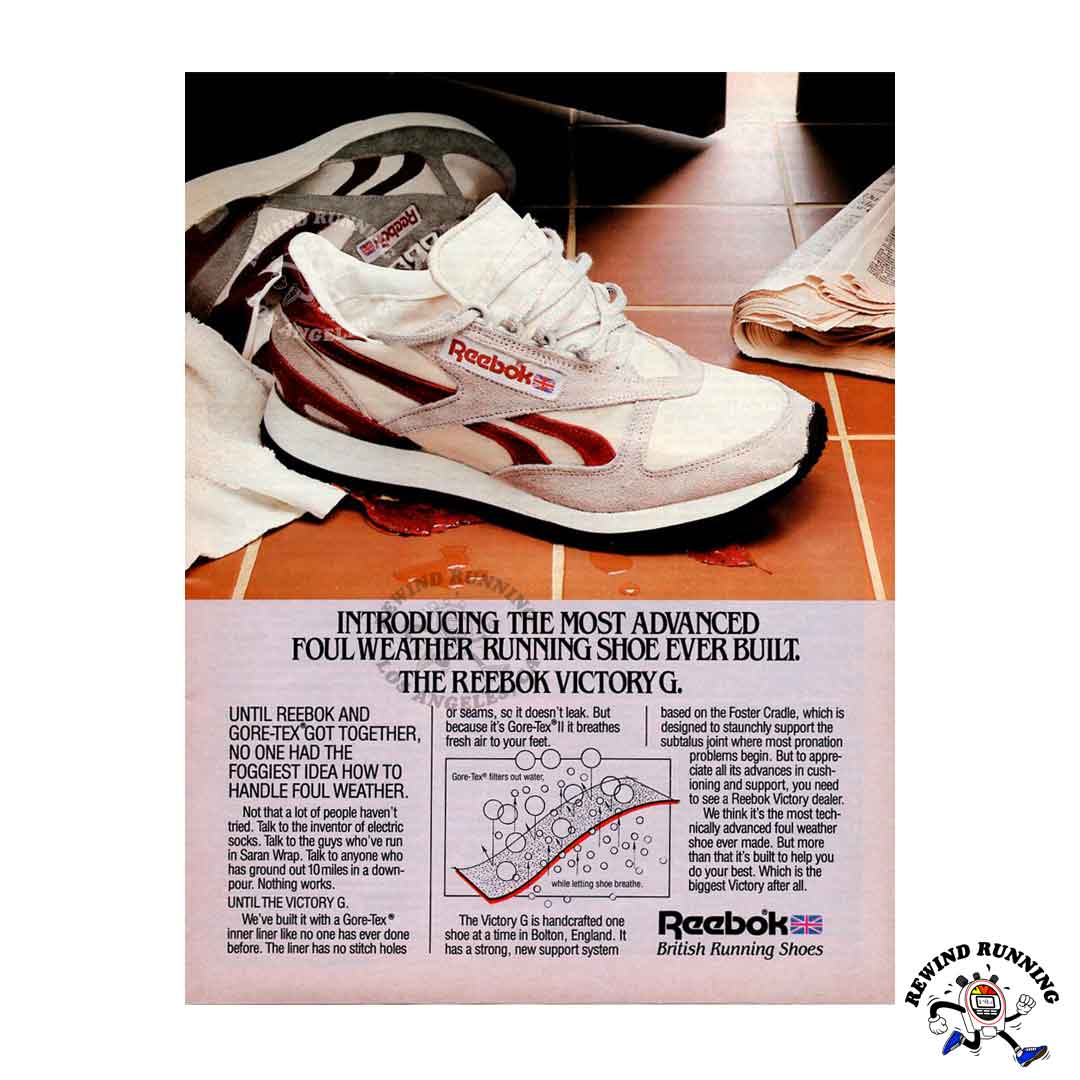
To style 80s sneakers effectively, one must first appreciate their origin story. The 1980s marked a pivotal moment where athletic footwear transcended the gym and court, propelled by aerobics crazes, the rise of hip-hop culture, and blockbuster films. Brands like Nike, Adidas, Reebok, and Puma engaged in an arms race of technological innovation, introducing visible Air cushioning, gel systems, and advanced stabilizing features. This era birthed silhouettes that were unapologetically bold: think chunky midsoles, vibrant color-blocking, synthetic leather and mesh panels, and often a high-top profile. As noted by design historians, these features weren’t just functional; they were declarative. A pair of 80s sneakers was a statement of identity, aligning the wearer with athletic prowess, street-smart cool, or futuristic optimism. This inherent “statement” quality is the very asset we leverage today. When juxtaposed against the clean lines and neutral palettes that dominate modern fashion, these sneakers introduce a shot of personality, history, and architectural interest without overwhelming the wearer.

Principle One: The Power of Contrast and Balance
The most compelling modern applications of 80s sneakers rely on deliberate contrast. The key is to let the shoe be the focal point by framing it with simplicity. Imagine a pair of neon-accented, chunky-soled Reebok Classics or Nike Air Max 1s. Their complexity demands a calm stage. This is where minimalist wardrobe staples become your best allies. A well-tailored pair of straight-leg or slightly wide-leg trousers in beige, black, or white wool or cotton provides a sophisticated base. The volume and texture of the trouser interact dynamically with the sneaker’s bulk. On top, a simple, high-quality crewneck sweater or a crisp, oversized button-down shirt maintains the balance. The goal is not to match the sneaker’s energy with equally loud clothing but to create a dialogue where the modern, refined pieces highlight the sneaker’s vintage character. As fashion commentator and writer on Threads Magazine often suggests, “The tension between ‘old’ and ‘new,’ between ‘sporty’ and ‘tailored,’ is where personal style becomes most visible.” This approach transforms the sneaker from a casual afterthought into an intentional, curated element of a complete look.
Principle Two: Silhouette Synergy and Proportion Play
Understanding silhouette is paramount when working with the substantial forms of 80s sneakers. The high-top variety, in particular, interacts directly with your leg line. Modern styling avoids the dated look of baggy jeans bunching over the tongue. Instead, opt for cropped trousers or jeans that end just at or above the sneaker’s collar, showcasing the entire shoe. For low-top chunky sneakers, the choice widens: sleek cycling shorts, tailored shorts, or even flowing midi skirts can create fascinating proportions. The juxtaposition of a feminine, flowing skirt with a heavy, technical sneaker is a cornerstone of the modern “ugly-chic” aesthetic, championed by designers and street style stars alike. It’s a nod to the nonchalant, rebellious spirit of the 80s, reinterpreted with contemporary awareness. The sneaker grounds the outfit, adding an edge of practicality and attitude. When considering outerwear, structured blazers or long, lean coats work exceptionally well, as their defined shapes contrast beautifully with the shoe’s rounded, bulky forms, creating a silhouette that is both powerful and balanced.
Principle Three: Color Theory and Strategic Highlighting
80s sneakers often come with a built-in color story—bold primaries, stark black-and-white contrasts, or pastel combinations. A sophisticated approach involves pulling one secondary color from the sneaker and subtly echoing it elsewhere in your outfit. If your sneakers have a hit of cobalt blue on the heel tab, a thin sock in the same hue, or a watch strap with a similar tone, creates a cohesive thread without being matchy-matchy. Alternatively, the monochromatic method is incredibly potent. Dressing head-to-toe in shades of grey, beige, black, or white allows a brightly colored or wildly patterned sneaker to truly pop as the singular exclamation point. This technique is frequently seen in the wardrobes of fashion insiders who understand that restraint in clothing amplifies the impact of an accessory. It turns the 80s sneakers into a piece of wearable art. Remember, the color blocking of the 80s was about confidence; translating that today means using color with purpose and precision, not excess.
Integrating Knowledge and Finding Value
Engaging with vintage or re-released 80s sneakers also connects you to a wider narrative of design and pop culture. Recognizing the model—knowing an Air Jordan 1 from a Nike Cortez, or a Reebok Freestyle from an Adidas Superstar—adds a layer of appreciation that enriches the styling experience. This knowledge often leads to smarter acquisitions. While limited-edition reissues can command high prices, many classic models have general release versions or can be found in excellent pre-owned condition for a fraction of the cost. Brands frequently re-release these iconic styles, making them accessible. The value proposition is clear: you are investing in a design with a proven, decades-long lifespan, constructed with often superior materials compared to fast-fashion footwear. As sustainability becomes a greater concern, choosing a timeless silhouette that won’t need replacing every season is both an economically and environmentally sound decision. The cost-per-wear of a versatile, statement sneaker that elevates multiple outfits is invariably lower than that of a trendy, disposable alternative.

The Final Composition: Beyond the Rules
Ultimately, styling is an intuitive act. The principles of contrast, silhouette, and color are frameworks, not rigid rules. The magic happens when you inject your personal narrative. Perhaps you pair your technical running sneakers from the 80s with a delicate slip dress and a utilitarian cargo jacket. Maybe you wear your high-top basketball classics with a sleek suit, subverting formalwear codes in a way that feels uniquely modern. The confidence to experiment is the final, essential ingredient. These shoes, with their rich history and bold presence, demand a certain assertiveness. They are not meant to fade into the background. By integrating them thoughtfully into a modern wardrobe, you do more than just wear shoes; you engage in a dialogue between eras, crafting a style identity that acknowledges the past while firmly standing in the present. The 80s sneakers become more than footwear; they become a cornerstone of a dynamic, intelligent, and personal aesthetic.