

Best Shoes for Hiking and Walking: Comfort and Style on Every Trail
Choosing the right footwear is the single most critical decision you make before stepping onto a trail or embarking on a long urban walk. The perfect pair transcends mere gear; it becomes an extension of your feet, a trusted companion that dictates comfort, safety, and enjoyment. This guide delves into the science, technology, and artistry behind finding the best shoes for hiking and walking, moving beyond marketing hype to deliver objective insights. We’ll equip you with professional knowledge to make an informed choice, ensuring your next step is your best one.
The Foundation: Understanding Foot Biomechanics and Terrain
Before comparing brands or styles, we must establish a scientific baseline. Human locomotion is a complex symphony of bones, muscles, and tendons. According to research from the University of Calgary’s Human Performance Laboratory, the foot undergoes a precise sequence of events during a gait cycle: heel strike, foot flat, mid-stance, heel-off, and toe-off. A shoe that disrupts this natural biomechanics can lead to inefficiency, discomfort, and injury over long distances. For walking on paved surfaces, the primary need is cushioning to absorb repetitive impact. Trail terrain introduces variables like uneven surfaces, sharp rocks, and slippery roots. Here, stability and protection become paramount. The American Podiatric Medical Association emphasizes that improper footwear is a leading contributor to foot ailments like plantar fasciitis and metatarsalgia. Therefore, the first principle is this: your activity’s terrain dictates the shoe’s required features. A sleek, minimalist road shoe will fail on a rocky mountain path, just as a heavy, rigid mountaineering boot would be overkill for a city park. The quest for the best shoes for hiking and walking begins with this honest assessment of where your feet will take you.

Anatomy of a Superior Hiking and Walking Shoe
Let’s dissect the key components that define performance. The upper is the shoe’s body. For breathability in warm climates, mesh is king, often reinforced with synthetic overlays for durability. For wet conditions, waterproof membranes like Gore-Tex or eVent are integrated, though they reduce breathability. The midsole is the engine room, typically made from EVA (ethylene-vinyl acetate) or polyurethane. EVA is lighter and softer but can compress over time; polyurethane is denser and more durable. Advanced foams like Nike’s React or Adidas’s Boost offer superior energy return and longevity. The outsole is your connection to the ground. Vibram rubber is the industry benchmark, renowned for its sticky grip and durability. The pattern of the lugs (the cleats) is crucial: deep, multi-directional lugs excel in loose dirt and mud, while shallower, closer-set lugs are better for hard-packed trails and pavement. The heel counter and toe box are vital for fit. A rigid heel counter locks your foot in place, preventing slippage and blisters, while a roomy, foot-shaped toe box allows your toes to splay naturally upon impact, a point famously championed by “natural running” advocates and visible in brands like Altra. Ignoring any one of these elements compromises the entire system.

The Great Debate: Hiking Shoes vs. Boots vs. Trail Runners
This is the central crossroads for many enthusiasts. The choice isn’t about “better” but “better for you.” Hiking Boots (mid-cut or high-cut) offer maximum ankle support and protection. They are ideal for carrying heavy loads, traversing extremely rugged terrain, or for hikers with a history of ankle weakness. As renowned mountaineer and author Mark Jenkins once noted in an interview, “When the pack weight goes over forty pounds and the talus gets loose, the mind seeks the assurance of a stiff, high-top boot.” Hiking Shoes (low-cut) provide greater freedom of movement and are lighter. They are perfect for day hikes on established trails with moderate loads. They are, effectively, the quintessential versatile shoes for hiking and walking for most people. Trail Running Shoes prioritize lightweight construction, supreme cushioning, and agility. They are excellent for fast-paced hiking, dry trails, and those who prioritize foot feel over maximum protection. The trend, as observed in forums like Reddit’s r/CampingandHiking and analyses from websites like Switchback Travel, is a significant shift towards lightweight footwear for all but the most extreme conditions, as strengthening ankle muscles is often seen as preferable to relying on rigid external support.
Material Science: Waterproofing and Breathability
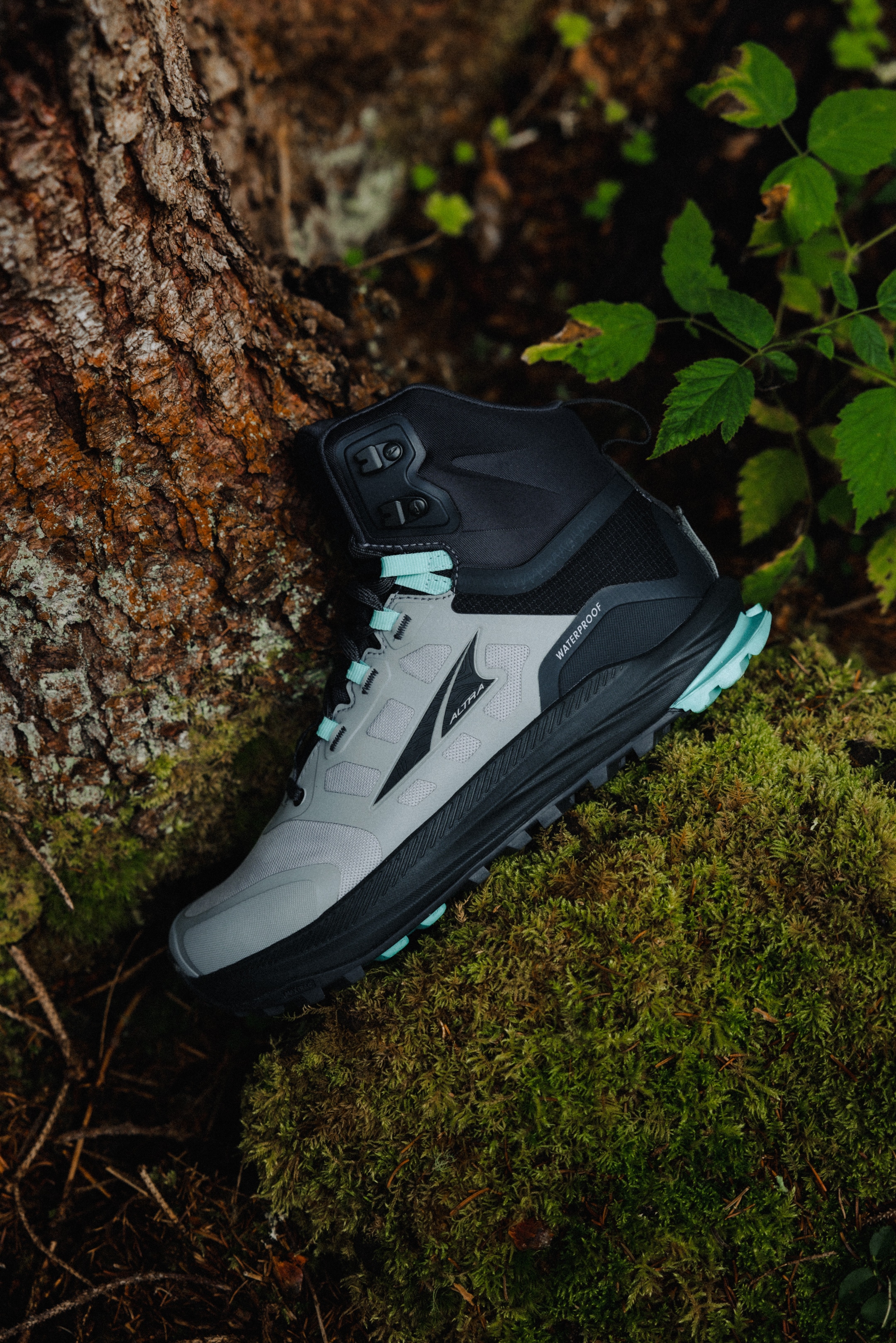
The waterproof/breathable dilemma is a classic trade-off. A waterproof membrane creates a barrier to liquid water while theoretically allowing water vapor (sweat) to escape. In reality, in sustained rain or high exertion, the inside of a waterproof shoe can become a sauna, leading to saturated socks from the inside out. The YouTube channel “Outdoor Gear Review,” known for its rigorous field testing, consistently argues that for all but cold, wet, slushy conditions, a highly breathable non-waterproof shoe paired with quick-drying socks is often more comfortable. Your feet will get wet in a stream crossing regardless, but breathable shoes will dry out far faster. This principle is crucial for multi-day trips where dry feet are essential to prevent maceration and blisters. For urban walking or dry climate hiking, waterproofing is largely unnecessary and counterproductive. The key is matching the technology to the likely environmental conditions.
Style Meets the Trail: You Don’t Have to Sacrifice Aesthetics
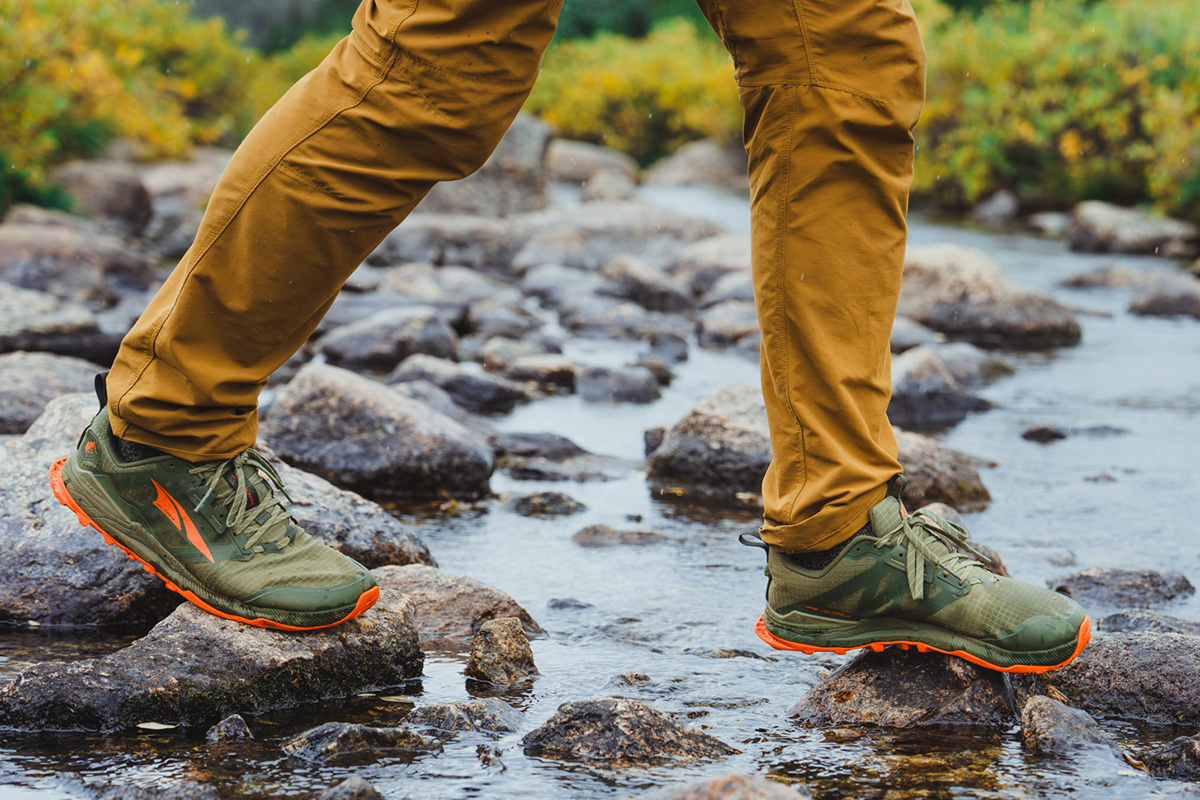
For too long, “technical” meant “clunky.” That era is over. Modern design integrates performance with aesthetics. Brands like Salomon, with their sleek, speed-lacing systems, and HOKA, with their maximalist yet streamlined profiles, have blurred the lines between trail and streetwear. The rise of “gorpcore” fashion, as documented by media like The New Yorker, has seen technical hiking apparel become a style statement in metropolitan centers. This is a boon for the consumer. The best shoes for hiking and walking today can transition seamlessly from a morning on the Appalachian Trail to an afternoon at a brewery without looking out of place. Colors range from subdued earth tones to vibrant, expressive palettes. This fusion means you are no longer forced to choose between function and form; you can demand both. A well-designed shoe acknowledges that our experiences are not compartmentalized—the same person who appreciates grip on a granite slab also appreciates a clean look on city concrete.
The Critical Importance of Fit: A Personal Expedition
All the technology is worthless if the shoe doesn’t fit your unique foot. This is a non-negotiable, personal journey. Always try on shoes in the afternoon when your feet are naturally slightly swollen. Wear the socks you intend to hike in. There should be a thumb’s width of space (about 1/2 inch) between your longest toe and the end of the shoe to prevent toe-jamming on descents. Your heel should be locked in place with minimal lift. The width should accommodate your foot without pinching, especially across the metatarsal heads. Remember, feet swell over miles and days. As legendary long-distance hiker Jennifer Pharr Davis advises in her book The Pursuit of Endurance, “Buy your shoes a full size to a size and a half larger than your street shoes. Your feet will thank you on mile four hundred.” Don’t be loyal to a size number; be loyal to the feeling of secure, spacious comfort. Visit a specialty store where staff can analyze your gait and foot shape. This investment in proper fit is more valuable than any discount on the wrong pair.
Investing in Your Journey: Value Beyond the Price Tag
High-quality shoes for hiking and walking represent an investment in your health and adventure. While premium models from brands like La Sportiva, Scarpa, or Lowa can command prices from $150 to $300, the cost-per-mile is often low for a durable product that protects your most valuable assets. However, value can be found. Last season’s colors are frequently discounted by 30% or more, and outlets offer significant savings. The key is to prioritize construction and materials over flashy, non-essential features. A solid rubber outsole, a well-cushioned midsole, and a durable upper are the holy trinity. Websites like CleverHiker and SectionHiker provide unbiased reviews that highlight the best value performers each year, often identifying models that punch well above their price point. Remember, the most expensive shoe is not automatically the best for you. The goal is to find the shoe that offers the precise blend of support, protection, weight, and fit for your specific needs at a price that reflects genuine material and engineering quality, not just marketing.
Your path forward is clear. Arm yourself with the knowledge of biomechanics and shoe anatomy. Honestly assess the terrain you’ll most frequently encounter. Understand the trade-offs between support, weight, and breathability. Prioritize fit above all else, and recognize that style is now a valid part of the performance equation. When you find that perfect pair—the one that disappears on your foot while confidently tackling the ground beneath—you’ve unlocked a new level of freedom. The trail, the path, the city street ceases to be an obstacle and becomes a canvas for exploration. Lace up, step out, and walk your own journey in comfort and style.
