

Best Shoes for Hiking and Walking: Comfort and Durability Combined
Selecting the right footwear is not merely a matter of style; it is a critical decision that impacts your physical well-being, performance, and enjoyment on the trail or pavement. The quest for the perfect pair of shoes for hiking and walking often centers on the harmonious marriage of two seemingly competing virtues: plush comfort and rugged durability. This article delves into the engineering, science, and user experience behind achieving this blend, moving beyond marketing claims to provide a foundational understanding of what makes these shoes exceptional.
The Foundation: Understanding Foot Biomechanics and Terrain
Before evaluating any shoe, one must appreciate the complex biomechanics of the human foot and the diverse demands placed upon it. The foot contains 26 bones, 33 joints, and over 100 muscles, tendons, and ligaments, acting as both a shock absorber and a rigid lever for propulsion. A shoe for hiking and walking must support this intricate system. On paved surfaces, the gait cycle is repetitive and predictable, requiring consistent cushioning. In contrast, uneven trails demand constant micro-adjustments for stability, ankle support, and protection from sharp objects. Renowned podiatrist Dr. Ray McClanahan, in his work on natural foot positioning, emphasizes the importance of a toe box that allows natural splay, a feature now incorporated into many modern designs. Scientific literature from institutions like the University of Calgary’s Human Performance Laboratory underscores how footwear affects gait efficiency and injury prevention. Therefore, the ideal shoe is not a one-size-fits-all solution but a tailored interface between your unique biomechanics and the specific environment you intend to traverse.
:max_bytes(150000):strip_icc()/VWFit-hiking-shoes-versus-walking-shoes-7548411-152aaaad90024603b172fdf65bb0c157.jpg)
Anatomy of Comfort: Cushioning, Fit, and Breathability
Comfort is a multi-sensory experience defined by the absence of pain and the presence of positive feedback from the shoe. It begins with precise fit—a secure heel lock, ample volume in the midfoot, and that crucial spacious toe box. Brands like Altra have built their philosophy around the “FootShape” toe box, directly addressing the anatomical need for toe splay. Cushioning technology is where material science shines. EVA (Ethylene-Vinyl Acetate) foam is ubiquitous for its lightweight shock absorption, but advanced variations like PU (Polyurethane) inserts or proprietary compounds such as Nike’s React or Adidas’s Boost offer greater longevity and energy return. The midsole is the primary comfort engine, and its design dictates how impact forces are dissipated. Furthermore, breathability cannot be an afterthought. Moisture management is vital; a damp foot is a cold foot in winter and a blister-prone foot in summer. Modern uppers utilize engineered meshes, like GORE-TEX for waterproof-breathable protection or open-weave synthetics for maximum airflow. As noted in reviews on authoritative outdoor sites like Switchback Travel, a comfortable shoe for hiking and walking disappears on your foot, allowing you to focus on the journey, not your gear.
The Pillars of Durability: Outsoles, Uppers, and Construction
Durability is the measure of a shoe’s resilience against abrasion, flex fatigue, and environmental decay. The outsole is the first line of defense. Vibram rubber soles are the industry benchmark, renowned for their grip and longevity. The lug pattern—the depth and arrangement of the tread—is critical. Deep, multi-directional lugs excel on loose soil and mud, while shallower, closer-set lugs are better for rocky terrain and offer more stability on flat surfaces. The upper material faces constant scuffs, moisture, and UV exposure. Full-grain leather, used in classic backpacking boots, offers supreme abrasion resistance but at a weight penalty. Modern nubuck leather and synthetic fabrics like Cordura provide excellent durability with less weight. The construction method binds these elements. Traditional cemented construction can fail under extreme stress, whereas stitch-down or, preferably, board-lasted or combination-lasted construction offers superior structural integrity for a shoe for hiking and walking meant for heavy loads or rugged miles. A durable shoe is an investment, reducing waste and cost-per-mile over time.

Bridging the Divide: Technologies that Unite Comfort and Longevity
The true innovation in modern footwear lies in technologies that enhance both comfort and durability simultaneously. Rock plates—thin, flexible inserts of nylon or polyethylene—are a prime example. They protect the foot from sharp stone bruises (durability) without adding significant stiffness that would compromise ground feel and comfort. Similarly, advanced midsole foams like PEBAX (Polyether Block Amide) used in top-tier running and hiking shoes provide exceptional cushioning (comfort) while being highly resistant to compression set, meaning they won’t pack out and lose their supportive properties over hundreds of miles (durability). Another key area is the integration of sustainable materials. Recycled polyester uppers and algae-based EVA foams, as pioneered by brands like Salomon and Altra, are not just environmentally responsible; they are engineered to meet or exceed the performance standards of virgin materials, proving that ecological durability and user comfort can be aligned. This synergy is what defines the current generation of elite shoes for hiking and walking.
The Weight Debate: Striking the Perfect Balance
Weight is a pivotal factor in the comfort-durability equation. A heavy, burly boot may be incredibly durable but can lead to fatigue and a labored gait, reducing comfort and enjoyment on long days. Conversely, an ultralight shoe might feel blissfully comfortable initially but may wear out prematurely on technical terrain. The sweet spot is a “just enough” philosophy. As ultralight backpacking guru Ray Jardine advocated in his seminal work “Beyond Backpacking,” reducing weight on the feet has a disproportionate benefit in reducing overall energy expenditure. Modern materials allow for shoes that are both protective and surprisingly light. For example, trail runners have crossed entire continents on a single pair, demonstrating that durability does not always require bulk. Your choice should reflect your typical load, terrain, and distance. A day-hiker on well-maintained trails can prioritize light weight, while a backpacker with a 40-pound pack on rocky, remote trails will need the added protection and support of a more substantial model, accepting a minor weight increase for a major gain in long-term foot health and shoe lifespan.
Making an Informed Choice: A Framework for Selection
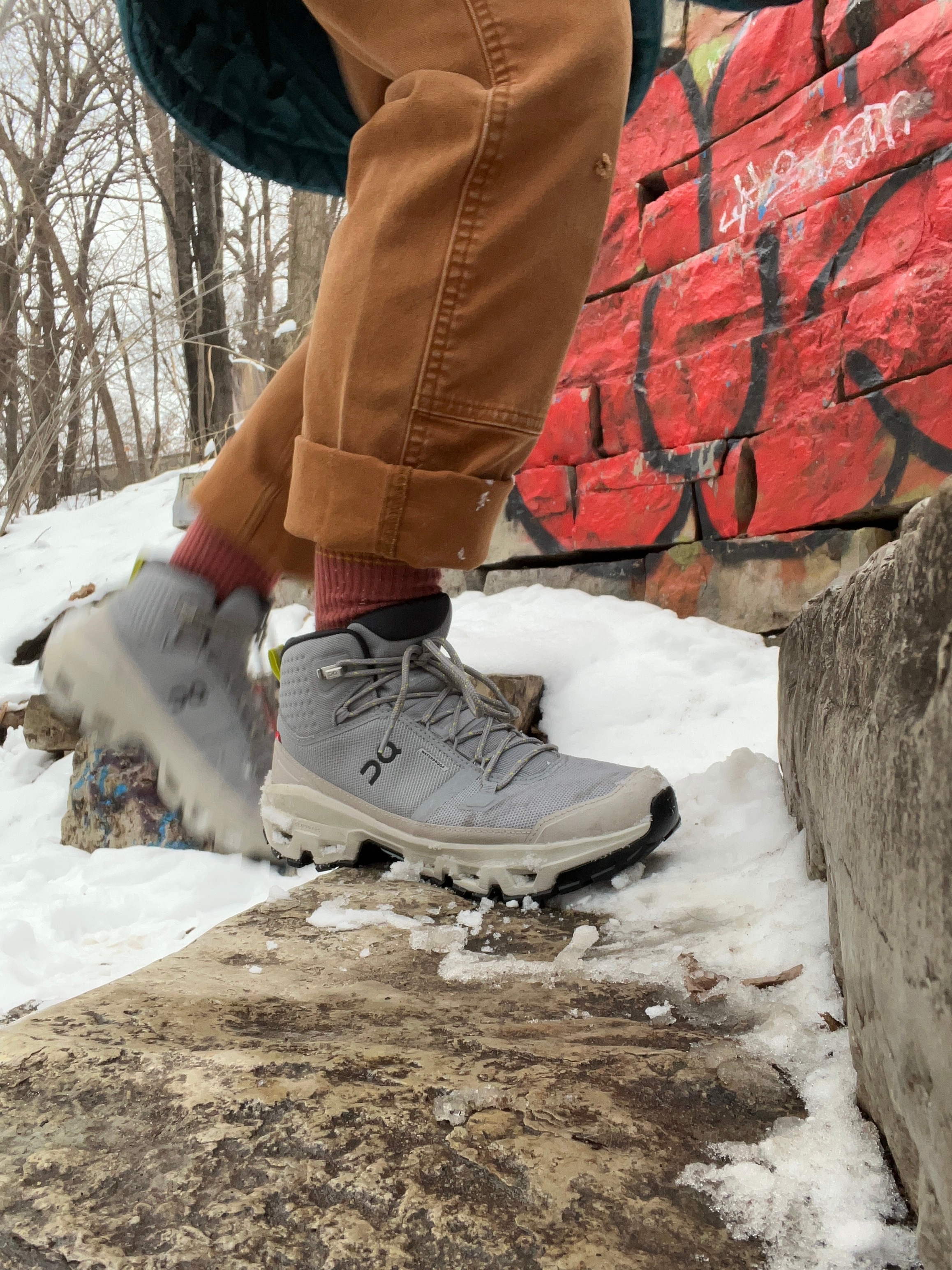
Armed with this knowledge, how do you choose? First, define your primary use. Is it urban walking, day hiking, or multi-day backpacking? Second, know your foot. Visit a specialty store for a gait analysis if possible. Understand your arch type (neutral, low, or high) and any pronation tendencies. Third, prioritize fit above all else. A perfectly spec’d shoe that doesn’t fit your foot is a bad shoe. Try them on with the socks you intend to wear and walk on an inclined surface if the store has one. Fourth, consider the climate. Waterproof membranes are a boon in wet, cold conditions but can be less breathable in heat. Finally, think about value. A higher initial investment in a well-constructed pair from a reputable brand often yields a lower cost per mile and a vastly better experience. Look for end-of-season sales, manufacturer refurbished programs, or reputable online retailers for discounted prices on previous-year models, which often offer nearly identical technology at a significant saving.
Voices from the Trail: Perspectives on Performance
Objective data is vital, but lived experience provides compelling testimony. On platforms like YouTube, certified gear testers like “Darwin onthetrail” provide long-term durability reviews, putting 500+ miles on shoes to see how midsoles and uppers hold up. His findings often reveal which comfort technologies stand the test of time. Similarly, renowned mountaineer and author Andrew Skurka has extensively written about footwear for expedition travel, stating:
“Footwear is the most important piece of gear you’ll buy. It’s the interface between you and the ground. Compromise here, and you compromise your entire journey.”
This sentiment echoes across hiking forums on Reddit and Quora, where the consensus is that investing in the right shoes for hiking and walking is non-negotiable. User reports consistently show that models successfully blending cushioning like HOKA’s meta-rocker geometry with durable Vibram Megagrip outsoles receive the highest praise for long-distance comfort and reliability.
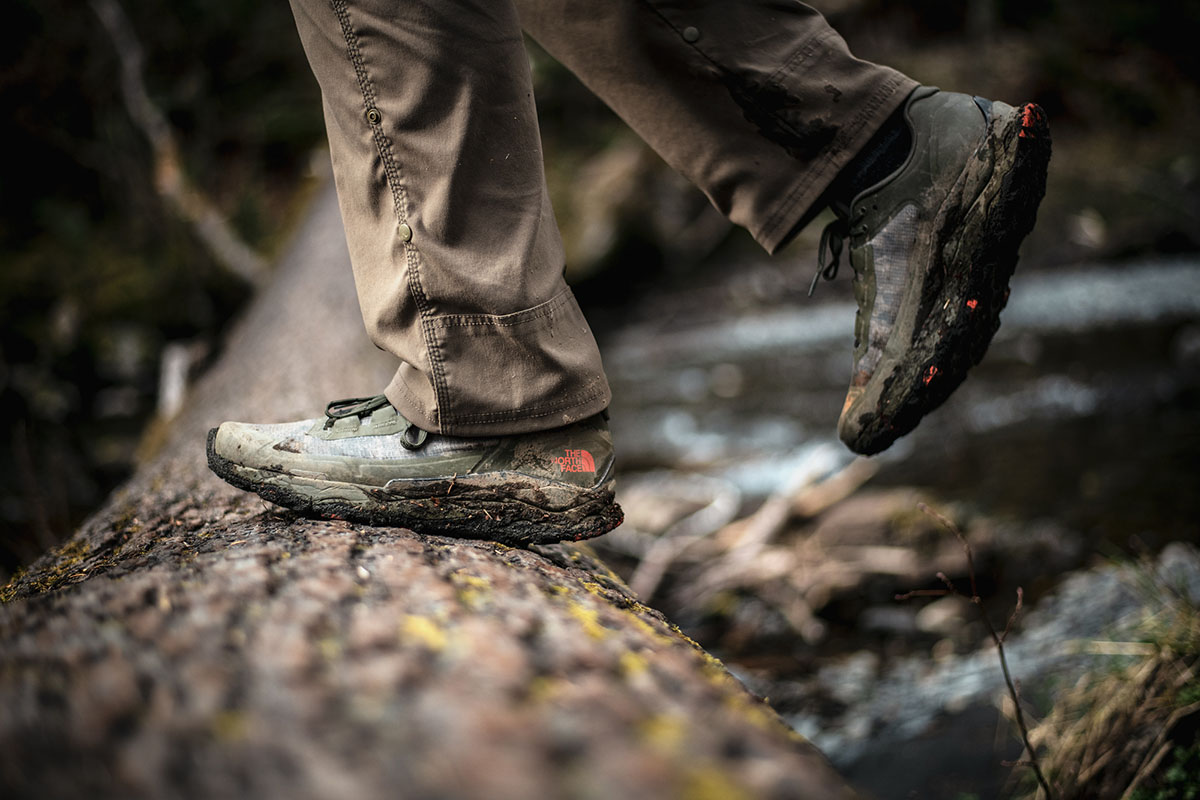
The journey toward finding the ideal footwear is a personal one, but it is guided by universal principles of biomechanics, material science, and design integrity. The perfect pair of shoes for hiking and walking does not force a trade-off between comfort and durability; instead, it represents their intelligent integration. It is a tool that protects and propels, allowing the wearer to move with confidence, efficiency, and joy across any landscape. By prioritizing informed selection based on your needs and the technologies that truly deliver, you step into more than just shoes—you step into better adventures.
