

Your Ultimate Guide to Saucony Walking Shoes
Embarking on a journey toward consistent, healthful walking requires more than just willpower; it demands the right equipment. At the foundation of this endeavor is a pair of shoes engineered not merely for movement, but for the specific, repetitive biomechanics of walking. This guide delves into the world of Saucony walking shoes, a brand synonymous with innovation and runner-centric design, now expertly applied to the walking community. We will navigate through the scientific principles of footwear design, the tangible benefits of choosing a dedicated walking shoe, and how Saucony’s specific technologies translate into comfort, durability, and performance for every stride you take. By the end, you will possess a clear, evidence-based framework for selecting the footwear that transforms walking from a simple activity into a sustained, joyful practice.
The Biomechanical Foundation: Why Walking Shoes Are Not Running Shoes
The common misconception that any athletic shoe suffices for walking overlooks fundamental biomechanical differences. Walking is a gait cycle where one foot is always in contact with the ground, involving a heel strike, a rolling motion through the midfoot, and a final push-off from the toes. This creates distinct pressure points and motion patterns compared to running, which includes a flight phase and generates significantly higher impact forces. According to research from the University of Calgary’s Human Performance Laboratory, the loading rate and distribution across the foot’s plantar surface differ markedly between the two activities. A running shoe is designed to mitigate high-impact shock at heel strike, often featuring pronounced heel cushioning and aggressive midsole geometries for propulsion. A dedicated Saucony walking shoe, however, prioritizes a smoother roll-through from heel to toe. It emphasizes stability through the midfoot phase to control the longer period of single-leg support and offers flexible forefoot construction to facilitate the walking-specific push-off. Using a running shoe for extended walking can lead to inefficiency, discomfort, or even injury, as the shoe’s design may encourage a gait pattern it wasn’t engineered to support. Therefore, the first step in your journey is recognizing that the tool must match the task, and for walking, that tool is a shoe built from the ground up for that singular purpose.

Deconstructing Saucony’s Technological Edge
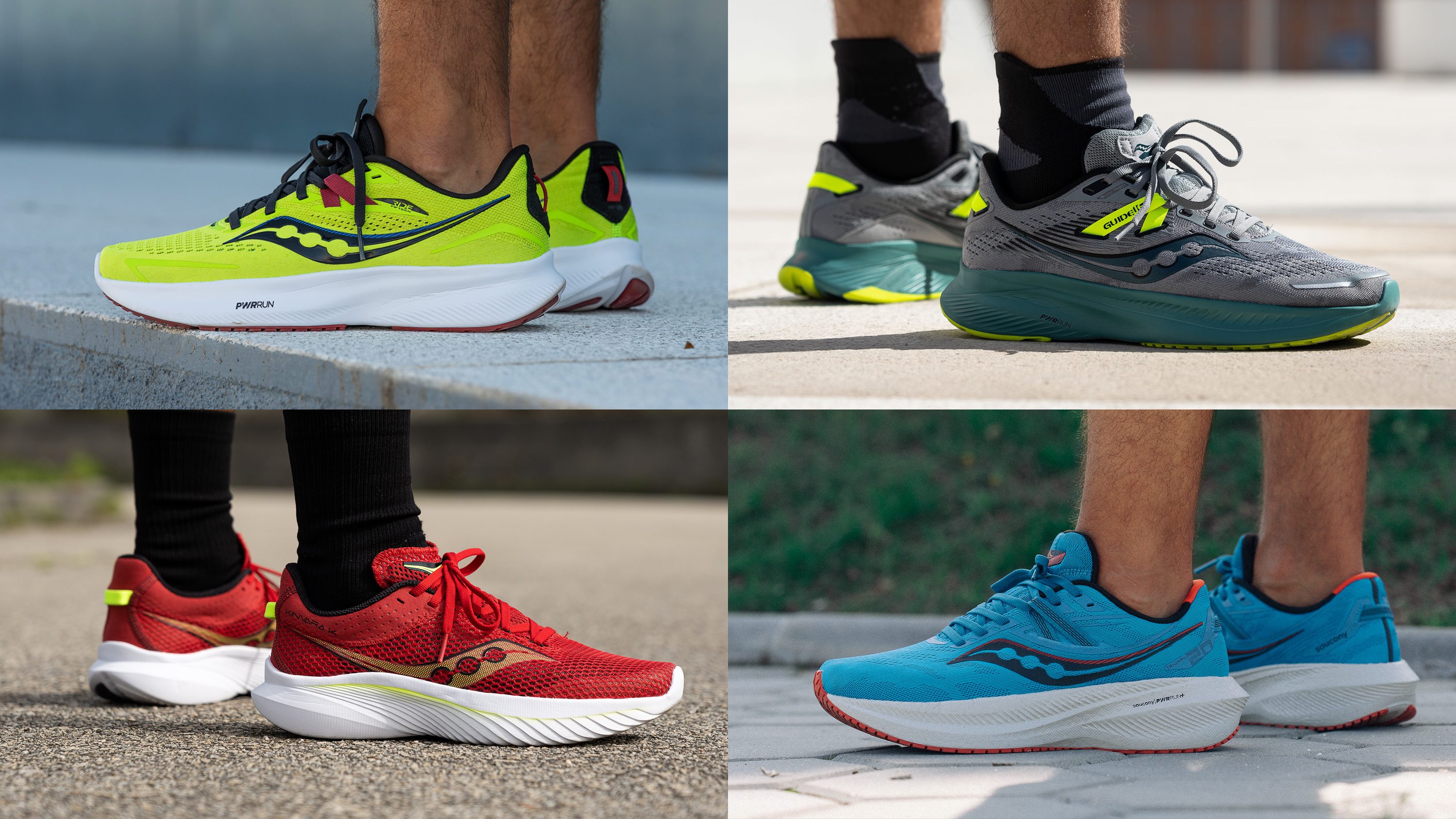
Saucony’s heritage in performance footwear is built upon a portfolio of proprietary technologies, each serving a specific biomechanical function. When evaluating a Saucony walking shoe, understanding these core components is crucial. First, the midsole foam is the heart of cushioning and responsiveness. Saucony’s PWRRUN and PWRRUN+ foams, as cited in analyses by experts like Dr. Matt Ferguson on YouTube channel “Doctors of Running,” offer a balance of soft landings and energetic return. This means they absorb shock without feeling mushy, providing a springy sensation that can reduce muscular fatigue over miles. Second, the guidance and stability systems are paramount. Technologies like the FORMFIT contour design create a dynamic, adaptive fit that cradles the foot, while medial posts or broader bases in certain models help control overpronation—the inward rolling of the foot common in walkers. Third, the outsole design focuses on durability and traction. Durable rubber compounds like XT-900 are placed in high-wear areas, ensuring the shoe lasts through hundreds of miles of pavement contact. As noted in a Runner’s World laboratory review, this strategic placement directly correlates with long-term value. Finally, the upper construction utilizes engineered meshes for breathability and structured overlays for support, ensuring your foot remains secure and cool. This multi-layered technological approach isn’t marketing jargon; it’s a systematic application of material science to solve the specific physical challenges of walking.

From Persona to Product: Selecting Your Ideal Saucony Walking Shoe
Your walking style, foot morphology, and intended use are the filters through which you should view Saucony’s lineup. Let’s apply a persona-based framework. Are you a stability-focused walker? You might experience mild to moderate overpronation. For you, a model like the Saucony Guide incorporates a supportive medial post and structured cushioning to align your gait. The philosophy here aligns with the principles of podiatry, where controlling excessive motion is key to preventing joint stress. Are you a neutral-cushioning seeker? If you have a efficient, neutral stride and prioritize plush comfort, the Saucony Echelon or Triumph series, with their full-bed of PWRRUN+ foam, offer a luxurious, protective feel underfoot. Think of it as the difference between a supportive mattress and a plush pillow-top—both are comfortable, but they serve different needs. Are you a long-distance or fitness walker covering significant mileage? Weight and energy return become critical. Saucony’s Kinvara or Ride models, often lighter and more responsive, can reduce leg fatigue. The concept of “energy cost” in biomechanics, discussed in literature from Harvard University’s Skeletal Biology Lab, suggests that even minor reductions in shoe weight or improvements in rebound can lower the metabolic cost of movement. By honestly assessing which persona you align with, you move beyond subjective preference to an objective, needs-based selection.
The Verdict from the Field: User Experiences and Expert Opinions
Beyond specifications, real-world validation is essential. Aggregating perspectives creates a robust picture. On platforms like the /r/walking subreddit and dedicated walking forums, consistent praise for Saucony walking shoes centers on their durability and “out-of-the-box” comfort. One long-term user noted, “My Saucony Excursions lasted through two years of daily dog walks where previous brands disintegrated in one.” This anecdote underscores the value proposition of quality construction. From an expert standpoint, certified pedorthists often reference Saucony’s consistent fit profiles and reliable stability features when making recommendations to clients managing plantar fasciitis or mild arthritis. As one professional stated in a Q&A session for the American Board for Certification in Orthotics, Prosthetics and Pedorthics, “For the recreational walker seeking off-the-shelf support, brands with a heritage in biomechanics, like Saucony, often provide a safer starting point than fashion-oriented brands.” Furthermore, analysis from websites like “RunRepeat,” which compiles thousands of user and expert reviews into data-driven scores, frequently places Saucony models high in categories like “value for money” and “comfort.” This confluence of crowd-sourced experience and professional endorsement forms a powerful testament to the brand’s efficacy in the walking domain.
Investing in Your Stride: Value, Care, and the Next Step
Acquiring the right shoe is an investment in your health, and maximizing that investment involves smart purchasing and proper care. While premium Saucony walking shoes often retail between $120 and $160, significant value can be found. Consider purchasing previous model years, which offer nearly identical technology at a discount of 30-50% as new colorways are released. Authorized online retailers and seasonal sales are excellent opportunities. To care for your investment, rotate between two pairs if possible, allowing the midsole foam to fully rebound between uses, a practice recommended by shoe longevity experts. Clean uppers with a soft brush and mild soap, and avoid direct heat when drying. Most importantly, monitor the shoe’s lifespan. The cushioning and support materials degrade with mileage, not just visible wear. A common guideline from physical therapists, as shared on Quora by a licensed professional, is to replace walking shoes every 300-500 miles. If you start experiencing new aches in your feet, knees, or hips, your shoes may have passed their functional prime, even if the outsole looks intact.

The path to a more active, healthier life is paved step by step. The choice you make in footwear is the most critical equipment decision on that path. Saucony walking shoes represent a synthesis of decades of biomechanical research, material innovation, and user-focused design, offering a tailored solution for the dedicated walker. By understanding the science behind the shoe, aligning a model with your personal biomechanics, and leveraging both expert insights and community wisdom, you equip yourself not just with footwear, but with a tool for sustained well-being. Your journey begins with informed intention—let your next step be taken in a shoe built for the purpose.
