

The Ultimate Guide to Walking Shoes That Combine Comfort and Fashion
For decades, the world of footwear has been segmented into two distinct camps: the purely functional and the purely aesthetic. On one side, you have the technical, often bulky, shoes designed for performance, and on the other, the stylish, often unforgiving, shoes designed for a statement. This division has forced us into a compromise, sacrificing one essential quality for the other. But what if this compromise is unnecessary? The modern landscape of footwear design has evolved to dismantle this false dichotomy. Today, we stand at the intersection where biomechanical engineering meets contemporary design, proving that the most supportive shoe for walking can also be the most compelling piece in your wardrobe. This guide is dedicated to exploring that intersection, providing you with the knowledge to select footwear that honors the intricate mechanics of your stride without asking you to abandon your personal style. The era of choosing between comfort and fashion is over; the new imperative is to find shoes that masterfully deliver both.
The Biomechanics of the Stride: Why Your Shoes Matter
Every step you take is a complex orchestration of bones, muscles, and tendons. When you engage in shoe walking, the footwear you choose becomes the primary interface between your body and the ground, influencing everything from joint alignment to energy expenditure. According to research from the American Podiatric Medical Association, improper footwear can contribute to a host of issues, including plantar fasciitis, shin splints, and knee pain. The fundamental role of a walking shoe is to facilitate the gait cycle—heel strike, midstance, and toe-off—while providing stability and cushioning. A 2018 study published in the Journal of Foot and Ankle Research emphasized that shoes with adequate arch support and a flexible forefoot can significantly reduce the metabolic cost of walking, making movement more efficient. This isn’t merely about comfort; it’s about the long-term health of your musculoskeletal system. When we talk about shoe walking, we are discussing an activity that, when supported correctly, can be a cornerstone of lifelong mobility and wellness. Ignoring the biomechanical requirements in favor of a fleeting trend is a disservice to the body’s engineering. Therefore, understanding these principles is the first step toward making an informed choice that serves both form and function.
:max_bytes(150000):strip_icc()/woman-feet-running-on-road-closeup-on-shoe--young-fitness-women-runner-legs-ready-for-run-on-the-road--sports-healthy-lifestyle-concept--1192508928-4ad65578a5b64bfe95d29e3182fbb398.jpg)
Decoding Shoe Anatomy: The Pillars of Comfort
Midsole Cushioning: The Shock Absorber
The midsole is the heart of a walking shoe’s comfort, acting as the primary shock absorber. Materials like EVA (ethylene-vinyl acetate) foam, polyurethane, and newer technologies like Adidas’s Boost or Nike’s React foam are engineered to compress upon impact, dissipating the force that would otherwise travel up your legs. The goal is not simply softness, but responsive cushioning—a material that compresses and then rebounds, returning energy to your stride. As Dr. Casey Kerrigan, a former Harvard Medical School professor and founder of a biomechanics-focused footwear company, once stated in an interview, “Cushioning is not about creating a pillow; it’s about managing the transient forces of gait to promote a more natural and efficient motion.” This scientific perspective shifts the focus from subjective “softness” to objective performance. For the dedicated practitioner of shoe walking, the midsole’s quality determines fatigue levels and impact stress over miles. A well-cushioned midsole makes a five-mile urban exploration feel markedly different from the same distance in unsupportive flats, protecting joints and encouraging longer, more frequent activity.
Arch Support and Last Design: The Foundation of Stability
Arch support is arguably the most critical and most misunderstood element. The “last” is the three-dimensional mold around which a shoe is built, and its shape determines the shoe’s internal volume and arch profile. A proper last accommodates the natural contour of your foot, providing support along the medial arch to prevent overpronation (excessive inward rolling) or supination (outward rolling). Wikipedia’s entry on “Footwear” notes that “corrective shoes” with specific lasts have been used for centuries to address gait abnormalities. Today, this concept is refined for everyday wear. Brands like ASICS and Brooks employ extensive biomechanical data to design lasts that cater to different foot types. For instance, a person with flat feet requires a shoe with a straighter last and substantial arch support to guide the foot into a neutral position, while someone with a high arch may need a curved last with cushioning to absorb shock. This isn’t a niche concern; effective arch support distributes weight evenly, reduces strain on the plantar fascia, and is fundamental to comfortable shoe walking. Ignoring this is like building a house on an uneven foundation—eventually, the structure will show signs of stress.
The Aesthetic Evolution: When Fashion Embraces Function
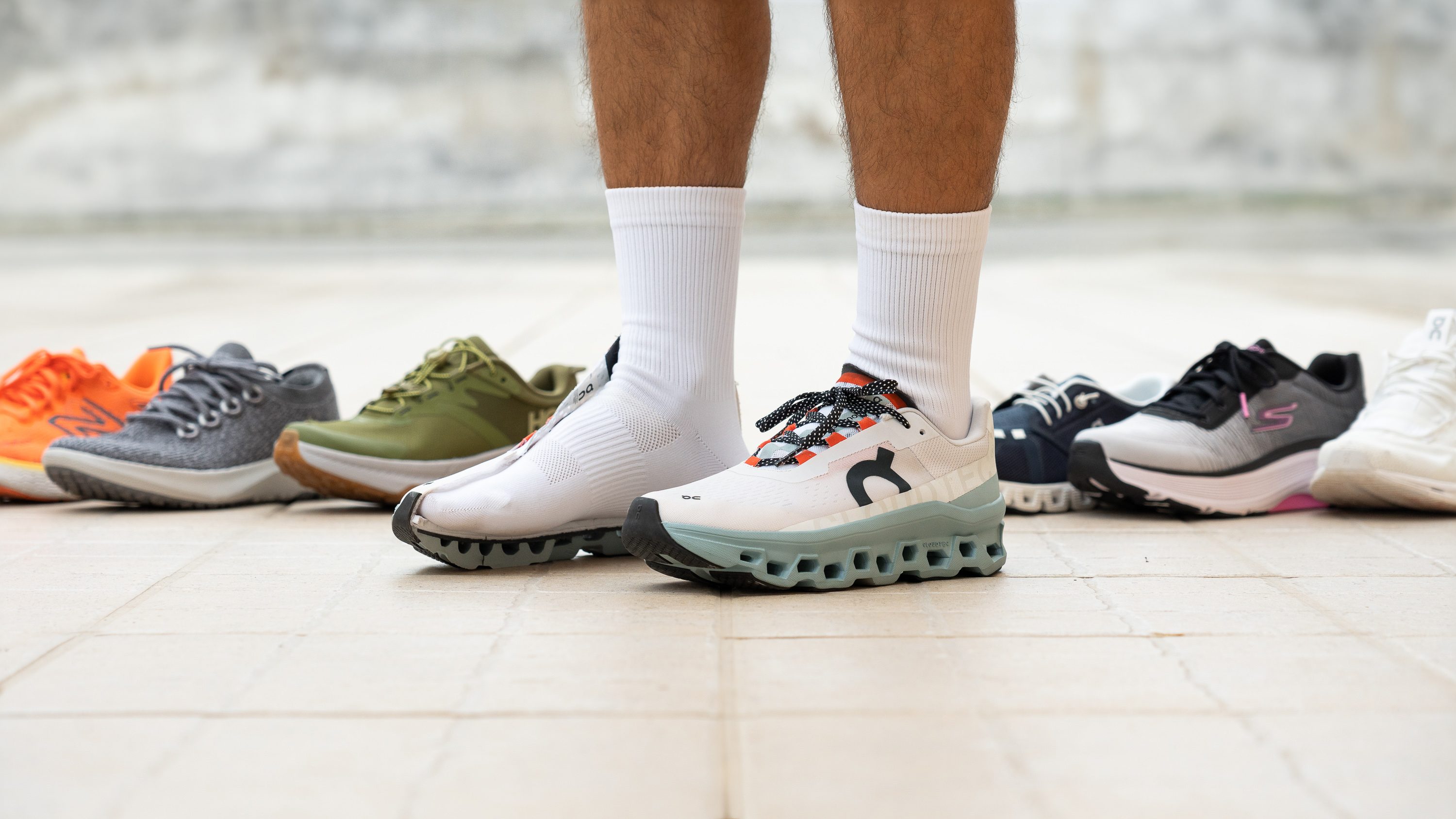
The perception of “comfort shoes” as frumpy or orthopedic is a relic of the past. A seismic shift has occurred, driven by consumer demand and innovative design. High-fashion runways and streetwear trends have enthusiastically incorporated technical elements. The “ugly sneaker” trend, popularized by brands like Balenciaga and embraced by high-profile figures on platforms like Twitter and Instagram, demonstrated that chunky soles and pronounced ergonomic shapes could be desirable fashion statements. This cultural acceptance has trickled down to mainstream brands, liberating designers to integrate performance features openly. Memory foam insoles, breathable knit uppers, and stability plates are no longer hidden; they are highlighted as key selling points. As renowned designer Tinker Hatfield, the mind behind many iconic Nike Air Max models, famously said, “Design should be honest. It should reflect what the product is meant to do. A great walking shoe can look like what it is—a tool for movement—and still be beautiful.” This philosophy is now widespread. You can find walking shoes with sleek, minimalist profiles made from premium materials like suede and recycled textiles, proving that ethical production, visual appeal, and biomechanical support are not mutually exclusive. The act of shoe walking is now complemented by footwear that you are proud to wear from a coffee shop to a casual meeting, eliminating the need for a change of shoes and integrating wellness seamlessly into your daily aesthetic.
Key Considerations for Your Perfect Pair
Selecting the ideal walking shoe is a personal journey, but it should be guided by specific, objective criteria. First, analyze your gait. Many specialty running stores offer free gait analysis, which can identify your pronation pattern. Second, prioritize fit over size. Your feet swell throughout the day, so shop for shoes in the afternoon or evening. There should be about a thumb’s width of space between your longest toe and the end of the shoe. Third, consider the “drop” or offset—the height difference between the heel and forefoot. A lower drop (0-6mm) can promote a more natural foot strike but may require an adjustment period, while a higher drop (8-12mm) is common in traditional walking shoes and may offer relief for Achilles tension. Fourth, examine the outsole. Durable rubber with a flexible groove pattern ensures longevity and traction, whether you’re on pavement, gravel, or indoor surfaces. Finally, do not underestimate the importance of the upper. Materials should be breathable and adaptable, like engineered mesh or soft leather, to prevent hotspots and blisters during extended periods of shoe walking. By methodically evaluating these elements, you move beyond marketing claims and make a choice grounded in the reality of your body’s needs and your lifestyle’s demands.

Investing in Longevity: The Cost-Per-Wear Equation
A common hesitation in purchasing high-quality walking shoes is the upfront cost. However, this perspective overlooks the critical cost-per-wear equation and the potential medical costs of inferior footwear. A well-constructed shoe from a reputable brand, often available at a discounted price during seasonal sales or through certified retailers, might carry a higher price tag but is built with superior materials and construction techniques that extend its lifespan. The Verywell Fit website, a trusted resource in the health and fitness space, recommends replacing walking shoes every 300 to 500 miles, as the midsole cushioning loses its resiliency long before the outsole shows visible wear. A $150 shoe that lasts for 500 miles represents a cost of $0.30 per mile. Compare this to a $60 shoe that breaks down or loses support after 200 miles, costing $0.30 per mile as well but requiring replacement more than twice as often, not to mention the increased risk of discomfort or injury. Investing in quality is an investment in consistency and protection. Furthermore, many premium brands now offer models directly inspired by their performance lines but priced for the everyday consumer, bringing professional-grade technology within reach. The savvy shopper looks for these opportunities, understanding that the true value of a shoe for walking is measured in miles of support, not just the number on the price tag.
:max_bytes(150000):strip_icc()/when-should-i-replace-my-walking-shoes-3436325-0801-7a1840d83573471092e0380f9e230ecc.jpg)
Synthesizing the Journey: Your Path Forward
The quest for the perfect walking shoe is a meaningful one, bridging the gap between self-care and self-expression. It requires dismissing the outdated notion that you must choose between what feels good and what looks good. The evidence is clear: from biomechanical research to the statements of industry pioneers and the visible trends on city streets, footwear has evolved. You now have the permission and the tools to demand both. Use the principles outlined here—understand your gait, respect the anatomy of a shoe, appreciate the fusion of design and technology, and calculate value over time. Let this knowledge empower your next purchase. Step into shoes that don’t ask you to compromise, but instead, enhance every aspect of your journey. The path of shoe walking awaits, and it deserves to be traveled in footwear that celebrates every step in comfort and style.
