

The Ultimate Guide to Saucony Walking Shoes
Embarking on a journey toward consistent walking, whether for fitness, commuting, or mental clarity, demands a foundation of proper equipment. The single most critical piece of that equipment is your footwear. It is not merely about cushioning; it is about engineering that understands biomechanics, materials science, and the nuanced demands of the human gait. This guide posits that selecting the right walking shoe is a deliberate act of self-care, and within that realm, Saucony walking shoes represent a synthesis of heritage innovation and modern podiatric science. We will move beyond marketing claims to dissect the objective reasons why these shoes have garnered a dedicated following, providing you with the knowledge to make an informed choice that supports your stride, mile after mile.
The Biomechanical Foundation: Why Your Walk Demands Specialized Shoes
Walking is a deceptively complex activity. Unlike running, which involves a flight phase, walking always maintains at least one foot in contact with the ground, creating a distinct “double support” phase. This results in a force distribution pattern that, while generally lower in peak impact than running, is applied over a longer duration of ground contact. According to research from the University of Virginia’s Motion Analysis and Motor Performance Laboratory, the subtalar joint in the foot undergoes significant pronation (inward roll) during the walking gait cycle to absorb shock. A shoe that does not accommodate or support this natural motion can lead to a chain reaction of discomfort, from plantar fasciitis to knee and hip stress. This is where the design philosophy of a dedicated Saucony walking shoe becomes relevant. They are not merely repurposed running shoes; their lasts (the foot-shaped form over which the shoe is built), cushioning densities, and flex points are often tuned specifically for the walking gait’s slower heel-to-toe transition and longer stance phase. The objective is to provide stability through the full roll-through motion, a principle supported by podiatric literature which emphasizes midfoot integrity for overuse injury prevention in walkers.
Decoding Saucony’s Core Technologies: PWRRUN, FORMFIT, and Guidance
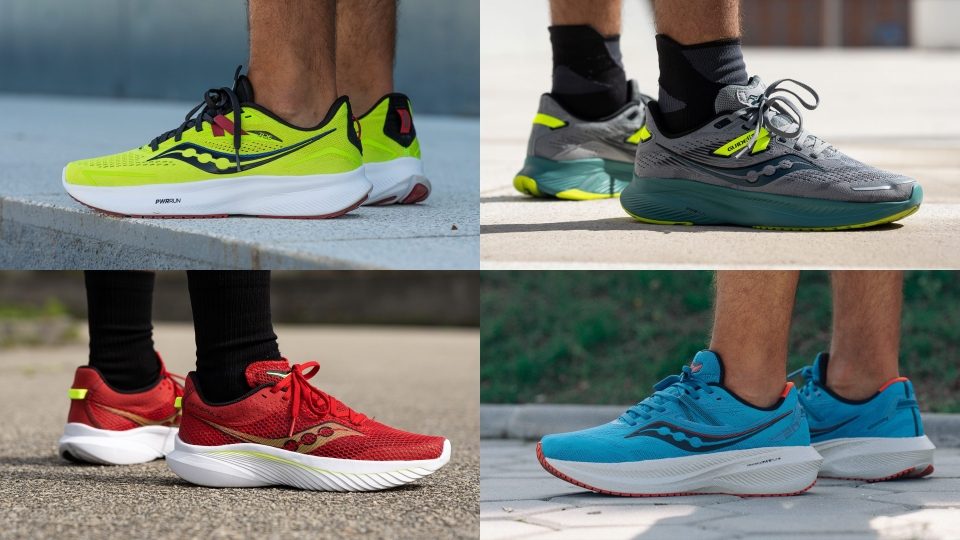
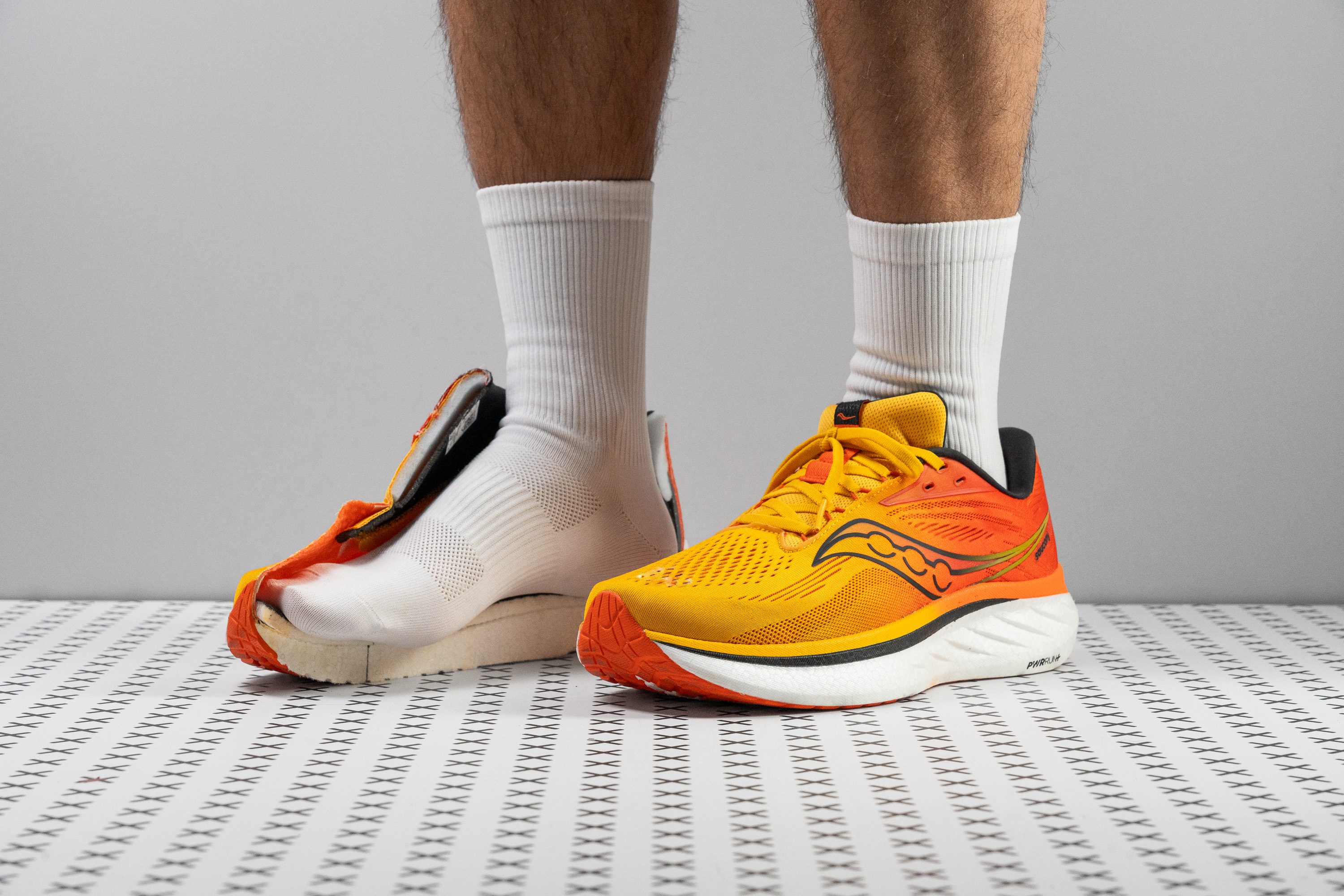
To understand the value proposition of a Saucony walking shoe, one must examine its technological pillars. First is the cushioning system, often embodied in Saucony’s PWRRUN foam. As explained in material science reviews on platforms like Runner’s World, PWRRUN is engineered for a specific balance of softness and responsiveness. It compresses to dissipate impact energy (the vertical force) but also rebounds efficiently to aid in propulsion, reducing muscular fatigue in the calf and foot over long distances. This differs from purely soft foams that may “deaden” the stride. The second pillar is fit, encapsulated in Saucony’s FORMFIT concept. This is a three-dimensional approach: a secure heel (depth), a snug midfoot (width), and ample room in the forefoot (length). This design acknowledges that feet swell during activity, a point famously highlighted by long-distance hiker and author Andrew Skurka in his gear critiques. A FORMFIT design in a walking-specific model aims to prevent blisters and hot spots by accommodating natural foot expansion without sacrificing stability. The third pillar is the Guidance System. This isn’t about rigid control but about strategic support. Through a combination of internal heel counters, midfoot arch designs, and outsole geometry, the shoe guides the foot through an efficient pronation-supination cycle. Think of it as the shoe working in concert with your foot’s anatomy, a principle echoed by sports medicine professionals on channels like The Gait Guys on YouTube, who stress the importance of footwear that assists, rather than overrides, natural movement patterns.

A Comparative Lens: Saucony in the Landscape of Footwear Brands
Placing Saucony walking shoes in context clarifies their unique position. Brands like Brooks and New Balance also offer excellent walking models, often focusing on plush comfort and wide fit options. Hoka One One is renowned for maximal cushioning. Saucony, however, frequently carves a niche with what industry analysts on sites like WearTesters call a “balanced” or “connected” ride. The sensation is less about floating on a cloud (which can sometimes reduce proprioception, or foot-ground awareness) and more about a firm, reliable, and energetic platform. This aligns with the philosophy of noted biomechanist Dr. Casey Kerrigan, whose research has suggested that overly cushioned shoes may inadvertently increase joint loading by altering gait mechanics. Saucony’s heritage as a running brand founded in 1898 means its walking models benefit from decades of iterative athletic footwear development. This historical depth of knowledge, combined with modern materials, creates a product that feels both classic and contemporary. It is a synthesis evident when comparing user reviews on platforms like Reddit’s r/walking, where Saucony is often praised for durability and all-day support over many other brands that may prioritize initial softness over long-term resilience.
Selecting Your Ideal Pair: A Framework for Decision-Making
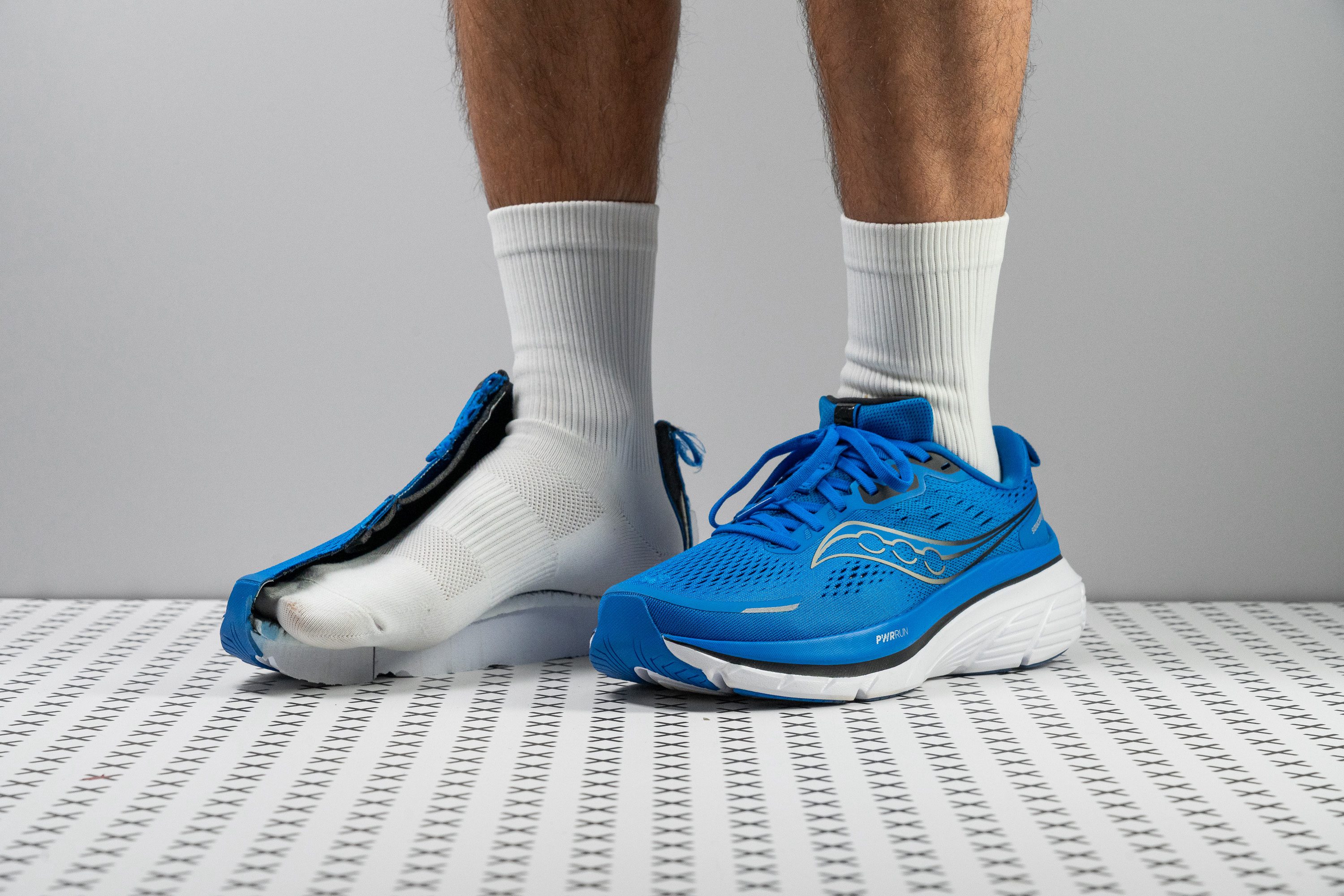
With an understanding of the underlying principles, how does one choose? The decision matrix should be based on your personal biomechanics, walking environment, and volume. First, assess your arch type and wear pattern on old shoes. A worn-down inner edge suggests overpronation, where a shoe with more structured guidance, like the Saucony Guide, would be advantageous. A neutral wear pattern opens the door to more flexible, neutral models like the Saucony Ride. Second, consider terrain. For primarily paved surfaces, a shoe with durable rubber compounds in high-wear areas (like the outsole’s heel and forefoot) is key. For mixed paths, look for a slightly more lugged outsole for grip, though a dedicated trail walking shoe is a different category. Third, think about distance and frequency. A high-volume walker (e.g., 10,000+ steps daily) will benefit most from the highest-grade PWRRUN+ foam or similar, which offers better long-term compression resistance. As the famous walking advocate and author of “The Walk,” Robert A. Caro, might imply, the right tool allows the journey itself to become the focus, not the discomfort. Investing in a shoe that matches your specific profile is an investment in the sustainability of your practice.
Beyond the Shoe: Integrating Footwear into a Holistic Walking Practice
The perfect Saucony walking shoe is a catalyst, not a cure-all. Its performance is maximized when paired with conscious habits. This includes proper sizing—always fit shoes in the afternoon when feet are at their largest, and ensure a thumb’s width of space beyond your longest toe. Pair them with moisture-wicking socks, a simple yet crucial tip endorsed by marathoners and dermatologists alike to prevent fungal issues. Furthermore, recognize that shoes are consumable goods. The American Podiatric Medical Association notes that the midsole foam, which provides cushioning and stability, breaks down long before the outsole is visibly worn, typically after 300-500 miles of use. Continuing to walk in degraded shoes negates their benefits and risks injury. Therefore, tracking your mileage and planning for replacement is part of the discipline. The shoe enables the activity, but the activity must be sustained by mindful practice. It is the interplay between engineered support and personal awareness that creates a lasting and rewarding walking routine, much like the interplay between a musician and a finely crafted instrument.
Value Proposition: Performance Meets Accessibility
Professional-grade performance need not command a prohibitive price. Saucony’s model lineup often includes previous generations of flagship shoes at significant discounts. For instance, while the latest Saucony Guide 18 may retail at a premium, the Guide 17, which contains 95% of the same core technology, can frequently be found at a fraction of the cost on reputable online retailers. This is a standard industry practice, but it represents a tremendous value opportunity for the informed consumer. The core technologies—PWRRUN foam, FORMFIT, and the Guidance System—evolve incrementally. Last year’s model provides exceptional, science-backed support. By seeking out these discounted prices on older models, you gain access to top-tier biomechanical engineering without the top-tier price tag. This democratizes quality footwear, aligning with the view expressed by fitness economists who argue that the most effective health interventions are those that are both efficacious and economically sustainable for the individual. Thus, your journey toward better health through walking is supported by both the shoe’s design and its accessible value.
Your path forward is defined by the steps you take, and each step is an interaction between your body and the ground. The intermediary in that interaction is your shoe. Choosing a Saucony walking shoe is to choose a partner built on a legacy of athletic precision, adapted for the specific, sustained rhythms of walking. It is an investment in the engineering that understands pronation, values durable comfort, and seeks to make each stride more efficient and less taxing. With the knowledge of how they work, why they differ, and where to find their best value, you are equipped to select a tool that will faithfully support your journeys, allowing your focus to remain on the path ahead, the rhythm of your breath, and the simple, profound act of moving forward.
