

Styling Black Low Heel Shoes for Every Season
In the ever-evolving landscape of fashion, few items possess the enduring versatility and quiet power of a pair of black low heel shoes. They are not merely footwear; they are a foundational statement, a sartorial anchor that provides both stability and style across the calendar’s turn. This exploration delves into how this singular item transcends seasonal trends, offering a blend of objective comfort, scientific support, and undeniable elegance that makes it a perennial wardrobe essential.
The Anatomical Advantage: Why Low Heels Work
To understand the supremacy of the low heel, one must first move beyond aesthetics to biomechanics. Unlike their sky-high counterparts, which shift the body’s weight forward onto the metatarsals and can lead to long-term issues like Morton’s neuroma or Achilles tendon shortening, a low heel offers a compromise. Podiatric literature, such as studies referenced by the American Podiatric Medical Association, suggests that a modest heel of one to two inches can actually reduce strain on the Achilles tendon compared to completely flat shoes, while maintaining a more natural foot position. This creates what ergonomics experts term a “neutral alignment,” minimizing stress on the knees, hips, and lower back. The black low heel shoe leverages this principle perfectly. Its design provides a subtle lift that elongates the leg line aesthetically, without forcing the foot into the precarious, destabilizing angles of stilettos. This scientific underpinning is the unsung hero of its comfort, allowing for prolonged wear whether navigating city pavements in spring or attending lengthy autumn gatherings. The color black, from a psychological perspective often associated with authority and sophistication (as noted in color theory texts from institutions like the University of California, Berkeley), compounds this effect, presenting an image of poised capability.

A Seasonal Chameleon: Spring and Summer Iterations
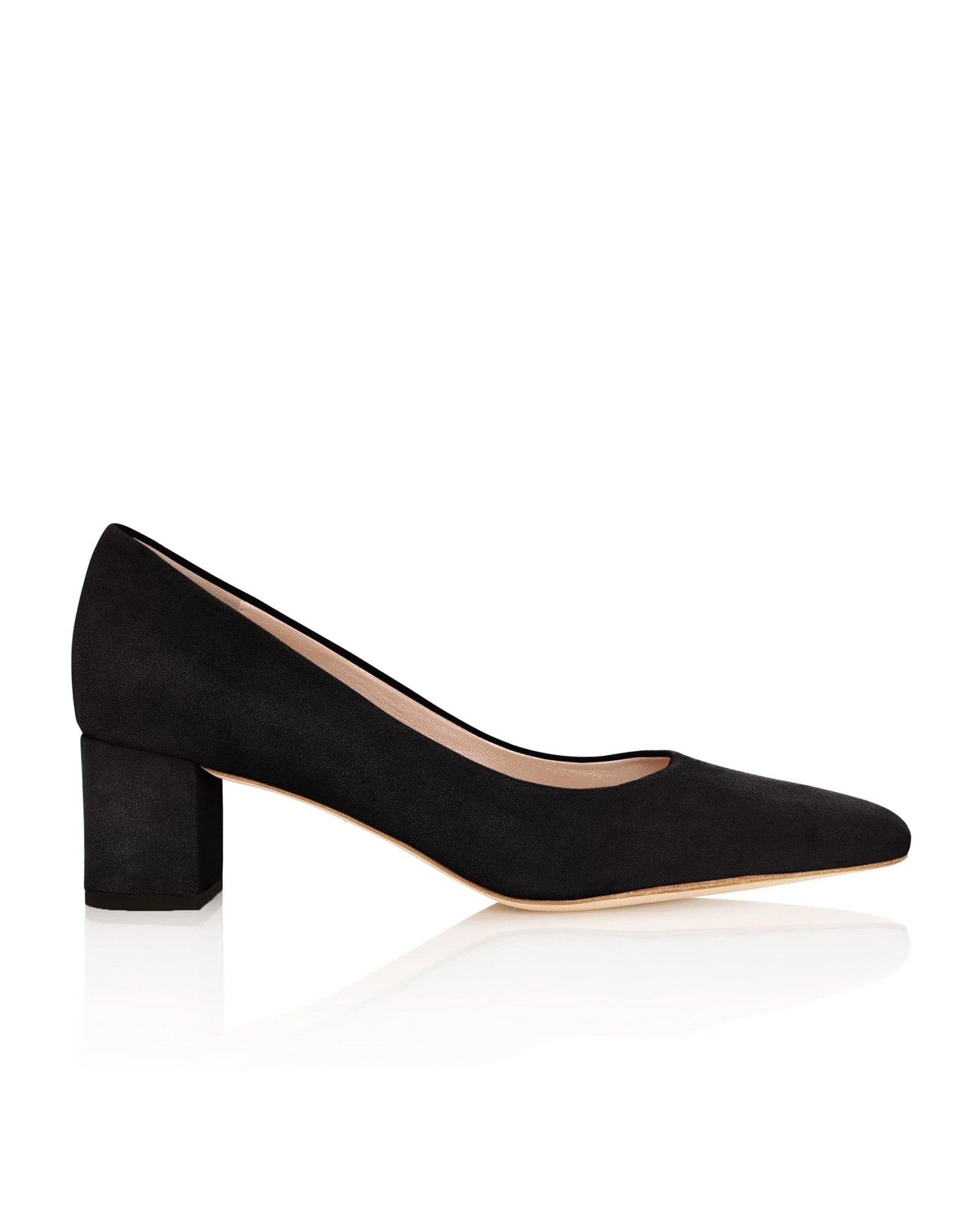
As winter’s grip loosens, the black low heel shoes effortlessly adapt. For spring, consider a sleek, pointed-toe pump in matte leather. Paired with a floral midi dress and a tailored blazer, it strikes a balance between feminine and formidable—a look championed by style icons like the Duchess of Cambridge, who often employs low-heeled pumps for polished public appearances. The pointed toe, a detail with roots in the medieval poulaine but popularized in the mid-20th century, adds a touch of sharp modernity. Transitioning into summer, the material shifts. A black low-heeled sandal, perhaps with delicate straps or a minimalist block design, becomes indispensable. Fashion historian Valerie Steele, in her book “Shoes: A Lexicon of Style,” notes the sandal’s enduring appeal as a symbol of revealed elegance. Here, the low heel ensures stability on uneven boardwalks or garden party lawns where a higher heel would sink. The versatility is echoed in online style forums like Quora, where fashion enthusiasts consistently recommend a black low-heel sandal as the “one summer shoe that goes from day to dinner.” Imagine it with wide-leg linen trousers and a simple silk shell for a breathable, chic ensemble, or with a crisp white sundress for timeless appeal.

The Fabric of Autumn: Texture and Transition
Autumn invites a richer dialogue with texture, and the black low heel shoe answers the call. This is the season for suede, velvet, or patent leather. A black suede low-heel ankle boot or loafer introduces tactile depth to an outfit. Suede, a napped leather, has a visual warmth perfect for cooler days, a fact often highlighted in seasonal trend reports from websites like Vogue or Harper’s Bazaar. Pair suede loafers with tailored wool trousers and a cozy cashmere sweater for an intellectual, off-duty model look. The low heel maintains a casual yet refined posture, suitable for both office environments and weekend outings. For evening, a velvet low-heel slingback offers unparalleled elegance. The play of light on the velvet pile creates a luxurious effect, reminiscent of Old Hollywood glamour—think of Audrey Hepburn’s sophisticated simplicity, which frequently featured low-heeled footwear for both style and practicality. As the author Holly Brubach wrote in “A Dedicated Follower of Fashion,” “The shoe completes the gesture of the clothes.” In autumn, the gesture is one of layered, sophisticated comfort.
Winter’s Foundation: Practicality Meets Polish
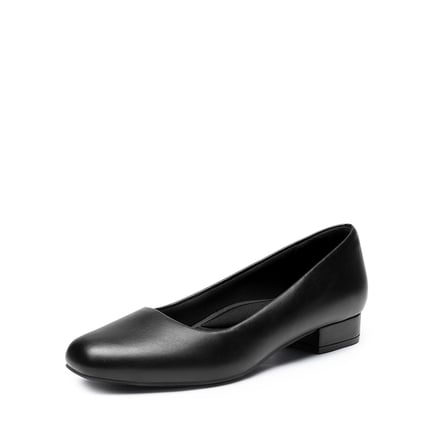
Winter demands practicality, but never at the expense of style. Here, the black low heel shoe evolves into sturdier forms. A black leather low-heel chelsea boot with a slight tread becomes a urban warrior’s essential. The elastic side panels, a functional invention of the Victorian era, allow for easy on-and-off, while the low, stacked heel provides crucial elevation from cold, wet ground. This aligns with the Scandinavian fashion philosophy of “functional beauty,” where every item must serve a purpose while being aesthetically pleasing. For more formal winter events, a closed-toe pump with a low, block heel in patent leather offers a weather-resistant shine. It pairs seamlessly with opaque tights and a wool crepe dress, ensuring one arrives poised and dry. The renowned stylist Rachel Zoe once tweeted, “Style is a way to say who you are without having to speak.” In winter, a well-chosen pair of black low-heeled boots or pumps says you are prepared, polished, and impervious to the season’s chaos.
Investment and Intelligence: The Cost-Per-Wear Calculus
Beyond seasonal styling lies the intelligent economics of the purchase. A quality pair of black low heel shoes represents a superior cost-per-wear investment. Unlike a trendy, high-fashion item that may last a single season, these shoes form a wardrobe cornerstone. Financial advice columns in publications like The Economist often extrapolate this principle beyond fashion, advocating for buying fewer, better-quality items. From a professional standpoint, understanding materials is key. Look for full-grain leather uppers, leather linings, and sturdy yet flexible soles (like leather or high-quality rubber). Renowned cobblers, such as those featured in The Gentleman’s Gazette, emphasize that these materials mold to the foot over time, increasing comfort and durability. While the initial outlay for such craftsmanship might be higher—perhaps in the $200-$400 range for a premium brand—consider the discount this represents over time. Worn twice a week across multiple years, the cost per wear plummets to mere pennies, a far wiser strategy than repeatedly buying cheap, uncomfortable shoes that need constant replacement. Many direct-to-consumer brands and seasonal sales offer access to these quality constructions at discounted prices, making the investment even more accessible.
“You can never take too much care over the choice of your shoes. Too many women think that they are unimportant, but the real proof of an elegant woman is what is on her feet.” — Christian Dior
From the biomechanically sound foundation to its chameleonic ability to reflect each season’s spirit, the black low heel shoe asserts itself not as a mere accessory, but as a tool for confident living. It is the quiet engine of a versatile wardrobe, a piece that supports you literally and figuratively through every meeting, event, and season’s change. Choosing the right pair is an act of self-knowledge, an investment in a future where style and sense walk steadily, and elegantly, in tandem.
