

How to Style 80s Sneakers for Modern Streetwear Looks
The resurgence of 80s sneakers is more than a fleeting trend; it’s a cultural reclamation. These shoes, born from a decade of bold experimentation in music, sport, and design, carry a distinct DNA of rebellion, color, and technical innovation. Integrating them into a contemporary streetwear wardrobe isn’t about costume play, but about harnessing their inherent architectural and historical weight to build looks that are both nostalgic and sharply current. This isn’t merely wearing old shoes; it’s about understanding their context and strategically deploying their unique characteristics—the chunky silhouettes, the often garish color-blocking, the use of now-vintage materials like nylon and suede—to create a dialogue between past and present. The goal is a look that feels intentional, knowledgeable, and effortlessly cool, proving that the best streetwear is built on a foundation of authenticity.
Deconstructing the Appeal: Why 80s Sneakers Work Now
To style 80s sneakers effectively, one must first grasp why they resonate so powerfully in the modern aesthetic landscape. The 1980s were a pivotal era for athletic footwear, marked by technological leaps and the rise of sneaker culture. Brands like Nike, Adidas, Reebok, and Puma were engaged in an “arms race” of cushioning, support, and style, leading to iconic designs such as the Nike Air Max 1 (1987), which, with its visible Air unit, literally changed the silhouette of shoes. As Dr. Elizabeth Semmelhack, Senior Curator of the Bata Shoe Museum, notes in her research, “The 1980s saw the sneaker transition from a purely functional athletic item to a potent symbol of identity, subculture, and aspiration.” This era birthed the concept of the “casual sneaker” for non-athletic use, a direct precursor to today’s streetwear ethos. The chunky, oversized proportions that defined many 80s sneakers provide a perfect counterbalance to the slim-fit and tailored trends that dominated the 2000s and early 2010s. In a fashion cycle that often reacts against what came immediately before, these substantial soles and padded tongues offer a sense of grounded volume and comfort that feels both fresh and rebellious. Furthermore, the maximalist color palettes—think electric blues, fiery reds, and acid yellows—align perfectly with the digital age’s appetite for high-impact, Instagram-ready visuals. They are not subtle, and in today’s streetwear, subtlety is often secondary to statement.

Foundation First: Mastering Silhouette and Proportion
The most critical rule when styling 80s sneakers is respecting proportion. Their inherent bulk demands a considered approach to the rest of your outfit. The wrong pairing can make you look bottom-heavy or disheveled; the right one creates a powerful, cohesive silhouette. The key is to balance the volume of the shoe. A fail-safe method is to opt for straight-leg or slightly tapered trousers. Denim, cargo pants, or tailored track pants that fall cleanly over the top of the sneaker create a clean line from hip to floor, allowing the shoe to be the star without cutting your leg off at the ankle. Avoid excessively skinny jeans that pool awkwardly around the large tongue and collar of the sneaker; this often accentuates the shoe’s size in an unflattering way. For a more avant-garde take, wide-leg trousers or cropped, baggy jeans can work brilliantly, but the top half of your outfit must then be more fitted to maintain balance. This principle of “volume play” is a cornerstone of modern high-fashion streetwear, as seen in collections from brands like Balenciaga and Vetements, who have frequently re-contextualized archival athletic silhouettes. Your top can range from a simple, well-fitted heavyweight tee or a vintage band shirt to a structured jacket. The goal is to create a visual anchor that prevents the look from being overwhelmed by the footwear. Remember, the 80s sneakers are a statement piece; let them breathe by keeping other elements relatively clean and structured.
Color Theory in Action: From Bold Blocking to Neutral Grounding
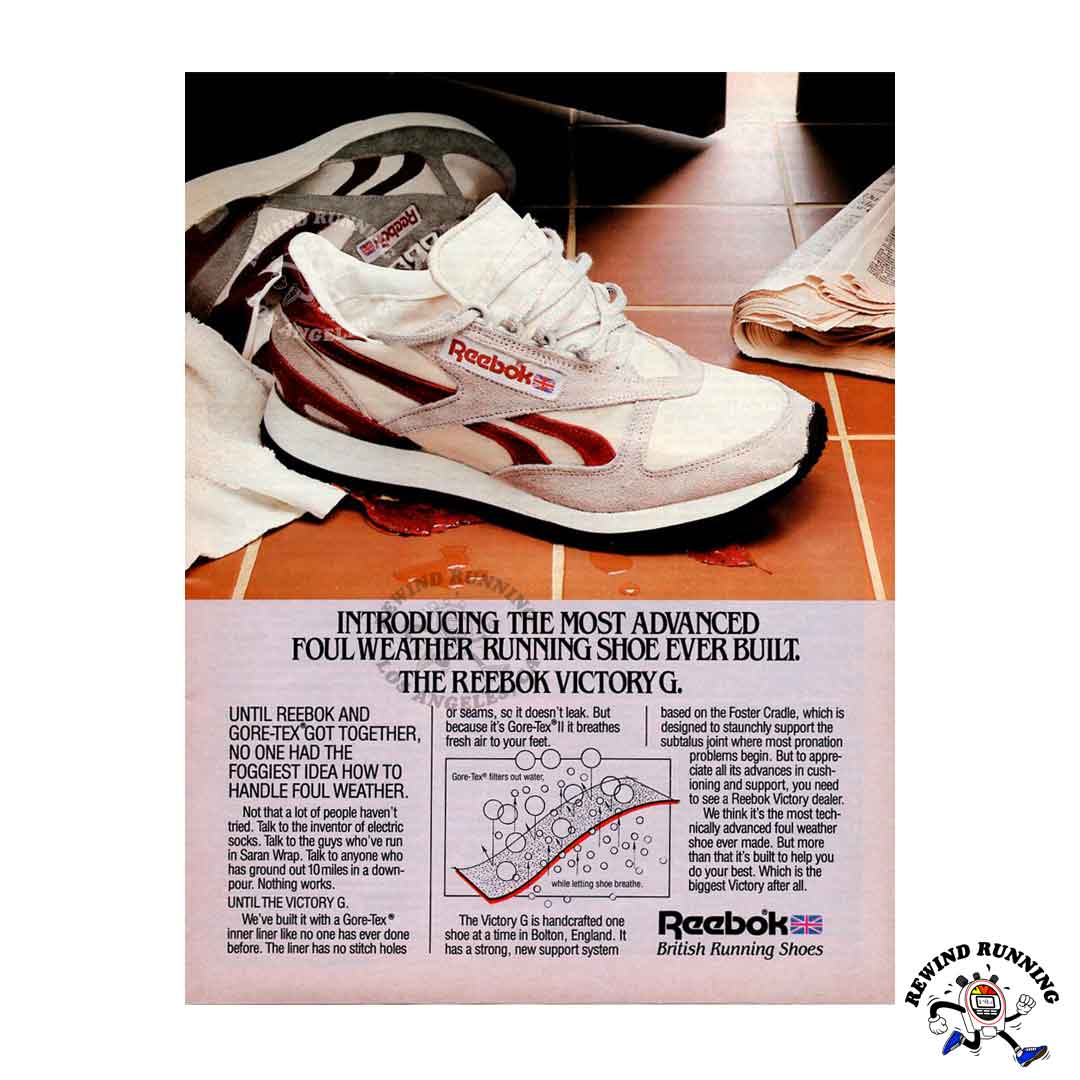
80s sneakers often come with a built-in color story. A pair of Reebok Ex-O-Fits or Nike Air Jordan 1s from the era can feature three or four high-contrast hues. You have two primary strategic paths: harmonize or neutralize. To harmonize, pick up one of the secondary colors from the sneaker’s palette and echo it in your clothing. A navy accent on the shoe’s heel could be matched with a navy cap or sock; a flash of crimson could be mirrored in a t-shirt graphic. This creates a cohesive, thoughtfully coordinated outfit that demonstrates a keen eye for detail. The second, and often more modern, approach is to use the sneakers as a explosive pop of color against a neutral canvas. Ground them with a monochromatic outfit in black, white, grey, beige, or olive. A head-to-toe black outfit of black jeans and a black sweater becomes a perfect minimalist backdrop for a pair of vibrantly colored 80s sneakers, making them the undeniable focal point. This technique is frequently employed by style influencers and celebrities, such as musician and fashion icon Tyler, The Creator, who often uses brightly colored, chunky vintage sneakers to punctuate otherwise subdued outfits. As he stated in an interview with GQ, “The shoes are the exclamation point. Let them yell, while everything else just talks.” This philosophy empowers you to wear even the most audacious color combinations without feeling costumed.
Beyond Jeans and Tees: Unexpected Pairings for High Impact
While the classic streetwear uniform is a reliable starting point, the true fashion potential of 80s sneakers is unlocked through more daring juxtapositions. The postmodern ethos of contemporary style thrives on mixing genres, and these sneakers are the perfect tool for that. Consider pairing them with tailored elements. A well-cut wool blazer, crisp oxford shirt, and pleated trousers, when combined with a pair of clean, white leather 80s sneakers (like the Adidas Continental Vulc or a Nike Cortez), creates a brilliant tension between formal and casual, intellectual and athletic. This “high-low” mixing is a signature of Italian style icon Gianni Agnelli and has been adopted by modern fashion houses globally. Another powerful combination is with technical wear—cargo pants, nylon shorts, or a utility vest. Since many 80s sneakers were designed as performance gear, they share a functional lineage with techwear. This creates a head-to-toe “gear” look that feels futuristic yet rooted in history. For a summer-ready outfit, try styling bold, color-blocked sneakers with tailored shorts and a oversized polo or rugby shirt. The key across all these pairings is confidence and a slight irreverence. The sneakers should feel like a deliberate, personal choice, not a default.
The Finishing Touches: Socks, Laces, and Care
The details make the outfit, and this is especially true with statement footwear. Your choice of socks can drastically alter the vibe. A thick, ribbed white sport sock pulled up high leans into the authentic, retro-athletic feel of the sneaker. A no-show sock creates a cleaner, more contemporary line, making the sneaker itself look more like a sculptural object. Patterned or logoed socks can add another layer of playful complexity. Don’t overlook laces. Swapping out original laces for a different color or material (like waxed flat laces or rope laces) is a quick, low-cost customization that can refresh an old pair and make it uniquely yours. Furthermore, maintaining your 80s sneakers is non-negotiable. Vintage or reissue, their condition speaks volumes. A clean, well-cared-for pair of sneakers, even if visibly worn, projects style and respect for the item. Invest in a good suede brush, a gentle cleaning solution, and learn basic restoration techniques. As noted by sneaker restoration experts on platforms like YouTube, “The patina of age is desirable, but dirt and neglect are not.” A crisp, clean pair of classic sneakers will always integrate more successfully into a modern wardrobe than a battered, uncared-for one.

Building Your Archive: Sourcing and Investing Wisely
Building a collection of 80s sneakers for your streetwear rotation requires a blend of passion and pragmatism. The market spans from vintage deadstock (never worn) finds to modern reissues and retro models. For true vintage pieces, specialized online marketplaces, thrift stores in affluent neighborhoods, and vintage clothing fairs are treasure troves, but require knowledge to authenticate and assess condition. Reissues from brands like Nike’s “Retro” lines or Adidas’s “Originals” collection offer the iconic look with modern manufacturing standards and comfort, often at a more accessible price point and with greater size availability. It’s valuable to research the specific models you’re drawn to. Websites like Wikipedia provide detailed histories of iconic lines, while forums and dedicated sneaker sites offer insights into fit, comfort, and authenticity checks. From a professional investment perspective, focusing on iconic, well-preserved models from major brands tends to hold or increase in value better than obscure styles. However, the primary investment should be in what you genuinely love and will wear. A worn, loved sneaker has more style currency than a pristine, unworn one kept in a box. Start with one versatile pair—perhaps a neutral-toned reissue—and master styling it before expanding into bolder, more collectible pieces.

Ultimately, styling 80s sneakers for today’s streets is an exercise in contextual intelligence. It demands an appreciation for their design heritage, a strategic eye for proportion and color, and the confidence to break conventional style rules. These shoes are not relics to be put on a pedestal, but dynamic tools for self-expression. By grounding their bold aesthetics in modern cuts and thoughtful pairings, you transform a piece of fashion history into a vital component of your personal narrative. The look you create speaks of someone who understands where style has been, and has a clear vision for where it’s going next.
