

How to Style 80s Sneakers for Modern Streetwear Looks
The resurgence of 80s sneakers is more than a fleeting trend; it’s a cultural reclamation. These iconic shoes, born from a decade of bold expression, technological innovation in sport, and the nascent streetwear scene, offer a unique foundation for contemporary style. They are not mere relics but versatile tools, carrying a legacy of design that can be deftly integrated into modern wardrobes. This exploration moves beyond nostalgia, providing a practical framework for harnessing the distinctive aesthetic of 80s sneakers to craft streetwear looks that are both referential and refreshingly current. We’ll dissect the elements that define them, outline actionable styling principles, and demonstrate how these vintage silhouettes can become the cornerstone of your personal style narrative.
The DNA of 80s Sneakers: Understanding the Foundation
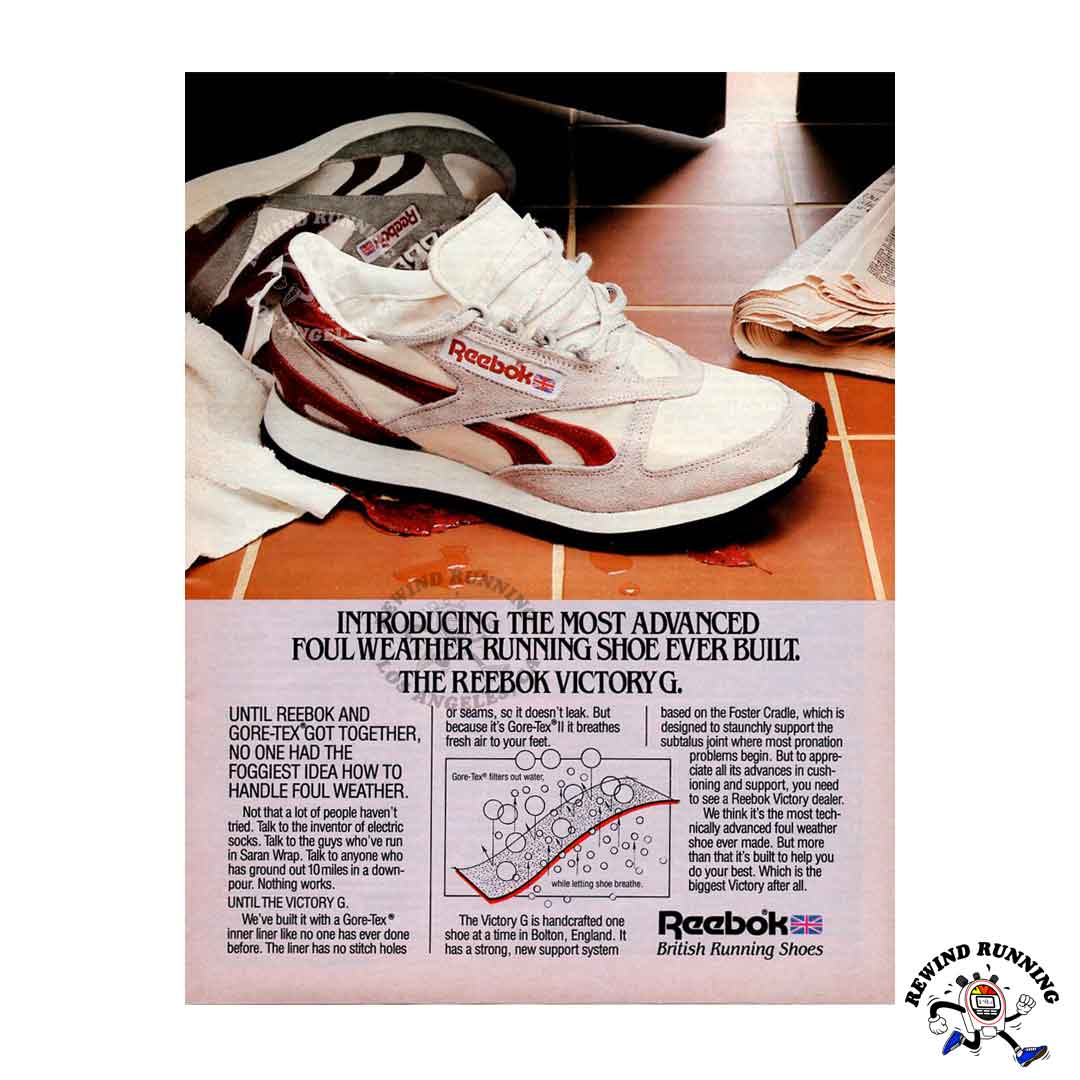
To effectively style a piece, one must first understand its essence. 80s sneakers are characterized by several distinct design philosophies that emerged from the convergence of performance athletics and pop culture. Firstly, the era was marked by a technological arms race in cushioning. Nike’s introduction of Air technology in 1978 (with the Tailwind) reached its visual and marketing zenith in the 80s with models like the Air Force 1 (1982) and the Air Jordan I (1985). As Tinker Hatfield, legendary Nike designer, stated in a 2017 interview for GQ, the goal was “performance innovation that was also visually disruptive.” This resulted in often bulkier profiles, visible air units, and enhanced ankle support—a stark contrast to the minimalist shoes of previous decades. Secondly, color palettes exploded. Moving beyond simple white leather, brands embraced bold, often high-contrast color-blocking. Think of the Reebok Classic Leather in vibrant hues or the Nike Air Max 1 (1987) with its exposed red Air bubble. This reflected the exuberance of 80s fashion, music videos, and art. Finally, materials diversified. While premium leather remained, the use of nylon mesh, synthetic suede (like nubuck), and even waterproof materials like Gore-Tex in some models became common. This combination of chunky silhouettes, vibrant color-blocking, and mixed material use forms the core DNA. Recognizing these elements is crucial; they are the features you will either harmonize with or deliberately contrast against in a modern outfit.

Principle 1: The Art of Balance and Silhouette
The most common pitfall when styling statement sneakers is creating a top-heavy or cluttered look. The inherent volume of many 80s sneakers demands a conscious approach to silhouette. The modern streetwear ethos often leans towards relaxed, oversized fits, but pairing these directly with a chunky sneaker can overwhelm the frame. The key is strategic balance. If your sneaker is bold and substantial—like the Nike Air Tech Challenge II or the ASICS Gel-Lyte III—consider balancing it with more tailored or streamlined pieces on top. A well-fitted pair of straight-leg or slightly tapered trousers (not skinny, as that creates a stark, often unfloring contrast) can anchor the look. For a more contemporary approach, try pairing them with cropped, wide-leg trousers that end just above the sneaker’s tongue, allowing the shoe to be fully displayed without competing with baggy fabric stacks. On top, a simple, boxy-fit tee or a structured jacket can maintain a clean line. This principle echoes the design philosophy of architect Ludwig Mies van der Rohe, “less is more.” Let the sneaker be the hero. By ensuring the rest of your outfit provides a clean, considered canvas, the distinctive design of your 80s sneakers shines without the ensemble tipping into costume territory.

Color Theory in Practice: Complementary and Monochromatic Schemes
The vibrant colorways of 80s sneakers present both an opportunity and a challenge. A scientifically informed approach to color can elevate your styling. Using the color wheel, you can choose between complementary or analogous schemes. A sneaker with bold blue and yellow accents, like the classic Reebok Ex-O-Fit, can be powerfully styled with garments in neutral tones (black, white, grey, beige) to make the colors pop—this is a form of accentuation. For a more advanced, harmonious look, try an analogous scheme: a sneaker with magenta and purple details could be paired with trousers in a deep burgundy and a top in a soft lavender-grey. This creates a cohesive, fashion-forward statement. Conversely, a monochromatic approach is incredibly effective for loud silhouettes. Dressing head-to-toe in varying shades of one color (e.g., all black, all white, or all navy) and then introducing the sneaker—even a multicolored one—creates a focused, intentional look. The sneaker becomes the dynamic punctuation mark on a deliberate sentence. As color expert and Pantone Color Institute’s former executive director, Leatrice Eiseman, notes in her book More Alive with Color, “Color is the first thing people remember about an encounter.” Using these principles ensures that memory is a positive one, rooted in thoughtful coordination rather than chaotic clash.
Principle 2: Context and Genre Fusion
Modern streetwear’s strength lies in its hybridity—its ability to borrow from workwear, high fashion, sportswear, and vintage aesthetics. 80s sneakers are the perfect catalyst for this fusion. Their origin often lies in specific athletic contexts: basketball (Air Jordan, Nike Dunk), aerobics (Reebok Freestyle), running (Nike Air Max, New Balance 990), or tennis (Nike Air Tech Challenge, Adidas Stan Smith). You can play with this context. A basketball sneaker like the Nike Air Ship can be paired with tailored wool trousers and a technical nylon jacket, fusing sport with sophistication. A running-inspired model like the Saucony Shadow 5000 looks excellent with tech-wear cargos and a minimalist sweatshirt, emphasizing function. Don’t be afraid to mix genres. The iconic film Back to the Future Part II (1989) showcased a futuristic vision of style that was, in essence, a fusion of sportswear and tech. While we don’t have self-lacing Nikes yet, the spirit of mixing performance footwear with forward-thinking casual wear is more relevant than ever. This approach moves the sneaker from being a “sports shoe” to a deliberate style component, a concept championed by designers like Virgil Abloh, who consistently blurred the lines between high and low, vintage and contemporary.
Layering and Texture: Adding Depth to Your Look
A flat outfit can undermine even the best sneakers. Layering is the streetwear artisan’s primary tool for adding depth, dimension, and personal narrative. The mixed-material nature of many 80s sneakers—think the combination of leather, mesh, and plastic details on an Air Max 1—invites you to play with textures elsewhere. Pair them with a corduroy overshirt, a thick-ribbed cotton sweater, and a smooth nylon vest. The interplay of matte, sheen, and weave creates visual interest that complements the shoe’s complexity. Layering also serves a practical purpose in adapting to weather, but stylistically, it allows for color blocking and proportion play. A longline tee under a cropped jacket, with layered necklaces or a watch strap peeking out, builds a story around your feet. This technique is evident in the styling of Japanese streetwear icons, where attention to layered texture is paramount. It transforms an outfit from simply “wearing clothes with cool sneakers” to constructing a cohesive, tactile ensemble where the sneakers are an integrated component of a richer sartorial landscape.
From Principle to Practice: Building a Modern Capsule Around Your Sneakers
Let’s translate theory into a practical, budget-conscious wardrobe. You don’t need a closet overhaul. Start by identifying the core color in your favorite pair of 80s sneakers. Is it a dominant white, a bold red, or a neutral grey? Build a capsule of versatile basics in that tonal family. Essential items include: well-fitting plain t-shirts (black, white, heather grey), a quality hoodie or crewneck sweatshirt, straight-leg jeans in a classic blue and a black wash, tailored chino or utility pants in olive or beige, and a versatile jacket (denim, bomber, or chore coat). These items, largely in solid colors, provide the perfect canvas. The discounted price strategy here is timeless: invest in quality basics during end-of-season sales from reputable brands known for durability. They become the foundation for years. Then, introduce one or two statement pieces that resonate with the 80s vibe—a color-blocked rugby shirt, a vintage-inspired track jacket, or baggy shorts. These pieces can often be found at thrift stores or discount fashion outlets, allowing for high-impact style without a high cost. Your 80s sneakers become the link, tying these modern basics and vintage-inspired statements together into a look that is uniquely yours.

The Final Touch: Confidence and Personal Narrative
Ultimately, the most critical styling element is intangible. 80s sneakers carry history—stories of athletic prowess, musical movements like hip-hop’s adoption of the Adidas Superstar, or subcultural identities. Wearing them is an act of connection to that lineage. Your styling should reflect your personal narrative. Are you channeling the rebellious spirit of early hip-hop? The optimistic futurism of 80s design? Or simply appreciating a timeless silhouette? Own that choice. Styling is not about rigid rules but about informed expression. The principles of balance, color, and context are tools, not chains. As fashion psychologist Dr. Dawnn Karen outlines in her “Dress to Feel” philosophy, clothing significantly impacts our emotional state and perception. Choosing a pair of iconic sneakers and styling them with intention is a way to project confidence and creativity. It signals an understanding of fashion’s past and a willingness to reinterpret it for the present.
Integrating 80s sneakers into a modern streetwear lexicon is an exercise in creative curation. It requires an eye for balance, a dash of color theory, and a willingness to fuse disparate genres. By understanding the design DNA of these iconic shoes and applying structured yet flexible styling principles, they cease to be nostalgic artifacts and become dynamic, foundational pieces of a contemporary wardrobe. The goal is not to recreate 1985, but to let the bold, innovative spirit of that era inform and elevate your style today. Start with one pair, apply these concepts, and walk forward with a piece of history firmly on your feet and a distinctly modern vision ahead.
