

How to Style 80s Sneakers for a Modern Wardrobe
The resurgence of 80s sneakers is more than a fleeting trend; it’s a testament to the enduring power of iconic design meeting contemporary fashion intelligence. These shoes, born from a decade of bold expression, technological innovation in sportswear, and burgeoning street culture, carry a unique aesthetic vocabulary. Integrating them into a modern wardrobe isn’t about costume play or pure nostalgia. It is an exercise in selective fusion, where the distinctive silhouettes and color stories of the past are deliberately balanced with the refined, often minimalist, sensibilities of today’s style landscape. This approach allows you to harness the rebellious energy and statement-making potential of these vintage-inspired pieces without overwhelming your look, creating outfits that feel both fresh and authentically rooted in design history.
Decoding the 80s Sneaker: A Fusion of Tech and Culture
To style 80s sneakers effectively, one must first understand what defines them. The 1980s were a pivotal era for athletic footwear, marked by a shift from purely performance-oriented designs to shoes that embodied cultural movements. From a scientific and design perspective, key innovations included the widespread adoption of ethylene-vinyl acetate (EVA) foam for midsoles, providing superior cushioning, and the use of more advanced synthetic leathers and meshes that allowed for more ambitious structural designs. This technological leap enabled the creation of the chunky, sculpted silhouettes we associate with the decade—think of the exaggerated heel counters, layered panels, and pronounced toe boxes. Culturally, as noted by fashion historians like Dr. Elizabeth Semmelhack of the Bata Shoe Museum, sneakers transitioned from the gym and basketball court to the streets, becoming central to the identity of hip-hop, breakdancing, and skateboarding subcultures. Films like Back to the Future (1985) showcased futuristic self-lacing sneakers (the Nike MAG prototype), embedding the idea of sneakers as high-tech fashion into the global consciousness. Therefore, an 80s sneaker is not merely old; it is a artifact representing a specific convergence of material science, bold aesthetics, and subcultural pride. Recognizing this heritage allows you to wear them with intentionality, respecting their origin while redirecting their impact.

The Balancing Act: Contrasting Silhouettes
The most common pitfall when wearing statement sneakers is creating a look that feels top-heavy or costumed. The inherent bulk and visual weight of many 80s sneakers demand a counterbalance in the rest of your outfit. This is where modern wardrobe principles come into play. The core strategy is contrast. Pair these bold shoes with clean, streamlined, and often tailored pieces. For men, this could mean slim or straight-leg trousers in neutral tones—think olive chinos, grey wool trousers, or dark denim with minimal distressing. The clean line of the pant leg creates a visual pathway down to the shoe, allowing it to be the focal point without competition. For women, the same principle applies: tailored wide-leg pants, sleek leggings, or a simple midi skirt can provide the perfect canvas. The idea is articulated by numerous contemporary stylists, such as Allison Bornstein, who advocates for the “third piece” rule and intentional juxtaposition. A bulky sneaker paired with an oversized blazer and a simple tee creates a dynamic tension that feels modern. Conversely, avoid pairing them with other inherently baggy or highly detailed 80s-style garments (like parachute pants or neon windbreakers) unless you are deliberately aiming for a full-period look, which rarely translates seamlessly to modern daily wear. The goal is a dialogue between eras, not a monologue from one.
Color Narrative: Anchoring the Bold
80s sneakers often come in vibrant color-blocking, neons, or stark combinations of white, grey, and black. The modern approach to color is typically more subdued, favoring palettes of beige, black, white, navy, and olive. This discrepancy is your styling superpower. Let the sneaker be the sole (pun intended) source of high-energy color in your outfit. If your sneakers feature electric blue and hot pink, anchor them with neutral basics: a white linen shirt, a charcoal grey sweater, and indigo jeans. This technique, often seen in street style photography from fashion weeks in Tokyo and London, ensures the shoes pop artistically rather than clash chaotically. It also aligns with the minimalist “capsule wardrobe” philosophy, where a few statement accessories can revitalize a core set of simple pieces. Furthermore, you can employ tonal dressing by picking out one secondary color from the sneaker and echoing it subtly elsewhere—a sock, a bag strap, or a piece of jewelry. This creates a cohesive, thoughtfully curated look that demonstrates a sophisticated understanding of color theory, moving beyond simple matchy-matchy aesthetics to something more nuanced and visually engaging.

Context is King: From Casual to Smart-Casual
The versatility of 80s sneakers is often underestimated. They are not confined to gym shorts and sweatpants. The key to unlocking their potential across different settings lies in recontextualizing them. For a elevated casual look, imagine pairing a classic Reebok Classic or Nike Air Max 1 with tailored wool trousers and a perfectly fitted crewneck sweater. The juxtaposition of the trouser’s formality (in fabric and cut) with the casual sneaker creates an irreverent, modern smart-casual outfit suitable for creative workplaces, weekend brunches, or casual dates. As fashion commentator Tim Gunn famously emphasized, it’s about “making it work”—the deliberate clash becomes the point of interest. For a more streetwear-inspired take, combine them with contemporary utilitarian pieces: cargo pants in a sleek ripstop fabric, a minimalist oversized tee, and a technical vest. This respects the sneaker’s athletic heritage while framing it within a current trend. Even in warmer weather, a simple linen shorts-and-shirt combination can be grounded by a pair of bold 80s sneakers, adding an edge to an otherwise breezy outfit. The principle is to consciously choose the context, ensuring every other item in your ensemble supports the sneaker’s transition from a vintage sportswear item to a deliberate modern fashion element.
Investment and Acquisition: Navigating the Market
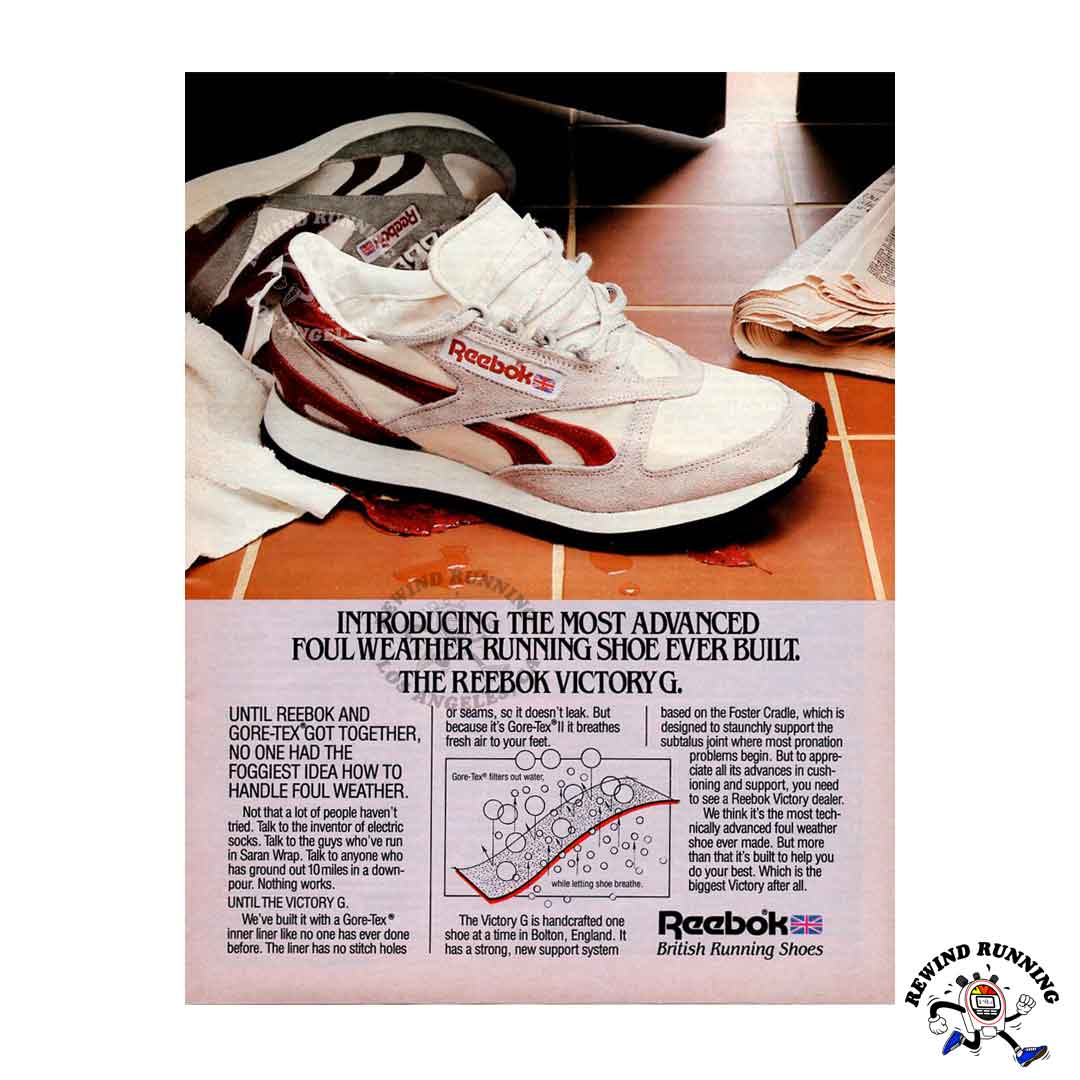
Embracing 80s sneakers requires some market knowledge. You are typically looking at two avenues: vintage originals or modern re-releases/retro models. Vintage pairs offer authentic patina and history but may come with durability concerns and higher collector prices. Modern retros, produced by brands like Nike, Adidas, Reebok, and Asics, offer updated comfort technology (like improved cushioning) while faithfully recreating the original designs, often at more accessible price points. For instance, the Nike Air Jordan 1, originally released in 1985, is perpetually reissued in new colorways. To bring professional knowledge and value, consider this: end-of-season sales, brand outlet stores, and dedicated sneaker retailer newsletters are excellent sources for discounts on retro models. The secondary market (e.g., StockX, GOAT) provides price transparency for both new and used pairs, allowing you to make informed decisions. As a style investment, prioritize classic colorways that offer maximum versatility—the white/grey/black combinations, navy/red blockings, or all-white leather styles. These foundational pairs provide the greatest return in terms of outfit combinations. Remember, the goal is to integrate a piece of design history into your daily wear, not to build a museum archive, so factor in comfort, wearability, and cost-per-use when making your choice.
A Final Note on Attitude
Ultimately, styling any bold piece, especially one as culturally loaded as an 80s sneaker, comes down to confidence. These shoes are inherently assertive. Wearing them with hesitation or as an afterthought undermines their impact. Adopt them as a signature, a conscious choice that reflects an appreciation for design evolution. As the late, legendary fashion editor Diana Vreeland once quipped, “The eye has to travel.” Let your 80s sneakers be the destination for that journey within your outfit. They are a bridge between decades, a functional sculpture, and a conversation starter. When you lace them up, you’re not just putting on shoes; you’re activating a piece of aesthetic history and claiming it for your present. That synthesis—of past design and personal present expression—is the very essence of modern style.

