

Comfort Meets Durability on Every Trail
There is a moment, familiar to every hiker, when the path beneath your feet transitions from a gentle, forgiving surface to a challenging, rugged terrain. In that moment, the only interface between you and the mountain, between your ambition and the earth’s raw reality, is your footwear. The quest for the perfect pair of shoes for hiking and walking is not merely about gear acquisition; it is a pursuit of harmony. It is the search for a tool that offers the sublime comfort needed for miles of wandering, married unbreakably to the durability required to withstand nature’s relentless tests. This article is an exploration of that synthesis, a deep dive into why this balance isn’t a luxury, but a fundamental principle for anyone who answers the call of the trail.
The Foundation: Understanding the Anatomy of a Trail Shoe
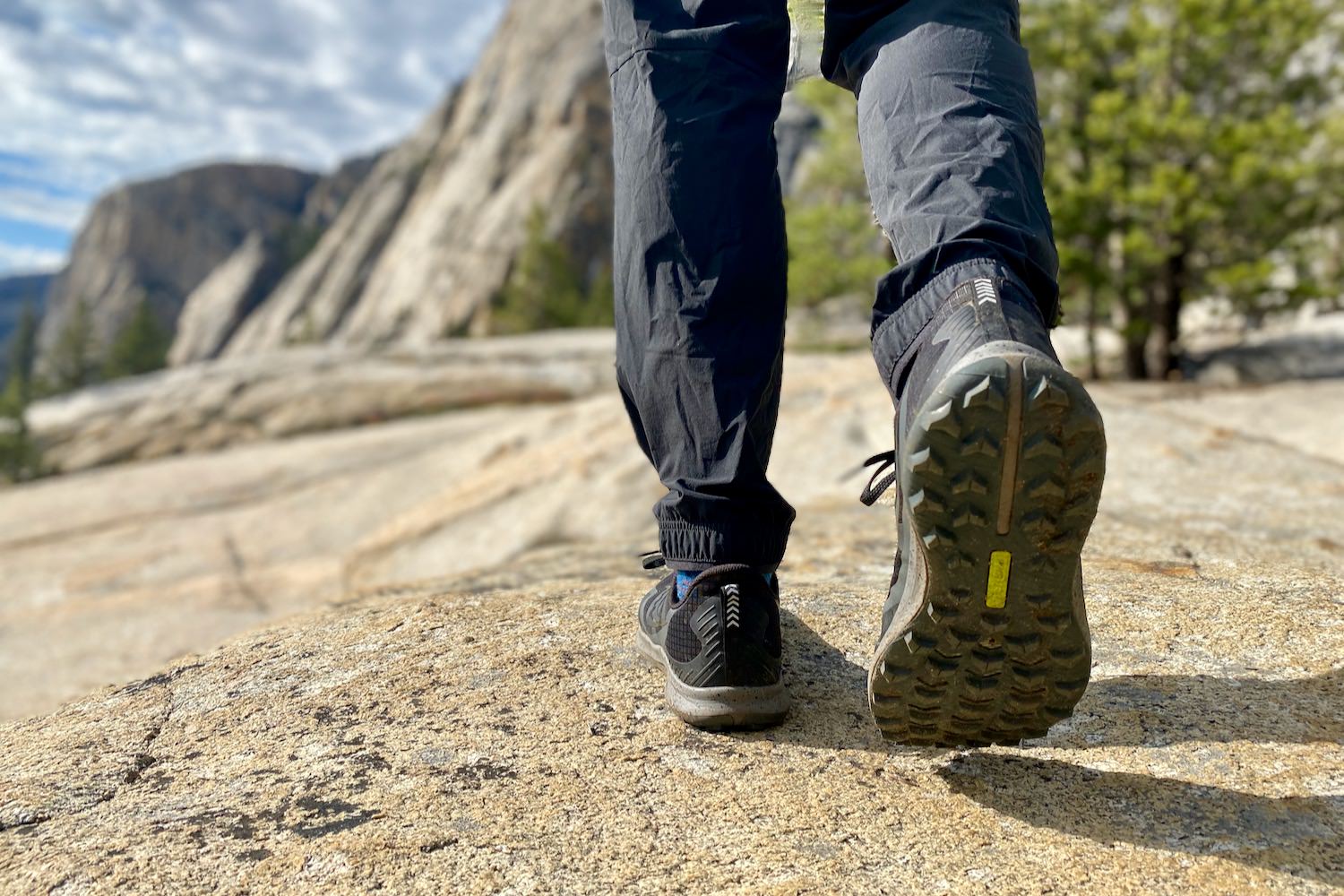
To appreciate the marriage of comfort and durability, we must first dissect the components. A modern hiking shoe is a feat of engineering, each layer serving a distinct, critical purpose. The upper, traditionally made of leather or rugged textiles, is the first line of defense. Durability here means resistance to abrasion from rocks, brush, and the occasional misstep. Brands like Salomon and Merrell utilize high-tenacity nylon and reinforced synthetic leather, materials whose toughness is quantified in denier ratings—a concept borrowed from textile science, where a higher denier indicates a thicker, more durable thread. Beneath this lies the midsole, the heart of comfort. This is where cushioning technologies like EVA (Ethylene-Vinyl Acetate) foam or advanced compounds like Nike’s React or Adidas’s Boost come into play. Their objective is not just softness, but responsive cushioning—energy return that reduces fatigue over long distances. As Dr. Casey Kerrigan, a former Harvard Medical School professor and biomechanics researcher, has often highlighted in her work on gait, “The right footwear can significantly reduce joint loading, which is paramount for endurance activities.” Finally, the outsole, typically made of vulcanized rubber like Vibram, provides the crucial grip. Its lug pattern and rubber compound are scientifically designed for traction on varied surfaces, from slick granite to loose scree. The durability of the outsole is measured in its ability to resist wear, ensuring that this grip remains reliable over hundreds of miles.

Comfort: Beyond Initial Cushioning
Comfort in shoes for hiking and walking is a dynamic, multi-faceted experience. Initial softness is a welcome sensation, but true trail comfort is about long-term support and fit. It encompasses the shoe’s ability to accommodate the natural swelling of feet during a long day, to provide a secure heel lock to prevent blister-causing friction, and to offer a toe box that allows for natural splay upon impact—a feature championed by brands like Altra, which bases its designs on the “FootShape” philosophy. This concept finds support in the natural running movement, which draws from the research of sports podiatrists and anthropologists studying barefoot locomotion. Discomfort on the trail is more than an annoyance; it is a primary limiting factor. A study published in the Journal of Sports Sciences has correlated improper footwear with altered gait mechanics, leading to premature fatigue and increased injury risk. Therefore, comfort technologies such as moisture-wicking liners, anatomical footbeds, and adaptive lacing systems are not mere marketing. They are scientifically-informed interventions. When you slip on a well-fitted pair, you are not just feeling padding; you are engaging with a system designed to manage impact, heat, and moisture from the first step to the ten-thousandth.
Durability: The Science of Longevity
If comfort is what you feel, durability is what the shoe endures. It is the quantifiable resilience of materials against entropy. On the trail, destructive forces are constant: UV radiation degrades synthetic fibers, repeated flexing stresses seams, and sharp rocks test the limits of rubber and fabric. The durability of a hiking shoe is engineered through material selection and construction techniques. For instance, the use of Cordura nylon or GORE-TEX membranes (backed by GORE’s own rigorous testing standards) represents a commitment to longevity and weather protection. The construction method is equally vital. A stitch-down or welded construction often provides greater seam integrity and longevity compared to simple cementing. As noted on authoritative outdoor gear review sites like Switchback Travel or CleverHiker, a key metric in long-term testing is “outsole wear” and “upper integrity after 500+ miles.” This isn’t anecdotal; it’s empirical evidence gathered from punishing field tests. Investing in durable shoes for hiking and walking is an exercise in sustainability and economics. A pair that lasts for multiple seasons, protecting your investment, aligns with the ethos of many in the outdoor community who seek to reduce waste and make mindful purchases.
The Synergy: Where Comfort and Durability Intersect
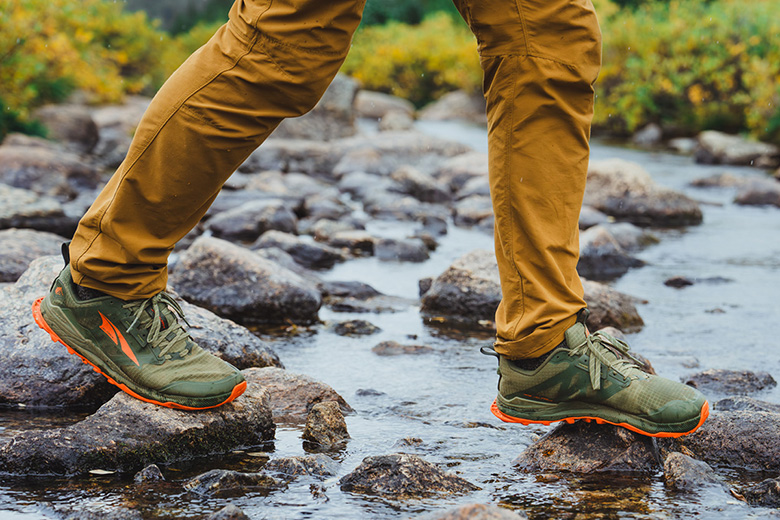
The magic happens not when comfort and durability exist in isolation, but when they co-evolve in a single design. Consider a high-quality memory foam insole. Its comfort function is obvious, but its durability function is to retain its supportive shape and rebound properties over time, resisting permanent compression. A robust Vibram Megagrip outsole provides durable traction, but its specific rubber compound is also formulated to remain pliable in cold temperatures, ensuring consistent comfort in grip and stability. This synergy is the hallmark of premium footwear. Brands like La Sportiva, with their decades of mountaineering heritage, or Hoka, with their disruptive maximalist cushioning, strive for this balance. They understand, as articulated by renowned climber and author Mark Synnott in his adventures, that “confidence on terrain comes from trust in your equipment.” That trust is built on the knowledge that your shoes will remain comfortable when you’re exhausted and durable when the terrain turns treacherous. This intersection is the sweet spot for any serious day-hiker, backpacker, or trail runner seeking versatile shoes for hiking and walking.
The Personal Equation: Fit, Terrain, and Load
No discussion of footwear is complete without addressing the personal variables. The “perfect” balance of comfort and durability is subjective and context-dependent. A through-hiker on the Pacific Crest Trail, carrying a 30-pound pack over 2,600 miles, will prioritize a different blend than a fastpacker covering 20 light miles in a day. The former may lean towards the durable support of a stiff-soled boot, while the latter might choose the agile comfort of a trail shoe. Your personal biomechanics—arch type, pronation, foot volume—are critical data points. This is where professional fitting, often available at specialty outdoor retailers, becomes invaluable. These experts can analyze your gait and foot shape, translating technical specifications into personal recommendations. It is a process that brings professional knowledge directly to the user, ensuring the investment in a high-quality pair of shoes for hiking and walking is a informed one. Furthermore, the modern market often offers last-season models or sales events, providing access to this premium technology at discounted prices, making high-performance gear more accessible.
Evidence from the Field: Voices of Experience
The theoretical framework of comfort and durability is best validated by lived experience. Across platforms like YouTube, seasoned adventurers provide tangible proof. A creator like “Darwin onthetrail,” who documents ultra-light through-hikes, meticulously reviews the durability of shoe uppers and the comfort of midsoles after hundreds of miles. On Quora and specialized forums, the collective wisdom of thousands of hikers converges into a powerful resource, comparing the long-term comfort of Salomon’s SensiFit against the renowned durability of Asolo’s mountaineering boots. Literature from outdoor programs at authoritative universities like the University of New Hampshire’s Outdoor Education program often includes footwear selection modules, emphasizing this dual-criteria approach. Even in popular culture, the importance is underscored. In Cheryl Strayed’s memoir Wild, her ill-fitting, inadequate boots become a central antagonist—a powerful narrative testament to the consequences of imbalance. As the famous naturalist John Muir once mused,
“The mountains are calling and I must go.” But he certainly did not go in flimsy footwear. The implication is clear: to answer the call fully, one must be properly equipped.
This collective evidence forms a compelling consensus: prioritizing both comfort and durability is non-negotiable for serious trail use.
Making the Choice: A Practical Synthesis
So, how does one navigate this landscape? Begin by honestly assessing your most common use-case. Then, seek out models that are consistently praised across multiple independent review sources for both attributes. Do not be swayed by comfort alone in the store; research the materials and construction. Look for features like protective toe caps, reinforced heel counters, and high-quality rubber. Try shoes on in the afternoon with the socks you intend to wear, and walk on an inclined surface if possible. Remember that the most durable shoe is useless if it doesn’t fit your foot comfortably, and the most comfortable shoe is a liability if it falls apart mid-hike. This is the essential calculus. By applying this informed, balanced approach, you move beyond being a consumer to becoming a participant in the engineering of your own experience on the trail.
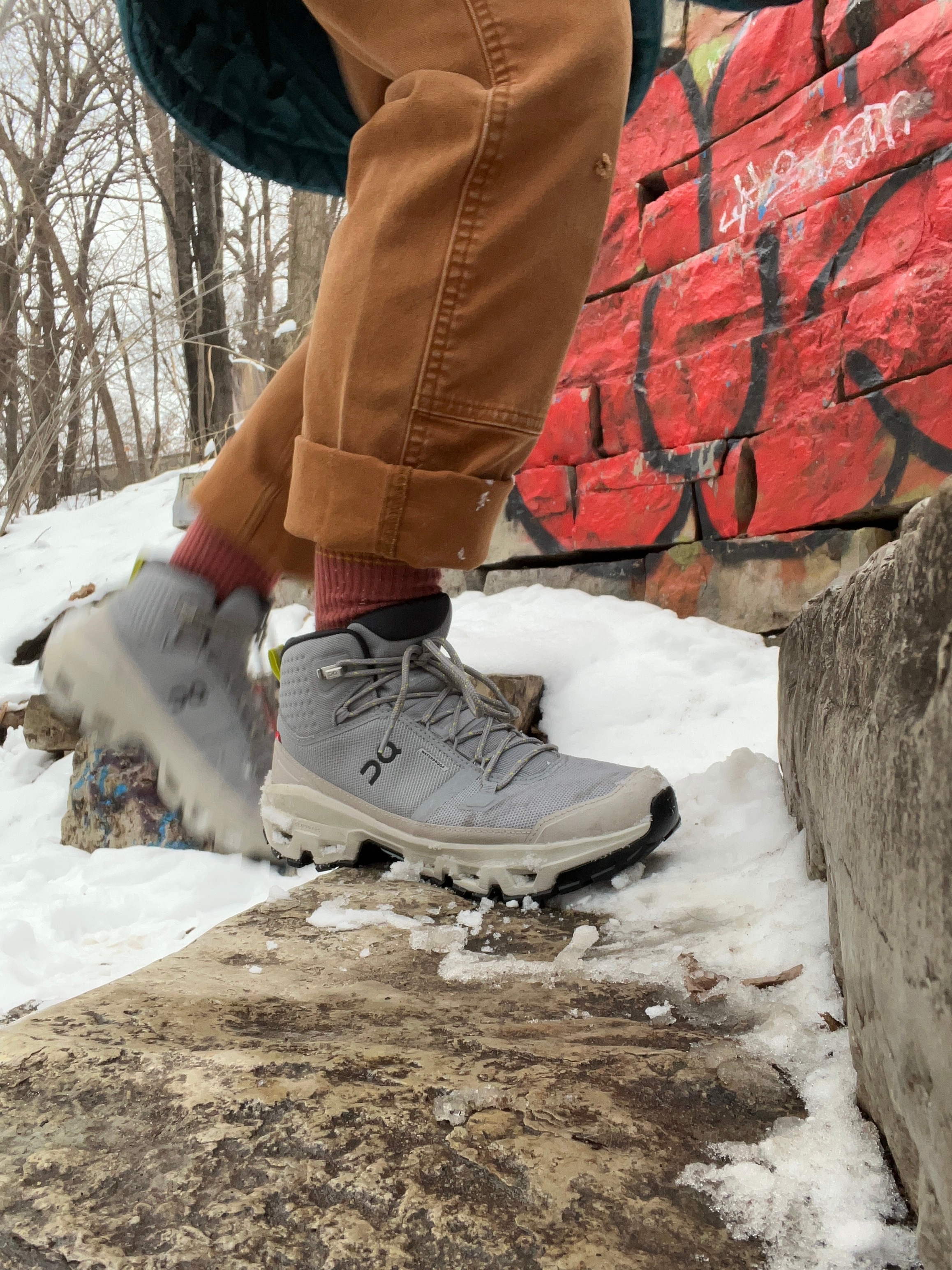
The trail is a place of transformation, offering challenge and solace in equal measure. Your footwear should be a catalyst for that experience, not a hindrance. The pursuit of harmony between comfort and durability is the pursuit of freedom—the freedom to walk farther, explore deeper, and immerse yourself more completely in the wild places you seek. When you find that pair where plush cushioning resides within a fortress of resilient materials, you have found more than just shoes for hiking and walking. You have found a reliable partner, ready to meet every trail, from the sun-dappled forest path to the windswept alpine ridge, with unwavering support. That is the promise fulfilled: where every step is cushioned, and every mile is built to last.
